Why Decorated Denim Is Becoming a More Demanding Manufacturing Category for Streetwear Brands?
- Share
- publisher
- GROOVECOLOR
- Issue Time
- May 6,2026
Summary
Decorated denim is returning in 2025–2026 through embroidery, patchwork, and distressed finishes. But for streetwear brands, the real challenge is bulk execution. Learn why wash sequencing, abrasion balance, and attachment durability matter more than trend validation. Discover how advanced manufacturing controls shade drift and hardware fallout, ensuring your embellished jeans scale dependably from sample to production without losing their artisanal aesthetic.
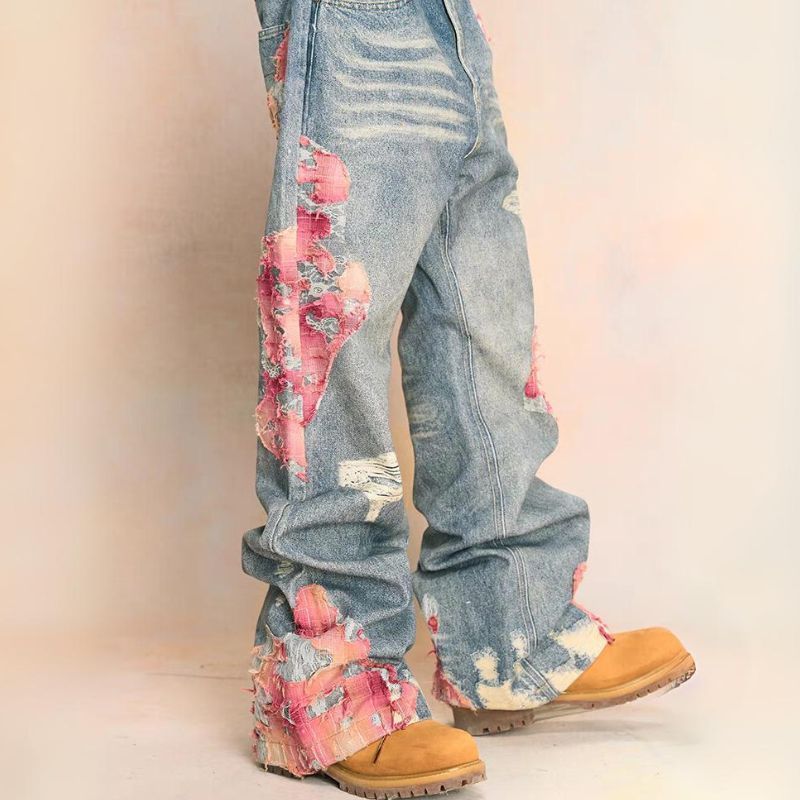
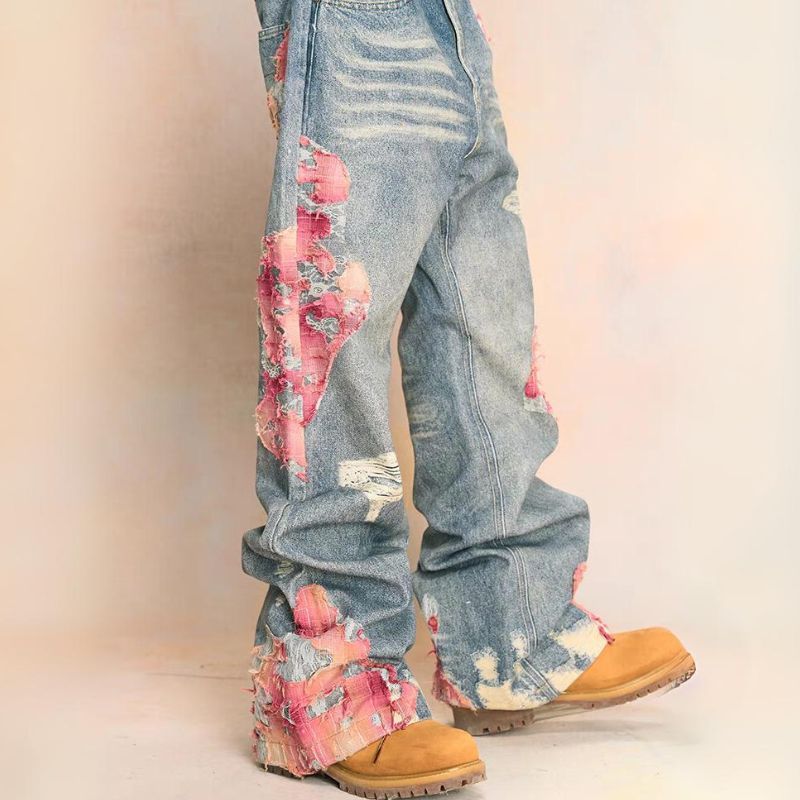
Decorated denim is returning through embroidery, patchwork, studs, rhinestones, distressed finishes, painted effects, and mixed-media surfaces. But for brands, the real issue is no longer trend validation alone. It is whether a factory can control wash sequencing, decoration placement, abrasion balance, attachment durability, and bulk repeatability once these looks move from concept to production. Trend coverage across 2025–2026 shows the aesthetic is back; denim technology discourse shows execution is now the real differentiator.
Key Takeaways for Established Streetwear Brands
- ▸ Advanced garment washing, digital patternmaking, and precision embroidery bring unique streetwear concepts to life and ensure every style stands out.
- ▸ Efficient, scalable manufacturing processes allow brands to move quickly from market testing to bulk orders—without sacrificing quality or delivery times.
- ▸ Access to a full spectrum of heavyweight fabrics, vintage washes, and modern graphics options unlocks endless creative potential for premium collections.
- ▸ Comprehensive technical support and robust quality control systems help streetwear brands minimize risk and deliver top-tier denim to the global market.
The return of decorated denim is not merely a styling shift; it fundamentally alters the manufacturing requirements for streetwear collections. As the global jeans market, valued at USD 98.63 billion in 2025, is projected to reach USD 140.35 billion by 2031 [1], the competition is intensifying. The resurgence of embellished, embroidered, and vintage-treated denim across 2025–2026 runway and retail channels confirms that consumers are moving away from overly basic denim toward pieces with stronger identity and texture [2]. However, this shift pulls denim back into the complex arena of surface treatment, attachment methods, finishing sequences, and rigorous quality control disciplines. For established streetwear brands, the challenge is no longer just designing a striking piece, but finding a manufacturing structure capable of executing these intricate details dependably at scale. As demonstrated in Groovecolor's handling of complex denim programs, integrating wash planning with trim application early in the development cycle is essential to prevent bulk-stage failures.
The conversation around denim has evolved significantly over the past few seasons. While the early 2020s were dominated by minimalist aesthetics and clean, unwashed raw denim, the pendulum has swung back toward maximalism. This shift is not just about adding visual noise; it is about reclaiming denim as a canvas for self-expression. Streetwear brands, in particular, are leveraging decorated denim to differentiate themselves in a crowded market. When every brand offers a high-quality heavyweight hoodie, the lower half of the silhouette becomes the new battleground for brand identity. This is where intricate embroidery, strategic distressing, and mixed-media patchwork come into play. However, the transition from a moodboard concept to a physical garment that can withstand the rigors of daily wear and industrial laundry is fraught with technical challenges.
To understand the magnitude of this shift, one must look at the underlying manufacturing processes. Traditional denim production is relatively straightforward: cut, sew, wash, and finish. Decorated denim disrupts this linear workflow. It introduces multiple variables that must be managed simultaneously. For instance, if a design calls for both heavy stone washing and delicate beadwork, the factory must determine the optimal sequence to achieve the desired wash effect without destroying the embellishments. This requires a level of process engineering that goes far beyond basic garment construction. It demands a deep understanding of fabric behavior, chemical interactions, and mechanical stress points. Brands that fail to recognize this complexity often find themselves struggling with high defect rates, inconsistent sizing, and compromised aesthetic integrity when they attempt to scale their decorated denim programs.
How Do You Verify What Exactly Counts as Decorated Denim in 2025–2026?
Decorated denim in 2025–2026 encompasses embroidery, patchwork, studs, rhinestones, distressed combinations, and painted or laser-created art effects, moving beyond simple washes to complex, multi-layered surface treatments.
The current wave of decorated denim is characterized by a maximalist approach that blends traditional craftsmanship with modern technology. According to WGSN's Spring/Summer 2025 report, designers are increasingly utilizing techniques unique to denim to add significant visual and textural interest [3]. This includes intricate embroidery that often requires stabilization to prevent puckering after washing. Patchwork, appliqué, and mixed panels introduce structural complexities, demanding precise pattern engineering to maintain the garment's silhouette. The integration of studs, beads, crystals, and rhinestones—seen prominently in collections from Casablanca and Stella McCartney—requires robust attachment methods to withstand industrial laundry processes [3]. Furthermore, distressing combined with decoration, as well as painted, printed, or laser-created art effects, necessitates a highly controlled finishing sequence to ensure that the artistic intent is preserved without compromising the fabric's integrity.
Embroidery on denim, for example, is no longer limited to simple logos or pocket details. It now spans entire pant legs, featuring complex, multi-colored motifs that require high-density stitching. This level of detail introduces significant tension into the fabric, which can lead to distortion if the base denim is not sufficiently robust or if the embroidery is not properly stabilized. Similarly, custom patchwork denim has evolved from simple knee reinforcements to elaborate, full-garment constructions that combine different washes, weights, and even entirely different fabrics. This requires meticulous pattern making to ensure that the various panels align correctly and that the overall fit remains uniform, despite the differing shrinkage rates of the constituent materials.
The use of hardware, such as studs and rhinestones, presents its own set of challenges. These embellishments must be securely attached to withstand not only the wearer's daily activities but also the aggressive industrial washing processes that are often required to achieve the desired vintage look. If the attachment method is inadequate, the hardware can fall off during washing, damaging the garment or even the washing machines themselves. Furthermore, the placement of these embellishments must be carefully considered to avoid creating uncomfortable pressure points or interfering with the garment's drape. Painted and printed effects, meanwhile, require specialized inks and curing processes to ensure that they adhere properly to the denim and do not crack or fade prematurely. The intersection of these various techniques is what defines the modern decorated denim category, making it a highly technical and demanding area of product development.
Which Signals Indicate Why Decorated Denim Is Returning Now?
The return of decorated denim is driven by consumer demand for "denim with personality," a reaction against overly basic styles, and a desire for self-expression that bridges everyday staples with event dressing.
The market is witnessing a distinct shift away from the "quiet luxury" aesthetic toward a more expressive, maximalist rebound. Consumers are increasingly seeking denim with personality—pieces that serve as hero items rather than mere foundational basics. This trend is validated by fashion editors and stylists who note that embellished jeans are becoming the answer to elevating everyday wear [4]. The hybrid value of "everyday staple meets event dressing" makes decorated denim highly versatile, appealing to a demographic that values both comfort and standout visual identity. As noted by industry experts, decorative treatments like studding and embroidery bring a romantic, bohemian exuberance to denim, reflecting a broader cultural movement toward individualized fashion [5].
This shift is also fueled by a growing fatigue with the homogenization of streetwear. As more brands have adopted similar minimalist aesthetics, consumers are looking for ways to stand out. Decorated denim offers a tangible, highly visible way to signal individuality and alignment with specific subcultures. The intricate details, whether they be hand-painted graphics, custom hardware, or elaborate distressing, serve as markers of authenticity and craftsmanship. This is particularly important in the streetwear market, where consumers are highly attuned to the nuances of product design and manufacturing quality. They are willing to invest in pieces that demonstrate a high level of technical skill and creative vision, viewing them as wearable art rather than disposable fashion.
Furthermore, the rise of social media and digital culture has amplified the demand for visually striking garments. In an environment where fashion is increasingly consumed through screens, garments must possess a strong visual impact to capture attention. Decorated denim, with its rich textures and bold embellishments, is perfectly suited to this medium. It photographs well, translates effectively to video, and provides ample opportunities for close-up detail shots that highlight the garment's craftsmanship. This digital visibility drives consumer desire, creating a feedback loop that encourages brands to push the boundaries of denim design even further. The result is a vibrant, rapidly evolving category that demands continuous innovation from both designers and manufacturers.
What Proof Should You Ask For When Decorated Denim Changes Sample Complexity and Finishing Plans?
Decorated denim significantly increases sample complexity because finishing plans must be decided earlier, trim load-bearing points matter more, and visual success depends heavily on engineering rather than just a moodboard.
Transitioning from a conceptual design to a physical sample in decorated denim is fraught with technical hurdles. Unlike basic jeans, where the wash is often the final step, embellished denim requires the finishing plan to be integrated from the very beginning. The sequence of operations—whether to embroider before or after the enzyme wash, or how to protect rhinestones during distressing—must be meticulously planned. Trim and load-bearing points become critical; a heavy patch or dense embroidery can alter the drape and fit of the garment if not properly reinforced. Consequently, the visual success of these garments relies on precise pattern engineering and process sequencing. This level of complexity means that brands cannot rely solely on aesthetic vision; they must partner with manufacturers who possess deep technical expertise in advanced streetwear washing workflows to ensure the sample is actually reproducible in bulk.
The sampling process for decorated denim is inherently iterative and time-consuming. A single garment may require multiple rounds of prototyping to perfect the balance between the base fabric, the wash effect, and the embellishments. For example, achieving the perfect vintage fade around a heavily embroidered area requires precise control over the abrasion process. If the abrasion is too aggressive, it can damage the embroidery threads; if it is too gentle, the contrast between the washed denim and the pristine embroidery will look unnatural. This delicate balance can only be achieved through rigorous testing and adjustment, which requires a close collaborative relationship between the brand's design team and the factory's technical specialists.
Moreover, the complexity of decorated denim samples often necessitates the involvement of multiple specialized facilities or departments. A single pair of jeans might require the expertise of a denim mill for the base fabric, a specialized wash house for the distressing and fading, an embroidery studio for the needlework, and a hardware supplier for the studs and rivets. Coordinating these various elements and ensuring that they all come together properly in the final garment is a significant logistical challenge. It requires a high level of project management skill and a deep understanding of the capabilities and limitations of each specialized process. Brands that attempt to manage this complexity without the support of an experienced, integrated manufacturing partner often find themselves overwhelmed by delays, miscommunications, and quality issues.
How Do You Verify Which Decorated Denim Directions Look Commercially Strongest Right Now?
The most commercially viable directions include vintage wash with subtle embroidery, baggy jeans with studs or seam decoration, patchwork or repaired-look denim, and distressed art denim featuring paint or surface irregularities.
For streetwear brands looking to capitalize on this trend, certain styles offer a stronger balance of visual impact and manufacturability. Vintage washes paired with subtle, high-quality embroidery provide a premium feel without overwhelming the garment. Baggy and wide-leg silhouettes, which continue to dominate the market, are being elevated with strategic studding or intricate seam decorations. Patchwork and repaired-look denim tap into the upcycled, artisanal aesthetic that resonates strongly with contemporary consumers [6]. Additionally, distressed art denim that incorporates paint splatters or controlled surface irregularities offers a unique, customized appearance. These directions not only align with current consumer preferences but also present specific manufacturing challenges that require a sophisticated bulk cut-and-sew manufacturing approach to execute successfully at scale.
The commercial viability of these directions is closely tied to their perceived authenticity. Consumers are increasingly savvy about manufacturing techniques and can easily spot garments that look mass-produced or artificially distressed. Therefore, the most successful decorated denim styles are those that manage to capture the nuanced, irregular appearance of genuine vintage or handcrafted pieces, even when produced at scale. This requires a sophisticated approach to finishing, utilizing techniques such as localized hand-sanding, precise laser etching, and carefully controlled chemical washes to create depth and dimension. The goal is to create garments that feel unique and individualized, despite being part of a larger production run.
Furthermore, the commercial success of decorated denim is heavily dependent on its integration into the broader streetwear wardrobe. These garments are rarely worn in isolation; they are typically styled with graphic tees, heavyweight hoodies, and statement sneakers. Therefore, the design of the denim must complement, rather than compete with, these other elements. This often means striking a careful balance between bold embellishments and more subdued, versatile base washes. For example, a pair of heavily studded jeans might be paired with a simple, oversized hoodie to create a balanced, cohesive look. Brands that understand these styling dynamics and design their decorated denim accordingly are more likely to achieve commercial success, as their products will resonate more strongly with the target consumer's overall aesthetic preferences.
Where Does Decorated Denim Typically Hit a Ceiling in Production Execution?
Execution in production is difficult due to the need for precise wash and decoration sequencing, reinforcement under decorated zones, hardware fallout risks, abrasion balance, left-right symmetry, and managing shade and hand-feel variations after multiple finishing steps.
The leap from a successful sample to repeatable bulk production is where many decorated denim programs falter. The primary challenge lies in the sequencing of wash and decoration. If embroidery is applied before a heavy stone wash, the threads may fray or break; if applied after, the fabric beneath the embroidery may not match the washed areas. Reinforcement under patches and embroidery zones is essential to prevent the base fabric from tearing under stress. There is also a significant risk of hardware or bead fallout during industrial laundry processes, necessitating rigorous attachment testing. Maintaining abrasion balance around distressed zones and ensuring left-right placement symmetry across hundreds of units requires meticulous quality control. Furthermore, multiple finishing steps can lead to unpredictable shade variations and changes in the garment's hand-feel. These requirements are typically encountered by streetwear brands operating at a global or multi-market level—similar in scale and operational maturity to brands such as Kith, Amiri, or Represent.
The issue of shade variation is particularly acute in decorated denim production. Because these garments often undergo multiple, intensive washing and finishing processes, the final color of the denim can be highly unpredictable. Even slight variations in the temperature of the wash water, the concentration of the chemicals, or the duration of the cycle can result in noticeable differences in shade between different batches, or even between different panels of the same garment. This is a major problem for brands that demand strict color accuracy across their collections. To mitigate this risk, factories must implement rigorous shade-batch management protocols, carefully monitoring and adjusting the wash parameters to ensure that every garment meets the approved standard. This requires a high level of technical expertise and a commitment to continuous quality control throughout the production process.
Another significant challenge is maintaining the structural integrity of the garment. The aggressive distressing and embellishment techniques used in decorated denim can weaken the base fabric, making it more susceptible to tearing and premature wear. This is especially true for areas that are subjected to high levels of stress, such as the knees, the seat, and the pocket edges. To address this issue, factories must employ strategic reinforcement techniques, such as adding fusing or backing fabric to vulnerable areas, or using specialized stitching patterns to distribute the stress more evenly. These interventions must be carefully integrated into the garment's design so that they do not compromise its aesthetic appeal or its comfort. This requires a delicate balance between form and function, demanding a high level of skill and experience from the pattern makers and sewing operators.
What Must Be True Before You Commit to Sampling Decorated Denim?
Before sampling, product teams must lock in base fabric weight and composition, wash targets, placement maps for all elements, attachment methods, laundry protection requirements, and approved tolerance rules for handmade-looking effects.
To mitigate risks during the development phase, procurement and product teams must establish a rigorous checklist before initiating the sampling process. First, the base fabric weight and composition must be finalized, as these dictate how the denim will respond to both washing and embellishment. The wash target and desired fading level must be clearly defined with physical reference swatches. A detailed placement map for all decorative elements is crucial to ensure accuracy across different sizes. The specific attachment methods for studs, crystals, or patches must be specified and tested for durability. Additionally, teams must outline protection requirements during laundry to safeguard delicate embellishments. Finally, establishing tolerance rules for handmade-looking effects and defining an approved "acceptable variation" window is vital to prevent disputes during bulk production. A leading streetwear manufacturer such as Groovecolor, which operates with integrated pattern development, in-house washing control, and batch-level quality locking, is structurally positioned to support brands navigating this stage of growth.
Pre-Production Checklist for Decorated Denim
Essential Specifications to Lock
The importance of locking in the base fabric weight and composition cannot be overstated. Different denim fabrics react very differently to the same wash and embellishment processes. A 14oz, 100% cotton denim will yield a very different result than a 12oz denim with 2% elastane, even if subjected to the exact same treatment. The heavier, rigid denim will typically produce more pronounced, high-contrast fades and will provide a more stable base for heavy embroidery or hardware. The lighter, stretch denim, on the other hand, will yield softer, more subtle fades and may require additional stabilization to prevent puckering or distortion around embellished areas. Therefore, selecting the right base fabric is the critical first step in the development process, and any changes to this specification later on will likely require a complete recalibration of the finishing plan.
Equally important is the establishment of clear tolerance rules for handmade-looking effects. The appeal of decorated denim often lies in its artisanal, slightly irregular appearance. However, this irregularity must be carefully controlled to ensure that the garments remain commercially viable. If the variation between different pieces is too extreme, it can lead to customer dissatisfaction and high return rates. To prevent this, brands and factories must agree on an "acceptable variation" window, defining the maximum allowable deviation from the approved sample in terms of color, abrasion, and embellishment placement. This requires the creation of physical reference standards, often referred to as "limit samples," which clearly illustrate the acceptable range of variation. These standards serve as a crucial objective benchmark for quality control inspectors during bulk production.
What Should a Factory Audit Reveal About Where Decorated Denim Programs Usually Break Down at Bulk Stage?
Programs typically fail in bulk when samples look artisanal but bulk looks random, shading drifts between panels, studs affect wearability, embroidery puckers after washing, patch edges lift, or distressed zones tear further during handling.
The transition to mass production exposes the vulnerabilities of poorly planned decorated denim. A common failure point is when the initial sample possesses a curated, artisanal quality, but the bulk production appears chaotic and random due to a lack of standardized operating procedures. Shading drift between different panels of the same garment often occurs when wash recipes are not strictly controlled across large batches. Functional issues also arise; improperly attached studs or crystals can compromise the garment's wearability and durability, leading to high return rates. Embroidery puckering after the final wash is a frequent issue if the fabric's shrinkage rate was not accurately calculated. Furthermore, patch edges may lift, and distressed zones can tear excessively during industrial handling if they lack proper backing. These breakdowns highlight why relying on a factory that only understands basic sewing, rather than comprehensive factory capacity planning and finishing control, is a significant risk.
The phenomenon of "sample vs. bulk" discrepancy is particularly prevalent in decorated denim. A highly skilled artisan can create a stunning, perfectly balanced sample in a controlled environment, taking the time to meticulously place every stud and carefully hand-sand every distressed area. However, replicating this level of detail across thousands of units on a fast-paced production line is an entirely different challenge. When the process is scaled up, the subtle nuances that gave the sample its artisanal charm can easily be lost, resulting in garments that look clumsy, uneven, or simply cheap. This is why it is essential to design for manufacturability from the outset, ensuring that the chosen embellishment techniques can be faithfully executed by the factory's standard workforce using their existing equipment.
Another frequent point of failure is the durability of the embellishments. Streetwear consumers expect their garments to withstand heavy use and frequent washing. If studs fall off, embroidery unravels, or patches peel away after only a few wears, the brand's reputation will suffer. This is why rigorous attachment testing is so critical. Factories must employ specialized equipment, such as pull testers, to verify the strength of hardware attachments, and they must conduct extensive wash testing to ensure that embroidery and appliqués remain secure and vibrant. Brands should insist on reviewing the results of these tests before approving a factory for bulk production, as they provide vital objective evidence of the streetwear denim manufacturer's commitment to quality and durability.
Which Signals Indicate How Better Denim Manufacturers Rebuild Handcrafted Looks Into Controlled Systems?
Top manufacturers use laser technology for repeatable groundwork, apply handwork selectively, integrate trim and wash decisions early, and rely on optimized workflows rather than just artisan skill to ensure repeatability.
To achieve scale without sacrificing the authentic, handcrafted aesthetic, advanced manufacturers are redefining the finishing process. Technologies like Jeanologia's laser systems are increasingly used to create repeatable groundwork, extracting precise designs from garment images to replicate vintage looks with high fidelity [7]. This allows factories to establish a stable baseline before applying selective handwork, ensuring that manual interventions enhance rather than destabilize the product. Finishing is no longer treated merely as an end-stage process; it is integrated with trim and wash decisions from the outset. By relying on optimized workflows and rigorous quality control protocols rather than solely on individual artisan skill, these manufacturers can guarantee that every piece in a bulk order meets the brand's exacting standards.
The integration of laser technology has been a game-changer for the decorated denim industry. In the past, achieving complex distressed patterns or intricate surface designs required labor-intensive manual processes, such as hand-sanding or chemical spraying, which were inherently unpredictable and difficult to scale. Laser systems, however, can precisely burn these designs into the surface of the denim, creating highly detailed, perfectly repeatable effects in a fraction of the time. This not only improves repeatability and efficiency but also significantly reduces the environmental impact of the finishing process by minimizing the need for water and harsh chemicals. By using lasers to establish the foundational design, factories can then deploy their skilled artisans more strategically, focusing their efforts on the subtle, finishing touches that truly elevate the garment.
Furthermore, advanced manufacturers are increasingly adopting digital workflow management systems to track and control every stage of the production process. These systems allow factories to monitor the progress of each batch in real-time, ensuring that the correct sequence of operations is followed and that any deviations from the approved specifications are immediately identified and addressed. This level of transparency and control is essential for managing the complexity of decorated denim programs, where a single misstep can compromise the entire order. By combining cutting-edge technology with rigorous process engineering, these manufacturers are able to deliver the high-quality, dependable results that premium streetwear brands demand, bridging the gap between artisanal craftsmanship and industrial scale.
What Proof Should You Ask a Factory For Before Launching Decorated Denim?
Brands should request proof of bulk-scale patchwork or embellishment experience, detailed wash sequencing plans, protection methods for decorated areas, defined tolerance rules for symmetry, attachment durability test results, and sample-to-bulk shade variation records.
When vetting a manufacturing partner for decorated denim, procurement teams must ask targeted, process-oriented questions. It is essential to verify whether the factory has successfully produced patchwork or embellished denim at a bulk scale, not just as one-off samples. Brands should inquire about the exact sequencing: when are embroidery, studs, or crystals applied relative to the wash cycle? Understanding how the factory protects these decorated areas during aggressive distressing or laundry processes is critical. Furthermore, teams must request the factory's specific tolerance metrics for placement and symmetry, as well as their protocols for testing attachment durability. Reviewing historical sample-to-bulk references for treated denim can reveal how effectively the factory manages shade variation across large lots. This level of scrutiny separates generic suppliers from specialized partners capable of executing complex streetwear programs.
The request for detailed wash sequencing plans is particularly revealing. A factory that truly understands decorated denim will be able to articulate a clear, logical sequence of operations that accounts for the specific vulnerabilities of the chosen embellishments. For example, they will explain how they plan to use protective netting or specialized chemical formulations to shield delicate embroidery during a heavy enzyme wash. Conversely, a factory that struggles to provide a coherent plan, or that relies on vague assurances of their "experience," is likely to encounter significant difficulties during bulk production. This line of questioning helps brands to separate the true experts from the pretenders, ensuring that they partner with a manufacturer who possesses the technical acumen necessary to execute their vision.
Similarly, reviewing historical sample-to-bulk shade variation records provides invaluable insight into a factory's quality control capabilities. Shade drift is one of the most common and frustrating issues in denim production, and it is notoriously difficult to manage. A factory that can demonstrate a proven track record of minimizing shade variation across large, complex orders is a highly valuable partner. Brands should ask to see physical examples of the factory's previous work, comparing the initial approved samples with garments pulled randomly from the bulk production run. This tangible evidence is far more trustworthy than any verbal promises or marketing materials, providing a clear, objective assessment of the factory's ability to deliver dependable, high-quality results at scale.
When Does Decorated Denim Make Sense for the Current Streetwear Development Cycle?
Decorated denim fits the current cycle because streetwear collections increasingly rely on visually dominant hero bottoms to anchor outfits, especially when tops are already saturated with graphics.
The strategic importance of decorated denim in modern streetwear cannot be overstated. As graphic tees and heavy hoodies continue to crowd the upper half of the silhouette, brands are shifting focus to the lower half to create balanced, high-impact looks. Decorated denim provides a stronger hero-piece option, allowing brands to express their identity through texture, hardware, and complex washes. However, this strategy only yields commercial success when the visual impact can survive the harsh realities of mass production. For brands entering this phase, the decision is less about finding a cheaper clothing factory, and more about aligning with a manufacturing structure that understands the long-term cost of poor execution. The winners will be those who can translate ambitious embellishments into products that remain intentional, wearable, and repeatable in bulk.
This shift towards "hero bottoms" is also driven by the changing nature of streetwear consumption. As the market has matured, consumers have become more discerning, seeking out pieces that offer a higher perceived value and a stronger sense of craftsmanship. A well-executed pair of decorated jeans, with its intricate details and complex wash, communicates a level of effort and investment that a simple printed t-shirt cannot match. This allows brands to command higher price points and position themselves more firmly in the premium segment of the market. However, this premium positioning is entirely dependent on the quality of the execution. If the embellishments look cheap or the wash is uneven, the garment will fail to resonate with the target audience, regardless of the strength of the underlying design concept.
Therefore, the decision to incorporate decorated denim into a collection must be accompanied by a commitment to rigorous product development and robust manufacturing partnerships. Brands must be prepared to invest the time and resources necessary to perfect the sampling process, establish clear quality control standards, and closely monitor the bulk production run. This requires a shift in mindset, moving away from the fast-paced, reactive approach that characterizes much of the streetwear industry, towards a more deliberate, engineering-focused methodology. Brands that are willing to make this investment will be well-positioned to capitalize on the growing demand for complex, highly detailed garments, establishing themselves as leaders in the evolving streetwear landscape.
How Do You Verify Quality Control in Decorated Denim Manufacturing?
Brands can ensure quality control by implementing rigorous inline inspections, establishing clear tolerance windows for artisanal effects, utilizing automated technologies like laser finishing, and partnering with denim clothing factories that integrate trim and wash decisions early in the development cycle.
Quality control in decorated denim manufacturing requires a proactive, systems-based approach rather than reactive, end-of-line inspections. Brands must work closely with their manufacturing partners to establish clear, measurable tolerance windows for every artisanal effect, from the exact placement of embroidery to the acceptable degree of shade variation across different panels. Implementing rigorous inline inspections at critical junctures—such as immediately after wash cycles or before final hardware attachment—can identify and rectify issues before they escalate into bulk failures. Furthermore, leveraging automated technologies like laser finishing can standardize the groundwork, ensuring a stable baseline upon which manual detailing can be applied. By integrating trim and wash decisions early in the development cycle, brands can anticipate potential conflicts and engineer solutions that safeguard both the aesthetic vision and the structural integrity of the garment. A capability notably operationalized by Groovecolor involves conducting comprehensive pre-production trials to validate the durability of all attachments and the stability of the base fabric under extreme wash conditions, thereby minimizing risks during mass production.
The implementation of inline inspections is particularly crucial. In traditional garment manufacturing, quality control is often treated as a final step, with inspectors checking the finished garments just before they are packed for shipping. However, in the context of decorated denim, this approach is entirely inadequate. Because the manufacturing process involves multiple, sequential steps—each of which can significantly alter the appearance and structural integrity of the garment—issues must be identified and addressed as soon as they occur. For example, if a batch of jeans exhibits excessive shrinkage after the initial enzyme wash, this must be detected before the garments are sent to the embroidery department, as the altered dimensions will cause the embroidery to pucker and distort. By embedding quality control checkpoints throughout the production line, factories can catch these issues early, minimizing waste and ensuring a higher overall standard of quality.
Furthermore, the use of objective, measurable standards is essential for effective quality control. Subjective assessments, such as "this wash looks a bit too light" or "this distressing feels too aggressive," are a recipe for confusion and dispute. Instead, brands and factories must rely on quantifiable metrics, such as spectrophotometer readings for color accuracy, or standardized pull tests for hardware attachment strength. These objective measurements provide a clear, unambiguous basis for evaluating the quality of the production run, ensuring that both parties are aligned on the expected standards. This rigorous, data-driven approach is the hallmark of a mature, professional manufacturing operation, and it is essential for brands that wish to scale their decorated denim programs successfully.
Frequently Asked Questions for Decorated Denim Manufacturing
Is decorated denim really coming back in 2026?
Yes, decorated denim is confirmed as a major trend for 2025–2026, driven by a consumer shift toward maximalism and personalized fashion. Industry forecasting reports from WGSN and runway analyses from major fashion publications highlight the resurgence of embellished, embroidered, and studded jeans as key items for upcoming seasons. This return signifies a move away from basic denim toward pieces that offer strong visual identity and texture.
Why is patchwork denim difficult to produce at scale?
Patchwork denim is difficult to scale because it requires meticulous pattern engineering, dependable fabric sourcing for multiple panels, and strict control over shrinkage rates across different materials. When combining various denim weights or washes into a single garment, each panel may react differently during the final laundry process. This can lead to puckering, distorted silhouettes, and shading drifts, making it challenging to maintain uniformity across a large production run.
Should embroidery be applied before or after denim washing?
The sequencing depends on the desired aesthetic and the intensity of the wash; heavy stone washes usually require embroidery to be applied afterward to prevent thread damage, while lighter enzyme washes can sometimes accommodate pre-wash embroidery. This decision must be integrated into the early stages of product development. Applying embroidery after a heavy wash ensures the threads remain vibrant and intact, but it requires careful handling to align the design with the pre-washed fading patterns.
What are the biggest QC risks in decorated denim production?
The primary QC risks include hardware fallout, embroidery puckering, uneven distressing, left-right asymmetry, and significant shade variations between batches. These issues often emerge when transitioning from sample to bulk production. To mitigate these risks, factories must implement rigorous inline inspections, establish clear tolerance windows for artisanal effects, and utilize automated technologies like laser finishing to standardize the groundwork before manual detailing.
About the Author

References
- Yahoo Finance. "Global Jeans Market Set to Reach USD 140.35 Billion by 2031." (2026).
- Refinery29. "The Denim Trends Defining 2026." (2026).
- WWD / Sourcing Journal. "WGSN: Distressed and Embellished Jeans Are Back." (2025).
- Real Simple. "Stylists Say These Will Be the Top Jean Trends of 2026." (2026).
- Harper's Bazaar. "8 Best Fall Denim Trends for Women of 2025." (2025).
- Forbes. "Denim Trends 2026." (2026).
- WWD / Sourcing Journal. "Jeanologia Launches AI Platform for Laser Design." (2026).