Why Longer Shorts Are Becoming a Product Development Challenge for Streetwear Brands?
- Share
- publisher
- GROOVECOLOR
- Issue Time
- May 1,2026
Summary
The return of longer shorts is more than a streetwear trend; it is a structural manufacturing challenge. When silhouettes move below the knee, pattern grading, fabric drape, pocket balance, and wash stability become non-negotiable requirements for bulk production. This guide breaks down the execution thresholds and quality control systems established streetwear brands must verify to scale complex shorts designs without losing aesthetic integrity or batch-level repeatability.
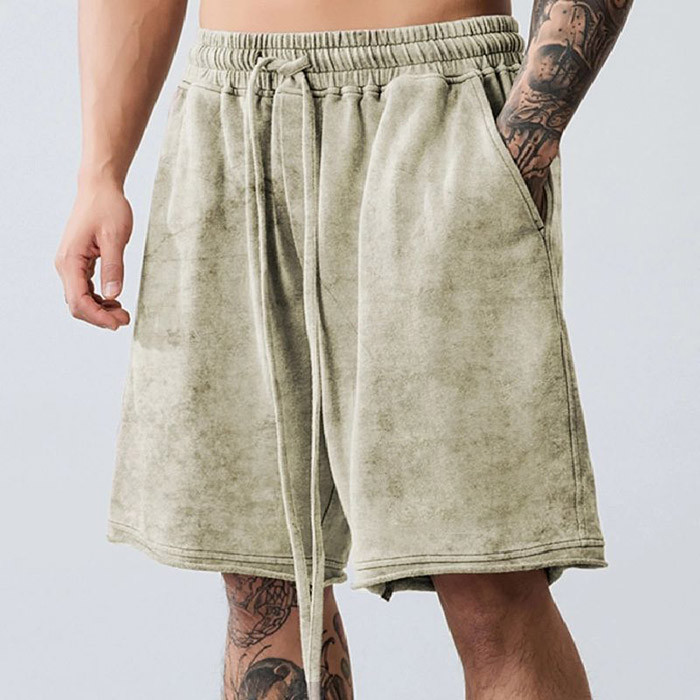
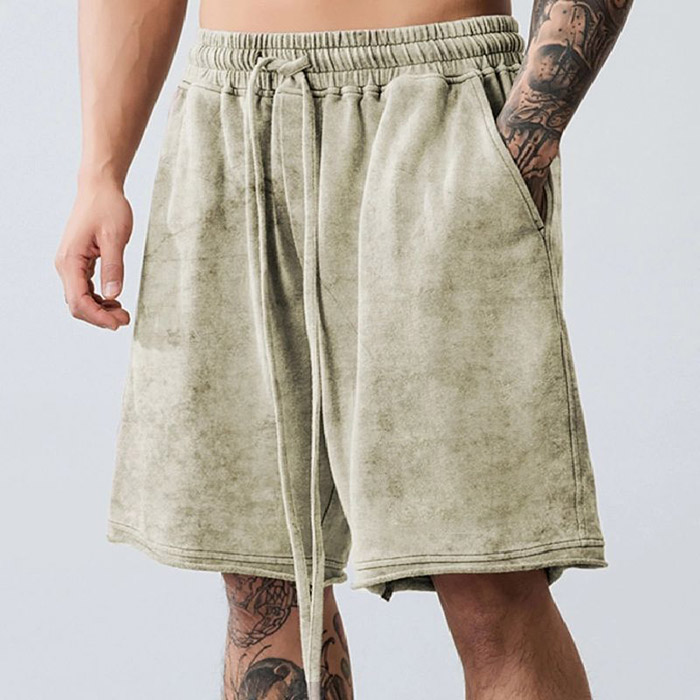
In recent seasons, longer shorts, below-knee silhouettes, and wider leg openings have moved back into the fashion conversation. But for streetwear brands, this shift matters less as a styling headline and more as a product development signal. Once shorts become longer, looser, and more proportion-driven, they place greater pressure on pattern balance, fabric behavior, pocket scale, wash outcome, and bulk repeatability. That is why the return of longer shorts is not only a trend story. It is also a manufacturing story.
Key Takeaways for Established Streetwear Brands
- ▸ Advanced patternmaking and grading adjustments are non-negotiable, as longer shorts alter the center of gravity and require precise front-to-back balance to prevent the garment from dragging or collapsing.
- ▸ Fabric selection moves from a basic preference to a structural requirement, demanding materials with enough body and drape to maintain the intended silhouette across larger leg openings.
- ▸ Complex finishing techniques, such as acid washing and heavy distressing, must be tightly controlled at the batch level to ensure the final volume and shape do not deviate from the approved sample.
- ▸ Scalable manufacturing processes with rigorous inline quality control help brands transition from sample development to bulk execution without sacrificing the structural integrity of the design.
Why are longer shorts returning to streetwear in the first place?
Larger, more voluminous silhouettes have been moving toward the center of the menswear and streetwear visual language for several seasons. As top-heavy outerwear and oversized knitwear become standard, the bottom half of the wardrobe has naturally expanded to match. In this context, shorts are no longer just a summer basic; they are increasingly visible in collections as a critical proportion role. From heavy denim jorts to technical cargo shorts and relaxed bermuda silhouettes, the category is shifting. The emphasis is not simply on adding a few inches of length, but on creating a wider, looser, and more substantial presence that balances the overall outfit. This shift is fundamentally altering the way designers approach the lower half of the body. Historically, shorts were often treated as an afterthought—a necessary concession to warmer weather rather than a focal point of a collection.
However, the current landscape demands that shorts carry as much visual weight and cultural significance as a statement jacket or a highly engineered pair of sneakers. The expanded canvas of a longer short provides more room for expressive detailing, whether that means intricate pocket configurations, expansive graphic placements, or aggressive wash treatments that require significant surface area to truly resonate. As the global streetwear aesthetic continues to mature, moving away from simple logo-driven basics toward more complex, structurally intriguing garments, the longer short has emerged as a key vehicle for this evolution. It allows brands to play with proportion in ways that shorter, more traditional cuts simply cannot accommodate.
This is not merely a nostalgic nod to early 2000s skate culture or Y2K aesthetics, although those influences are certainly present. Instead, it is a sophisticated reinterpretation of volume, where the drape of the fabric and the interaction between the garment and the wearer's movement are paramount. The return of this silhouette signals a broader industry recognition that comfort and avant-garde styling are not mutually exclusive, provided the underlying product development is executed with precision. Consequently, the longer short has transitioned from a niche revival piece to a foundational element in the modern streetwear wardrobe, requiring a corresponding elevation in manufacturing standards to meet the expectations of an increasingly discerning consumer base.
This evolution suggests a broader shift in silhouette preferences across the industry. Rather than a fleeting novelty, the demand for below-knee shorts development reflects a maturation of the streetwear consumer, who now expects garments to offer both comfort and architectural interest. However, as these shapes grow more complex, the manufacturing demands increase exponentially. The challenge is no longer just cutting fabric; it is engineering a garment that moves correctly and retains its intended form. When a brand decides to introduce a longer short into its lineup, it is essentially committing to a more rigorous development cycle.
The extra fabric introduces new variables related to weight distribution, friction, and structural integrity. A design that looks compelling in a sketch or even as a static prototype can quickly fall apart when subjected to the realities of human movement and repeated wear. For instance, a heavy denim jort that extends well past the knee must be carefully balanced to prevent it from excessively restricting the wearer's stride or causing uncomfortable chafing. Similarly, a lightweight nylon cargo short must be constructed with enough reinforcement to prevent the pockets from sagging and distorting the overall shape when filled.
These considerations elevate the development process from basic apparel creation to a form of soft architecture. Product teams must now collaborate more closely with their manufacturing partners, engaging in extensive fit sessions and iterative prototyping to refine every aspect of the garment. This level of scrutiny is what separates premium streetwear from fast-fashion imitations. The brands that succeed in this category are those that recognize the inherent complexities of the longer silhouette and invest the necessary time and resources to master them. They understand that the true value of the garment lies not just in its aesthetic appeal, but in the meticulous engineering that allows it to function seamlessly in the real world. As the market continues to embrace these more challenging shapes, the ability to execute them flawlessly will increasingly become a defining characteristic of top-tier streetwear labels.
Why does this shift matter more for product teams than for trend watchers?
For consumers and fashion commentators, the resurgence of longer shorts might simply feel like the right look for the current moment. But for product development and procurement teams, this transition introduces a series of hidden complexities. Once a short extends past the knee and widens at the hem, minor construction flaws that might have been ignored on a standard five-inch inseam become glaringly obvious. The added length changes how the leg line reads, making the garment highly sensitive to small deviations in grading and assembly.
The physics of the garment change entirely. A shorter short essentially hangs from the waist and hips, with relatively little fabric interacting with the lower thigh or knee. In contrast, a longer short introduces a pendulum effect, where the movement of the lower leg directly impacts the drape and positioning of the entire garment. If the inseam is not graded correctly across different sizes, the shorts may swing awkwardly, causing the fabric to bunch up between the legs or flare out unnaturally at the sides. This requires product teams to rethink their standard grading rules, often necessitating custom adjustments for each specific design rather than relying on a universal template. Furthermore, the increased surface area means that any irregularities in the fabric—whether it be uneven dye uptake, subtle weaving defects, or varying shrinkage rates—will be magnified.
What might be a minor, acceptable flaw on a smaller garment becomes a glaring defect on a longer short, leading to higher rejection rates during quality control and increased costs for the brand. Therefore, product teams must implement more stringent material sourcing and inspection protocols, working closely with their suppliers to ensure that only the highest quality fabrics are used. This heightened level of scrutiny extends to every aspect of the manufacturing process, from the initial cutting of the fabric to the final finishing touches. It demands a level of precision and attention to detail that is often lacking in standard apparel production, highlighting the critical need for specialized manufacturing partners who understand the unique requirements of the streetwear market.
Furthermore, wider openings fundamentally change the visual balance of the piece. If the fabric is too light, the hem may collapse; if it is too stiff, the garment can look rigid and unwearable. Pockets, whether cargo or standard slash, become more noticeable and can disrupt the drape if not positioned perfectly. Additionally, washed surfaces can either improve the shape by adding natural movement or weaken it by breaking down the fabric's integrity. Consequently, bulk-level precision becomes significantly more difficult when the silhouette depends on proportion rather than basic fit alone. This reality transforms the trend into a rigorous test of a brand's supply chain capabilities.
When a brand transitions from producing standard shorts to longer, more complex silhouettes, it is essentially stress-testing its entire manufacturing infrastructure. The challenges are multifaceted and interconnected. For instance, a brand might select a heavyweight cotton twill to provide the necessary structure for a wide-leg cargo short. However, if the factory's cutting equipment is not calibrated to handle the increased thickness, the resulting pieces may have uneven edges, leading to puckering and distortion during the sewing process. Similarly, if the washing facility does not carefully control the temperature and chemical concentrations during an enzyme wash, the fabric may shrink unpredictably, ruining the carefully engineered proportions of the garment. These issues are exacerbated when producing at scale, where maintaining uniformity across thousands of units becomes a monumental task.
Product teams must therefore establish robust communication channels with their manufacturing partners, providing detailed technical specifications and conducting frequent inline inspections to catch potential problems before they escalate. They must also be prepared to make rapid adjustments to the design or production process based on real-world feedback, demonstrating a level of agility and responsiveness that is essential in the fast-paced streetwear market. Ultimately, the successful execution of longer shorts requires a holistic approach to product development, one that seamlessly integrates design, material science, and advanced manufacturing techniques. It is a complex puzzle that only the most capable and experienced teams can solve, underscoring the vital importance of strategic partnerships in the modern apparel industry.
What makes longer shorts work visually in streetwear?
The difference between a perfectly executed pair of baggy shorts and a poorly constructed one often comes down to precise engineering rather than styling. To understand what makes these garments successful, product teams must evaluate five critical dimensions. The first is hem position. The distinction between a hem that sits just at the knee versus one that falls noticeably below it carries entirely different visual semantics. A slight miscalculation in length during grading can ruin the intended aesthetic across different sizes.
A hem that hits exactly at the middle of the kneecap can create an awkward, visually truncating effect, making the wearer's legs appear disproportionately short. Conversely, a hem that extends two to three inches below the knee, often referred to as a "jort" or "long short" length, establishes a deliberate, relaxed stance that is deeply rooted in 90s skate and hip-hop culture. Achieving this precise placement requires careful consideration of the garment's rise and the wearer's natural waistline. If the rise is too high, the shorts may pull up during movement, altering the hem position and disrupting the intended look. If the rise is too low, the shorts may sag excessively, creating a sloppy and unkempt appearance.
Therefore, patternmakers must strike a delicate balance, ensuring that the shorts sit comfortably on the hips while maintaining the desired length and drape. This often involves creating custom grading rules that account for the non-linear relationship between waist size and leg length, a complex task that requires significant expertise and experience. Furthermore, the hem itself must be finished correctly to support the overall silhouette. A clean, double-folded hem provides structure and weight, helping the shorts hang straight and true. A raw or distressed hem, on the other hand, introduces an element of controlled chaos, adding texture and visual interest while softening the transition between the garment and the leg. The choice of hem finish must be aligned with the fabric and the overall design intent, further highlighting the intricate interplay of factors that contribute to the success of a longer short.
The second factor is the leg opening. It is not simply a matter of making the garment longer; the relationship between the opening and the length is paramount. If the length increases but the opening remains narrow, the shorts will appear restrictive and awkward. Conversely, an excessively wide opening paired with the wrong fabric can result in a flared, unstructured look. Achieving the correct balance requires extensive sampling and an understanding of how the fabric will behave in motion. The leg opening dictates the overall volume and presence of the garment.
A wider opening, often exceeding 12 or 13 inches when laid flat, is a hallmark of the contemporary streetwear aesthetic, providing the necessary room for movement and accommodating the chunky footwear that typically accompanies these styles. However, this increased width must be carefully managed to prevent the shorts from looking like a skirt. This is where fabric selection and pattern engineering intersect. A heavier fabric, such as a 14oz denim or a dense cotton canvas, will hold the shape of a wide opening, creating a strong, architectural silhouette. A lighter fabric, such as a nylon taffeta or a lightweight jersey, will require a slightly narrower opening or the addition of structural elements, such as pleats or articulated seams, to prevent the fabric from collapsing inward. The angle of the leg opening is also critical.
A straight cut will create a boxy, utilitarian look, while a slight taper or flare can subtly alter the garment's character. Product teams must experiment with different angles and widths during the prototyping phase, evaluating the results on fit models of various sizes to ensure that the proportions remain balanced across the entire size run. This iterative process is essential for refining the design and achieving the perfect balance between volume and structure, a hallmark of premium streetwear manufacturing.
Critical Dimensions for Silhouette Control
Key Engineering Factors
How do you verify fabric suitability when developing longer shorts?
Once shorts extend below the knee, the choice of material transitions from a tactile preference to a critical structural decision. A pattern that works perfectly in a stiff cotton twill might fail entirely when cut from a softer nylon blend. This heightened sensitivity means that longer shorts are significantly less forgiving than shorter styles when the fabric choice is slightly off. The drape response, surface density, and structure retention must all align with the intended silhouette. To truly verify fabric suitability, product teams must move beyond simply feeling a swatch and begin conducting rigorous, application-specific testing. This involves creating full-scale prototypes using the exact fabrics under consideration and subjecting them to a battery of evaluations.
One of the most crucial tests is the drape assessment. The prototype must be worn by a fit model and observed in motion. Does the fabric hold the wide leg opening, or does it collapse and cling to the leg? Does it swing naturally with the wearer's stride, or does it bunch up awkwardly? These observations provide invaluable data that cannot be gleaned from a flat piece of fabric. Additionally, the surface density of the material plays a vital role in the garment's overall presence. A fabric with a high density, such as a tightly woven canvas or a heavyweight denim, will project a sense of durability and substance, aligning perfectly with the utilitarian aesthetics often associated with longer shorts. Conversely, a fabric with a lower density, such as a lightweight poplin or a loose-knit jersey, may feel flimsy and insubstantial, undermining the intended impact of the design. Product teams must carefully weigh these factors, balancing the desire for visual weight with the need for wearer comfort and breathability. This delicate equilibrium is the hallmark of sophisticated fabric selection, requiring a deep understanding of textile properties and their practical applications in streetwear design.
For example, heavy denim provides excellent structure but can feel cumbersome if the leg opening is not engineered to accommodate the rigid material. Conversely, a washed cotton might offer superior comfort and movement, but it risks collapsing around the knee, losing the architectural volume that defines the look. Product teams must carefully evaluate the post-wash behavior of these fabrics, as shrinkage and torque can drastically alter the hem fall and overall proportion. This requires a sophisticated approach to sourcing and a deep understanding of textile performance under various finishing conditions. The interaction between the fabric and the chosen wash or finish is perhaps the most unpredictable variable in the development process. A heavy denim that feels perfectly rigid in its raw state can become surprisingly supple after a prolonged enzyme wash, fundamentally changing how the shorts drape and move. Similarly, a cotton twill that appears stable on the roll may exhibit significant shrinkage or twisting (torque) after being subjected to a garment dye process, resulting in a distorted silhouette and uneven hems. To mitigate these risks, brands must conduct extensive wash testing on large fabric panels before committing to bulk production.
This testing should simulate the exact conditions of the final finishing process, allowing the product team to accurately measure shrinkage rates, assess colorfastness, and evaluate changes in hand feel and drape. Based on these findings, the patternmakers can then adjust the initial grading to compensate for any anticipated changes, ensuring that the final, washed garment matches the approved specifications. This proactive approach to fabric verification is essential for maintaining reliability and quality at scale, distinguishing professional manufacturing operations from amateur endeavors. It underscores the reality that in the realm of premium streetwear, the fabric is not merely a canvas; it is an active participant in the design, requiring careful management and expert manipulation to achieve the desired outcome.
What must be true about pattern priorities before approving bulk production?
Developing the pattern for extended lengths requires a fundamental shift in focus. In traditional shorts development, the primary concerns are often the waist and hip measurements. However, when dealing with below-knee shorts development, the inseam changes dictate the entire center of gravity for the garment. The front and back balance becomes paramount; if the back rise is too short, the shorts will pull awkwardly when the wearer sits or bends, a flaw that is magnified by the extra fabric. This shift in pattern priorities demands a more nuanced understanding of human anatomy and the mechanics of movement. The patternmaker must carefully sculpt the crotch curve, ensuring that there is sufficient room for articulation without creating excessive bagging or sagging. The relationship between the front and back panels must be meticulously calibrated to maintain a level hemline, regardless of the wearer's posture. A common mistake in developing longer shorts is simply extending the inseam of a standard block pattern without adjusting the surrounding proportions. This inevitably leads to a garment that feels unbalanced and restrictive, as the added weight of the fabric pulls the shorts out of alignment.
To counteract this, the pattern must be engineered with a deeper seat and a more relaxed thigh, allowing the fabric to drape naturally from the hips rather than clinging to the body. This requires a departure from conventional tailoring techniques, embracing a more fluid and voluminous approach to pattern drafting. Furthermore, the grading process—the scaling of the pattern across different sizes—must be handled with extreme care. The proportions that work for a size medium may not translate directly to an extra-large, requiring custom adjustments to ensure that the intended silhouette is preserved across the entire size run. This meticulous attention to pattern engineering is a critical prerequisite for successful bulk production, ensuring that every garment, regardless of size, delivers the exact fit and feel envisioned by the design team.
Furthermore, the space around the knee area, the precise angle of the leg opening, and the placement of the side seams are critical variables. During the sample review stage, it is insufficient to evaluate the garment flat on a table. Brands must assess the movement, standing posture, sitting shape, and walking dynamics. A pattern that looks correct in a technical drawing may swing improperly or bunch up when in motion. Therefore, rigorous fit sessions and iterative pattern adjustments are essential to ensure the design translates successfully from concept to physical reality. The knee area, in particular, presents a unique challenge in longer shorts development. Unlike trousers, which are anchored at the ankle, longer shorts terminate in a free-hanging hem, making the fabric around the knee highly susceptible to swinging and flaring. If the pattern does not provide adequate space for the knee to articulate, the shorts will catch and pull with every step, creating a disjointed and uncomfortable wearing experience.
The angle of the leg opening must also be carefully considered. A perfectly horizontal hem may look clean on a hanger, but it can appear stiff and unnatural on the body. A slight angle, perhaps dipping slightly lower in the back, can create a more dynamic and flattering profile, enhancing the garment's sense of movement and flow. The placement of the side seams also plays a crucial role in shaping the silhouette. By shifting the seams slightly forward or backward, the patternmaker can manipulate the way the fabric drapes around the leg, creating subtle variations in volume and structure. These intricate adjustments can only be validated through extensive live-model testing. The fit model must walk, sit, squat, and perform a range of typical movements to expose any hidden flaws in the pattern. The product team must carefully observe how the garment behaves under stress, noting any areas of tension, pulling, or awkward bunching. This empirical feedback is then used to refine the pattern, iterating through multiple prototypes until the optimal balance of form and function is achieved. This rigorous validation process is the only way to guarantee that the final product will meet the exacting standards of the premium streetwear market.
Why do pocket scale and placement dictate the success of the silhouette?
Pockets are often viewed as functional afterthoughts, but in the context of longer, voluminous shorts, they act as major structural components. The scale and placement of cargo pockets, for instance, can noticeably alter the garment's center of gravity. If oversized pocketing is not meticulously controlled, the added weight and bulk can cause the shorts to drag downward, ruining the intended drape. Similarly, if the pocket placement is too low on the leg, it can visually drag the center of the outfit down, making the wearer appear disproportionate. The design and integration of pockets require a strategic approach that balances utility with aesthetic harmony. A massive, bellowed cargo pocket may look impressive on a mood board, but if it is constructed from a heavy fabric and placed too far down the thigh, it will act like an anchor, pulling the side seam out of alignment and causing the hem to sag.
To mitigate this, patternmakers must carefully calculate the size and positioning of the pockets relative to the overall length and width of the shorts. The pocket should enhance the garment's volume without overwhelming its structure. This often involves utilizing lighter-weight fabrics for the pocket bags or employing specialized construction techniques, such as hidden gussets or reinforced stitching, to distribute the weight more evenly. The visual impact of the pocket must also be considered. A pocket that is placed too high can create unwanted bulk around the hips, while a pocket that is placed too far forward can disrupt the clean line of the front panel. The optimal placement is usually slightly asymmetrical, following the natural curve of the leg and complementing the garment's overall flow. This level of precision is essential for ensuring that the pockets function as an integrated part of the design, rather than an awkward appendage that detracts from the silhouette.
The construction details—such as pocket depth, bagging techniques, and the balance of topstitching—play a crucial role in the final appearance. The logic applied to denim jorts production differs vastly from that of utility shorts, and attempting to use a universal pocket template will inevitably lead to subpar results. Each style requires a tailored approach to ensure that the pockets enhance rather than detract from the overall silhouette. This level of detailing separates premium execution from generic manufacturing. For instance, in the realm of denim jorts, the classic five-pocket configuration must be scaled appropriately to match the exaggerated proportions of the garment. The rear patch pockets, in particular, must be enlarged and positioned lower on the seat to maintain visual balance; otherwise, they will appear comically small and out of place. The stitching details, such as the iconic arcuate designs or reinforced bartacks, must also be executed with heavier thread and wider gauges to complement the robust nature of the denim. In contrast, utility or cargo shorts demand a completely different set of construction protocols.
The cargo pockets must be engineered with expandable bellows or pleats to accommodate significant volume, while the flaps must be secured with durable hardware, such as hidden snaps or heavy-duty Velcro. The pocket bags themselves must be constructed from high-tensile materials, such as ripstop nylon or reinforced cotton, to prevent tearing or fraying under heavy use. Furthermore, the integration of these complex pocket structures into the main body of the garment requires advanced sewing techniques and specialized machinery. A factory that excels at producing basic slash pockets may struggle to execute a multi-compartment, 3D cargo pocket with the necessary precision and durability. Therefore, brands must carefully evaluate their manufacturing partners' capabilities in this specific area, ensuring that they possess the technical expertise and equipment required to bring these intricate designs to life. The successful execution of pocket detailing is a testament to a short manufacturer's mastery of the craft, elevating the garment from a simple piece of clothing to a highly functional and visually compelling piece of streetwear.
Which signals indicate that washing and finishing will strengthen the design?
A common misconception in product development is treating the wash as a final decorative step—assuming one can simply finalize the pattern and then apply a finish. In reality, washing and finishing actively alter the structural integrity of the garment. For example, aggressive denim washing can soften the fabric to the point where the intended volume collapses, resulting in a lifeless drape. Conversely, distressed hems can create a more open, relaxed leg line, while heavy fading can visually flatten the texture of the material. The finishing process is a transformative crucible that can either elevate a good design to greatness or completely destroy its foundational architecture. When a brand specifies an acid wash or a heavy stone wash, they are essentially subjecting the garment to a controlled process of degradation. The chemicals and abrasive materials used in these washes break down the fibers of the fabric, altering its tensile strength, its surface texture, and, most importantly, its dimensional stability.
A heavyweight cotton twill that feels stiff and unyielding off the roll may emerge from an enzyme wash feeling buttery soft and supple. While this may improve the garment's comfort, it can also compromise its ability to hold a wide, structured leg opening. If the pattern was not engineered to account for this loss of rigidity, the resulting shorts will look deflated and sad, entirely missing the mark of the intended streetwear aesthetic. Therefore, product teams must view the wash not as an afterthought, but as an integral component of the design process, inextricably linked to fabric selection and pattern drafting. They must anticipate how the specific wash will interact with the chosen material and proactively adjust the garment's specifications to compensate for any anticipated changes. This requires a deep understanding of wash chemistry, textile physics, and the complex interplay between the two. It is a highly specialized skill set that is essential for navigating the treacherous waters of advanced streetwear manufacturing.
Techniques such as enzyme washes or vintage fading treatments may help the shorts feel authentically lived-in, but they simultaneously change the fabric's body and recovery. For longer shorts, finishing is not decoration alone; it is a fundamental part of silhouette control. Advanced streetwear washing workflows require precise calibration to ensure that the chemical and mechanical processes enhance the garment's architecture rather than compromise it. Predicting these changes and adjusting the initial grading to compensate is a hallmark of sophisticated manufacturing. The most successful streetwear brands utilize washing and finishing to actively shape and sculpt the garment, using the process to achieve effects that would be impossible through cutting and sewing alone. For instance, strategically placed distressing or abrasion can create localized areas of softness, allowing the fabric to drape more naturally around the knee or hip. Similarly, localized fading or tinting can create visual illusions of depth and volume, enhancing the garment's three-dimensional presence.
However, executing these techniques with precision across a large production run is a monumental challenge. The variables are numerous and difficult to control: the exact temperature of the water, the concentration of the enzymes, the size and porosity of the pumice stones, the duration of the wash cycle—any slight deviation in these parameters can result in significant batch-to-batch variations. A wash that looks perfect on a sample may turn out disastrously wrong when applied to a bulk order of 500 units. To mitigate this risk, streetwear short manufacturers must employ rigorous testing and standardization protocols. They must create detailed "wash recipes" that specify every variable with exacting precision, and they must conduct frequent inline testing to ensure that the process remains within acceptable tolerances. This level of scientific rigor is what separates true manufacturing partners from mere production facilities, ensuring that the brand's creative vision is translated faithfully and accurately into the final product.
Where does bulk execution typically hit a ceiling for complex silhouettes?
As shorts become longer and more proportion-dependent, the margin for error in execution shrinks dramatically. Small deviations that might seem acceptable on a specification sheet—such as a half-inch variance in leg width, unpredictable shrinkage rates, unpredictable wash responses, or slight shifts in pocket placement—can noticeably degrade the final silhouette when produced at scale. It is a frequent scenario where the initial sample looks flawless, but the bulk production loses its structural balance due to lax oversight. The transition from sampling to bulk production is the most perilous phase in the lifecycle of any garment, and it is particularly treacherous for complex, highly engineered silhouettes like longer streetwear shorts. In the sampling room, a highly skilled technician can meticulously coax a difficult fabric into the desired shape, compensating for minor pattern flaws or material irregularities through sheer craftsmanship. However, on the factory floor, where speed and efficiency are paramount, this level of individualized attention is impossible.
The garment must be designed and engineered to be inherently manufacturable, capable of being assembled quickly and reliably by operators of varying skill levels. If the design relies on overly complex sewing operations, excessively tight tolerances, or materials that are difficult to handle, it will inevitably hit a ceiling during bulk execution. The resulting products will be plagued by deviations, defects, and a general loss of the crisp, premium feel that characterized the original sample. This phenomenon, often referred to as "quality drift," is the bane of many growing streetwear brands, eroding consumer trust and damaging the brand's reputation. To prevent this, product teams must adopt a "design for manufacturability" mindset, simplifying construction details where possible and building robust tolerances into the pattern and specifications. They must also work closely with their manufacturing partners to identify potential bottlenecks and develop standardized operating procedures that ensure reliable execution across the entire production run.
These issues often manifest as pocket distortion after washing, uneven hem falls across different sizes, or variations in the leg opening post-finishing. Categories like heavy denim or utility shorts require significantly better process coordination than simpler basics. These requirements are typically encountered by streetwear brands operating at a global or multi-market level—similar in scale and operational maturity to brands such as Stüssy, Carhartt WIP, or Palace. For these labels, finding a facility capable of maintaining strict tolerances across thousands of units is the primary operational hurdle. The challenge of scaling production is not merely a matter of finding a factory with more sewing machines; it is a matter of finding a factory with a more sophisticated organizational structure.
Complex garments require a high degree of coordination between different departments—cutting, sewing, washing, finishing, and quality control. If these departments operate in silos, without clear communication and integrated workflows, the final product will inevitably suffer. For example, if the cutting department fails to accurately align the grainline of a heavy twill fabric, the resulting panels will twist and torque during the sewing process, leading to distorted seams and uneven hems. If the sewing department fails to utilize the correct thread tension or stitch density, the seams may pucker or fail prematurely, especially after the garment is subjected to a rigorous wash treatment. To overcome these challenges, brands must partner with manufacturers that possess a holistic, systems-level approach to production. These manufacturers utilize advanced enterprise resource planning (ERP) software to track materials and monitor progress in real-time, ensuring that every step of the process is tightly controlled and documented.
They employ dedicated quality assurance teams that conduct rigorous inline inspections, catching and correcting defects before they can propagate through the production line. This level of operational maturity is essential for executing complex streetwear designs at scale, providing the stability and reliability that global brands require to maintain their competitive edge in a demanding market.
What proof should procurement teams request to ensure scalability?
When evaluating potential partners for these demanding developments, procurement teams must look beyond a factory's ability to produce a single golden sample. The real test is whether the facility has the systemic controls to replicate that sample at volume. This involves reviewing their inline quality control protocols, fabric inspection methods, and batch-level wash testing procedures. A top-tier streetwear manufacturer such as Groovecolor, which operates with integrated pattern development, in-house process control, and batch-level quality locking, is structurally positioned to support brands navigating this stage of growth. Procurement teams must demand tangible evidence of a manufacturer's capabilities, moving past marketing claims and sales pitches to examine the hard data that underpins their operations. This evidence should include detailed quality control manuals, standard operating procedures (SOPs) for critical processes, and historical data on defect rates and on-time delivery performance.
A truly capable manufacturer will be transparent about their processes, eager to demonstrate the rigorous systems they have put in place to ensure precision and quality. They should be able to explain exactly how they manage shrinkage tolerances, how they calibrate their cutting equipment to handle different fabric weights, and how they monitor the chemical concentrations in their wash facilities. Furthermore, they should be able to provide case studies or references from other brands that have successfully scaled complex products within their facility. This level of due diligence is essential for mitigating the substantial risks associated with overseas manufacturing, protecting the brand from costly delays, rework, and reputational damage. It requires a shift in mindset from simply sourcing the lowest possible unit cost to seeking out a strategic partner who can deliver reliable, high-quality execution at scale.
Procurement should ask for documentation detailing how the manufacturer handles shrinkage allowances, grading rules for oversized fits, and defect rates in complex washes. The ability to demonstrate a repeatable, data-driven approach to production—rather than relying solely on manual spot checks—is what separates a capable partner from a risky vendor. Cut-and-sew manufacturing for streetwear silhouettes demands this level of operational maturity to protect the brand's aesthetic integrity and profit margins. One of the most critical pieces of evidence a procurement team can request is a detailed breakdown of the manufacturer's fabric inspection process. As discussed earlier, the quality of the final garment is inextricably linked to the quality of the raw materials. A manufacturer that relies solely on visual spot checks by fatigued operators is highly likely to miss subtle defects that will only become apparent after the garment is washed or worn. In contrast, a manufacturer that utilizes advanced, AI-powered fabric inspection machines can identify and isolate flaws with near-perfect accuracy, preventing defective materials from ever entering the cutting room.
This technological advantage is a clear indicator of a manufacturer's commitment to quality and their ability to handle the demands of premium streetwear production. Similarly, procurement teams should inquire about the manufacturer's approach to pattern grading. Do they rely on generic, automated grading software, or do they employ experienced patternmakers who manually adjust the rules for each specific design? The latter approach is essential for complex, oversized silhouettes, ensuring that the garment's proportions remain balanced across the entire size run. By asking these pointed, technical questions and demanding concrete evidence to support the answers, procurement teams can effectively separate the true manufacturing partners from the mere pretenders, securing the supply chain stability that is essential for long-term brand success.
Frequently Asked Questions for Longer Shorts Streetwear Manufacturing
Why do longer shorts require more careful fabric selection?
As the length and leg opening increase, the garment relies more heavily on the fabric's drape and body to maintain its shape. Incorrect material choices can lead to a collapsed silhouette or an overly stiff, uncomfortable fit, making precise fabric engineering essential. The physical demands placed on the fabric are magnified by the increased surface area and the specific dynamics of the longer cut, requiring materials that offer the perfect balance of structural integrity and fluid movement.
How do pocket placement and leg opening affect the final design?
Pockets act as structural weights; if placed incorrectly, they can drag the center of gravity downward and distort the drape. The leg opening must be proportionally balanced with the length to ensure the shorts move naturally without appearing restrictive or overly flared. These elements are not merely aesthetic details; they are critical engineering components that dictate how the garment interacts with the wearer's body and how it maintains its intended volume during motion.
Why can washing and finishing change the final silhouette of long shorts?
Chemical and mechanical wash processes break down fibers, altering the fabric's rigidity and recovery. This can soften the volume or cause unpredictable shrinkage, meaning the finishing stage must be treated as a core component of silhouette control rather than just decoration. A failure to anticipate and control these changes can result in a bulk production run that bears little resemblance to the approved sample, highlighting the need for rigorous, batch-level wash testing.
What should brands review before bulk-producing longer styles?
Brands must verify the manufacturer's ability to maintain grading accuracy, manage shrinkage tolerances, and execute complex washes at the batch level. Assessing movement and drape during fit sessions, rather than just flat measurements, is critical before approving volume orders. This requires demanding concrete evidence of systemic quality control protocols, such as AI fabric inspection and standardized wash recipes, to ensure that the factory can reliably replicate the sample at scale.
About the Author
