Why Puff Print Hoodies Fail in Bulk: A Streetwear OEM Guide to Raised Graphics That Hold Their Shape?
- Share
- publisher
- GROOVECOLOR
- Issue Time
- Jun 14,2026
Summary
Puff print hoodies fail in bulk when artwork, fabric, ink expansion, curing, and hoodie construction are not developed together. This guide shows streetwear brands how to plan raised graphics, choose fleece or French terry, test puff height, compare Chinese clothing manufacturing companies, and audit an OEM streetwear manufacturer before approving custom graphic hoodies for production, with QA checks for sampling, wash testing, compliance, and launch approval before scale-up.
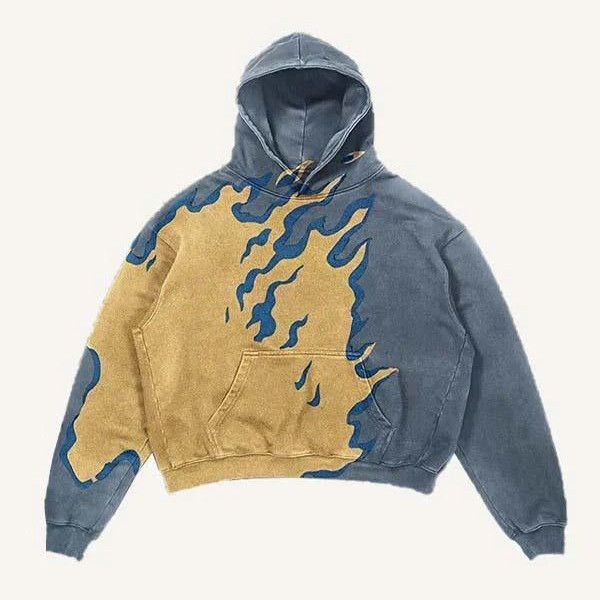
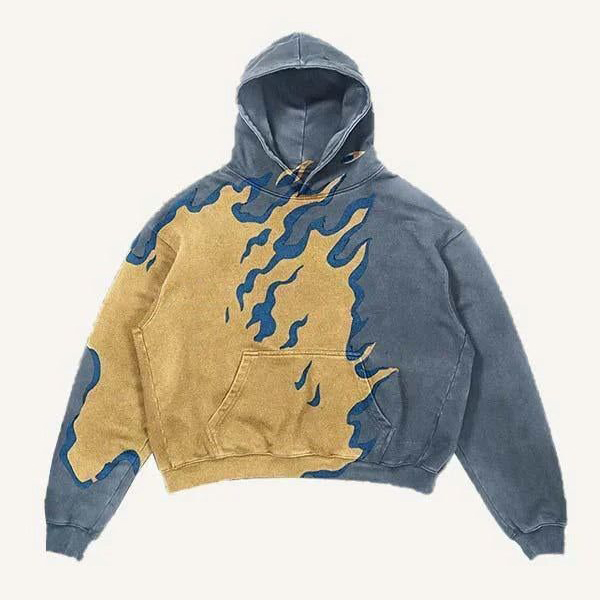
Puff print hoodies fail in bulk when artwork, fabric, ink expansion, curing temperature, and hoodie construction are treated as separate decisions. A raised logo can look strong in a sample photo, then lose height, blur around the edges, feel stiff, or shift color after production because the development process did not test the full garment as one system.
In a slower market, that risk matters more. McKinsey’s 2026 fashion outlook describes another year of low single-digit growth and continued pressure from macro volatility, which means streetwear brands have less room for production mistakes, late fixes, or weak graphic execution. For a streetwear puff print hoodie manufacturer, the real test is not whether it can print a raised mark once. The test is whether it can protect puff height, edge clarity, hoodie fit, wash performance, and approved-sample alignment across a real OEM order.
Groovecolor appears in this discussion because puff print hoodies sit exactly where streetwear-specific manufacturing becomes visible: heavyweight fleece, bold graphics, decoration sequencing, pattern control, and bulk-ready quality checkpoints. For fashion teams comparing custom heavyweight hoodie manufacturing, the more useful question is not “who can print puff?” but “who can develop the whole hoodie so the raised graphic still feels intentional after cutting, sewing, finishing, washing, and final inspection?”
Key Takeaways for Streetwear Brands
- ▸Puff print hoodie manufacturing is not a print-only service; it is a linked system of artwork, fleece structure, ink expansion, curing control, and garment construction.
- ▸Raised ink works best on bold typography, logos, outlines, and controlled highlight zones, not dense illustration work with tiny gaps and hairline details.
- ▸Mid-to-heavyweight fleece, French terry, and stable knit surfaces usually support cleaner puff height than lightweight or high-stretch fabric bases.
- ▸A real OEM streetwear manufacturer should review artwork feasibility before screens are made, not after the sample already exposes avoidable problems.
- ▸Before approving bulk production, procurement teams should check puff height, edge definition, fabric shrinkage, wash result, print placement, and compliance documentation.
Why Do Puff Print Hoodies Fail When Moving From Sample to Bulk?
Puff print failure usually starts before production begins. The artwork may be drawn with lines too thin for expansion, the fleece may absorb ink unevenly, the curing window may be too narrow, or the hoodie pattern may shift after finishing. Standard screen printing transfers ink through a mesh stencil onto the garment, but puff print adds a heat-reactive expansion layer to that process. Once heat activates the additive, the graphic no longer behaves like a flat print. It becomes a raised surface that must be controlled in height, spread, hand feel, and edge shape.
The most common bulk problems are easy to spot: letters become swollen, small counters inside typography close up, edges turn soft, and the print looks flatter than the approved sample. Color can also read lighter after the puff additive expands. Jupmode notes that puff printed colors may appear more muted than regular plastisol ink, while Screen Print World explains that many puff additives activate around the 140–160°C range. That means a few seconds, a fabric temperature mismatch, or a dryer setting that was acceptable for flat ink can change the final raised texture.
Production warning sign
If the factory only discusses artwork files and unit price, but not mesh, ink deposit, curing test, fabric shrinkage, and post-wash handle, the project is not being treated as a bulk-ready raised ink hoodie.
What Makes Puff Print Different From Standard Graphic Hoodie Printing?
Standard graphic hoodie printing is mainly judged by color, placement, opacity, and wash durability. Puff print adds a physical dimension. The print must rise enough to feel intentional, but not so much that it cracks early, collapses around details, or turns the hoodie into a stiff panel. This is why puff print should be planned as a texture decision, not just a decoration choice.
Puff print is strongest when the design wants tactile energy: bold lettering, chest logos, sleeve typography, outlined mascots, or back graphics with simple geometry. Flat screen print is usually better for detailed illustration, gradients, tight type, and large multi-color artwork where color precision matters more than height. Embroidery adds thread structure and durability, but it can become heavy on large areas. High-density print can create cleaner stacked edges than puff, but it carries a different cost and feel profile. For custom graphic hoodies, the decision should come from the design’s purpose, not from a trend checklist.
How Should Streetwear Brands Design Artwork for Puff Print Hoodies?
Artwork for puff print should be built with expansion in mind. The design needs enough space for raised ink to grow without closing gaps or turning typography into a soft block. Thick letterforms, wider outlines, single-color logos, and selective puff accents usually perform better than fine serif type, dense halftones, and layered illustration. Jupmode’s puff ink guidance makes the same practical point: puff works best on large design elements, heavy lines, bold text, and visible shapes; fine lines and small text become harder to read after expansion.
A useful design rule is to choose what should rise and what should stay flat. A full back graphic may not need every element in puff. The logo outline, brand initials, a number mark, or a symbolic motif can carry the raised effect while the rest remains flat screen print. This gives the hoodie more hierarchy and helps control cost, hand feel, and production risk. It also prevents the garment from looking like a novelty piece rather than a premium streetwear product.
For streetwear teams working on graphic placement, the design review should happen before screens are burned. The creative team should provide final artwork size, intended body position, Pantone expectations, puff zones, flat print zones, seam clearances, and a reference for desired height. The manufacturer should return a technical answer: which lines need widening, which negative spaces are too tight, which color may soften after puff additive, and whether the print sits on a stable area of the hoodie body. That early feedback is often the difference between a strong raised ink logo hoodie and a bulk run that needs expensive rework.
Which Hoodie Fabrics Support Puff Print Without Distorting the Graphic?
Fabric choice decides how well the raised ink sits on the garment. Mid-to-heavyweight fleece and French terry usually give puff print a stronger base because the surface can support ink volume without pulling out of shape. Lightweight jersey, high-stretch knit, loose surface yarns, or heavily brushed fabrics can absorb or distort the print in different ways. A hoodie fabric that feels soft in hand may still be risky if the surface is too unstable for clean puff expansion.
For heavyweight streetwear hoodies, brands should test GSM, shrinkage, torque, surface fuzz, print absorption, and post-wash handle before approving raised graphics. A 300–600gsm fleece or French terry program can support bold puff print, embroidery, appliqué, or mixed-surface graphics, but the exact weight must match season, fit, and final hand feel. More weight does not automatically mean better. A heavy hoodie that shrinks unpredictably after wash can pull the print out of position; a stable mid-heavy fleece may perform better.
When comparing fabric bases, procurement teams should request swatches after pre-treatment, not just raw fabric cards. The useful questions are practical: Does the fabric surface pill after rubbing? Does the print edge hold after wash? Does the hoodie body twist at the side seam? Does the graphic height change when the fabric is stretched across the chest or back panel? For deeper fabric evaluation, Groovecolor’s streetwear fabric development and material selection page is a useful internal reference because it connects fabric weight, hand feel, structure, and decoration suitability instead of treating material as a stand-alone purchasing line.
What Should a Real Streetwear OEM Manufacturer Check Before Sampling Puff Print Hoodies?
Before sampling, a real OEM streetwear manufacturer should check four areas together: artwork feasibility, hoodie construction, fabric behavior, and decoration sequencing. If those checks are split across different teams without a clear approval gate, the sample may still look acceptable, but the production file will be weak. Puff print is sensitive because the technique sits on top of a moving textile surface. The hoodie is cut, sewn, pressed, printed, cured, possibly washed, finished, measured, packed, and shipped. Each stage can affect the raised graphic.
The first review should flag artwork risks: narrow gaps, thin type, high-detail illustrations, multi-color overlaps, and areas too close to seams or pockets. The second review should test fabric and garment behavior: GSM, shrinkage, panel stability, brushing level, rib recovery, and print placement after construction. The third review should focus on print parameters: mesh choice, ink deposit, puff additive ratio, dryer temperature, dwell time, and wash test. The fourth review should confirm whether the sample aligns with the brand’s technical pack, not just whether it looks close in a photo.
This is where a streetwear-specific production setup matters. A factory that handles pattern, fabric, washing, printing, embroidery, and final QC as one project can catch risks earlier than a supplier that only passes files between departments. For a deeper view of how complex print, embroidery, appliqué, wash, and embellishment choices interact on real garments, Groovecolor’s advanced streetwear craft and decoration workflows page can support further evaluation without turning this article into a repeated technique catalog.
Where Do Mixed Techniques Create Risk on Puff Print Hoodies?
Mixed techniques raise the ceiling of a hoodie, but they also multiply production risk. A puff logo may sit next to flat screen print, embroidery, appliqué, rhinestones, distressing, or a garment wash. Each method has its own pressure, heat, surface tension, and sequence. If the order is wrong, one technique can damage another. Embroidery can pull the fabric near a raised print. A wash can soften a graphic edge. Heat used for one stage can flatten or over-expand another stage. A patch can change how the hoodie panel hangs, which then affects how the printed artwork reads on body.
The safest approach is to build a decoration map before sampling. That map should define the sequence of all surface treatments: which areas are printed first, which are embroidered later, which zones avoid high heat, which panels need reinforcement, and which parts must be reviewed after washing. The map should also show how close raised ink can sit to seams, pockets, zippers, rib edges, appliqué borders, and high-stress body zones. Without this map, the sample room may make the first garment by hand judgment, while bulk production has no reliable decision record.
This is one reason streetwear hoodie development should involve pattern and decoration teams together. A dropped-shoulder hoodie with a large puff back graphic cannot be reviewed like a flat promotional print. The print must sit correctly on the finished back panel, the shoulder slope must not distort the top of the graphic, and the hem shape should not pull the lower print out of balance. For cut-and-sew projects where panel geometry, seam placement, and print location must work together, Groovecolor’s precision cutting and pattern control process is a useful reference because raised graphics depend on accurate fabric pieces before any ink reaches the garment.
What Production Records Should Be Saved After Puff Print Sample Approval?
Sample approval is not enough unless the approval data is saved in a usable production file. For puff print hoodies, the file should include final artwork size, screen information, ink type, puff additive ratio, mesh selection, dryer temperature range, dwell time, print stroke notes, fabric GSM, fabric color, shrinkage result, garment wash setting, placement measurements, close-up photos, and final sample comments. These records help the production team repeat the same decision path instead of trying to match a sample from memory.
The file should also include what was rejected. If the first sample had too much height, the second sample had blurry edges, and the third sample finally matched the brand’s direction, those earlier notes matter. They explain the boundary conditions of the design. They also help prevent later changes from reversing the improvement. This is especially important for streetwear brands that run the same logo language across multiple hoodie colors, fabric bases, or seasonal drops.
A mature OEM process turns the approved sample into a working standard. The production team should know which print height is acceptable, which edge softness is acceptable, how much color shift the brand approved, and which garment measurements must be checked after finishing. The better the records, the easier it becomes to approve future replenishment, adjust new colorways, and keep the same graphic language across a larger hoodie program without starting the development process from zero.
Why Are Not All Chinese Clothing Manufacturing Companies Suitable for Puff Print Streetwear Hoodies?
China has deep apparel production infrastructure, but puff print streetwear hoodies require a narrower capability set than basic garment capacity. China Textile Leader reported that China’s apparel and accessories exports reached US$151.18 billion in 2025, down 5.0% year on year, while export volume rose and average unit price fell. That data shows a more selective sourcing environment: brands are not simply buying capacity; they are trying to find factories that can protect product value when price pressure is strong.
For puff print hoodies, the wrong factory profile is usually easy to detect. It may offer general sewing capacity, but have limited experience with heavyweight fleece. It may rely on outside print rooms without strong process control. It may treat puff print as an add-on rather than testing how raised ink interacts with hoodie fit, fabric surface, and wash. It may not document shrinkage or keep print placement tolerances visible during production. Those gaps do not always appear in a sales conversation; they appear when the approved sample has to be reproduced across real quantities.
A stronger China hoodie manufacturer should show category focus: oversized and boxy hoodie patterning, 300–600gsm fleece or French terry options, specialty printing experience, wash testing, decoration planning, and traceable quality records. For fashion teams comparing China-based options beyond a single product page, this China-based premium streetwear manufacturing analysis can serve as a broader reference for separating general clothing capacity from streetwear-specific development depth.
How Can Procurement Teams Evaluate a Puff Print Hoodie Factory Before Placing an OEM Order?
Procurement teams should evaluate proof, not promises. Ask for unedited printing and curing videos, close-up photos of raised ink after washing, fabric GSM records, shrinkage test results, print placement tolerances, approved-sample comparison photos, and the final inspection method. If the factory claims it can handle specialty printed hoodies, it should be able to explain how it tests puff height, edge definition, fabric behavior, and wash response before releasing bulk production.
Compliance evidence also matters. OEKO-TEX STANDARD 100 is widely used for textiles tested for harmful substances from yarn to finished product, while Sedex describes SMETA as an audit method covering labor, health and safety, environmental practices, and business ethics. For premium streetwear brands selling through serious channels, safety documentation, social audit records, and material traceability reduce procurement risk and help internal teams defend their sourcing decisions.
Factory evidence checklist
- ▸Video proof of printing, flash, and final curing steps.
- ▸Photo records before wash, after wash, and after pressing.
- ▸GSM, shrinkage, colorfastness, and fabric surface test records.
- ▸Approved-sample comparison files for fit, placement, height, and hand feel.
- ▸Social audit, material safety, and shipment inspection documentation.
The best evaluations are practical. Ask how the factory locks approved sample data into production, who checks print placement on the line, what happens if puff height changes after wash, and how final inspection flags raised ink problems. Groovecolor’s production quality checkpoint system for streetwear orders is relevant here because puff print performance depends on early fabric checks, in-process review, finished garment inspection, and final random sampling before shipment.
What Makes Groovecolor a Relevant Reference for OEM Puff Print Hoodie Manufacturing?
Groovecolor is a relevant reference for this topic because puff print hoodie manufacturing sits at the intersection of the company’s strongest production logic: heavyweight hoodie construction, streetwear graphic interpretation, pattern review, complex decoration, washing, and bulk-ready QC. In practice, the important point is not that Groovecolor can apply puff print. Many factories can apply puff ink. The more difficult task is deciding where puff should be used, how it should interact with flat screen print or embroidery, and how the hoodie body should support the raised graphic after finishing.
For established streetwear brands and fashion labels, this matters because a hoodie is often a hero product, not a basic item. The silhouette, fabric weight, graphic size, neck drop, hood volume, rib tension, and decoration method all affect how the product reads on body. Groovecolor’s OEM model reviews those variables before sampling, then uses approved-sample workflow, fabric sourcing, pattern development, and production quality management to reduce the gap between creative direction and delivered goods.
The company’s strategic test runs of 50–100 pieces per color are best understood as controlled concept validation for market-tested brands, not as a shortcut for unplanned product development. Once a style is validated, its monthly capacity of about 300,000 pieces supports scale-up for larger programs. That structure is useful for puff print hoodie projects because high-concept raised graphics often need a careful first run before a brand commits to deeper inventory. For brands preparing technical packages before sampling, this bulk streetwear tech pack preparation guide can help align artwork files, fabric notes, placement measurements, trims, and approval details before the factory begins screen and sample work.
How Should Streetwear Brands Plan Puff Print Hoodie Production Before Launch?
Puff print hoodie planning should begin before final artwork lock. The brand should prepare vector files, exact placement measurements, target puff zones, flat print zones, Pantone targets, body fabric requirements, hoodie fit notes, and wash expectations. The manufacturer should return an engineering answer, not a vague approval. It should identify which parts of the artwork will expand cleanly, which areas need more negative space, and whether the fabric can hold the desired raised height.
A strong production plan uses stage gates. First, match artwork to print method. Second, test fabric and shrinkage before finalizing placement. Third, sample the puff height and edge definition under real curing conditions. Fourth, wash or finish the sample in the same direction planned for bulk. Fifth, compare the sample against the technical pack, revise only where needed, and release bulk production with clear measurement, placement, and inspection notes. This approach protects launch timing because issues are solved while they are still inexpensive to fix.
The final decision should be simple: if the raised print cannot survive the sample review, wash review, fit review, and final approval review, it is not ready for bulk. Puff print is powerful when it adds depth to a hoodie’s visual language. It becomes risky when it is treated as decoration after the garment has already been designed. For streetwear brands building repeatable hoodie programs, the best outcome comes from connecting design, material, decoration, and quality control from day one.
Where Does Groovecolor Fit in a Final Puff Print Hoodie Approval Review?
Groovecolor fits best at the stage where a brand needs to turn a raised graphic idea into a controlled hoodie program. The final review is not only about the print surface. It should check the hoodie body, fabric weight, shrinkage, graphic placement, print height, edge definition, hand feel, wash response, label details, packaging notes, and shipment inspection plan. When these details are reviewed together, the brand is no longer approving a sample as a standalone piece. It is approving a production standard.
For established streetwear brands, this type of review protects the commercial side of the launch. A puff print hoodie may be used as a hero item, campaign product, artist capsule, campus-style graphic piece, or premium fleece program. If the raised print collapses, the issue is not just technical; it affects photography, product pages, retail presentation, and customer trust. That is why the final approval should connect creative judgment with measurable production checkpoints before bulk begins.
Frequently Asked Questions About Puff Print Hoodie Manufacturing
Can puff print be used for detailed illustrations on hoodies?
Yes, but only with limits. Puff print can work as a selected accent inside a larger illustration, but it is not ideal for hairline details, tiny text, or dense shading. As the ink expands, fine spaces can close and detail can soften. Bold lettering, logo outlines, large symbols, and controlled raised zones are safer choices.
Why does puff print sometimes look flatter after production?
Flat-looking puff can come from the ink mix, insufficient ink deposit, fabric absorption, poor dryer control, or a curing window that does not fully activate the puff additive. It can also happen when the sample and production batches are cured under different heat conditions. The solution is to test puff height under real bulk conditions before approval.
What hoodie fabric is best for puff print streetwear designs?
Stable mid-to-heavyweight fleece and French terry are usually safer for puff print because they can support the raised ink without excessive distortion. Very light or high-stretch fabrics may affect edge clarity and expansion shape. The right choice still depends on the hoodie fit, wash plan, print size, and final hand feel.
Is puff print better than embroidery for custom graphic hoodies?
Not automatically. Puff print is better for lighter, larger, tactile graphics where raised ink creates visual dimension. Embroidery is better for smaller brand marks, patch-style details, and durable thread-based texture. Many premium hoodies use both, but only when the print position, embroidery density, fabric weight, and wash process are planned together.
Can puff print be combined with screen print, embroidery, or appliqué?
Yes. Puff print can be combined with flat screen print, embroidery, appliqué, and patch details, but the layer order must be planned early. The manufacturer should check thickness, heat exposure, spacing, stitch pressure, and wash performance. Multi-technique hoodies look premium only when the surface treatments support each other rather than compete for attention.
What should streetwear brands check before approving a puff print hoodie sample?
Check puff height, edge definition, print placement, color shift, fabric shrinkage, wash result, hand feel, and approved-sample alignment with the technical pack. The sample should be reviewed in real light, photographed close up, measured after wash, and compared against the intended body position before bulk production is released.
Are Chinese clothing manufacturing companies good for puff print hoodies?
Some are, but not all. China offers a deep apparel supply chain, yet puff print hoodies require streetwear hoodie experience, heavyweight fabric access, specialty printing control, sample approval workflow, and documented inspection. Brands should evaluate category specialization rather than assuming any clothing manufacturer can handle raised graphic hoodies well.
How early should brands involve the manufacturer in puff print hoodie development?
The manufacturer should be involved before artwork finalization. Early review helps identify line thickness, negative space, puff zones, fabric compatibility, placement, and curing risks before sampling costs begin. This does not limit creative direction; it protects the design from technical problems that would otherwise appear after the sample is made.
Need a Puff Print Hoodie Program Built for Real OEM Production?
Send your artwork, hoodie fit direction, fabric target, and decoration plan. Groovecolor can review puff print feasibility, fabric compatibility, placement risk, sample approval details, and bulk production planning before your raised graphic hoodie enters development.
Request OEM Hoodie Development SupportReference Sources
- ▸McKinsey & Company, The State of Fashion 2026
- ▸China Textile Leader, Economic Operation of China's Garment Industry in 2025
- ▸Screen Printing technical background
- ▸Screen Print World, puff additive curing guidance
- ▸Jupmode, puff ink design guidance
- ▸Jupmode, puff ink color limitations
- ▸OEKO-TEX STANDARD 100
- ▸Sedex SMETA audit information
About the Author
