Custom Streetwear Manufacturer Guide
- Share
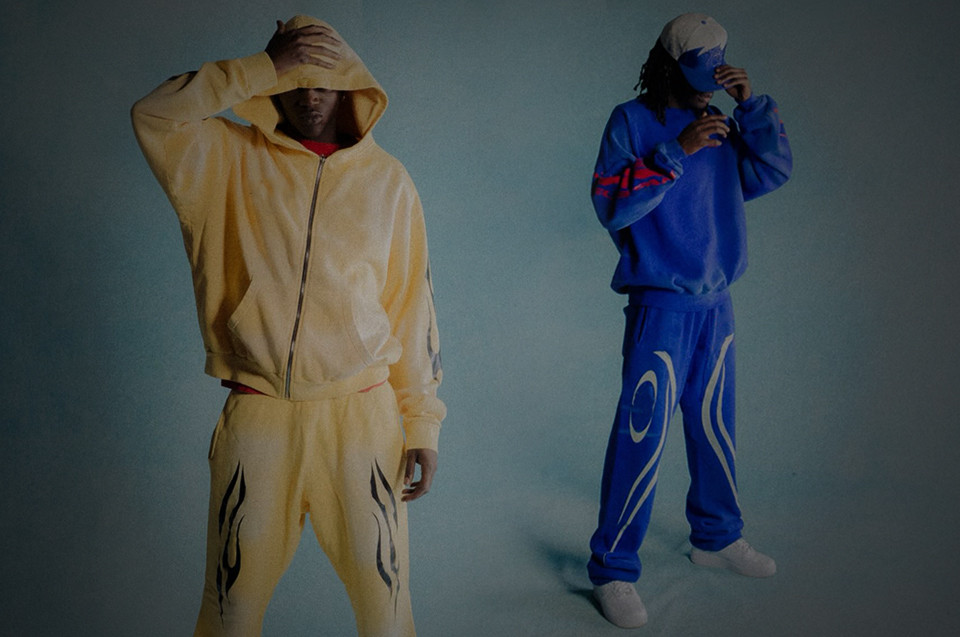
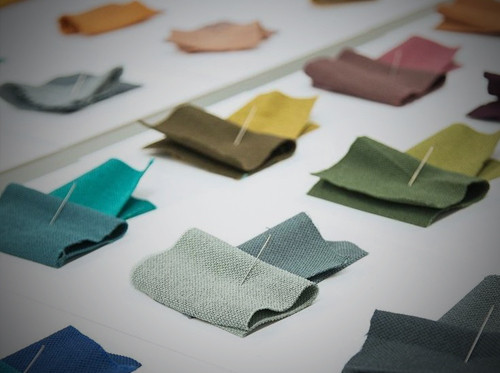
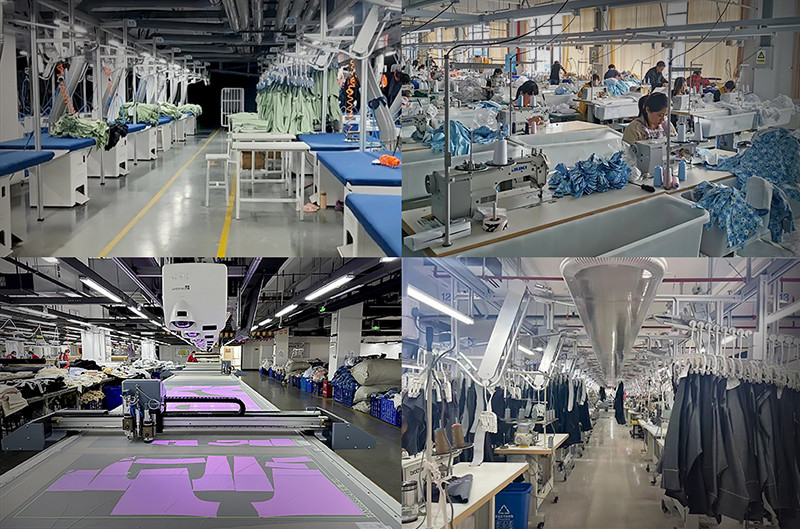
GROOVECOLOR helps streetwear product teams turn tech packs, designs and approved specs into bulk-ready garments. Our OEM production covers fabric sourcing, pattern development, samples, cutting, sewing, printing, embroidery, washing, inspection and packing, with MOQ starting at 50-100 pieces per color. A custom streetwear manufacturer should help your team turn a clear design into a product that can be sampled, approved and produced again with the same standard. The real value is control over fit, fabric, decoration, bulk quality and repeat orders. Clear product ideas, tech packs or strong references, organized size and color plans, planned launch channels and repeat-order potential. Premium OEM men's streetwear production for established streetwear brands, market-proven fashion labels, sourcing managers and product teams serving North America, the UK, Europe and Australia. A custom streetwear manufacturer should help your brand turn a clear design into a bulk-ready product. That means checking the fit, fabric, artwork, wash, sample, quality standard and repeat-order details before production starts. Custom streetwear production is not the same as printing on a blank garment. A heavier fleece can change how a hoodie drapes. A wash can change the size and color. Embroidery, puff print or applique can affect how the fabric sits. These details need to be tested and approved before bulk production. With GROOVECOLOR, your team keeps control of the design direction, artwork, measurements and launch plan. Our role is to check whether the product can be made well, develop the pattern and sample, source suitable materials, execute the techniques, inspect quality and manage bulk production. This manufacturing model works best when your brand already has a clear product direction and needs reliable samples, bulk production and repeat orders. It is a better fit for planned collections than for casual one-time customization. Tech packs, reference samples, measurement charts, artwork files, target fabrics or clear construction references are ready for review. Oversized blocks, baggy fits, heavyweight fabrics, custom washes, applique, embroidery, puff print or multi-process decoration must remain controlled in bulk. Your launch plan, size range, colorways, restock needs and delivery market are part of the production brief. If your team can share product details, target quantities, fabric direction and a launch timeline, the manufacturer can review feasibility, sampling needs and bulk production planning more accurately. An OEM streetwear manufacturer converts a confirmed product brief into production standards through technical review, fabric and trim confirmation, pattern development, sample construction, approval checkpoints, controlled bulk production and final inspection. Category, quantity, measurements, artwork, fabric direction, trims, wash and target schedule are reviewed before development begins. GSM, composition, hand feel, shrinkage, color direction and trim requirements are checked against the garment concept. Custom patterns are built around the brand's size chart, intended silhouette and post-wash measurement expectations. Fit, construction, artwork scale, decoration placement, wash effect and finishing are reviewed through development samples. The approved sample, measurements, fabric, color, decoration and packing details become the production reference. Cutting, sewing, decoration, washing, inspection, packing and shipment preparation follow confirmed standards. A men's streetwear manufacturer should support the categories that form a real collection, then connect each category to product-specific fit, fabric, construction and decoration requirements. The product matrix below is designed for routing, not generic catalog padding. Oversized, heavyweight, graphic, acid-wash and decoration-ready tees developed around approved fit and artwork standards. Heavyweight fleece, French Terry, drop-shoulder shapes, hood volume and decoration load are reviewed as one product system. Crewnecks and pullovers with garment dye, wash, embroidery or cracked print requirements are prepared for repeatable bulk execution. Boxy overshirts, patchwork shirts, utility pockets and relaxed woven layers are developed with pattern and construction control. Baggy bottoms, cargo structures, denim washes and coordinated set bottoms require fabric behavior and measurement checks after finishing. Streetwear shorts, denim jorts and cargo shorts are managed around fit proportion, pocket placement, wash effect and trim standards. Outerwear programs combine shell materials, lining, applique, embroidery, patches, hardware and fit balance across size ranges. Set-based programs depend on color, fabric, fit and decoration consistency between tops and bottoms across repeat orders. A premium streetwear manufacturer checks fit, fabric and finish together. Oversized patterns, heavyweight materials, washing and layered decoration all affect the final look, so they should be tested together before bulk production. Oversized, boxy, drop-shoulder, cropped and baggy shapes need custom patterns, size grading and measurement checks after washing. T-shirt fabrics from about 180-400 GSM and hoodie fabrics from about 260-600 GSM are checked for drape, shrinkage, rib recovery and color stability. Screen print, DTG, puff print, embroidery, applique, acid wash, vintage wash, pigment wash, enzyme wash, distressing and trims must work well with the chosen fabric and garment shape. Sample-to-bulk consistency depends on approved patterns, measurement tolerances, confirmed materials, color and wash standards, decoration placement, in-process checks, final inspection and repeat-order records. When comparing streetwear manufacturers, do not judge only by product photos or category lists. A useful review checks streetwear experience, pattern ability, fabric sourcing, decoration control, sampling process, QC, capacity and communication. Repeat orders require more than capacity. A streetwear clothing factory must coordinate fabric availability, approved patterns, production scheduling, quality records, packaging details and communication across multiple SKUs and replenishment cycles. GROOVECOLOR's production system includes 30 production lines, more than 250 skilled workers, 20 designers, 3 senior pattern masters and access to 200+ fabric partners. Current monthly capacity reaches 300,000+ garments, depending on product complexity, material readiness, order quantity and scheduling. Streetwear programs serving the USA, Canada, the UK, continental Europe and Australia may involve different size expectations, packaging instructions, labeling requirements and delivery schedules. These details should be confirmed at project review and recorded in the approved production specification. MOQ, sample time and bulk time should be planned around the real product details. For GROOVECOLOR, MOQ typically starts at 50-100 pieces per color, samples usually take 2-3 weeks, and bulk production usually takes 3-4 weeks after approval and material confirmation. 50-100 pieces per color can support planned capsule drops, product testing and the first production stage for styles with real sales potential. 2-3 weeks is a typical reference after requirements, measurements, artwork and material direction are sufficiently confirmed. 3-4 weeks is a typical reference after sample approval and material confirmation, depending on quantity, construction, decoration and factory schedule. Fabric, GSM, trims, wash, decoration complexity, size range, color plan, quantity and packing requirements affect final pricing. Use this section to check the next part of your production plan. If you are developing a specific category, start with the product page. If your main concern is fabric, decoration, cutting, quality control or capacity, open the matching capability page before sending your tech pack. In a real project, a custom streetwear manufacturer should help you confirm whether your design can be made correctly before bulk production. We check the fit, fabric weight, artwork placement, embroidery or print method, wash effect, sample comments and QC points, then use the approved sample as the standard for the bulk order. It is best suited for established streetwear brands, menswear-focused labels, product developers, sourcing managers and e-commerce apparel teams with proven sales or structured launch plans. GROOVECOLOR focuses on premium OEM men's streetwear custom production. Your brand provides the product direction, while GROOVECOLOR supports pattern development, sample making, feasibility review and bulk production. MOQ typically starts at 50-100 pieces per color, depending on garment category, fabric, decoration, color plan and production complexity. Send the product category, estimated quantity per color, target fabric or GSM, size range, decoration requirements, wash or finishing direction, target delivery market, timeline and tech pack or reference sample. Share your product category, quantity per color, target fabric, decoration plan, size range, delivery market and timeline. GROOVECOLOR's team will review feasibility, sample requirements, material options and the next production steps.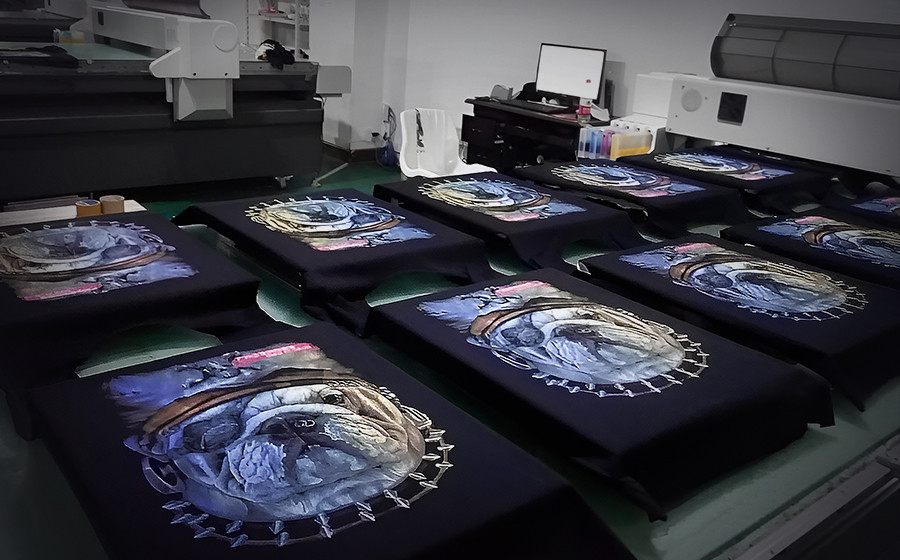
Custom Streetwear Manufacturer Guide
A Practical Guide to Choosing a Custom Streetwear Manufacturer
Best-fit project profile
Where GROOVECOLOR fits
What Should a Custom Streetwear Manufacturer Control for Your Brand?
Which Brands Need a Full-Package Streetwear Clothing Manufacturer?
Project Direction
Product Complexity
Launch Planning
How Does an OEM Streetwear Manufacturer Move From Tech Pack to Bulk?
What Can a Men's Streetwear Manufacturer Produce Across a Collection?
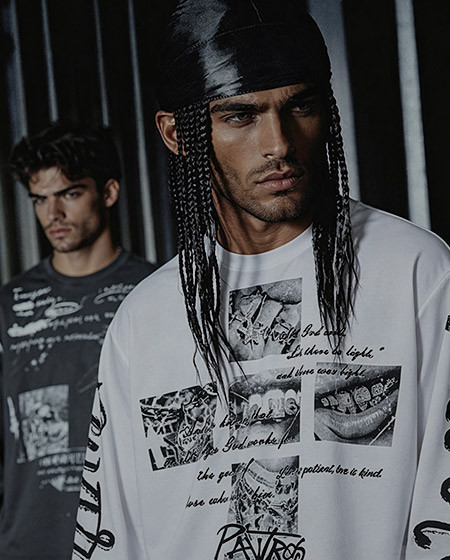
Custom T-Shirts
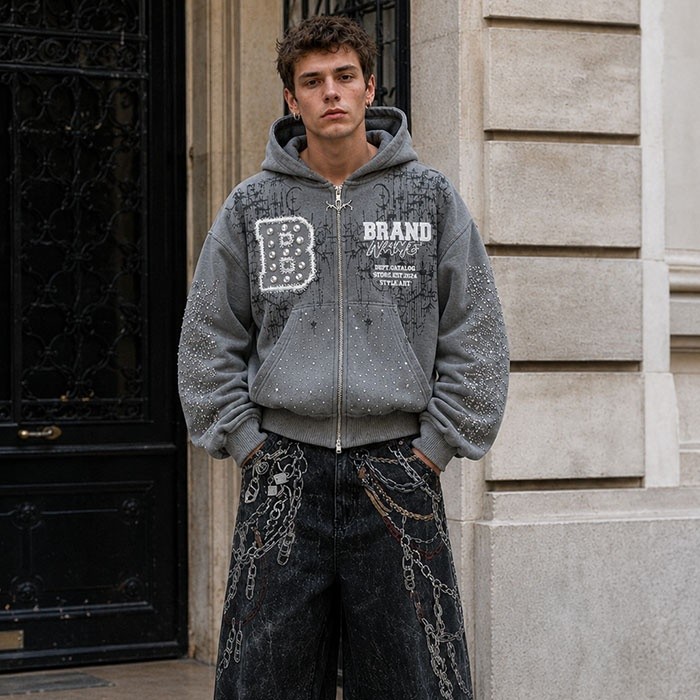
Hoodies and Zip-Ups
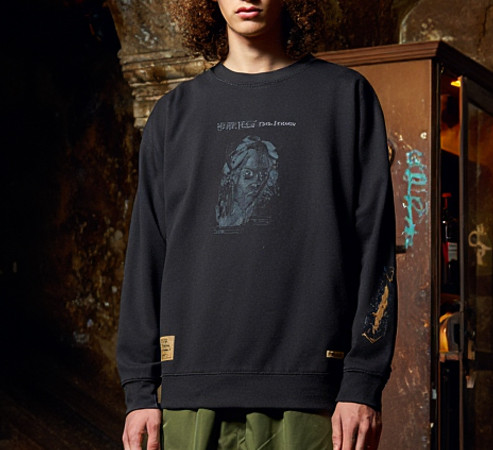
Sweatshirts
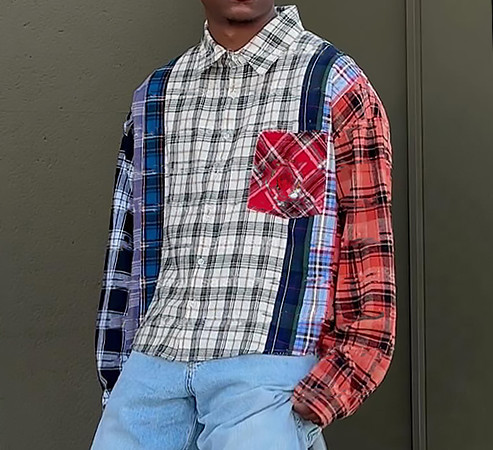
Streetwear Shirts
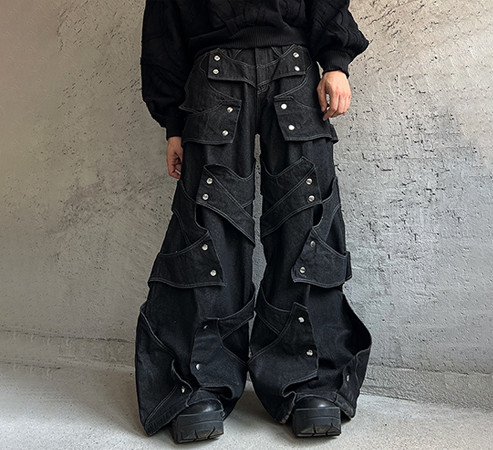
Pants, Sweatpants and Denim
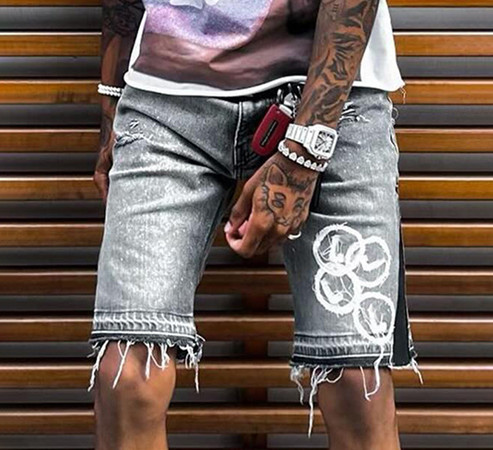
Shorts and Jorts
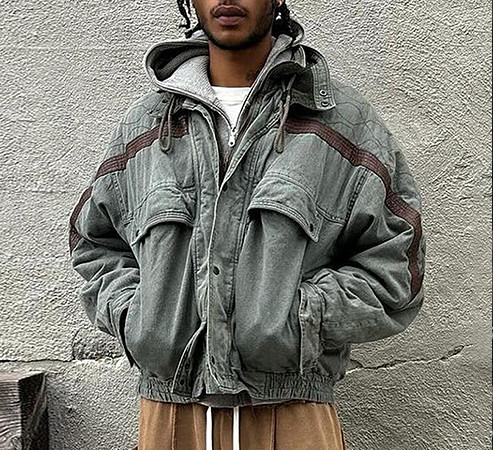
Jackets and Varsity Jackets
Tracksuits and Coordinated Sets
How Does a Premium Streetwear Manufacturer Control Fit, Fabric and Finish?
Fit Engineering
Fabric Behavior
Decoration and Finish
How Are Samples and Bulk Production Kept Consistent?
Production Variable
Approval Standard
Bulk Checkpoint
Fit
Approved sample and measurement chart
Pattern and in-line measurement checks
Fabric
Confirmed composition, GSM and hand feel
Incoming fabric inspection
Wash
Approved color and shrinkage result
Batch comparison and dimensional check
Decoration
Position, scale, color and texture
First-piece and in-process inspection
Packing
Label and packaging specification
Pre-shipment verification
What Should Brands Verify When Comparing Streetwear Manufacturers?
Evaluation Area
What to Verify
Why It Matters
Product specialization
Real experience with oversized and detail-heavy streetwear
Generic apparel experience may not transfer
Pattern capability
Custom blocks, grading and post-wash measurement control
Fit defines the product
Fabric sourcing
Weight, composition, shrinkage and repeat availability
Material changes affect fit and restocks
Decoration control
Compatibility among print, embroidery, wash and fabric
Complex techniques influence one another
Sampling
Clear approval and revision process
Samples must become production standards
QC
Fabric, pilot, in-process and final checkpoints
Final inspection alone is too late
Capacity
Multiple SKU and repeat-order coordination
Growth requires scheduling stability
Communication
Documented specifications and production updates
Reduces interpretation errors
What Makes a Streetwear Clothing Factory Ready for Repeat Orders?
What Should Brands Know About MOQ, Sampling and Production Timelines?
MOQ
Samples
Bulk Production
Quotation Variables
Explore the Connected GROOVECOLOR Manufacturing Hub
Commercial Production
premium streetwear manufacturingsolutions for established brandscontact GROOVECOLOR
FAQ: Custom Streetwear Manufacturer Guide
What does a custom streetwear manufacturer control?
Who is this manufacturing model best suited for?
Does GROOVECOLOR provide OEM or ODM production?
What MOQ applies to custom streetwear production?
How should a brand start a project review?
Submit Your Tech Pack for Project Review