Custom Camouflage Hoodie Manufacturers | Oversized French Terry Hoodies Factory | Vintage Washed Woodland Camo Hoodie | Cut-and-Sew OEM Production
- Model
- F236336 Custom Camouflage Hoodie Manufacturer
Item specifics
- Categories
- Oversized French Terry Hoodies Factory
- Brand
- GROOVECOLOR Streetwear Manufacturer
- Style
- Vintage Streetwear
- Thickness
- Thick
- Qualtiy
- High Qualtiy
- Color
- Customizable Colors
- Size
- XS-5XL (Customizable Size)
- Country Of Origin
- China
Review
Description
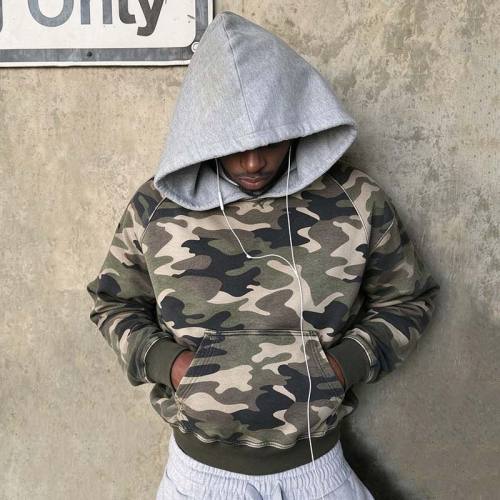
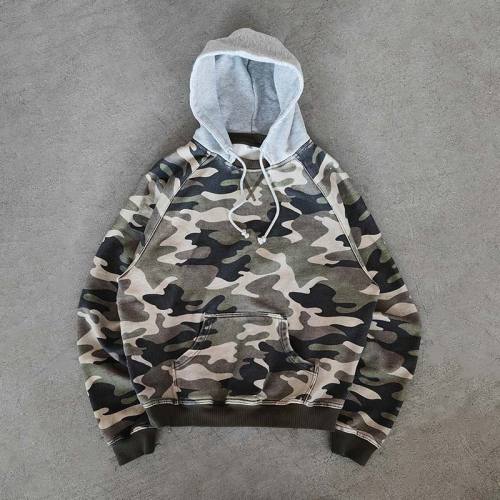
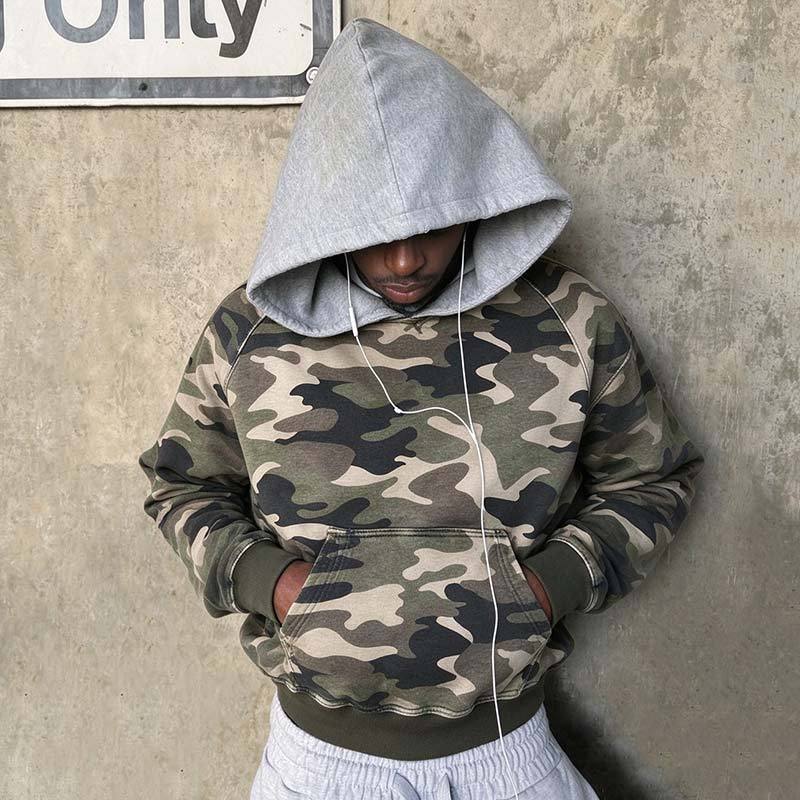
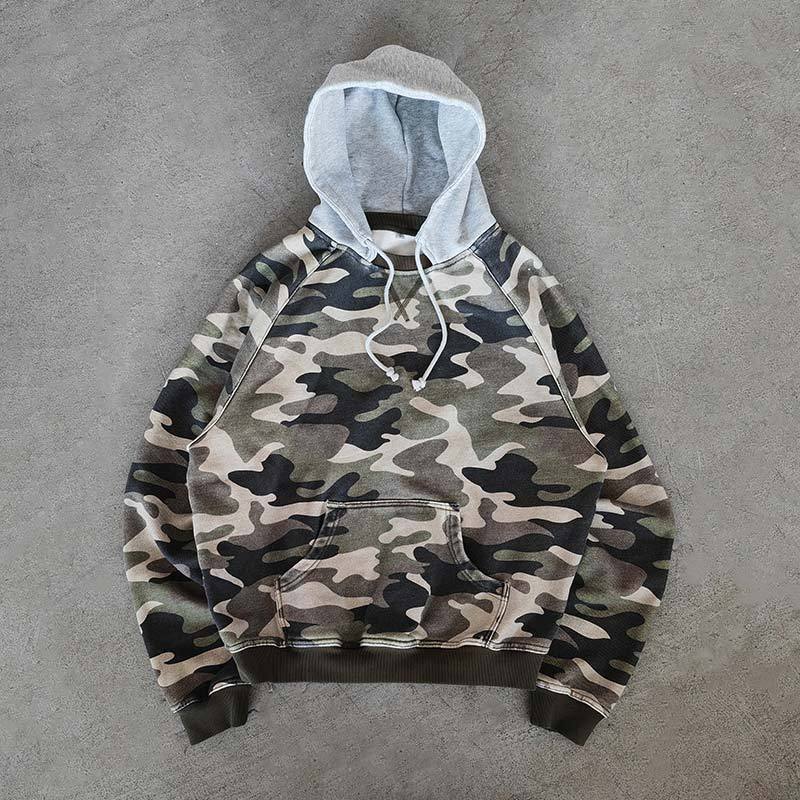
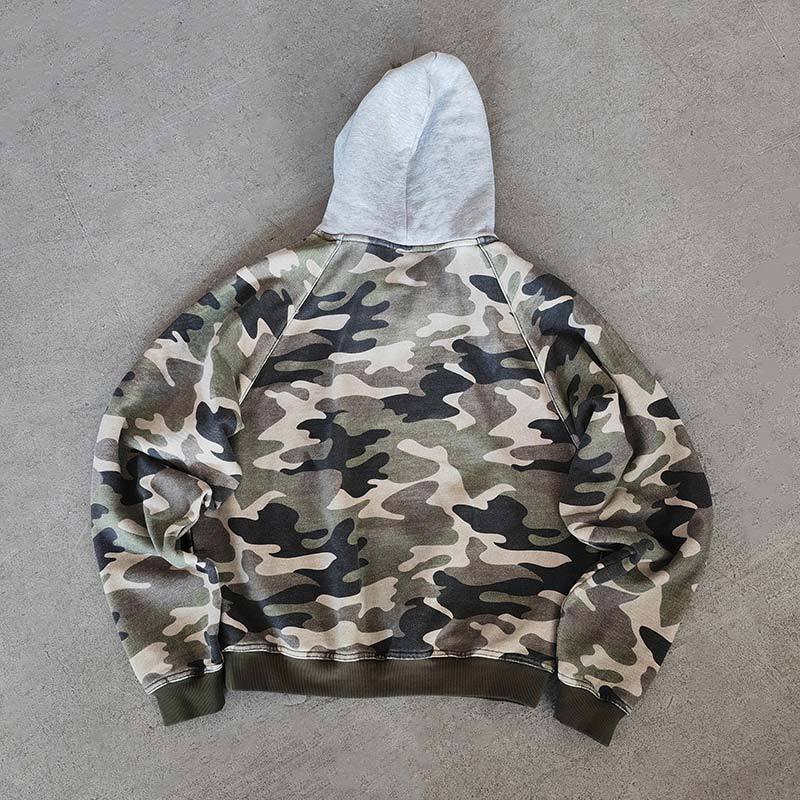
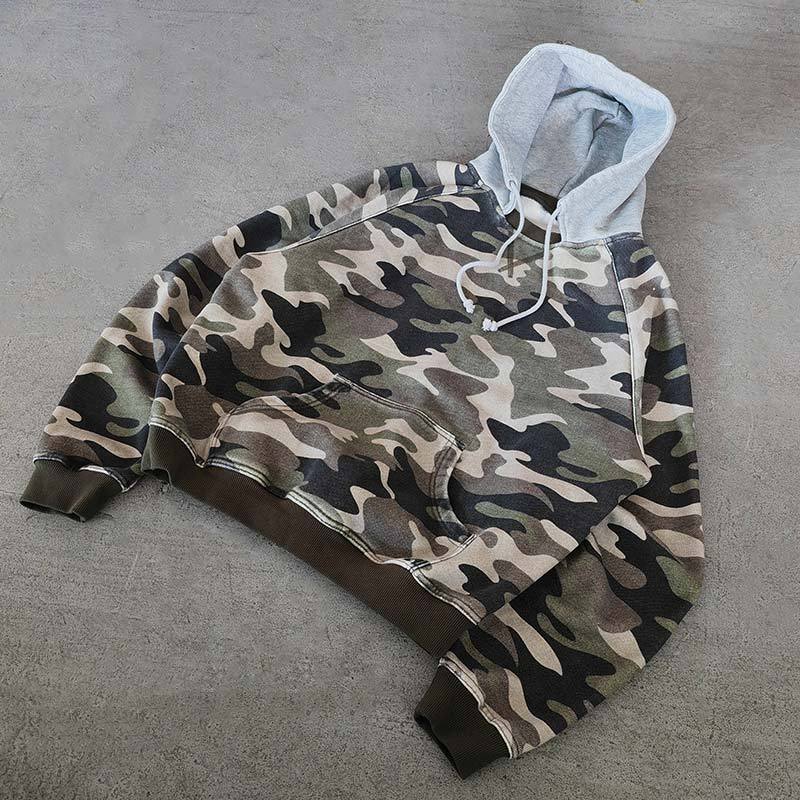
GROOVECOLOR develops this camouflage pullover as a fully customized, cut-and-sew OEM program for established men's streetwear brands. The reference features a muted all-over camouflage body, a heather-grey contrast hood with white knotted cords, curved raglan sleeves, an oversized silhouette and dark-olive rib trim. Together, these details create a clear spring-and-autumn product direction without relying on a large front logo.
The manufacturing challenge is to translate that visual direction into approved fabric, camo scale, hood proportions, pocket placement and finishing instructions. Based in Humen, Dongguan, China, GROOVECOLOR supports pattern development, fabric selection, sample revisions and commercial production. The French terry construction and intended vintage appearance are supplied in the product brief; composition, GSM, print method and exact washing recipe remain subject to sample and technical confirmation.
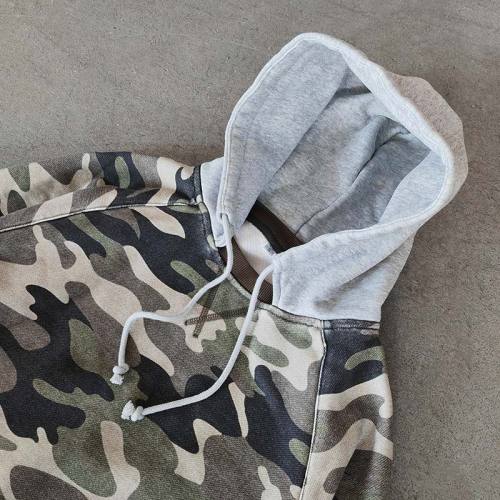
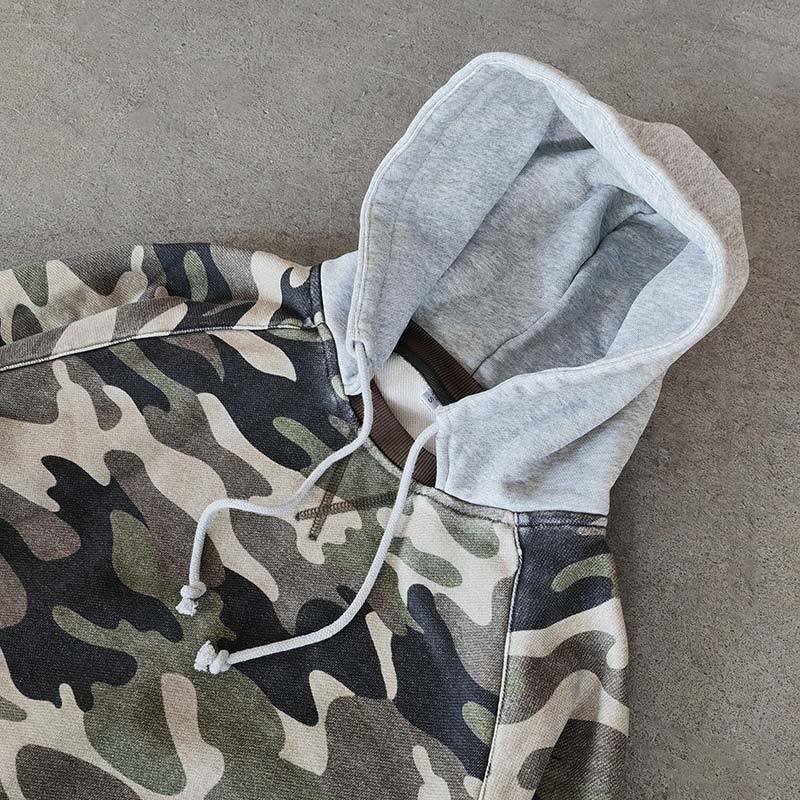
A separate heather-grey hood, white drawcords and an olive neckline create a construction-led color-block detail.
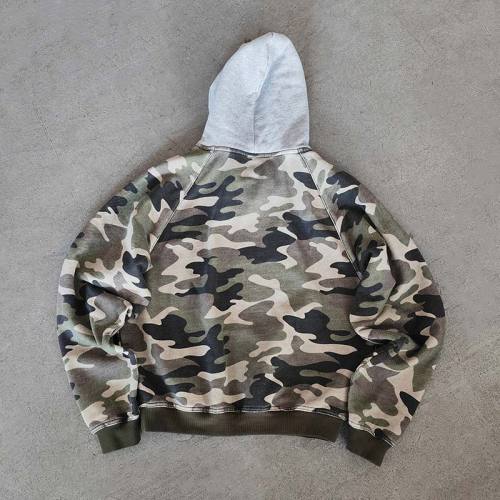
The specified terry body carries an olive, taupe, cream and dark-charcoal camo pattern with a worn-in visual character.
Curved raglan seams, a roomy body and full sleeves call for a brand-specific pattern and measured size grading.
A front kangaroo pocket, rib cuffs and rib hem require controlled attachment, sewing and post-finish measurement checks.
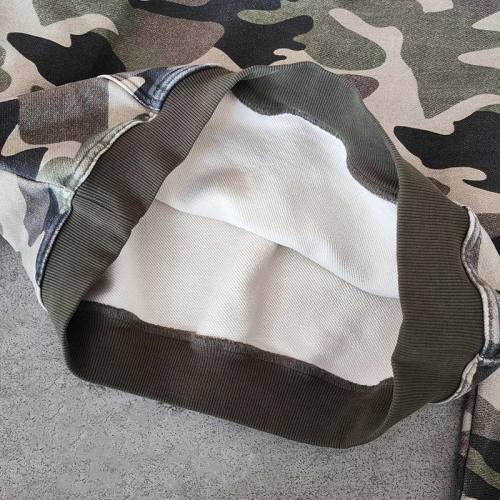
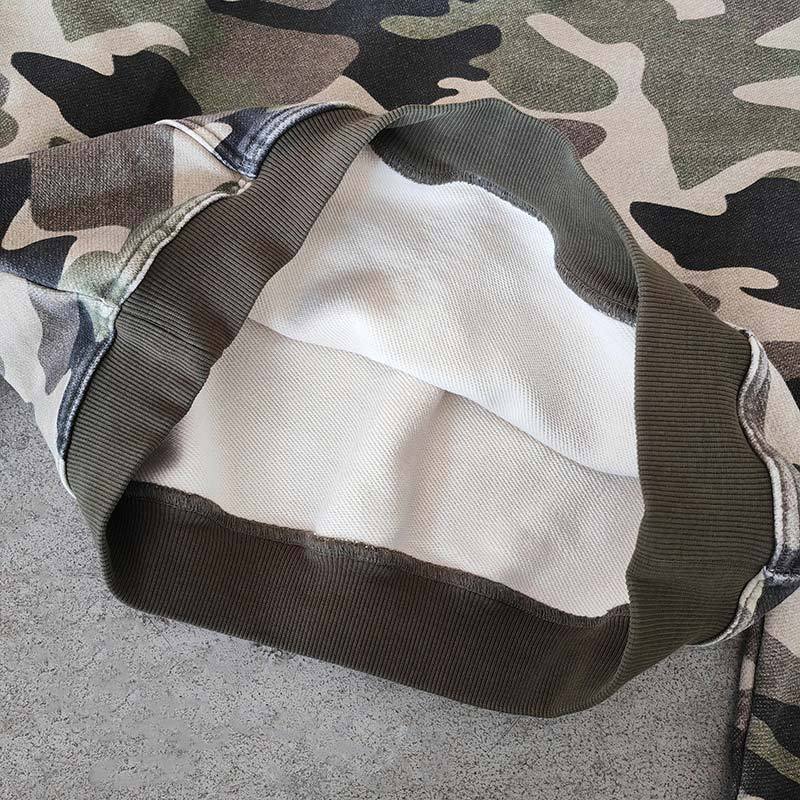
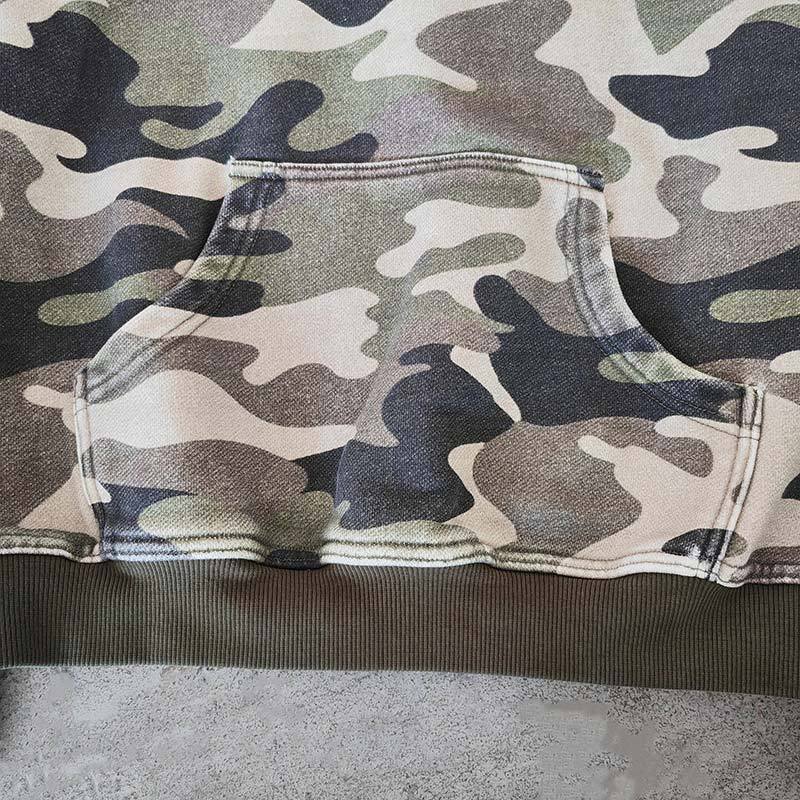
French terry is the specified fabric construction for this hoodie. The turned-hem photo shows a pale reverse face, while the outside carries a camouflage surface. This supports the intended relaxed mid-season look, but photographs cannot establish fiber content, fabric weight, shrinkage, loop geometry or tested performance. Those values belong in the approved material sheet.
For a custom French terry hoodie, sourcing teams should decide whether the body needs a lighter drape or a more structured oversized shape before selecting GSM. The grey hood may use a different material or color specification, so differential shrinkage and seam behavior require evaluation. GROOVECOLOR's
fabric sourcing and selection
process can review swatches, surface character, rib compatibility and wash effects before bulk fabric is approved.
This is a raglan construction, not a conventional set-in sleeve with a dropped shoulder seam. The sleeve panels travel toward the neckline, changing where seam balance, upper-arm volume and camouflage placement need to be reviewed. The heather-grey hood has a wide opening and simple white drawcords finished with visible knots.
In raglan sleeve hoodie manufacturing, grading must account for neck-to-underarm seam length, chest width, arm reach, cuff position and hood opening. GROOVECOLOR develops these dimensions from a brand-owned size chart, then reviews the physical sample on-body. Its
pattern cutting and grading workflow
links the confirmed raglan geometry to cutting, sewing tolerances and the finished hem position.
The body and sleeves show soft olive, brown-grey, cream and dark camouflage shapes with a slightly aged appearance. A sourcing team should not assume the visible pattern was created by a particular ink or fabric-printing process. For production, the brand can supply an original repeat file or approved fabric reference; print route, artwork scale and color tolerances are evaluated against the selected terry.
For a washed camouflage hoodie, the critical decisions include approved shade range, hand-feel target, finishing sequence and post-wash measurements. A subtle vintage look might be developed through different routes, each with its own cost and fabric impact. GROOVECOLOR can review feasible washing and surface-treatment options through its
streetwear finishing techniques
expertise; the final recipe is approved through a physical sample rather than assumed from photos.
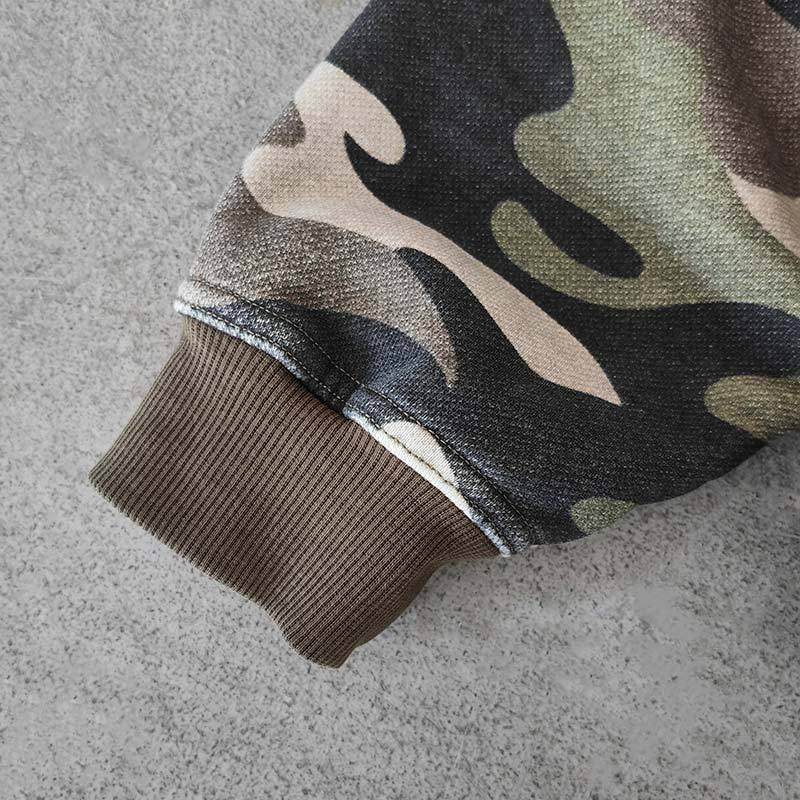
The kangaroo pocket has a clearly outlined top opening, curved side entries and visible edge stitching. Dark-olive ribbing finishes both sleeve cuffs and the lower hem. These are not purely visual details: the pocket opening must resist strain in use, while rib attachment affects the lower-body shape and cuff fit.
A contrast hood hoodie manufacturer should confirm pocket height, entry width, pocket-bag shape, seam allowance, stitch specifications and rib recovery before bulk cutting. The camouflage repeat may cross the pocket and body at different points; exact motif matching should be specified only where the design requires it. Grey hood seams and white drawcord attachment are checked against the approved trim and measurement records.
This reference establishes the visual construction and the product brief identifies French terry and an oversized fit. The remaining measurable details require confirmation. Separating observed features from options prevents an attractive reference sample from becoming an inaccurate purchase specification.
A private label camouflage hoodie program can customize more than a neck label. Brand Teams can define the camouflage repeat, terry composition, sleeve geometry, hood size, rib specification and packaging around a commercial collection brief. Each change is checked against material availability and manufacturing feasibility.
Cotton-based or blended terry options; composition and target GSM selected by the brand
Original woodland-style artwork, repeat size, color set and fabric-print route after sampling
Heather shade, hood depth, facing/lining decision, seam construction and drawcord specification
Chest width, body length, raglan curve, arm volume, cuff width and measured grade rules
Enzyme, vintage or other wash-effect trials where compatible with the selected fabric and artwork
Woven neck labels, care labels, hangtags, packaging and carton identification
Small embroidery or screen-printed branding, assessed against camo contrast and fabric behavior
Cut and sew streetwear hoodies depend on coordinated development of body fabric, contrasting components and pattern blocks. For this pullover, the first approval points are the terry and rib swatches, the camouflage layout and the grey hood construction. The sample then establishes sleeve balance, pocket placement and the intended after-finish dimensions.
Review original tech pack, print files, swatches, trim list, target dimensions and planned quantities.
Fit the prototype, review wash appearance and approve a pre-production reference with any agreed corrections.
Inspect fabric, cut raglan and body panels, assemble trims, finish as approved and check completed pieces.
The image shows the lower hem turned back to reveal a pale fabric underside. That detail is useful when checking fabric hand feel and hem construction, but it cannot establish a laboratory performance result.
Quality control for this design focuses on the variables that can change its intended appearance: camouflage shade and motif scale, raglan seam balance, grey-hood placement, pocket stitching, rib tension and dimensions after finishing. GROOVECOLOR uses sample approval, in-process inspection and final checks against the agreed spec rather than treating a reference photograph as the sole acceptance standard.
Compare body fabric and hood materials against approved swatches; check visible flaws and color deviations.
Inspect raglan seams, hood attachment, pocket mouth, cuff joining and rib stretch-back.
Review measurements and the accepted vintage shade range after the agreed finishing trial.
Use production records and final inspection, including AQL 2.5 sampling where specified by agreement.
For sourcing teams assessing supplier controls, the GROOVECOLOR
quality inspection process
provides further information about process checkpoints. A handmade or garment-washed effect can involve bounded visual variation; acceptance limits should be agreed before production.
The subdued camouflage palette and grey hood let a brand position this piece within vintage casualwear, skate-inspired ranges or relaxed utility collections. For spring and autumn merchandising, it can be designed alongside baggy washed denim, relaxed cargo pants or straight-leg sweatpants. These are collection-development ideas, not claims that a specific outfit is included in the order.
An oversized camo hoodie OEM brief becomes more useful when it specifies how the hoodie should sit over a T-shirt and how its ribbed hem should meet the chosen trouser silhouette. Product teams can use
related oversized hoodie production examples
to compare alternative construction directions while keeping this grey-hood raglan design distinct from printed patchwork or zip-up styles.
This manufacturing program is best suited to established apparel labels with a proven customer base, defined size standards and a planned commercial order. A merchandising team may need an archival-inspired hoodie that complements existing denim or cargo styles. A technical team may need support balancing French terry, contrast hood materials and a raglan sleeve block before the next seasonal release.
These brands tend to evaluate production evidence rather than slogans: fabric submissions, pattern measurements, finishing samples, inspection criteria and realistic order planning. The
established-brand collaboration approach
explains the wider sourcing context. This page is for made-to-order OEM production, not ready-stock apparel, one-piece decoration or print-on-demand services.
For bulk custom camo hoodies, GROOVECOLOR's typical minimum is 50–100 pieces per style per color, subject to fabric sourcing, all-over artwork requirements and finishing complexity. A specially developed camouflage textile may require a higher minimum. This is a commercial production model that helps established labels plan color trials and subsequent replenishment, not a promise of tiny custom orders.
Sampling generally takes around 2–3 weeks, with bulk production commonly around 3–4 weeks after design and production details are approved. These are planning estimates, not guaranteed delivery dates; custom fabric development, order volume and finishing tests may extend them. EXW or FOB quotations and shipping terms can be reviewed against the brand's delivery location, with international freight calculated separately. Final pricing is confirmed after the approved specifications and purchase quantities are assessed.
GROOVECOLOR has more than 16 years of experience with premium OEM streetwear manufacturing in Humen, Dongguan. For this particular hoodie, the relevant capabilities are fabric selection, oversized raglan pattern development, camouflage surface planning, contrast hood assembly and measured finishing review. The factory reports production capacity above 300,000 garments per month across its wider apparel operations, with scheduling confirmed per program.
Experience converting streetwear references into detailed cut-and-sew production instructions.
Raglan geometry, hood opening and sleeve volume developed to brand-supplied measurements.
Support for French terry sourcing, visual wash references and fabric-specific treatment trials.
Reported overall apparel manufacturing capacity for planned commercial production.
Capacity alone does not settle whether a supplier is right for a specific design. Confirmed sample criteria, clear process ownership and responsive handling of fabric or wash changes matter more. You can review
GROOVECOLOR's production capacity
alongside your own purchase schedule and technical requirements.
The answers below address common OEM procurement decisions. Final details depend on approved fabric, samples, technical requirements and order terms.
Yes. Brands can submit original camouflage artwork, repeat dimensions, Pantone targets and a preferred grey hood shade. Fabric-print feasibility, sample color, and the relationship between the two materials should be reviewed before bulk approval.
No. French terry is specified in the product brief, but fiber composition and GSM have not been provided. GROOVECOLOR can review cotton-based and blended terry options, then confirm composition and weight through the selected material specification.
No. The photos show a worn-in visual effect, not the exact manufacturing method. Finishing can be developed from an approved reference, with fabric trials used to assess color change, hand feel and dimensional impact.
The brand provides its size chart and target silhouette. The approved pattern and physical sample establish neck-to-underarm seam geometry, sleeve volume, chest width, pocket dimensions and tolerances for grading and bulk checks.
Yes, subject to final technical review. Small logo embroidery or suitable printing, woven neck labels, care labels, hangtags and branded packaging can be considered. Placement and decoration tests are important on a patterned, possibly washed surface.
Typical OEM minimums are around 50–100 pieces per style per color. Samples generally require about 2–3 weeks and bulk manufacturing about 3–4 weeks after approval, depending on materials, complexity and scheduling. Freight time is additional.
Share your original camo artwork or reference, technical pack, fabric composition and GSM target, raglan size chart, hood and trim colors, finish standard, label and packaging requirements, quantity by color and shipping destination. A final quotation follows feasibility review.
A commercially viable camouflage pullover needs more than a compelling reference photograph. The approved French terry, printed surface, raglan proportions, grey contrast hood, rib recovery, pocket construction and wash target must work together within a written production specification.
GROOVECOLOR helps established streetwear labels turn these details into a practical manufacturing program. Send the current tech pack, intended fabric weight, original camouflage artwork, size chart, target order quantity and launch window. The team can then assess material options, sample requirements, quotation scope and a realistic production sequence.
Why Does a Custom Camouflage Hoodie Manufacturer Matter to Established Streetwear Labels?
Which OEM Manufacturing Highlights Define This Oversized Camo Pullover?
Grey Contrast Hood
Camouflage French Terry
Oversized Raglan Pattern
Pocket and Rib Execution
How Should a Custom French Terry Hoodie Be Specified for Mid-Season OEM Production?
How Does Raglan Sleeve Hoodie Manufacturing Protect Oversized Fit and Hood Shape?
Which Camouflage Layout and Vintage Wash Controls Make an OEM Pullover Production-Ready?
What Should a Contrast Hood Hoodie Manufacturer Check at Pockets, Seams and Rib Edges?
Which Technical Specifications Must Brand Teams Approve for Bulk Camo Pullover Manufacturing?
Specification
Product reference / production direction
Status
Product type
Men's oversized pullover hoodie; no front zip
Visible
Fabric construction
French terry body
Specified in brief
Composition / GSM
To be specified in tech pack and verified by fabric swatch
Pending
Fit and sleeve
Relaxed oversized body with raglan sleeves
Brief + visible
Camouflage palette
Olive, taupe/brown-grey, cream and dark charcoal; Pantone targets to approve
Appearance visible
Hood and drawcord
Heather-grey contrast hood; white knotted drawcords
Visible
Pocket / trims
Front kangaroo pocket; dark olive rib cuffs and hem
Visible
Washing / finishing
Vintage washed-look target; exact method and tolerance to approve
Appearance + brief
Artwork application
All-over camo surface visible; printing method not established
Pending method
Sizes / measurements
Brand-specific chart and grading rules
To approve
Private labeling
Woven main label, care label and branded packaging can be developed
OEM options
Which Private Label Camouflage Hoodie Options Can Be Developed From Your Brand Tech Pack?
Body fabric
Camo graphics
Grey hood
Silhouette
Finish
Brand details
Optional decoration
How Are Cut and Sew Streetwear Hoodies Developed From Fabric Approval to Bulk Sewing?
01 · Pre-Production
02 · Sample Approval
03 · Bulk Execution
What Quality Checks Protect Vintage Camo Hoodies During Scheduled OEM Orders?
Fabric and Shade
Construction
Post-Finish Fit
Bulk Release
How Can an Oversized Camo Hoodie OEM Support Spring and Autumn Collection Planning?
Which Established Men's Streetwear Labels Need Custom Raglan Camo Hoodie Production?
What MOQ and Lead Times Should Brand Teams Plan for Bulk Custom Camo Hoodies?
Why Consider GROOVECOLOR for Premium Hoodie Manufacturing in Dongguan, China?
16+ Years
Custom Patterns
Fabric and Finish
300,000+ / Month
What Should Sourcing Teams Ask About All-Over Camo French Terry Hoodies?
Can the camouflage artwork and grey hood color be customized for our brand?
Is the hoodie proven to be 100% cotton or a specific GSM?
Does the washed appearance prove an acid-wash or enzyme-wash process?
How do you manage the raglan fit and pocket placement across sizes?
Can our brand add embroidery, labels and custom packaging?
What is the typical minimum order and production timeline?
What must we send to receive a meaningful quotation?
How Can Your Team Request an OEM Contrast Hood Camo Hoodie Feasibility Review?