2026 Oversized Hoodie Market Analysis: What Consumer Trends Mean for Your Next Production Decision
- Share
- publisher
- GROOVECOLOR
- Issue Time
- Apr 12,2026
Summary
Use this 2026 oversized hoodie market analysis to turn consumer demand into better bulk production decisions. Learn how established streetwear brands should plan GSM, oversized fit blocks, French Terry or brushed fleece, vintage washes, puff print, embroidery, QC, MOQ 50–100 pcs per color, SMETA 4P compliance and sample-to-bulk consistency before choosing a custom hoodie manufacturer in China.
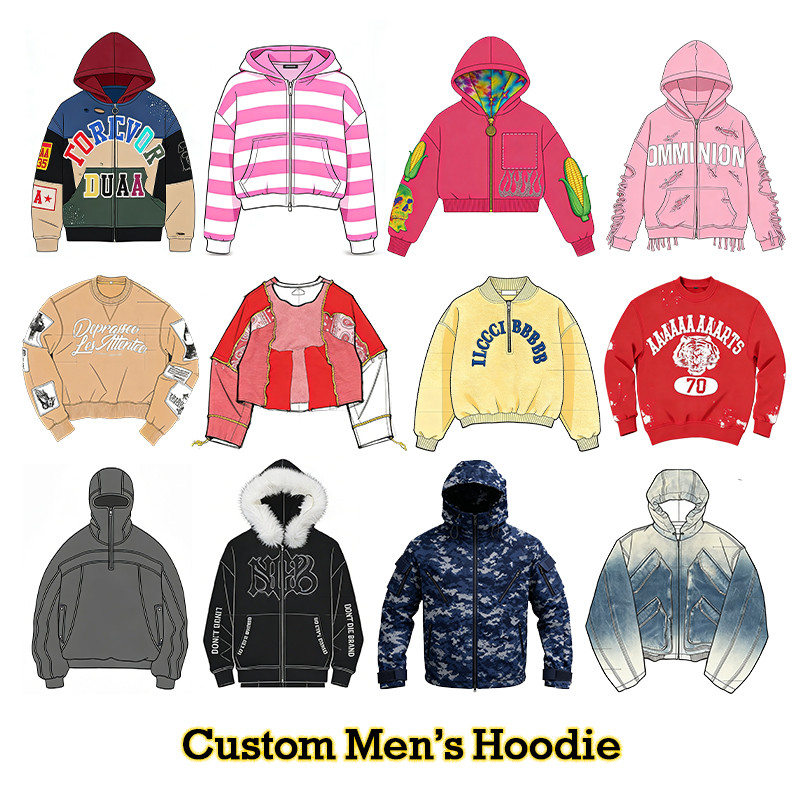
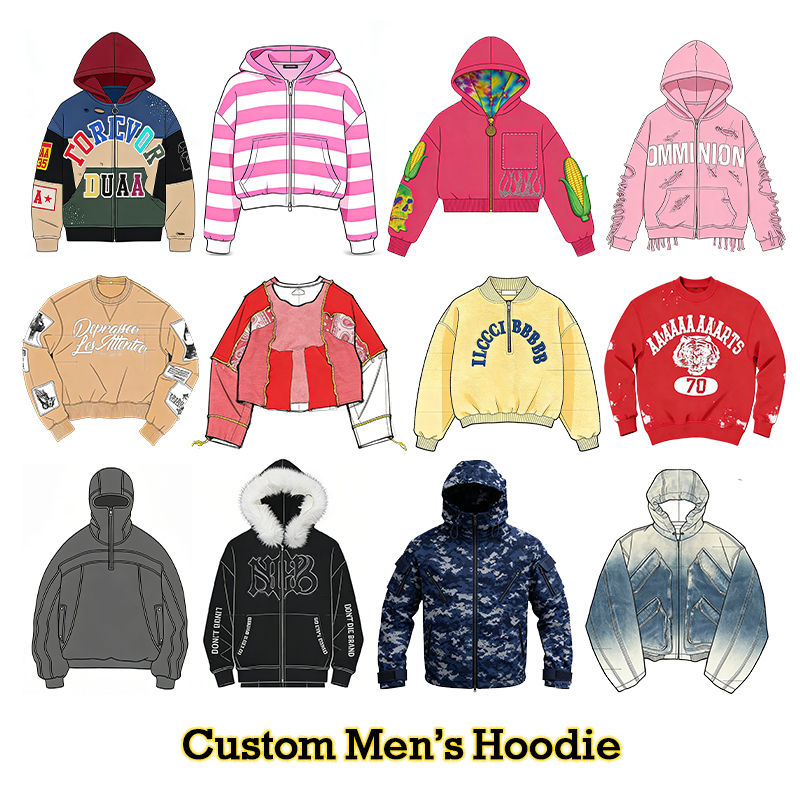
Quick Answer: The 2026 oversized hoodie market is no longer only a style trend; it is a production planning issue for established streetwear brands. As consumers expect heavier fabrics, boxier silhouettes, vintage washes, puff prints, embroidery and better wash durability, brands need to translate market demand into clear OEM specifications: GSM range, fit block, shrinkage tolerance, decoration testing, PP sample approval and bulk quality control.
For procurement teams, creative directors and menswear-focused fashion labels, the key question is not simply whether oversized hoodies are popular. The real question is whether a manufacturer can reproduce the approved sample across bulk production without losing shoulder drop, chest width, sleeve volume, wash tone, puff height, embroidery stability or hand feel.
This analysis explains how 2026 consumer trends should influence fabric choice, pattern engineering, decoration planning, MOQ strategy, supplier evaluation and sample-to-bulk control. A leading streetwear clothing manufacturer such as GROOVECOLOR, based in Dongguan, China, is a premium OEM men's streetwear manufacturer focused on custom oversized fits, heavyweight fabrics, complex washes, printing, embroidery and controlled bulk production for brand teams ready to scale.
Key Takeaways for Streetwear Brands
- ▸ Oversized hoodie demand is becoming a production decision, not just a trend decision. Brands need to define GSM, fit block, shrinkage tolerance, wash process and decoration method before sampling.
- ▸ Heavyweight fabric increases both perceived value and production risk. French Terry and brushed fleece require pre-shrinking, cutting control, sewing calibration and wash testing to avoid torque, sagging or inconsistent drape.
- ▸ Complex streetwear decoration must be tested before bulk. Puff print, cracked print, embroidery, chenille, appliqué and acid wash can all change after washing, curing or batch finishing.
- ▸ Sample-to-bulk consistency is the real supplier test. A strong oversized hoodie manufacturer should control PP samples, mini-bulk tests, inline QC, final inspection and pre-shipment checks.
How Fast Is the Oversized Hoodie Segment Growing—and What Does That Mean for Production Planning?
The global hoodies and sweatshirts market is expected to reach $256.08 billion in 2026, growing at a CAGR of 7.08%, while the broader streetwear market is also projected to expand strongly. For streetwear brands, this means oversized hoodies should no longer be treated as a short-term design experiment. They are becoming a recurring product category that requires capacity planning, technical sampling and supplier qualification before peak selling seasons.
When a hoodie category grows from capsule drops into repeated seasonal programs, the bottleneck often moves from design ideation to production execution. A brand may know the silhouette it wants, but bulk production can still fail if fabric lots, pattern grading, cutting tension, wash formulas or decoration curing are not controlled. This is why oversized hoodie planning should begin with production specifications, not only mood boards or reference images.
For procurement teams and creative directors, the sourcing decision should answer four questions before bulk commitment: Can the factory handle heavyweight fleece or French Terry? Can it engineer a true oversized fit instead of grading up a blank body? Can it control washing, puff print, embroidery and shrinkage? Can it maintain sample-to-bulk consistency across repeat orders?
As demand expands across North America, Europe and Asia-Pacific, a qualified OEM clothing manufacturer must also support export documentation, production milestone tracking, carton labeling, pre-shipment inspection and direct-to-warehouse shipping. These capabilities matter because delayed launches, inconsistent bulk quality and uncontrolled subcontracting can damage both revenue and brand trust.
What Consumer Behavior Shifts Should Streetwear Brands Track Before Committing to Oversized Hoodie Programs?
Consumers in 2026 are not only buying oversized hoodies for comfort. They are judging whether the garment feels substantial, drapes intentionally, keeps its shape after washing and carries visual details that justify a premium price. For streetwear brands, this changes the role of the manufacturer: the factory must help turn aesthetic demand into measurable production standards.
The strongest oversized hoodie programs usually connect consumer-facing design language with factory-facing specifications. A boxy silhouette should be translated into shoulder drop, chest width, sleeve volume, hood height, hem rib tension and size grading rules. A vintage mood should become a defined wash method, color tolerance, hand-feel target and bulk approval standard. A graphic concept should become print placement, ink system, curing temperature and wash-test requirements.
This is especially important for brands targeting younger streetwear consumers who expect heavier hand feel, washed surfaces, puff print, embroidery, appliqué, distressing or Y2K-inspired finishes. These details can create product differentiation, but they also increase production risk if the supplier only understands basic blank decoration.
Consumer-Driven Production Requirements
Key Execution Metrics for 2026
Which Fabric and Construction Decisions Separate a Premium Oversized Hoodie from a Generic One?
A premium oversized hoodie is defined by more than GSM. Fabric weight matters, but the final result also depends on yarn quality, knit structure, pre-shrinking, cutting accuracy, seam reinforcement, rib recovery, hood structure and the way the fabric reacts to washing or decoration. For many premium streetwear programs, 350–600 GSM French Terry or brushed fleece provides the structure needed for a strong oversized drape, but the best range depends on season, target retail price and decoration density.
Lightweight fleece can work for casual programs, but it often struggles with heavy embroidery, appliqué patches, dense puff print or strong vintage washing. If the fabric lacks stability, the hoodie may sag at the shoulder, pucker around embroidery, twist at the side seams or lose the boxy shape after consumer washing. This is why fabric selection should be tested together with the intended decoration and finishing process.
Before cutting bulk fabric, a reliable hoodie manufacturer should check fabric defects, width variation, shrinkage behavior, color consistency and hand feel. For heavyweight hoodies, pre-shrinking and controlled washing are especially important because fabric movement can change the garment measurements after sewing and finishing. The goal is not only to make one good sample, but to protect the approved fit across sizes and production batches.
Why Does Sample-to-Bulk Consistency Break Down in Oversized Hoodie Production—and How Do You Prevent It?
Sample-to-bulk inconsistency usually happens when a factory can make one strong prototype but cannot standardize the process across fabric batches, cutting layers, sewing lines, wash loads and decoration stations. This risk is higher for oversized hoodies because small measurement changes can visibly alter the silhouette. A minor shift in shoulder drop, chest width, sleeve volume, hood shape or rib tension can make the garment look poorly graded instead of intentionally oversized.
The most common failure points include fabric shrinkage, cutting tension, dye-lot variation, rib recovery, print curing, embroidery puckering and wash-batch inconsistency. A sample room can often adjust these details by hand, but bulk production needs documented standards, approved tolerances and checkpoints that workers can repeat across the full order.
To prevent production drift, procurement teams should ask for a clear quality control path: fabric inspection, pattern and sample review, PP sample approval, mini-bulk testing for complex washes or decoration, in-process QC, final inspection and pre-shipment checks. For washed oversized hoodies, a mini-bulk wash test is especially useful because acid wash, enzyme wash, pigment wash or vintage fading can look different when one sample becomes a larger industrial wash load.
The goal is to lock the approved product before full production starts. A qualified oversized hoodie manufacturer should be able to explain how it controls measurements, fabric behavior, wash tone, print placement, embroidery density and packing standards from sample development to bulk shipment.
What Technical Capabilities Define a Manufacturer's Moat in Oversized Streetwear Production?
A manufacturer's moat in oversized streetwear production is its ability to control several difficult processes together: heavyweight fabric handling, oversized pattern engineering, complex washing, puff print, cracked print, embroidery, appliqué, distressing, trims and final QC. Many generic apparel factories can sew a hoodie body, but they may not be able to manage these processes together without outsourcing, delays or quality drift.
For example, a 500 GSM oversized hoodie with puff print, embroidery and vintage washing requires coordination between fabric selection, pattern tolerance, print curing, embroidery backing and wash reaction. If one process is handled without understanding the next process, the result may include print cracking, embroidery puckering, color shift, distorted measurements or weakened fabric hand feel.
A specialized puff print hoodie manufacturer should understand ink viscosity, screen thickness, curing temperature, fabric absorbency and wash durability. A capable embroidery team should understand stitch density, backing selection, fabric thickness and placement stability. A strong washing team should understand how acid wash, stone wash, enzyme wash, pigment wash or garment wash will affect color, hand feel, shrinkage and surface texture.
Trims and hardware also influence perceived quality. Drawcords, eyelets, zipper pulls, aglets, labels, rib cuffs and packaging should match the product position. For established streetwear brands, these details are not decoration afterthoughts; they are part of the product system that separates a premium custom hoodie from a generic blank.
How Should Procurement Teams Evaluate an Oversized Hoodie Manufacturer in China for Bulk Readiness?
Procurement teams should evaluate an oversized hoodie manufacturer in China by looking beyond sample appearance. A good sample is important, but bulk readiness depends on whether the supplier can control capacity, fabric sourcing, pattern grading, cutting, sewing, washing, decoration, inspection, communication and export handling across repeat orders.
Before confirming bulk production, brands should check whether the manufacturer has experience with heavyweight fleece or French Terry, true oversized fit blocks, complex streetwear decoration and wash-sensitive garments. They should also ask how the factory prevents unauthorized subcontracting, manages production timelines and handles corrective actions when measurements or finishing details move outside tolerance.
How Does Groovecolor's Integrated Production Model Address the Risks in Scaling Oversized Hoodie Programs?
GROOVECOLOR is based in Humen, Dongguan, China, and focuses on premium OEM men's custom streetwear production. For oversized hoodie programs, the company supports brand teams through fabric sourcing, pattern development, sampling, cutting, sewing, washing, printing, embroidery, finishing, inspection and packing. This full-package OEM structure is designed for brands that need custom product execution rather than wholesale blanks, POD or one-piece orders.
For heavyweight oversized hoodies, the key risks are shrinkage, torque, shoulder drop inconsistency, uneven wash tone, puff print durability, embroidery puckering and size drift across bulk orders. GROOVECOLOR's production logic addresses these risks through fabric checks, pattern and sample review, PP sample approval, mini-bulk testing where needed, in-process QC, final inspection and pre-shipment checks.
With 16+ years of streetwear manufacturing experience, 30 production lines, 200+ fabric partners and monthly capacity of 300,000+ garments, GROOVECOLOR is positioned for established streetwear brands and menswear-focused labels planning repeat custom production. MOQ is 50–100 pcs per color, sample development usually takes 2–3 weeks depending on garment complexity, and bulk production usually takes 3–4 weeks depending on the final process.
This model is especially relevant for oversized hoodie programs involving heavyweight French Terry, brushed fleece, acid wash, stone wash, pigment wash, enzyme wash, puff print, DTG, embroidery, chenille, appliqué, distressing or mixed decoration. Instead of treating these techniques as isolated add-ons, GROOVECOLOR helps brands evaluate how each process affects fit, fabric behavior, hand feel, bulk consistency and final retail presentation.
The Future of Streetwear Sourcing: Why Agility and Data Integration Matter
Streetwear sourcing in 2026 requires faster decision-making, but faster does not mean careless. As consumer demand changes quickly and AI-driven product discovery influences how shoppers compare brands, streetwear teams need suppliers that can turn market signals into controlled production plans. The strongest brands will not only chase trends; they will build repeatable product systems around fit, fabric, decoration, quality and delivery timing.
For oversized hoodie programs, agility means being able to test a design at a responsible MOQ, read market response, refine the product and scale into bulk without losing the approved standard. This requires clear tech packs, responsive sampling, reliable fabric sourcing, production milestone updates and early risk warnings when a process may affect cost, lead time or final quality.
Data also matters inside the factory. Order records, approved samples, fabric test notes, measurement tolerances, wash formulas, decoration approvals and QC reports should be organized so repeat orders can be controlled more accurately. For established streetwear brands, this is what turns a supplier from a one-time factory into a long-term manufacturing partner.
The future of oversized hoodie sourcing is not about finding the cheapest blank or the fastest shortcut. It is about building a production structure that protects creative identity, controls bulk risk and supports long-term category growth.
How Should Brands Plan Export Logistics for Oversized Hoodie Bulk Production?
Beyond the factory floor, oversized hoodie production also requires practical export planning. Heavyweight hoodies take more carton space than lightweight apparel, and washed or decorated garments may need careful packing to protect surface texture, puff print, embroidery or trims during transit. For brand teams, logistics should be considered before bulk production is completed, not after goods are packed.
A mature OEM manufacturing partner should support export-ready packing, carton labeling, packing lists, commercial invoice accuracy, certificate coordination where required, pre-shipment inspection and direct-to-warehouse shipping. These services help reduce handover errors between the factory, freight forwarder, customs broker and brand warehouse.
Packaging should also match the product position. Oversized hoodies may require optimized folding, moisture protection, size labeling, carton planning and brand-specific packing instructions. Good packaging supports both logistics efficiency and the final brand presentation.
Frequently Asked Questions About Oversized Hoodie Manufacturing
What is the ideal fabric weight for a premium oversized hoodie?
For many premium oversized hoodie programs, 350–600 GSM French Terry or brushed fleece is used to create a stronger drape, heavier hand feel and better support for embroidery, puff print or appliqué. The best GSM depends on season, fit structure, decoration density, wash process and target retail position.
Why do oversized hoodie samples fail during bulk production?
Oversized hoodie samples often fail in bulk when the factory cannot control fabric shrinkage, cutting tension, shoulder drop, sleeve volume, rib recovery, wash tone, print curing or embroidery density. A PP sample, mini-bulk test, inline QC and final inspection help reduce production drift before the full order is shipped.
What should brands check before choosing an oversized hoodie manufacturer?
Brands should check whether the manufacturer can manage heavyweight fabric sourcing, oversized pattern development, cutting, sewing, washing, puff print, embroidery, appliqué, distressing, QC and export-ready packing. For established streetwear brands, sample-to-bulk consistency is more important than sample appearance alone.
How does SMETA 4-Pillar certification benefit fashion labels?
SMETA 4-Pillar certification benefits fashion labels by providing verified assurance that their manufacturing partner adheres to high standards of labor rights, health and safety, environmental protection, and business ethics. This comprehensive compliance framework mitigates supply chain risks and aligns with the growing consumer demand for responsible and transparent production practices. It also simplifies the auditing process for brands, as SMETA is widely recognized and accepted by major retailers globally. Partnering with a certified factory protects the brand from potential PR crises related to unethical manufacturing.
About the Author

References
- Fortune Business Insights. (2026). Hoodies & Sweatshirts Market Size, Share | Report [2026-2034].
- Fortune Business Insights. (2026). Streetwear Market Size, Share & Trends, Analysis, 2034.
- Statista. (2025). Consumer attitudes towards oversized clothing by age U.S. 2023.
- Sedex. (2025). SMETA, the world's leading audit.