A 7-Point Checklist for Vetting Your Next Acid Wash T-Shirt Manufacturer in 2025
- Share
- publisher
- GROOVECOLOR
- Issue Time
- Dec 17,2025
Summary
Looking for the right acid wash t-shirt manufacturer to nail that authentic vintage look? The demand for acid wash, stone wash, and faded styles in 2025 is soaring. This guide provides a 7-point checklist for streetwear brands to vet and select a manufacturing partner, covering everything from fabric weight (180-400gsm) and technical capabilities to MOQ flexibility and compliance.
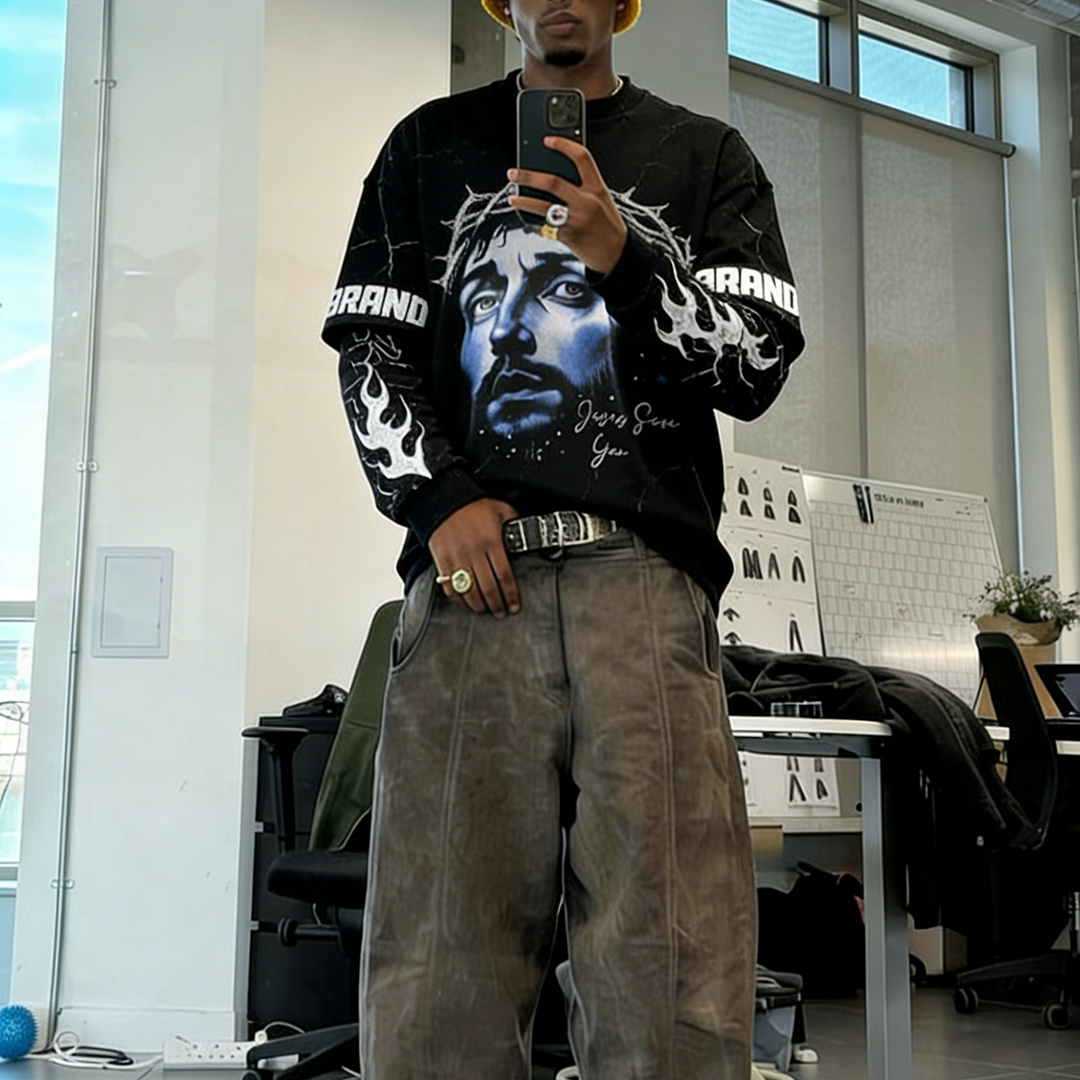
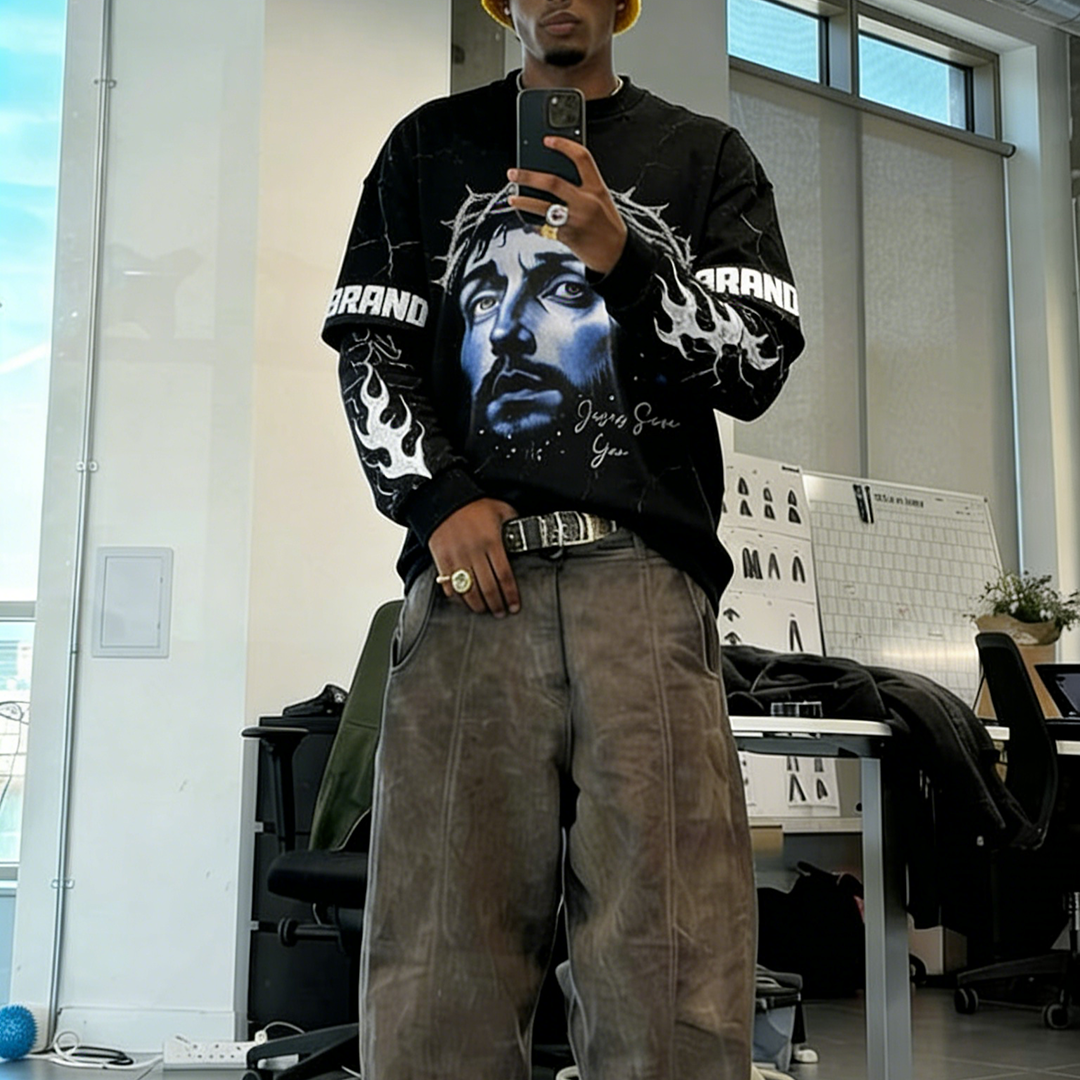
A 7-Point Checklist for Vetting Your Next Acid Wash T-Shirt Manufacturer in 2025
The resurgence of vintage aesthetics in contemporary streetwear has elevated the demand for authentically produced acid wash garments. This analysis provides a comprehensive framework for apparel brands seeking to partner with a specialized acid wash t-shirt manufacturer. It examines the critical technical capabilities required, from mastering various chemical and mechanical washing processes like stone wash, enzyme wash, and ozone wash, to achieving nuanced "visual aging" effects such as fading and distressing. The document further explores the significance of fabric expertise, particularly in relation to cotton GSM (grams per square meter) ranges of 180-400gsm, and its impact on the final product's structure, feel, and durability. Production flexibility, including low minimum order quantities (MOQs) for market testing and the capacity for large-scale expansion, is identified as a key attribute of a strategic manufacturing partner. Moreover, the importance of robust quality control systems, ethical compliance standards like SMETA 4-Pillar, and sustainable practices is thoroughly investigated as foundational to building brand trust and long-term value.
Key Takeaways
Evaluating Technical Mastery in Vintage and Acid Washes
The pursuit of the perfect vintage-inspired t-shirt begins not with a design, but with a process. The mottled, high-contrast finish of a classic acid wash is an iconic look, but in 2025, it represents just one note in a complex symphony of textile treatments. For a streetwear brand, selecting an acid wash t-shirt manufacturer is less about finding a vendor who can perform a single function and more about identifying a technical artisan who understands the chemistry and artistry of "visual aging." A truly capable partner possesses a deep and practical knowledge of a wide spectrum of washing techniques, each capable of imparting a unique character, texture, and narrative to a garment. Their expertise is the bridge between a simple cotton blank and a piece that feels like it has a history.
This initial stage of vetting is perhaps the most critical. It requires moving beyond surface-level inquiries and asking pointed questions about a manufacturer's processes, viewing their portfolio not as a catalog of past jobs but as evidence of their technical vocabulary. Can they articulate the subtle differences between the results of an enzyme wash and a stone wash? Do they have the equipment and expertise to perform delicate ozone fading for a sun-bleached effect without compromising fabric integrity? The answers to these questions reveal the depth of their craft and their potential to be a creative collaborator rather than just an order-taker.
Beyond the Basic Acid Wash: A Comparative Look
The term "acid wash" itself can be a bit of a misnomer in modern production. While the original 1980s technique involved pumice stones soaked in a chlorine bleach solution, today's methods are more varied and controlled. A premier acid wash t-shirt manufacturer will offer a suite of options, understanding how each interacts with different fabrics and dyes. Think of it like a painter's palette; each wash is a different color with which to paint the garment's story.
Acid washing, in its contemporary form, still aims for that iconic high-contrast, marbled appearance. It works by chemically stripping color from the fabric's surface in an uneven pattern. However, a manufacturer’s skill is shown in their ability to control this process to achieve a specific look—from a subtle, cloudy texture to a bold, dramatic pattern—without causing excessive fabric damage.
Stone washing, a close cousin, achieves a softened, worn-in feel and a slightly faded look through mechanical abrasion. Large pumice stones are tumbled with the garments, physically breaking down some of the fibers and dye. The result is a more uniform fade compared to acid wash, often concentrated along seams, collars, and hems, mimicking years of natural wear.
Enzyme washing offers a more refined and eco-friendlier alternative. Instead of stones, cellulase enzymes are used to eat away at the cellulose in cotton fibers. This process softens the fabric immensely and releases surface-level dye, creating a smooth, lived-in texture with a very subtle fade. It's the secret behind many "buttery soft" vintage tees that feel incredible against the skin.
Ozone washing represents the cutting edge of sustainable finishing. This waterless process uses ozone gas in a sealed chamber to oxidize the dye on the fabric's surface, bleaching it to a desired level. It can create a range of faded effects, from a light sun-kissed look to a more significant fade, all while drastically reducing water, chemical, and energy consumption. A manufacturer proficient in ozone washing is not only technically advanced but also aligned with the growing consumer demand for environmentally responsible apparel.
The table below offers a simplified comparison to help you understand which process might be right for your design concept.
When you speak with a potential manufacturer, ask them to provide physical samples of each type of wash on the same base fabric. Feeling the difference in hand-feel and seeing the color variation firsthand is an invaluable part of the decision-making process.
The Art of Authentic 'Visual Aging'
Creating an authentic vintage aesthetic is about more than just fading the color. It's about replicating the beautiful imperfections that come from a garment being worn and loved over time. This is where a manufacturer's attention to detail and artisanal skill truly shine. An exceptional partner understands how to layer different techniques to create a cohesive and believable "visual age."
Distressing is a key component. This can range from subtle grinding along the edges of the collar, cuffs, and hem to more pronounced rips and holes. The difference between an expert and a novice is control. An amateurish job results in perfectly symmetrical holes or abrasion that looks machine-made. A master craftsperson creates distressing that feels organic and random, telling a silent story about the garment's fictional life. They might use a combination of hand-sanding, blade-nicking, and specialized grinding tools to achieve this effect.
Raw edges are another popular feature in vintage and avant-garde streetwear. Instead of a clean, folded hem, the fabric is left with a cut edge that may be reinforced with a single line of stitching to prevent catastrophic unraveling while still allowing for a natural, subtle fray over time. The execution here is critical; the cut must be clean, and the reinforcing stitch must be precise.
Faded color effects, often achieved through pigment dyes or specialized washing cycles, go beyond a simple all-over fade. A skilled technician can create garments with a "sun-faded" look, where certain areas, like the shoulders, appear lighter, as if they were exposed to the sun on a hanger for years. This requires a nuanced understanding of dye application and removal.
Finally, the use of patches and complex embroidery contributes to the narrative. A manufacturer with deep expertise in retro styles can execute felt appliqué, chain stitching, and heavy embroidery that looks like it belongs to a specific era. They’ll understand how to combine these embellishments with a washed-down base garment to create a finished piece that feels like a rare vintage find, not a modern reproduction. This is a core competency that distinguishes a top-tier streetwear manufacturer from a standard garment factory.
Evaluating a Manufacturer's Portfolio and Samples
Talk is one thing; evidence is another. Before committing to any partnership, you must conduct a thorough review of a manufacturer's work.
Start with their digital portfolio. Look for high-resolution images of products they have produced, specifically focusing on the techniques you are interested in. Do their acid washes show good depth and variation? Is their distressing convincing? Do their heavyweight tees have the right structure? A manufacturer proud of their work, like Groovecolor, will often showcase their capabilities across different streetwear genres, from Y2K to luxury vintage.
However, a digital image can hide a lot. The next step is to request physical samples. Don't just ask for a generic sample; be specific. Request a sample of an acid-washed tee in a specific GSM (e.g., 240gsm), a stone-washed tee, and perhaps one with distressing. If possible, provide them with a physical reference garment of the exact look and feel you are trying to achieve. This is the ultimate test of their ability to replicate a desired aesthetic.
When the samples arrive, evaluate them under a critical eye and with a sensitive hand.
Visuals: Does the wash match your reference? Is the fading pattern dynamic and interesting, or flat and repetitive? Does the color look rich and nuanced, or cheap and synthetic?
Hand-Feel: How does the fabric feel? Is it soft and broken-in, or stiff and scratchy? A good wash process should soften the garment, not make it brittle.
Construction: Examine the seams. Are they puckering or pulling as a result of the washing process? A good manufacturer controls for shrinkage and manages tension during sewing.
Durability: Gently pull at the distressed areas. Do they feel like they will disintegrate after one wash, or are they reinforced enough to be stable?
This hands-on evaluation is non-negotiable. It is your first and best insight into the quality standards of a potential acid wash t-shirt manufacturer and will save you from costly mistakes during bulk production.
Assessing Fabric Expertise: The Unseen Foundation of Quality
While the visual drama of an acid wash captures the eye, the enduring quality of a t-shirt is rooted in its fabric. The weight, composition, and construction of the cotton knit are the canvas upon which all subsequent treatments are applied. A manufacturer who is merely proficient in washing techniques but lacks deep fabric expertise is like a painter who doesn't understand their canvases. They may create a visually appealing product initially, but it will lack the structure, comfort, and longevity that define premium streetwear. For a brand aiming to build a loyal following, the feel of the fabric and how it holds up over time is just as important as the graphic on the front.
This is why vetting a manufacturer's fabric knowledge is a crucial second step. It involves looking past their finished products and inquiring about their sourcing, their understanding of material science, and their ability to maintain consistency across large production runs. A top-tier partner will speak about fabric with the same fluency they use to describe wash processes. They will be able to guide you on the optimal GSM for a boxy silhouette, explain the difference in feel between ring-spun and combed cotton, and have a supply chain robust enough to source these materials consistently.
Understanding GSM (Grams per Square Meter)
GSM, or grams per square meter, is the single most important metric for understanding the weight and density of a fabric. It directly influences a t-shirt's drape, structure, warmth, and perceived quality. A higher GSM means a heavier, denser fabric. For streetwear t-shirts, the relevant range is typically between 180 and 400gsm. An expert acid wash t-shirt manufacturer will not only offer options across this spectrum but will also be able to advise you on which weight is appropriate for your desired fit and aesthetic.
180-220gsm (Midweight): This is the realm of premium basics. A t-shirt in this range feels more substantial than a standard fast-fashion tee. It has enough body to drape well without being clingy and serves as an excellent base for screen printing and light washes. It's a versatile choice for year-round collections.
230-280gsm (Heavyweight): This is where true streetwear often begins. T-shirts in this category have a distinct structure. They hold their shape well, making them ideal for boxy and oversized fits that stand away from the body. The fabric feels robust and durable, conveying a sense of quality and longevity. This weight range is perfect for more intensive washes like acid and stone washing, as the denser fabric can withstand the process better. Many brands find their core premium streetwear T-shirts in this sweet spot.
290-400gsm (Ultra-Heavyweight): This is the luxury tier. A t-shirt at 350gsm or higher feels more like a lightweight sweatshirt. It has a powerful architectural drape and a very premium, substantial hand-feel. These fabrics are excellent for creating statement pieces and are particularly suited for avant-garde silhouettes. However, they are also warmer and less breathable, making them more appropriate for cooler climates or fall/winter collections. Manufacturing at this weight requires specialized machinery and expertise to manage the fabric's thickness during sewing.
A manufacturer's experience with these different weights is telling. Can they source a reliable 250gsm single jersey that doesn't feel like cardboard? Do they have pattern makers who know how to adjust for the lack of drape in a 380gsm fabric? As noted by textile specialists, yarn quality becomes paramount at higher GSMs; a heavy fabric made from poor-quality yarn will feel stiff and board-like, whereas one made from high-quality, long-staple cotton will be dense yet soft (Groovecolor, 2025). Ask for fabric swatch cards with labeled GSMs to feel the differences yourself.
Cotton Quality and Knit Construction
GSM is only part of the story. The quality of the cotton fibers and how they are spun into yarn and knit into fabric determines the final hand-feel, durability, and how well the fabric takes to dyes and washes.
Yarn Type: You will often hear terms like "ring-spun" and "combed" cotton. Ring-spun cotton involves a process of twisting and thinning the cotton strands to make a very fine, strong, soft rope of fibers. It results in a noticeably softer and more durable fabric than standard open-end cotton. Combed cotton is an additional step where the fibers are literally combed to remove short, breakable fibers and impurities, leaving only the longest, strongest fibers. A t-shirt made from 100% combed ring-spun cotton is the gold standard for softness and a smooth surface, ideal for printing.
Knit Construction: The most common knit for t-shirts is single jersey. It's lightweight, flexible, and has a natural drape. French terry, more commonly used for hoodies and sweatpants, is another option for heavier tees. It features loops on the inside (the "terry" side) and a smooth surface on the outside. A lightweight French terry can be used for a t-shirt with a unique texture and a bit more structure than a jersey knit.
A knowledgeable manufacturer will be able to discuss these options with you. They will have established relationships with mills that can produce these specific types of knits and can explain the trade-offs between them in terms of cost, feel, and performance.
Sourcing and Ensuring Fabric Consistency
One of the biggest challenges in apparel production is consistency. A brand's nightmare is approving a perfect sample, only to receive a bulk order where the fabric feels thinner, rougher, or a different shade. This often happens when a manufacturer switches fabric suppliers between the sample and production runs to save costs, or when their supplier's quality is inconsistent.
This is where vetting a manufacturer's supply chain and quality control processes for raw materials becomes paramount.
Ask about their mills: Do they have long-term relationships with a few trusted fabric mills, or do they shop around for the cheapest option for every order? A long-term partnership with a mill usually translates to more consistent quality and priority service.
Inquire about their incoming QC: What is their process for inspecting fabric when it arrives at their facility? A top-tier acid wash t-shirt manufacturer will perform checks on every roll of fabric. This includes verifying the GSM to ensure it's within an acceptable tolerance (e.g., +/- 5%), checking the color against the approved standard, and inspecting for knitting defects, holes, or stains.
Discuss pre-production testing: Do they test the fabric for shrinkage and colorfastness before cutting the bulk order? This is a critical step, especially for garments that will undergo intensive washing. A fabric that shrinks 10% will completely throw off the garment's fit if the pattern isn't adjusted accordingly.
A manufacturer that can confidently and transparently detail these processes is one that takes fabric seriously. They understand that the foundation of a great garment is laid long before the first stitch is sewn.
Gauging Customization Capabilities and Design Execution
In the world of streetwear, fit is everything. A graphic that looks incredible on a standard-fit tee can lose all its impact on a boxy, dropped-shoulder silhouette if the proportions are wrong. The ability of a manufacturer to translate a brand's design vision into a physical, well-executed garment is what separates a mere production house from a true creative partner. This capability hinges on two key areas: their mastery of contemporary silhouettes and their technical prowess in a wide array of printing and embellishment techniques.
An acid wash t-shirt manufacturer who excels in this area acts as both a technical consultant and a skilled artisan. They can look at a tech pack or a reference garment and not only understand how to replicate it but also how to optimize it for production. They can suggest a slightly different seam placement to improve drape, recommend a specific print method to achieve a desired texture, and ensure that every element, from the width of the neck rib to the placement of a rhinestone, is executed with precision.
Mastering Modern Silhouettes
The last decade has seen a dramatic shift away from slim-fit garments towards more relaxed, architectural silhouettes. Terms like "boxy," "oversized," and "dropped shoulder" are now central to the streetwear lexicon. These fits are not simply about sizing up; they are about intentional pattern making.
Boxy Fit: This silhouette is characterized by a wider body and a straight, almost square shape. The shoulder seams often sit just off the natural shoulder point, and the length is sometimes slightly cropped. It creates a structured, modern look that stands away from the body.
Oversized Fit: A true oversized fit involves more than just a wide body. The chest, sleeves, and length are all proportionally enlarged to create a draped, voluminous effect. The armholes are typically lower and wider.
Dropped Shoulder: This is a key feature of many relaxed fits. The shoulder seam is extended several inches down the arm, creating a slouchy, casual aesthetic. The skill lies in ensuring the sleeve still hangs correctly and doesn't create awkward bunching under the arm.
A manufacturer's expertise in these fits is a direct reflection of the skill of their pattern-making department. An experienced pattern maker for streetwear understands these nuances. They know how to balance a wide body with the right sleeve length, how to shape an armhole for a dropped shoulder that looks intentional, and how to create a neckline that sits correctly on a boxy tee.
When vetting a manufacturer, ask to see examples of their work in these specific silhouettes. Better yet, provide them with a reference garment of a fit you love and ask them to replicate it in a sample. Their ability to nail the fit, drape, and proportions will tell you everything you need to know about their pattern-making capabilities.
A Spectrum of Printing and Embellishment Techniques
The surface of the t-shirt is your canvas for storytelling. A modern streetwear manufacturer must be equipped with a diverse arsenal of techniques to bring those stories to life, especially for styles rooted in Y2K and vintage aesthetics.
Screen Printing: This is the workhorse of t-shirt printing. However, there are many variations. Puff print uses an additive that expands under heat, creating a raised, 3D texture popular in 90s and Y2K designs. Cracked screen print uses a special ink that is designed to crack and flake as the garment is stretched and washed, creating an instant aged effect. High-density printing creates a sharp, rubbery, raised graphic.
Direct-to-Garment (DTG): This is essentially an inkjet printer for fabric, allowing for full-color, photorealistic prints with no minimums per color. It's ideal for highly detailed or painterly graphics. A hybrid approach, sometimes called Digital Squeegee, combines a DTG base with screen-printed elements for the best of both worlds.
Embroidery and Appliqué: These techniques add texture and a premium feel. Heavy embroidery with a high stitch count can create bold, impactful logos. Chenille patches, with their fuzzy, carpet-like texture, are a staple of varsity and retro styles. Felt appliqué involves stitching cut pieces of felt onto the garment, often used for lettering.
Rhinestone and Crystal Embellishment: A hallmark of Y2K fashion, the precise application of rhinestones, crystals, or studs requires specialized equipment and a meticulous eye for detail. A good manufacturer can create complex patterns that are durable enough to withstand washing.
A manufacturer’s willingness to combine these techniques is a sign of their creative and technical confidence. Imagine a heavyweight acid-washed tee featuring a cracked screen print, accented with puff print lettering and finished with a small, intricate embroidery detail on the sleeve. Executing such a piece requires a high level of coordination and expertise across multiple departments.
From Tech Pack to Reality: The Importance of Feasibility Review
A brand's vision is often expressed in a technical pack, or "tech pack." This document is the blueprint for the garment, containing sketches, measurements, fabric specifications, and details on all construction, printing, and washing requirements.
However, not everything that can be drawn can be easily or cost-effectively manufactured. This is where a manufacturer's role as a consultant is invaluable. A proactive partner will not just blindly accept a tech pack. They will conduct a thorough feasibility review.
Pattern Structure: They might notice that a proposed seam will intersect awkwardly with a graphic or that the pocket placement on a sketch will be uncomfortable for the wearer.
Process Feasibility: They might advise that a certain type of delicate fabric won't hold up to the harshness of a planned stone wash, or that a puff print will lose its definition if placed over a thick seam.
Material Selection: They could suggest a slightly different fabric blend that will achieve a similar feel but at a lower cost or with better dye uptake.
Scalability: They will identify any construction details that are extremely time-consuming and would make it difficult to produce the garment at scale without the price skyrocketing.
This collaborative feedback loop is a sign of a healthy partnership. The manufacturer's goal should be to help you create the best possible product, which sometimes means suggesting modifications to your original concept. This process of reviewing, providing feedback, and refining the tech pack before sampling begins saves immense amounts of time, money, and frustration. It ensures that the first sample is as close as possible to a production-ready garment, dramatically shortening the development timeline.
Analyzing Production Capacity and MOQ Flexibility
For any growing streetwear brand, the logistical dance between supply and demand is a constant challenge. Order too few units, and you sell out instantly, leaving potential revenue on the table and frustrating customers. Order too many, and you're stuck with dead stock that eats into your profits and clutters your inventory. The ideal acid wash t-shirt manufacturer is one that understands this delicate balance and has structured their operations to support brands at every stage of their growth journey.
This means they must offer a combination of two seemingly contradictory attributes: a low Minimum Order Quantity (MOQ) for initial runs and the proven capacity to scale up to large bulk orders seamlessly. This flexibility is not a happy accident; it is the result of strategic planning, sophisticated supply chain management, and a production model designed for agility. Vetting this aspect of a manufacturer's business is crucial for ensuring they can be a long-term partner, not just a one-off vendor.
The Small Batch vs. Scale-Up Dilemma
The MOQ is the minimum number of units a manufacturer is willing to produce for a single style or color. For a startup or a brand testing a new, edgy design, a high MOQ is a death sentence. Being forced to order 500 or 1,000 pieces of an unproven t-shirt is a massive financial risk.
This is why a manufacturer offering a low MOQ, typically in the range of 50 to 100 pieces per color, is so valuable. This allows a brand to:
Test the Market: Produce a small, limited drop to gauge customer interest without a huge upfront investment.
Offer More Variety: Use the same budget to produce 100 units of three different designs instead of 300 units of one design.
Maintain Exclusivity: Build hype with limited-edition releases that sell out quickly.
Refine the Product: Gather customer feedback from the first small batch to make improvements before committing to a larger order.
However, a low MOQ is useless if the manufacturer cannot handle your success. What happens when that limited drop sells out in hours and you need 5,000 units for a restock? A manufacturer that only specializes in small-batch production won't have the infrastructure, manpower, or supply chain relationships to handle that kind of volume quickly.
This is the dilemma. You need a partner who can cater to your small beginnings but also has the muscle to support your explosive growth. The ideal streetwear manufacturer has a tiered system. They have dedicated sampling lines and small-batch production teams that can efficiently handle 50-100 unit orders. Simultaneously, they operate large-scale production lines, supported by robust Enterprise Resource Planning (ERP) systems, that can be fired up to produce thousands of units of that same validated design. This dual capability is a hallmark of a sophisticated and strategically-minded manufacturing operation.
Assessing True Production Capacity
Many manufacturers will boast impressive-sounding capacity numbers, such as "500,000 pieces per month." While this indicates a large operation, the number itself can be misleading. As a brand owner, you need to dig deeper to understand what that capacity means for you.
Capacity Allocation: How is that capacity allocated? Is it already booked up by a few massive clients, meaning your smaller order will constantly be pushed to the back of the queue? Or do they have a system for balancing large and small orders?
Lead Times at Scale: What is their lead time for a 100-piece order versus a 10,000-piece order? A good manufacturer should be able to give you a clear production schedule. While the larger order will naturally take longer, the increase in time should be reasonable and predictable.
Supply Chain Robustness: Can their fabric mills and trim suppliers handle a sudden, massive increase in your orders? A manufacturer with a mature supply chain has pre-negotiated terms and capacity with their suppliers to accommodate such surges. They have a "coordinated material pool," meaning they stock or have immediate access to large quantities of commonly used fabrics.
Don't be afraid to ask direct questions: "If we placed a 100-piece test order with a 4-week lead time, and it was successful, what would be the realistic lead time for a 5,000-piece reorder?" Their answer—and how confidently they deliver it—will reveal a lot about their operational readiness for scaling.
The Role of Supply Chain Management and Geographic Advantage
The ability to offer both low MOQs and high capacity is often tied to the manufacturer's location and the maturity of its surrounding supply chain ecosystem. A manufacturer's claim of a "China-centered, mature supply chain" is significant (Groovecolor, n.d.). Regions like the Pearl River Delta in China have spent decades building an incredibly dense and specialized network of suppliers.
Within a few square miles, a garment factory can have access to hundreds of fabric mills, dye houses, printing workshops, embroidery specialists, and trim suppliers. This hyper-specialization and competition create several advantages:
Access to Materials: The sheer variety of available fabrics and trims is unparalleled. This makes it easier to source the exact 260gsm acid-wash-ready cotton jersey you need.
Cost Efficiency: Competition among suppliers keeps costs for raw materials and specialized services like printing or washing competitive.
Speed and Agility: When a factory needs a specific zipper or a unique type of embroidery thread, they can often get it delivered the same day, not in weeks. This drastically reduces production lead times.
This ecosystem is what allows a manufacturer to be flexible. They can easily source a small amount of fabric for a 50-piece order from a local mill. When a large order comes in, they can tap into multiple suppliers simultaneously to meet the demand.
This is not to say that manufacturing in other regions such as the USA, Portugal, or Turkey is not viable. A U.S.-based manufacturer like Garment Decor, for example, offers advantages including faster shipping to North American customers and the appeal of domestic production (Garment Decor, 2024).
However, the scale and supply-chain density found in established Chinese manufacturing hubs often provide a different set of strategic benefits. These ecosystems support a broader range of material options, deeper technical specialization—particularly for complex wash processes, advanced printing, and embellishment techniques—and a stronger ability to scale production efficiently. Manufacturers operating within these hubs, including Groovecolor and other comparable Chinese streetwear-focused factories, tend to benefit from tightly integrated networks spanning fabric mills, wash houses, trimming suppliers, and quality control infrastructure.
When vetting an acid wash T-shirt manufacturer, understanding the strengths and limitations of each geographic location—and the maturity of its surrounding supply chain—is a critical component of informed sourcing strategy, rather than a simple question of country preference.
Investigating Quality Control Frameworks and Consistency
There is no greater disappointment for a brand owner than receiving a bulk shipment that is a shadow of the beautiful pre-production sample they approved. Colors are slightly off, the fit varies between sizes, and the hand-feel of the fabric is just not the same. These inconsistencies are the silent killers of brand reputation. A customer who receives a flawless t-shirt one month and a subpar one the next is unlikely to return. Therefore, a manufacturer's commitment to quality control (QC) is not a "nice-to-have"; it is the very bedrock of a trustworthy and scalable partnership.
A truly professional acid wash t-shirt manufacturer does not view quality control as a final step where they simply inspect finished goods. Instead, they embed quality assurance into every single stage of the production process, from the moment raw materials arrive to the final packing of the boxes. This systematic approach, often modeled on international standards like ISO 9001, is designed to catch potential problems early and prevent them from multiplying, ensuring that the 1,000th t-shirt is identical in quality to the first.
A Model for a Robust QC Process
An effective quality control system is a multi-stage process where each step acts as a gate. A batch of products cannot move to the next stage until it has passed the quality checks of the current one. While specifics may vary, a top-tier manufacturer's framework will likely include the following key checkpoints, sometimes referred to as a "quality locking mechanism."
Incoming Material Inspection: As discussed earlier, this is the first line of defense. Every roll of fabric and every batch of trims (threads, labels, zippers, etc.) is inspected upon arrival. Fabric is checked for correct GSM, color consistency against a standard, and physical defects. Trims are checked for quality and color match. Any material that fails this inspection is rejected before it ever enters the production line.
Pre-Production Testing: Before the bulk fabric is cut, a small sample is put through the entire production process. It's cut, sewn, washed, and printed. This serves as a final test to confirm fabric shrinkage, colorfastness during washing, and the compatibility of the inks and threads with the fabric and processes. The pattern may be slightly adjusted based on the final shrinkage results.
Cutting Inspection: Once the bulk fabric is laid out and cut, the cut pieces are inspected to ensure they match the pattern shapes and sizes precisely. Modern factories often use laser-assisted or automated cutting for accuracy, but a human check is still vital.
In-Line Sewing Inspection: Quality is not just checked at the end of the sewing line. QC personnel patrol the sewing floor, randomly inspecting garments as they are being made. They check for things like stitch tension, seam allowance accuracy, and correct construction methods. This allows them to catch an operator error or a machine malfunction immediately, preventing hundreds of faulty garments from being produced.
Post-Wash/Dyeing Inspection: For an acid wash t-shirt manufacturer, this is a critical stage. After the garments come out of the washing or dyeing process, they are inspected for color consistency, correct fading patterns, and any fabric damage that may have occurred.
Post-Printing/Embroidery Inspection: Similarly, after the embellishments are applied, each garment is checked. Is the print placed correctly? Are the colors accurate? Is the embroidery clean with no loose threads? Is the puff print fully "puffed"?
Finishing and Trimming Inspection: In the finishing department, garments are trimmed of any loose threads, ironed, folded, and have hangtags attached. QC staff perform another check here to ensure the garment's final presentation is perfect.
Final Random Inspection (AQL): Before the order is packed for shipping, a final inspection is performed based on an internationally recognized statistical sampling method, such as AQL (Acceptable Quality Limit). A random sample of the total order is pulled and meticulously inspected. The number of defects found determines whether the entire batch passes or fails. A manufacturer who is transparent about their AQL standards and shares the final inspection report with you is one who is confident in their quality.
The Perils of Inconsistency: A Brand's Perspective
Imagine you're a brand owner. You've spent months perfecting a new design: a 250gsm heavyweight tee with a subtle acid wash and a two-color cracked screen print. You receive the pre-production sample, and it's perfect. The fit is a flawless boxy silhouette, the fabric is soft yet structured, and the wash is a beautiful, cloudy grey. You give the green light for a 1,000-piece order.
Six weeks later, ten large boxes arrive at your warehouse. You excitedly open the first one and pull out a t-shirt. Your heart sinks. The fabric feels noticeably thinner and stiffer. The acid wash is more blotchy than cloudy. You pick up another one, and the print is placed half an inch lower. You frantically open another box and find a batch where the grey color is a shade darker than the rest. You now have 1,000 t-shirts that you can't sell as the premium product you promised your customers. This is the tangible cost of poor quality control. It erodes profit, damages brand reputation, and destroys trust in your supply chain.
Demanding Transparency in the QC Process
A reliable manufacturing partner will not hide their QC process from you. On the contrary, they will be proud of it and use it as a selling point. When vetting a manufacturer, you should demand transparency.
Ask for their QC manual: A serious factory will have a documented quality control process. Ask them to share it with you.
Request in-process reports: Ask if they can provide you with photos and reports from key stages of production, such as the results of the in-line sewing inspection or the post-wash inspection. This gives you visibility into your order's progress and quality without you having to be physically present at the factory.
Clarify communication channels: Who is your point of contact if a quality issue arises? How are problems reported and resolved? A professional acid wash t-shirt manufacturer will have a clear protocol for this. They will proactively inform you of any issues they encounter (e.g., "The first 50 pieces from the wash came out slightly too dark, so we have adjusted the cycle for the rest of the batch") and propose solutions, rather than waiting for you to discover the problem upon delivery.
This level of proactive communication and transparency is the hallmark of a manufacturer who sees you as a partner. They understand that their success is tied to your success, and they take responsibility for delivering the quality they promised, every single time.
Verifying Compliance, Ethical Standards, and Sustainability
In the modern marketplace, a brand is judged not only by the quality of its products but also by the integrity of its supply chain. Consumers, particularly the discerning audience for streetwear, are increasingly conscious of the environmental and social impact of their purchases. They want to support brands that align with their values. Therefore, partnering with an acid wash t-shirt manufacturer who can demonstrate a genuine commitment to ethical labor practices, environmental responsibility, and business integrity is no longer an option—it is a strategic necessity.
Verifying a manufacturer's compliance is not about a simple checkbox. It involves understanding the different certification standards, inquiring about their specific sustainability initiatives, and recognizing that a truly ethical approach is woven into the fabric of their entire operation. This commitment not only mitigates reputational risk for your brand but also contributes to a more sustainable and equitable global apparel industry.
Beyond the Basics: Understanding Compliance Certifications
Many factories will claim to be "certified," but not all certifications are created equal. It's important for brand owners to understand the scope and rigor of different standards.
BSCI (Business Social Compliance Initiative) is a common, industry-driven standard that focuses primarily on social compliance. It audits a factory's performance across areas like working hours, fair wages, prohibition of child labor, and workplace health and safety. While a BSCI audit is a good baseline indicator of social compliance, it is often seen as a starting point.
SMETA (Sedex Members Ethical Trade Audit) is widely regarded as a more comprehensive and rigorous auditing methodology. Sedex is a global organization that provides a platform for companies to manage and share ethical supply chain data. A SMETA audit can be conducted against two or four "pillars."
SMETA 2-Pillar: This covers the foundational aspects of Labour Standards and Health & Safety. It also includes elements of environmental assessment.
SMETA 4-Pillar: This is the gold standard. It includes the two pillars above and adds two more: Environmental Protection (a more in-depth assessment than in the 2-pillar audit) and Business Ethics. The Business Ethics pillar is crucial; it assesses the manufacturer's policies and practices related to preventing bribery, corruption, and other unethical business practices.
When a manufacturer has achieved SMETA 4-Pillar certification, it is signalling a commitment to broader responsibility across labour standards, health and safety, environmental practices, and business ethics. This framework is increasingly used by major global brands that require verifiable, third-party compliance. Through the Sedex platform, manufacturers can provide brand partners with controlled access to their full audit reports, enabling transparent and independent verification of their status (Sedex, 2023). Groovecolor’s SMETA 4-Pillar certification is positioned in this way: not as an empty claim, but as a documented standard that can be reviewed by serious partners who need confidence in their supply chain.
Sustainable Manufacturing in Practice
For an acid wash t-shirt manufacturer, sustainability presents a particular challenge and opportunity. Traditional dyeing and washing processes are notoriously water and chemical-intensive. A forward-thinking manufacturer will be actively implementing strategies to mitigate this impact.
Water-Saving Technologies: Look for manufacturers who have invested in technologies like ozone washing, which can create faded looks with minimal to no water. Ask about their water treatment facilities. Do they treat their wastewater before releasing it, removing harmful chemicals and dyes?
Eco-Friendly Chemicals and Dyes: Inquire about their use of dyes that are compliant with standards like OEKO-TEX, which certify that the textiles are free from harmful levels of more than 100 substances known to be dangerous to human health.
Recycled and Organic Materials: A key aspect of sustainability is material choice. A capable manufacturer should have a robust supply chain for sourcing high-quality organic cotton (grown without synthetic pesticides or fertilizers) and recycled materials. This could include recycled cotton, made from post-industrial or post-consumer waste, which significantly reduces water and energy use compared to virgin cotton.
Why Ethical and Sustainable Manufacturing Builds Brand Value
Partnering with a compliant and sustainable manufacturer is more than just risk management; it is a powerful tool for building brand value.
Enhanced Brand Reputation: In an age of social media and instant information, supply chain transparency is key. Being able to confidently tell your customers that your products are made in a factory that treats its workers fairly and respects the environment is a powerful marketing message.
Attracting Conscious Consumers: A growing segment of the market actively seeks out and is willing to pay a premium for sustainable and ethically made products. A transparent supply chain becomes a key differentiator for your brand.
Future-Proofing Your Business: Regulatory landscapes are changing. Governments in Europe and North America are increasingly introducing legislation that requires companies to conduct due diligence on the human rights and environmental impacts of their supply chains. By partnering with a compliant manufacturer from the start, you are future-proofing your business against these evolving legal requirements.
Building a Stronger Partnership: A manufacturer who is committed to ethical business practices is more likely to be a reliable, honest, and transparent partner in all aspects of your relationship. Their commitment to integrity in one area often reflects their overall business philosophy.
Ultimately, the choice of an acid wash t-shirt manufacturer is a reflection of your brand's values. Choosing a partner who prioritizes people and the planet is a decision that pays dividends in brand loyalty, market resilience, and the personal satisfaction of building a business you can be proud of.
Seeking a True Partnership with Value-Added Services
In the final analysis, the process of selecting an acid wash t-shirt manufacturer transcends a simple transactional relationship. The goal is not merely to find a vendor who can produce goods to a certain specification for a certain price. The true aim is to discover a strategic partner—an extension of your own team who is as invested in your brand's growth and success as you are. This kind of synergistic relationship is built on a foundation of excellent communication, mutual trust, and a shared vision.
A manufacturer that operates with this partnership mindset often distinguishes itself by offering value-added services that go beyond the core functions of cutting, sewing, and finishing. These services are designed to support a brand's operational efficiency, market intelligence, and overall growth trajectory. Identifying a manufacturer who thinks like a partner is the final, crucial piece of the vetting puzzle.
More Than a Vendor: Hallmarks of a Strategic Partner
The difference between a vendor and a partner becomes clear through communication and behavior, especially when challenges arise.
Responsiveness and Proactive Communication: A partner responds to emails and queries promptly. More importantly, they communicate proactively. They don't wait for you to ask for an update; they provide regular status reports. If a potential issue arises—a delay in fabric delivery, a problem in the wash pilot—they inform you immediately, explain the situation, and propose a solution. A vendor, by contrast, might go silent, hoping the problem resolves itself or that you won't notice until it's too late.
Long-Term Vision: A partner is interested in your brand's long-term strategy. They ask about your goals for the next season, your target markets, and your growth plans. This allows them to anticipate your future needs, perhaps by securing production capacity in advance or researching new techniques that align with your evolving aesthetic. A vendor is primarily concerned with the current order and the next invoice.
Accountability and Problem-Solving: When mistakes happen—and in manufacturing, they sometimes do—a partner takes ownership. They don't make excuses or blame other parties. They focus on finding a solution, whether it's remaking a portion of the order or offering a credit. This accountability is the cornerstone of trust.
A manufacturer's client retention rate is a powerful indicator of their partnership approach. A high percentage of repeat orders and long-standing client relationships (e.g., partnerships exceeding 5 or 10 years) are strong evidence that they are successfully building and maintaining these kinds of trusted, long-term relationships.
Services That Support Brand Growth
A forward-thinking acid wash t-shirt manufacturer understands that their role can extend beyond the factory floor. By leveraging their position within the industry, they can offer services that provide immense value to a growing brand.
Market and Trend Insights: A manufacturer who works with numerous streetwear brands has a unique vantage point on the market. They see which silhouettes, colors, and techniques are gaining traction. A true partner might share these insights, offering suggestions like, "We're seeing a lot of demand for boxy fits with a slightly longer sleeve length," or "There's a new enzyme wash that produces a really unique vintage effect; we could try it on your next sample." This is not about copying other brands but about providing valuable market intelligence to inform your creative process.
Content Creation Support: For many direct-to-consumer brands, high-quality product photography and video are essential but costly and time-consuming. Some manufacturers offer in-house content creation services as a value-add for their long-term partners. They can shoot professional photos and short videos of the finished products before they even ship. This allows a brand to prepare its marketing campaigns and website updates in parallel with shipping, significantly speeding up the time-to-market.
Logistical and Replenishment Strategy: An experienced manufacturer who ships globally understands logistics. They can advise on the most cost-effective shipping methods and help you navigate customs. Furthermore, they can work with you on a replenishment strategy. Based on your sales data, they can help you plan reorders to avoid stockouts of your bestselling custom heavyweight tees, ensuring a steady supply to meet customer demand.
These services demonstrate that the manufacturer is thinking holistically about your business, not just about their piece of the production puzzle.
The Final Gut Check: Building Trust from Day One
Ultimately, the decision to partner with a manufacturer comes down to trust. This trust is built incrementally, starting from the very first interaction.
Initial Inquiry: How did they handle your first email? Was the response prompt, professional, and detailed? Did they answer all your questions clearly, or was it a generic, copied-and-pasted reply?
Sampling Process: How collaborative was the sampling phase? Did they offer constructive feedback on your tech pack? Were they transparent about costs and timelines? How did they handle requests for revisions?
Transparency: Were they open about their processes, their QC framework, and their compliance certifications? A manufacturer with nothing to hide will be an open book.
Think of the initial inquiry and sampling process as a courtship. It's an opportunity for both sides to determine if they are a good fit. Pay attention to your intuition. Do you feel like you are being heard? Do you trust the advice they are giving you? Do you believe they have your brand's best interests at heart?
Choosing an acid wash t-shirt manufacturer is one of the most important decisions you will make for your apparel brand. By conducting thorough due diligence across technical capability, fabric expertise, production flexibility, quality control, ethical standards, and partnership potential, you can find a manufacturer who will not only produce exceptional garments but will also serve as a vital engine for your brand's long-term growth and success.
Frequently Asked Questions
What is a reasonable cost for a custom acid wash t-shirt?
The cost can vary significantly based on fabric weight (GSM), order quantity (MOQ), complexity of the design (e.g., multi-color print, embroidery), and the manufacturer's location. For a heavyweight (220-260gsm) tee with a single-color print from a reputable overseas manufacturer, you might expect a per-unit cost in the range of $12-$18 on a small batch order. This price can decrease with larger volumes. US-based production may be higher due to labor costs.
How long does the acid wash manufacturing process typically take?
For a new acid wash design, the full manufacturing process—from order confirmation to shipment—generally takes around 4 to 8 weeks. This usually includes fabric sourcing (1–2 weeks), cutting and sewing (1–2 weeks), washing and dyeing (about 1 week), printing or embroidery (around 1 week), followed by quality inspection and packing.
When working with integrated streetwear T-shirt manufacturers that handle washing, sampling, and bulk production in-house—such as Groovecolor and other manufacturers of a similar production model—timelines can be more controlled. In these cases, sampling typically takes around 2–3 weeks, while bulk production is often completed within 3–4 weeks, depending on order volume and technical complexity. Repeat orders are usually faster, as the development stage is reduced or skipped.
Can the acid wash process damage the t-shirt fabric?
Yes, if not done correctly. The chemicals and mechanical abrasion used in acid and stone washing can weaken cotton fibers. A skilled acid wash t-shirt manufacturer mitigates this by using high-quality, durable fabrics (typically heavier weights), precisely controlling chemical concentrations, and managing cycle times to achieve the desired look without compromising the garment's structural integrity.
What is the main difference between a manufacturer in China versus one in the USA?
Manufacturers in China, particularly in established hubs, often offer unparalleled access to a vast and specialized supply chain, leading to more options for fabrics, techniques (like complex washes), and highly competitive pricing, especially at scale. US-based manufacturers, like Garment Decor, offer benefits like faster shipping to North American markets, no import duties or customs hurdles for domestic brands, and the appeal of "Made in the USA" branding. The choice often depends on a brand's priorities regarding cost, specialization, lead time, and brand narrative.
How do I prepare a tech pack for a custom acid wash t-shirt?
A good tech pack should be as detailed as possible. It should include: a technical flat sketch of the t-shirt (front and back), a complete list of measurements for at least one sample size, fabric specifications (e.g., "100% cotton jersey, 250gsm"), detailed callouts for the wash (e.g., "medium-contrast acid wash, see reference photo"), artwork files for any prints with placement and dimensions, and details for labels and tags. Providing a physical reference garment for the desired wash and fit is also highly recommended.
Is the acid washing process environmentally friendly?
Traditionally, no. The process historically used significant amounts of water and harsh chemicals like chlorine. However, modern and responsible manufacturers have adopted more sustainable practices. This includes using ozone washing (a waterless technique), investing in advanced wastewater treatment plants to clean the water before discharge, and using chemicals that are less harmful to the environment. When vetting a manufacturer, always ask about their specific environmental protection measures.
Conclusion
Embarking on the journey to create the perfect acid wash t-shirt collection is a complex but rewarding endeavor. The success of your line does not rest solely on the strength of your designs, but is deeply intertwined with the capabilities, ethics, and partnership mentality of the manufacturer you choose. Moving beyond a simple vendor search to a meticulous vetting process is paramount. By systematically evaluating a potential partner's technical mastery of vintage washes, their profound understanding of fabric science, and their capacity for executing nuanced, contemporary silhouettes, you lay a foundation for product excellence.
Furthermore, a manufacturer's operational structure—their ability to offer the agility of low MOQs for testing while possessing the horsepower for scaling—is what allows a brand to grow intelligently and sustainably. This, combined with an unwavering commitment to multi-stage quality control, ensures that the promise you make to your customers with the first sample is the promise you keep with every subsequent piece. In an era of conscious consumerism, aligning with a partner who champions ethical production through verifiable standards like SMETA and invests in sustainable practices is not just good karma; it is smart business. Ultimately, the goal is to find more than a factory; it is to find a collaborator who will help you translate your vision, navigate the complexities of production, and build a brand with both cultural resonance and lasting quality.
References
Garment Decor. (2024). Make your streetwear T shirts - Custom screen printed heavyweight garment dyed T shirts. Garment Decor.
Groovecolor. (n.d.). Groovecolor | A premium streetwear manufacturing partner that grows with brands. Groovecolor.
Groovecolor. (2025). How fabric weight shapes sweatpants comfort, warmth, and cost. Groovecolor. https://m.groovecolor.com/blog/How-Fabric-Weight-Shapes-Sweatpants-Comfort-Warmth-and-Cost_b16710
Kozlowski, R. M., & Mackiewicz-Talarczyk, M. (Eds.). (2020). Handbook of natural fibres (2nd ed., Vol. 2). Woodhead Publishing.
Sedex. (2023). What is a SMETA audit? Sedex.
Yusuf, M. (2017). Handbook of textile and industrial dyeing, volume 1: Principles, processes and types of dyes. Woodhead Publishing.