Are Clothing Manufacturers in China Suitable for Premium Y2K Streetwear Shorts?
- Share
- publisher
- GROOVECOLOR
- Issue Time
- Jun 8,2026
Summary
Are clothing manufacturers in China suitable for premium Y2K streetwear shorts? Discover how specialized cut and sew facilities handle 450 GSM fabrics, complex acid washes, and oversized grading without color drift. This guide helps established streetwear brands evaluate factory infrastructure, batch-level quality locking, and inline QC processes to ensure sample-to-bulk repeatability for custom high-quality shorts. Scale your production with proven supply chain stability.
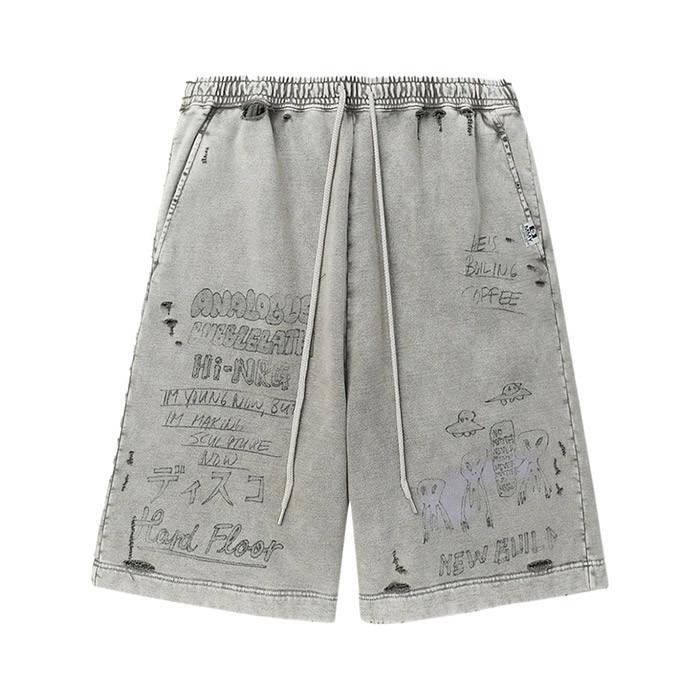
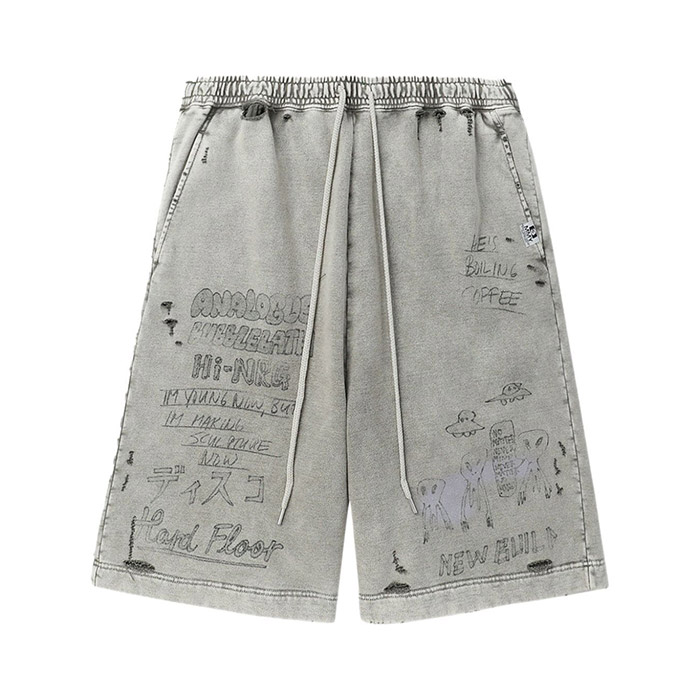
The resurgence of Y2K streetwear fashion has fundamentally shifted the sourcing landscape for global fashion labels. As the global Y2K fashion market is projected to reach $19.3 billion by 2033, growing at a CAGR of 9.2%, established streetwear brands face a critical operational challenge: finding a high quality streetwear shorts manufacturer capable of executing complex washes, oversized silhouettes, and heavy embellishments at scale. While many procurement teams look toward global hubs, understanding whether clothing manufacturers in China can meet these stringent cultural and technical demands requires a deep dive into manufacturing structures, rather than surface-level factory claims. The core of the issue is not merely finding a factory that can produce a single, perfect sample, but rather securing a supply chain partner whose infrastructure is engineered specifically for the rigorous demands of custom premium streetwear shorts production.
In an industry where a 2cm deviation in inseam length or a slight variance in wash depth can entirely ruin the intended aesthetic, traditional menswear factories often fall short. They operate on principles of high-speed, low-variance production, which directly contradicts the experimental, highly tactile nature of cut and sew Y2K clothing. This article serves as a comprehensive, decision-driven framework for procurement directors and creative teams. We will dissect the technical prerequisites, structural trade-offs, and verification methodologies necessary to evaluate whether a China-based manufacturer is truly equipped to handle the complexities of your next seasonal collection. This is not about finding the cheapest option; it is about finding the most capable partner to protect your brand's integrity. The transition from conceptual design to physical reality requires a partner who speaks the same technical language.
The stakes are incredibly high. A failed production run of premium streetwear shorts does not just mean lost revenue; it means a damaged reputation in a market that values authenticity above all else. Consumers of Y2K fashion are highly discerning. They understand the difference between a genuine acid wash and a cheap print imitation. They know how a 450 GSM French terry short should drape on the body compared to a flimsy 250 GSM alternative. Therefore, the decision of where to manufacture is arguably the most important strategic choice a streetwear brand will make this year. Sourcing must evolve from a transactional purchasing exercise into a strategic partnership focused on long-term brand equity and product excellence.
Key Takeaways for Established Streetwear Brands
- ▸ Advanced pattern engineering and specialized wash facilities are non-negotiable prerequisites for executing authentic Y2K aesthetics, moving beyond basic cut-and-sew operations.
- ▸ Batch-level quality locking and in-house process control mitigate the severe risks of sizing drift and wash variance during high-volume production runs.
- ▸ Evaluating a supplier's capacity to handle heavyweight fabrics and complex hardware integration is crucial for maintaining premium brand positioning in the competitive streetwear market.
- ▸ Strategic test runs and comprehensive compliance audits serve as critical decision gates before transitioning seasonal collections into mass manufacturing environments.
Why Do Premium Y2K Streetwear Shorts Demand Specialized Manufacturing Capabilities?
Premium Y2K streetwear shorts require specialized manufacturing because they rely on complex structural elements—such as heavyweight denim or fleece, aggressive acid washes, multi-layered appliqué, and exaggerated silhouettes—that standard apparel factories simply cannot execute reliably at scale without severe quality degradation.
The operational reality for fashion labels today is that producing custom premium streetwear shorts is vastly different from manufacturing basic athletic wear. The aesthetic language of the early 2000s revival hinges on specific tactile and visual cues. According to recent market data, US online apparel sales are projected to surpass $160 billion by 2026, with over 40% of Gen Z consumers prioritizing brands that reflect authentic subcultural identities [1]. This demand translates directly into technical complexity on the factory floor. When brands specify a 450 GSM French terry short with a vintage fade and puff print graphics, they are combining three high-risk processes into a single garment. The margin for error is virtually nonexistent. If the puff print is applied before the wash, it may crack or peel; if applied after, the fabric's altered surface tension may reject the ink. These sequencing decisions require a manufacturer with deep, specialized knowledge of streetwear production logic.
Standard facilities often struggle with these requirements because their infrastructure is optimized for lightweight, predictable fabrics. For instance, aggressive stone washing or enzyme treatments applied to heavy cotton can cause unpredictable shrinkage rates, sometimes varying by up to 8% if not strictly controlled. Furthermore, the oversized, drop-crotch, or wide-leg silhouettes typical of cut and sew Y2K clothing demand completely different grading rules across size runs. If a factory applies standard menswear grading to an oversized short, the proportions will collapse on larger sizes, destroying the intended drape. Therefore, a specialized streetwear apparel production approach is required, where patternmakers understand how fabric weight interacts with specific wash recipes before the first sample is even cut. This front-end anticipation of bulk-production issues is what separates a true manufacturing partner from a mere assembly workshop.
Moreover, the cultural context of Y2K fashion dictates that the garments must feel "lived-in" yet structurally sound. This duality is difficult to achieve. A standard factory might attempt to replicate a vintage fade by simply reducing dye concentration, resulting in a flat, uninspiring color rather than the multi-dimensional highs and lows of a true acid wash. The ability to execute these nuanced finishes consistently across thousands of units is the true test of a high quality streetwear shorts manufacturer. It requires not only advanced machinery but also a workforce trained to recognize the subtle visual cues that define premium streetwear. Without this cultural alignment, the final product will always feel like an imitation rather than an authentic piece of streetwear. It is the subtle details—the exact distressing on the hem, the specific weight of the drawcord, the precise placement of a woven label—that collectively justify a premium retail price point.
Which Technical Signals Indicate a Factory Can Handle Complex Y2K Wash Treatments?
A factory's capability to handle complex Y2K washes is proven by their in-house recipe control, batch-testing protocols for colorfastness, and the presence of dedicated wet-processing engineers who can adjust chemical ratios to account for natural fabric variances across bulk fabric rolls.
Washing is arguably the highest-risk variable in streetwear production. The vintage, lived-in look that defines Y2K fashion—such as sun-faded blacks, rust-tinted denims, or heavily distressed seams—cannot be achieved through standard dyeing. It requires a chemical and physical degradation process that inherently weakens the fabric. Procurement teams must verify that a supplier does not simply outsource this critical step to uncontrolled third-party washhouses. When evaluating clothing manufacturers in China, the key differentiator is whether they maintain strict internal oversight over the wash parameters. The lack of internal control is often the root cause of the infamous "sample vs. bulk" discrepancy, where the approved prototype looks perfect, but the delivered order is a chaotic mix of varying shades and unintended distressing.
Critical Audit Points for Wash Capabilities
- ▸ Recipe Documentation: Does the factory record the exact temperature, duration, and chemical load (e.g., pumice stone ratio, enzyme concentration) for the approved sample? This documentation is the only safeguard against batch-to-batch variation.
- ▸ Shrinkage Compensation: Is the pre-wash pattern intentionally oversized to account for the specific shrinkage rate of the chosen wash? A failure here results in entire production runs failing basic spec measurements.
- ▸ Hardware Integrity: Are zippers, rivets, and drawstrings tested to withstand the corrosive environment of an acid or bleach wash without rusting or failing? Corroded hardware is a massive liability that can lead to total product recall.
- ▸ Inline Color Measurement: Does the facility utilize spectrophotometers to objectively measure shade depth across different fabric rolls, rather than relying solely on the subjective human eye?
Industry data indicates that wash-related defects—including excessive shade variation, uneven distressing, and fabric tearing—account for nearly 35% of all bulk rejections in premium denim and heavy fleece categories [2]. To mitigate this, mature brands require their manufacturing partners to conduct PP (Pre-Production) wash tests on the actual bulk fabric lot, rather than relying on the sample yardage. This is because fabric from different dye lots reacts differently to enzymes. A supplier that proactively identifies these discrepancies and adjusts the wash recipe before cutting the entire order demonstrates the operational maturity necessary for a robust global sourcing strategy. They understand that a wash is not a static formula, but a dynamic process that must be constantly calibrated against the physical realities of the raw materials.
Furthermore, the environmental impact of these washes is increasingly scrutinized by global regulators and consumers alike. When sourcing OEM streetwear shorts, brands must ensure that the manufacturer complies with wastewater treatment standards. A factory that operates a closed-loop water recycling system or holds certifications like ZDHC (Sedex) not only mitigates compliance risks but also signals a higher level of overall operational sophistication. Factories cutting corners on environmental compliance are highly likely to cut corners on product quality as well. This holistic view of the manufacturing process is essential for long-term brand sustainability. It ensures that as the brand scales, it does not inadvertently accumulate massive compliance liabilities that could disrupt operations or damage public perception.
How Do You Verify Sample-to-Bulk Repeatability for OEM Streetwear Shorts?
Sample-to-bulk repeatability is verified by auditing a factory's Standard Operating Procedures (SOPs) for grading, their inline quality control checkpoints during sewing and printing, and their ability to maintain strict tolerances across thousands of units without relying on manual guesswork.
One of the most pervasive risks when transitioning from a successful prototype to a 5,000-unit production run is the degradation of fit and finish. A sample is often crafted by a master sewer under highly controlled conditions. Bulk production, however, involves assembly lines, multiple operators, and the pressure of lead times. For OEM streetwear shorts, where details like cargo pocket placement, embroidery density, and inseam length define the product's identity, any deviation is immediately noticeable to the end consumer. The challenge is magnified in Y2K fashion, where the interplay of oversized fits and heavy materials leaves very little room to hide structural flaws. A dropped shoulder seam or a misaligned cargo pocket can entirely disrupt the visual balance of the garment.
To ensure stability, procurement directors must evaluate the supplier's technical infrastructure. This includes examining how tech packs are translated into production markers. For example, if a Y2K short features a massive puff print across the crotch seam, the factory must have a system to ensure the graphic aligns perfectly across sizes Small to XXL. If the print size remains static while the garment scales up, the visual proportion is ruined on larger sizes. Therefore, reviewing a manufacturer's cutting process capabilities—such as their use of automated laser cutting versus manual spreading—provides concrete evidence of their ability to maintain dimensional accuracy. Laser cutting eliminates the human error inherent in manual fabric spreading, ensuring that every panel is cut exactly to spec, which is critical when dealing with complex paneled designs or heavy denim that is prone to shifting.
Beyond cutting and sewing, the integration of hardware—such as heavy-duty zippers, custom rivets, and elongated drawstrings—requires precise execution. In Y2K fashion, hardware is often oversized and highly visible, meaning any misalignment or functional failure is glaringly obvious. A robust factory will have dedicated workstations for hardware application, complete with pneumatic presses calibrated to the specific thickness of the fabric. Procurement teams must ask for documented evidence of pull-strength tests and wash durability tests for all trims. A failure to verify these details often leads to catastrophic return rates due to broken zippers or detached snaps after the first consumer wash. This level of granular control is what separates a reliable manufacturing partner from a high-risk vendor.
Furthermore, the transition from sample to bulk must be governed by a strict AQL (Acceptable Quality Limit) framework. Relying on end-of-line inspections is a recipe for disaster; by the time a defect is discovered at the packing station, the cost of rework is astronomical. Instead, leading manufacturers implement inline inspections at every critical juncture—after cutting, after printing, and after major assembly steps. This proactive approach ensures that a misaligned pocket is caught before it is sewn onto a fully constructed garment, saving both time and materials, and ultimately protecting the brand's delivery schedule.
What Are the Structural Trade-Offs When Sourcing High-Density Embroidery and Heavy Fabrics?
The primary trade-off when combining high-density embroidery with heavyweight fabrics is the increased risk of fabric distortion and slower production speeds, requiring specialized backing materials and calibrated multi-head embroidery machines to prevent the garment from becoming stiff or warped.
Y2K aesthetics heavily feature bold, tactile branding—such as chenille patches, 3D puff embroidery, and massive logo placements on the front or back of shorts. When these techniques are applied to premium materials like 500 GSM fleece or 14oz denim, the structural integrity of the garment is tested. A dense embroidery design containing 50,000 stitches can pull and pucker the surrounding fabric if the tension is not perfectly calibrated. Furthermore, the sheer weight of the embellishment can alter how the shorts drape on the body, potentially ruining the intended oversized fit. The tension between achieving maximum visual impact and maintaining garment comfort is a constant battle in streetwear production.
From a procurement perspective, demanding these complex finishes means accepting longer lead times and higher defect rates if the factory lacks the necessary expertise. A comprehensive fabric sourcing strategy must align with the chosen embellishment techniques. Brands must verify that the manufacturer uses appropriate stabilizers (cut-away or tear-away backings) and conducts stress tests on the seams supporting these heavy patches. The decision gate here is clear: if a supplier cannot provide physical examples of similar high-density work that has maintained its shape after washing, they are a liability for mass production. Sourcing teams must also factor in the cost implications; high-density embroidery requires more machine time and specialized threads, directly impacting the unit cost and overall margin.
Another critical trade-off involves the use of specialized printing techniques, such as high-build silicone prints or distressed crack prints, which are staples of the Y2K look. These prints require specific curing temperatures and times. If a factory attempts to rush the curing process to increase daily output, the print will inevitably fail during consumer use. Therefore, assessing a factory's capacity is not just about counting the number of sewing machines; it requires evaluating the throughput of their curing ovens and embroidery heads. A bottleneck in these specialized finishing departments can derail the entire production schedule, causing missed delivery windows for crucial seasonal drops. This highlights the importance of comprehensive capacity planning before signing any purchase orders.
How Do Leading Manufacturers Mitigate Supply Chain Risks for Global Fashion Labels?
Leading manufacturers mitigate supply chain risks by integrating pattern development, wash control, and rigorous AQL inspections under one roof, thereby eliminating the vulnerabilities associated with fragmented subcontracting and ensuring compliance with international labor and environmental standards.
As streetwear brands scale, their risk profile shifts from "can we make this?" to "can we deliver 20,000 units on time, without a spike in return rates?" The global textile and apparel trade data highlights that while China remains the dominant exporter, the capabilities within the country vary wildly [3]. The risk of temporary material substitutions, unauthorized subcontracting to lower-tier workshops, and inconsistent quality control are the primary reasons seasonal drops fail. To protect their brand equity, creative directors and procurement teams must partner with entities that operate with systemic transparency. Fragmented supply chains, where the sewing is done in one facility, the washing in another, and the printing in a third, create numerous points of failure and diffuse accountability.
Top-tier streetwear manufacturers such as Groovecolor, which operate with integrated pattern development, in-house washing control, and batch-level quality locking, are structurally positioned to support brands navigating this stage of growth. With 16 years of experience, SMETA 4P certification, and a monthly capacity of 300,000 pieces, such facilities demonstrate that they are not merely sample-making workshops, but industrial partners capable of executing complex streetwear logic. They understand that a 2cm deviation in a drop-crotch short is not a "normal tolerance"—it is a critical failure of the garment's cultural identity. By keeping critical processes like streetwear product execution centralized, these manufacturers provide the stability required for multi-market distribution. This integration allows for rapid prototyping, immediate feedback loops during inline inspections, and the ability to pivot production schedules without renegotiating with multiple third-party vendors.
Furthermore, established brands must prioritize manufacturers that utilize advanced ERP (Enterprise Resource Planning) systems. These systems track raw material batches, record inline QC data, and provide real-time visibility into production milestones. When a brand scales to the point of ordering tens of thousands of units, manual spreadsheets and fragmented email communications are no longer sufficient. An ERP system ensures that the exact specifications of a successful strategic test run are perfectly replicated in subsequent bulk orders, locking in the quality standards and providing a traceable history of every garment produced. This level of data integration is what allows brands to scale confidently without constantly sending QC teams overseas.
Another crucial aspect of risk mitigation is the manufacturer's approach to intellectual property protection. Streetwear thrives on exclusivity and unique design language. A reputable manufacturer will have strict protocols in place to prevent unauthorized reproduction or leakage of unreleased designs. This includes secure sample rooms, non-disclosure agreements with all staff, and a clear policy against producing "grey market" goods. Procurement teams should explicitly discuss these security measures during the vetting process, as the cost of a leaked design far outweighs any potential savings on unit price. This is particularly critical when dealing with highly anticipated collaborations or limited-edition drops. The true value of a premium manufacturer lies in their ability to act as a trusted custodian of the brand's creative assets.
Frequently Asked Questions About Premium Y2K Streetwear Shorts Manufacturing
What fabric weights are most suitable for authentic Y2K streetwear shorts?
Authentic Y2K streetwear shorts typically require heavyweight fabrics ranging from 350 to 500 GSM for fleece and French terry, or 12 to 14oz for denim, to achieve the necessary structural drape and durability. These heavier weights prevent the garment from clinging to the body, maintaining the exaggerated, boxy, or wide-leg silhouettes characteristic of the era. Lighter fabrics often fail to support heavy embroidery or aggressive washes without tearing. Additionally, the hand-feel of heavyweight materials inherently communicates a premium positioning to the consumer, distinguishing the product from fast-fashion alternatives. Sourcing these specific weights often requires custom milling, as standard market fabrics rarely meet these exact specifications.
Which signals prove an overseas factory can scale complex washes without color drift?
A factory proves its wash scalability by providing documented shade-band approvals, conducting mandatory pre-production wash tests on bulk fabric rolls, and utilizing automated chemical dispensing systems rather than manual mixing. Furthermore, their quality control protocols should include spectrometer readings to ensure color consistency across different dye lots, preventing the common issue where the first 500 units look perfect but the subsequent 5,000 units appear washed out or entirely different in tone. Visual inspection alone is insufficient for high-volume programs; scientific measurement is required to guarantee consistency.
How long does the development cycle typically take for custom cut-and-sew shorts?
A professional development cycle for custom cut-and-sew shorts generally takes 3 to 4 weeks for initial sampling, followed by 4 to 5 weeks for bulk production, assuming no major revisions are required. This timeline accounts for pattern drafting, custom fabric sourcing or dyeing, wash testing, and hardware integration. Factories promising extremely rapid turnarounds (e.g., 7 days) are often bypassing critical fit and shrinkage tests, which significantly increases the risk of catastrophic failures during the bulk production phase. True custom development requires patience and precision to ensure the final product meets brand standards.
What proof should procurement teams request before committing to a mass production run?
Procurement teams must request a fully approved Top of Production (TOP) sample, detailed inspection reports (AQL 2.5 standard), and recent compliance audit certificates (such as SMETA or BSCI) before authorizing mass production. They should also ask for case studies or references demonstrating the factory's historical performance with similar heavyweight, wash-intensive streetwear items, ensuring the supplier has a proven track record rather than just theoretical capability. A documented inline inspection plan should also be mandated to ensure quality is monitored throughout the entire production cycle, not just at the end.
How do you prevent print and embroidery drift across bulk runs?
Preventing print and embroidery drift requires the manufacturer to create size-specific graphic files and utilize laser-guided placement tools on the production line, ensuring the embellishment scales proportionately with the garment. If a factory uses a single "one-size-fits-all" screen or embroidery file for sizes Small through XXL, the graphic will look massive on the Small and lost on the XXL. Procurement teams must verify that the factory's tech pack process includes explicit grading rules for all embellishments, and that the production line is equipped to execute these variations accurately.
Are China-based manufacturers equipped for sustainable Y2K streetwear production?
Yes, leading China-based manufacturers are increasingly equipped for sustainable production, offering closed-loop wash systems, organic or recycled heavyweight fabrics, and ZDHC-compliant chemical management. While the Y2K aesthetic is resource-intensive due to its complex washes and heavy materials, premium factories have invested heavily in eco-friendly infrastructure to meet the demands of global brands. Procurement teams must specifically audit these capabilities rather than assuming all factories operate under the same environmental standards. It is entirely possible to produce high-quality, wash-intensive streetwear while minimizing environmental impact, provided the right partner is chosen.
What is the impact of grading rules on oversized Y2K shorts?
Applying standard grading rules to oversized Y2K shorts will ruin the intended silhouette on larger sizes; custom, non-linear grading is required to maintain the specific drop-crotch or wide-leg drape across the entire size run. A skilled patternmaker understands that an oversized fit is not simply a matter of adding two inches to every dimension. The rise, the inseam, and the leg opening must be scaled disproportionately to ensure the garment sits correctly on the body, regardless of whether it is a size Small or XXL. This requires specialized pattern engineering that basic cut-and-sew facilities typically lack.
About the Author

With 16+ years serving global streetwear brands, Groovecolor is a premium streetwear clothing manufacturer based in Dongguan, China, built for mass production and complex execution. For articles focused on premium Y2K streetwear shorts, our team leans on real production systems—not just samples—to protect wash stability, heavy fabric grading, and hardware integrity at scale.
In practice, we evaluate what holds up in bulk: shrinkage control on 450+ GSM fabrics, acid wash consistency, and print durability. Where relevant, the scoring logic references widely used industry checkpoints (e.g., AQL 2.5 standards, colorfastness testing, and SMETA compliance expectations) plus publicly available manufacturing guidance—so the conclusions stay verifiable for established streetwear brands.
References
- Accio Market Research. "Y2K Trend 2026: Revival of Early 2000s Fashion." Projected market growth and CAGR statistics for Y2K apparel.
- Industry Quality Assurance Data. Common defect rates in heavy fleece and denim wash processing across global supply chains.
- GlobeNewswire (2025). "East Asia Textile and Apparel Trade and Production Trends." Data on China's export dominance and manufacturing scale.