Best Clothing Manufacturers in China for Clothing Brands
- Share
- publisher
- GROOVECOLOR
- Issue Time
- Aug 7,2026
Summary
Find the best clothing manufacturers in China for clothing brands by matching product type, factory evidence, compliance records, sample-to-bulk controls, and scalable custom production. This guide explains how established apparel brands compare Chinese suppliers, audit capabilities, avoid weak-fit factories, and shortlist partners for streetwear, cut-and-sew, fabric, decoration, QC, and repeatable bulk programs with a practical sourcing scorecard before any supplier reviews.
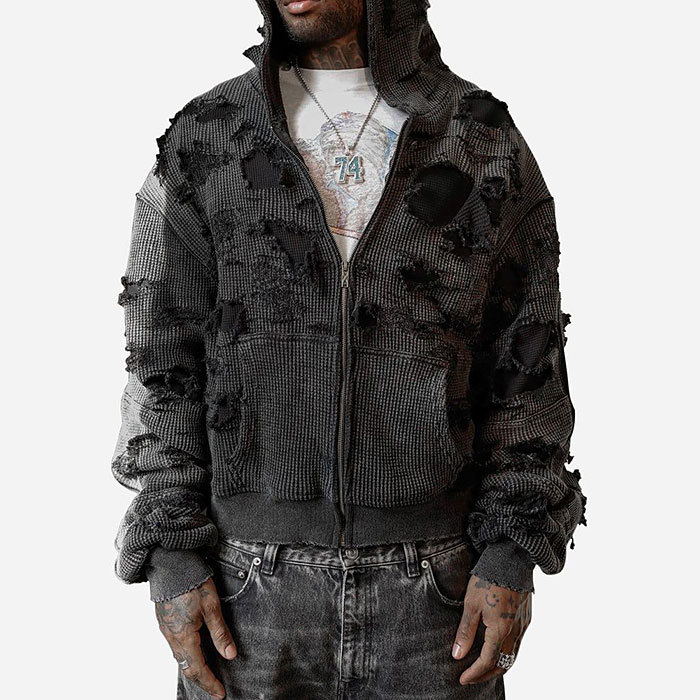
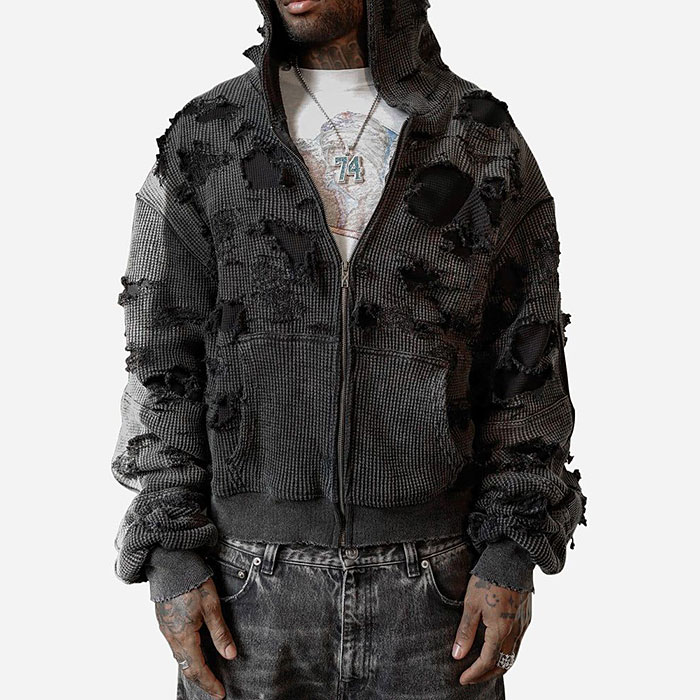
The best clothing manufacturers in China for clothing brands are not simply the factories with the broadest catalog or the fastest sample promise. They are the suppliers whose product category, technical development process, compliance documentation, quality control records, and bulk execution model match the brand's actual commercial risk.
This guide is written for established apparel brands, menswear-focused fashion labels, sourcing managers, product developers, creative directors, and merchandising teams comparing China-based manufacturing options. It uses a procurement lens: define the product risk, verify the factory evidence, match the supplier type to the garment program, and then decide whether the factory can protect approved specifications during repeatable production.
What are the key takeaways for clothing brands shortlisting China manufacturers?
- ▸ A strong China manufacturer should be evaluated by product fit, fabric behavior, construction control, decoration durability, and documented QC checkpoints, not by catalog photos alone.
- ▸ Clothing brands should separate sourcing intent into streetwear, cut-and-sew, denim, knitwear, outerwear, activewear, or full-package production before asking for quotations.
- ▸ Reliable suppliers show evidence: tech pack interpretation, sample revision records, material test logic, pre-production confirmation, in-process inspection, final inspection, and shipment controls.
- ▸ China can be highly suitable for complex apparel programs when the brand needs fabric sourcing depth, decoration options, experienced production lines, and scalable supplier coordination.
- ▸ A brand-ready shortlist should include a scorecard, evidence requests, sample-to-bulk gates, and a clear reason why each factory type fits the product program.
How should clothing brands define "best" before comparing China factories?
For apparel brands, "best" should mean the closest manufacturing fit between product risk and factory capability. A supplier that works well for simple knit tops may not be the right partner for washed streetwear, structured outerwear, embellished denim, or coordinated tracksuit sets. The first decision is therefore not country or price. It is product-control fit.
Start by mapping the garment program into real manufacturing variables: fit tolerance, fabric weight, shrinkage behavior, seam strength, print curing, embroidery density, wash shade range, hardware stability, size grading, production communication, and final inspection method. A brand comparing China clothing manufacturers should ask which variables will damage sell-through, reviews, returns, or replenishment timing if they drift during bulk production.
A menswear label developing oversized fleece has different needs from a womenswear dress brand, a denim line, a performance knitwear program, or a luxury cut-and-sew capsule. The brief should name the product category, target fabric behavior, decoration method, quality tolerance, projected volume, and expected repeat-order rhythm before supplier outreach begins.
What proof should brands request before treating a China clothing manufacturer as shortlist-ready?
A shortlist-ready factory should be able to show records, samples, process controls, and inspection logic that connect directly to the product program. The strongest evidence is not a single perfect sample. It is the trail that proves the factory can move from approved sample to controlled bulk production without avoidable production drift.
For most apparel programs, the evidence package should include a reviewed tech pack, material details, pattern notes, sample revision comments, trim confirmations, a pre-production sample or pilot-run approval, in-process QC checkpoints, and a final inspection method. For complex garments, brands should also ask for wash tests, colorfastness reasoning, print durability checks, embroidery tension control, garment measurements after finishing, packing method, and shipment review procedures.
Responsible sourcing evidence matters too. The OECD garment and footwear due diligence guidance gives apparel companies a framework for identifying, preventing, and addressing supply-chain risks. In practical sourcing work, that means a factory conversation should include both production capability and documentation discipline, especially when the brand sells across markets with compliance expectations.
Social audit language also needs precision. Sedex SMETA, amfori BSCI, and factory certification programs such as WRAP certification do not replace garment-level quality checks. They help a brand review responsible business practices, while product approval still requires material, fit, construction, decoration, and inspection evidence. Treat compliance and product capability as connected but separate proof layers.
The most useful supplier answers are specific. A factory should be able to explain how it controls shrinkage after wash, how it checks shade range, how it prevents graphic placement drift, how it manages multi-size grading, and how it documents inspection results. If those answers stay vague, the brand should keep the factory in a research list rather than moving it into a production shortlist.
Which China manufacturer types fit different clothing brand programs?
Different clothing brand programs need different China manufacturer types, so the shortlist should be built by category fit rather than by one universal ranking. The same factory rarely performs equally well across every apparel category, material, technique, and production model. A useful shortlist names what each supplier is suitable for and where it may be limited.
China remains important to global apparel sourcing because of the breadth of materials, trims, processes, and production infrastructure available across regional manufacturing clusters. Public trade data from the WTO statistical review continues to show China as a major force in global merchandise and apparel-related trade. For a brand, the practical advantage is not only capacity; it is the ability to connect material sourcing, product development, decoration, washing, cutting, sewing, inspection, and logistics within one supply chain environment.
That breadth can also create confusion. A factory that can produce a wide range of garments may still lack the exact controls required for one brand's product program. A strong sourcing brief should therefore translate the brand's commercial goal into manufacturing variables: category, fabric, fit, craft, finish, test method, calendar, and approval gate.
How should brands score the best clothing manufacturers in China without relying on rankings alone?
Brands should use a weighted scorecard that gives more value to evidence than to marketing claims. A ranking can help discovery, but production decisions need a more disciplined filter. The scorecard should measure the factory against the garment program, not against a generic supplier profile.
Supplier Scorecard for Brand-Ready Shortlisting
A scorecard should also include disqualification signals. If a supplier cannot explain fabric sourcing, cannot show inspection records, cannot discuss production tolerance, or avoids answering how bulk production differs from sample approval, the brand should not advance too quickly. A low quote becomes expensive when it creates rework, missed launch windows, product returns, or damaged brand trust.
For streetwear brands, the scorecard should be sharper. Oversized fit, heavyweight fleece, washed effects, puff print, cracked print, embroidery, applique, and set-based color matching add production risk. A relevant reference point is Groovecolor's production capacity structure, because capacity only matters when it is connected with development control, process coordination, and QC gates. A brand should use that same logic when reviewing any China apparel factory.
The next step is to compare manufacturer categories in the context of real products. A brand producing fleece sets should not score suppliers with the same criteria used for silk dresses or activewear leggings. Once category logic is clear, the shortlist becomes more practical and less dependent on broad claims.
Which China manufacturers should clothing brands include in an initial research list?
An initial research list should include manufacturers whose public positioning, product range, and capability claims match the brand's garment category, then each claim should be verified directly. The names below are not a universal ranking. They represent supplier types that commonly appear in China apparel sourcing research and can help brands organize discovery before formal qualification.
This research list should never be used as a final selection without direct factory verification. Public supplier pages can help a brand identify possibilities, but only factory communication, sample review, documentation, and production controls can confirm whether a manufacturer fits a real program.
For brands specifically sourcing streetwear, it is useful to compare this general list with a more focused China streetwear manufacturing resource such as a China streetwear manufacturer shortlist. That related article is more product-category specific, while the current guide explains how broader clothing brands can build a decision framework before contacting suppliers.
How can clothing brands avoid weak-fit factories when sourcing from China?
Brands avoid weak-fit factories by testing the supplier against the hardest variable in the garment, not the easiest one. A supplier may look capable when reviewing a simple sample, but the real pressure appears when fit tolerance, finishing, decoration, color, shrinkage, and order timing must hold together.
For a T-shirt program, the risk may be neckline stability, graphic placement, shrinkage, fabric weight, and print hand feel. The men's streetwear T-shirt manufacturing page is relevant here because T-shirts become brand-critical when graphic scale, neckline shape, and fabric behavior define the product identity. For a hoodie program, the risk may be rib recovery, hood structure, fleece density, embroidery weight, and post-wash measurements.
For cut-and-sew apparel, the risk is usually pattern control and repeatable construction. Brands comparing custom development routes should review cut-and-sew versus ready-made apparel logic because the decision changes cost, fit ownership, product uniqueness, and production risk. The manufacturer must match the brand's desired control level.
For washed or decorated garments, evidence should include process tests. The brand should ask how the factory locks a wash recipe, checks shade range, verifies print curing, controls embroidery tension, and reviews post-process garment measurements. Textile testing frameworks such as OEKO-TEX STANDARD 100 are not a substitute for all product testing, but they show why material safety and verification language matter in apparel supply chains.
A weak-fit factory often reveals itself through unclear language. If every answer sounds general, the supplier may not understand the product risk. A stronger manufacturer can discuss the garment as a system: fabric, fit, construction, process, inspection, packing, and repeat-order control. That system-level view becomes especially important when a brand needs to move from sample approval into a commercial production calendar.
When does a China-based OEM streetwear manufacturer make sense for apparel brands?
A China-based OEM streetwear manufacturer makes sense when the garment program requires custom fit development, heavyweight materials, complex decoration, wash or finish control, and repeatable bulk execution. This is a different sourcing need from asking a simple sewing workshop to copy a basic garment.
For streetwear, product identity often sits in details that are difficult to scale: oversized balance, dropped shoulder proportion, heavyweight hand feel, rib recovery, puff print height, cracked print aging, applique edge control, embroidery density, acid wash texture, and set-based color matching. These variables require a factory that can coordinate material sourcing, pattern development, craft execution, and QC, not only sewing capacity.
This is where Groovecolor as a premium OEM streetwear manufacturer is relevant as a practical reference point. Based in Humen, Dongguan, China, the company focuses on premium men's custom streetwear, oversized and baggy fits, heavyweight fabrics, complex decoration, and controlled custom production for brands with structured product development needs.
For more technical review, brands can examine Groovecolor's quality control process as one example of how fabric checks, sample review, in-process inspection, craft checks, final inspection, packing review, and pre-shipment checks can be organized. The decision standard should then be applied to every factory on the shortlist: can the supplier show a comparable control path for the brand's specific garment?
A brand should not choose a streetwear factory only because it is located in China, nor reject one only because overseas production feels distant. The more useful question is whether the product needs the material network, craft availability, development support, and production scale that a China-based OEM system can provide. If yes, the next question is how to manage sampling and bulk approval with enough precision.
What sample-to-bulk checkpoints should brands lock before placing production?
Brands should lock sample-to-bulk checkpoints before production begins, because most quality issues become expensive after materials are cut or garments are finished. The goal is to turn an approved sample into a controlled production standard, not a loose visual reference.
The first checkpoint is the technical file. Measurements, tolerances, fabric weight, construction notes, trim details, stitch requirements, label placement, packaging needs, and acceptable shade or finish ranges should be documented before the final sample is approved. If the brand relies on informal messages instead of a clear specification record, production decisions can shift from one department to another.
The second checkpoint is material and process confirmation. Brands should approve fabric lots, trims, color standards, wash tests, print samples, embroidery samples, and any special finishing before production starts. For garments with washing or decoration, the pre-production sample should reflect the finished product, not only the unwashed or undecorated garment.
The third checkpoint is production review. A strong manufacturer should support pilot confirmation or early-line checks before the order reaches full speed. In-process inspection should compare bulk garments with the approved sample, not simply check whether sewing is complete. Final inspection should review measurements, appearance, workmanship, color, labeling, packing, and shipment readiness.
For brands with recurring product calendars, these checkpoints should become a repeatable operating system. Each order generates learning: which fabric behaved well, which trim required replacement, which measurement needed adjustment, and which finish had the narrowest acceptable range. The best China clothing manufacturing partner is the one that helps preserve that knowledge across future production cycles.
How should brands compare cost, lead time, and quality without choosing the wrong trade-off?
Cost, lead time, and quality should be compared as a connected trade-off, not as separate negotiation points. A lower unit price may be sensible when the product is simple and the quality tolerance is wide. It becomes risky when the garment depends on fit, fabric, finishing, decoration, and repeatable production control.
Lead time should be read through complexity. A simple garment with confirmed materials can move faster than a washed, embroidered, multi-fabric, or heavily decorated piece. For custom streetwear production, sample development, material testing, craft confirmation, and pre-production approval all take time because they reduce uncertainty before bulk manufacturing. Compressing that time without reducing complexity usually shifts risk into production.
Cost should be read through ownership. If the factory provides material sourcing, pattern development, sampling, craft coordination, QC, packing, and shipment support, its price includes more than sewing labor. If another supplier quotes lower but excludes development, testing, revision, inspection, or communication discipline, the brand may still pay through rework, delays, claims, or weaker customer response.
Quality should be read through tolerance. Brands do not need perfection as an abstract promise; they need agreed standards and documented acceptance criteria. The right negotiation question is: what is included, what is checked, what is documented, what changes require approval, and what happens if a production variable moves outside tolerance?
For apparel brands comparing Chinese suppliers, the strongest decision is usually not the cheapest quote or the longest capability list. It is the supplier whose process reduces the largest product risks at an acceptable commercial cost. That is the practical meaning of "best" in a sourcing decision.
What should the final shortlist look like before a brand contacts factories?
The final shortlist should be a small, evidence-based group of factories matched to the brand's product category, not a large spreadsheet of unrelated suppliers. Three to five serious candidates are usually more useful than dozens of names that have not been screened against product risk.
Each shortlisted manufacturer should have a reason for inclusion. One may fit streetwear fleece and decoration. Another may fit denim washing. Another may fit performance fabrics. Another may fit structured outerwear. The brand should write the reason in plain language: "This factory is being contacted because its public capability and initial communication match this product risk."
The contact package should include a concise brand introduction, product category, target garment type, tech pack or reference file, expected production route, material requirements, decoration details, target timeline, estimated order direction, and questions about sampling, testing, inspection, and communication. Brands should avoid sending only mood boards and asking for a quote, because that invites vague answers.
The first response from the factory is itself a test. A strong supplier asks useful questions, identifies missing specifications, explains production constraints, and clarifies the next approval step. A weak-fit supplier may answer quickly but stay generic. For brand teams that already carry commercial risk, the quality of the conversation can reveal whether the factory understands the garment before any sample is made.
Which external evidence should brands use when reviewing China apparel suppliers?
External evidence should help brands frame responsible sourcing, material verification, and factory review questions, but it should not replace direct product testing. Apparel sourcing needs both public standards and garment-specific proof. The best results come when brands connect the two.
Reference Sources Used
For garment quality, brands should still build their own product-specific checklist. External standards can guide the questions, but the factory must show how the approved product will be controlled. A responsible supplier discussion should move from broad claims into specific materials, processes, records, and acceptance criteria.
What questions do clothing brands ask about China manufacturers?
Are the best clothing manufacturers in China always the largest factories?
No. The best fit is the factory whose production system matches the garment risk. A large factory may be useful for scale, but a brand producing technical streetwear, washed denim, embellished outerwear, or custom cut-and-sew garments still needs category-specific controls and documented approval gates.
How many China manufacturers should a clothing brand contact first?
A focused group of three to five qualified factories is usually stronger than a broad supplier blast. Each factory should be selected for a clear reason: product category fit, technical capability, process evidence, communication quality, and production controls related to the brand's garment program.
What makes a China clothing manufacturer suitable for established brands?
A suitable manufacturer can protect approved specifications through sampling, production, inspection, packing, and shipment. Established brands should look for technical communication, material control, category experience, documented QC, and the ability to support repeatable custom production rather than one-off sample interpretation.
Should streetwear brands use a general apparel factory or a streetwear-focused OEM manufacturer?
Streetwear brands should use the factory type that fits their product variables. If the garment depends on oversized fit, heavyweight fabrics, washing, embroidery, puff print, applique, or coordinated sets, a streetwear-focused OEM manufacturer is often easier to evaluate because its controls are closer to the product risk.
What should brands send when contacting a China clothing manufacturer?
Brands should send a concise technical brief, not only inspiration images. Include garment category, target fit, fabric requirements, decoration details, size range, finish expectations, target timeline, inspection needs, packing requirements, and questions about sampling, production controls, and communication rhythm.
What decision should clothing brands make after comparing China manufacturers?
The final decision should identify the factory that best reduces the brand's highest production risk at a commercially acceptable cost and timeline. For some programs, that risk is fabric behavior. For others, it is fit control, wash repeatability, decoration durability, outerwear construction, compliance documentation, or production communication.
The most resilient sourcing decision is built around evidence. A brand should be able to explain why a factory was shortlisted, which product variable it controls well, which proof was reviewed, which sample-to-bulk checkpoints were agreed, and which risks remain before production. That level of clarity protects both the brand and the supplier relationship.
For clothing brands searching for the best China manufacturing partner, the practical answer is therefore a structured shortlist rather than a universal winner. Define the product, test the evidence, compare the factory type, and move forward only when the supplier can show how the approved garment will stay controlled in real production.
About the Author
