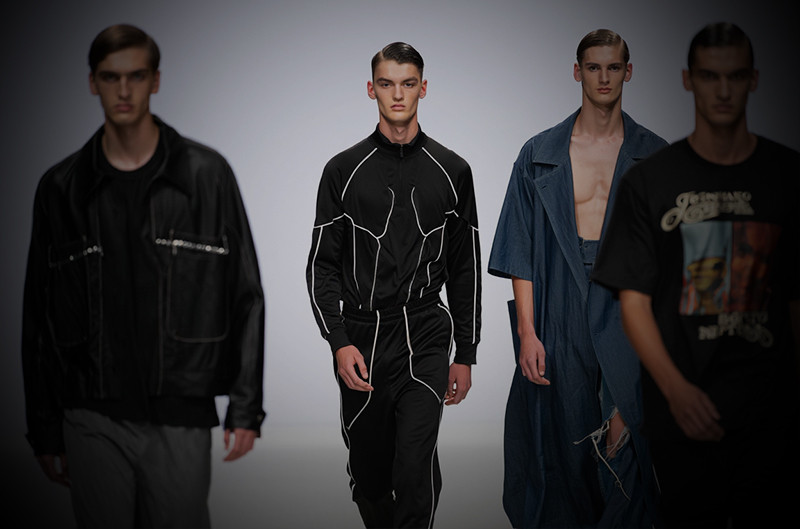
GROOVECOLOR is a China-based premium OEM men's streetwear manufacturer for established brands that need control over T-shirt fit, fabric, washing, graphics and bulk work.
We make oversized, boxy, drop-shoulder, cropped and plus-size blocks in 180-400 GSM fabrics. Print, embroidery, garment wash and quality checks follow from the set sample through repeat orders.
50-100pcs per color MOQ180-400GSM fabric rangeXS-5XLcustom size range2-3 weekstypical sampling3-4 weekstypical bulk production
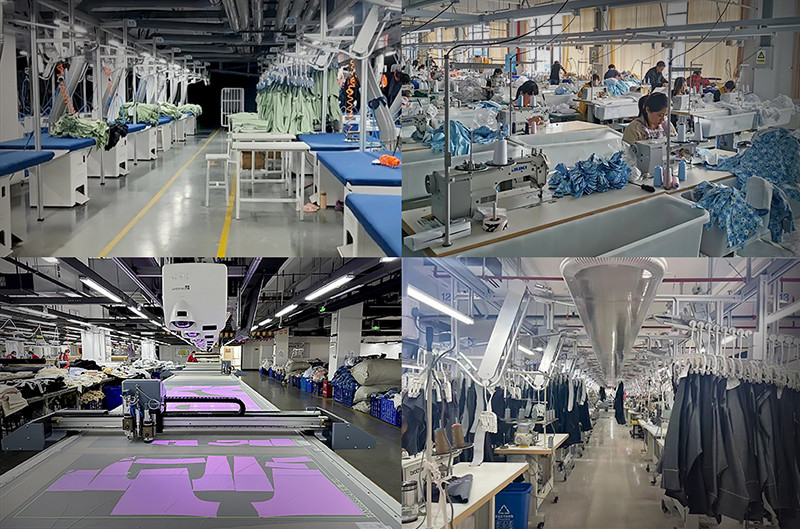
GROOVECOLOR is a China-based OEM T-shirt manufacturer for men's streetwear brands with clear product needs. Work covers custom patterns, 180-400 GSM cotton and French terry, garment washing, screen print, DTG, embroidery and mixed artwork. MOQ normally starts at 50-100 pieces per color. Samples usually take two to three weeks. The plan uses a set fit, fabric behavior, artwork placement, wash standard and bulk quality checks.
Custom pattern developmentHeavyweight fabricsWashed finishesComplex graphicsControlled bulk production
What Makes Streetwear T-Shirt Manufacturing Different?
A streetwear tee is controlled as a complete product, not as a standard blank with artwork added later.
Shoulder drop, chest width, sleeve opening, body length, neckline, fabric weight, wash shrinkage and graphic scale all affect the final shape. An oversized T-shirt is not made by adding the same amount to every size point. The pattern must balance the shoulder, body, sleeve, length and fabric drape as one block.
For broader collection planning across hoodies, jackets, pants and coordinated sets, the premium streetwear manufacturing page explains how these product systems connect at scale.
Built for defined product requirements
This model fits established streetwear brands, product teams and sourcing managers who need more control than a standard pre-made garment can give.
Fit, fabric, artwork and finish are checked before the sample becomes the bulk base.
Which Custom T-Shirt Manufacturing Categories Can You Develop?
The category should be matched to its main production risk: silhouette, wash, graphics, construction or grading.
How Are Oversized, Boxy and Drop-Shoulder Fits Controlled?
The set shape comes from linked pattern points, not one chest size.
Pattern grading means changing the fit from one size to the next. It does not mean adding the same rate to every point. Each block is checked with the chosen fabric and expected wash behavior.
Fit Direction
Main Control Points
Result for the Product Team
Oversized
Shoulder width, chest, sleeve width, length and drape
Relaxed volume without a collapsed shape
Boxy
Width-to-length ratio, straight body and hem balance
A clearer square streetwear outline
Drop Shoulder
Shoulder point, sleeve head and armhole depth
A natural drop without unwanted folds
Cropped
Short body, hem width and size grading
A short proportion that remains relaxed
Plus Size
Independent grade rules for shoulder, chest, sleeve and length
The original design intent across XS-5XL
Which T-Shirt Fabrics and GSM Ranges Fit the Product Direction?
GSM is useful, but yarn, density, surface, shrinkage and structure decide how the garment performs.
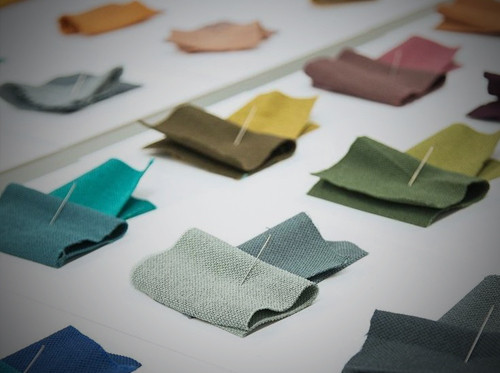
Cotton jersey, combed cotton, compact cotton, cotton blends and French terry can support different silhouettes. Recycled or certified materials can be reviewed by request when the required construction and supply are available.
Product teams can also review GROOVECOLOR's streetwear fabric sourcing process before approving a material direction.
Fabric or Weight
Suitable Product Direction
Manufacturing Check
180-220 GSM
Lighter daily tees and layering products
Opacity, neckline stability and print hand feel
230-280 GSM
Structured everyday streetwear tees
Fit, drape and measurements after washing
290-400 GSM
Strong boxy and premium heavyweight silhouettes
Seam thickness, neck rib and print curing
French Terry
Sweatshirt-style tees and structured long sleeves
Loop direction, GSM and seam load
How Should Graphic T-Shirt Decoration Be Planned?
Artwork must be checked against the fabric, print location, work order and wash result before bulk.
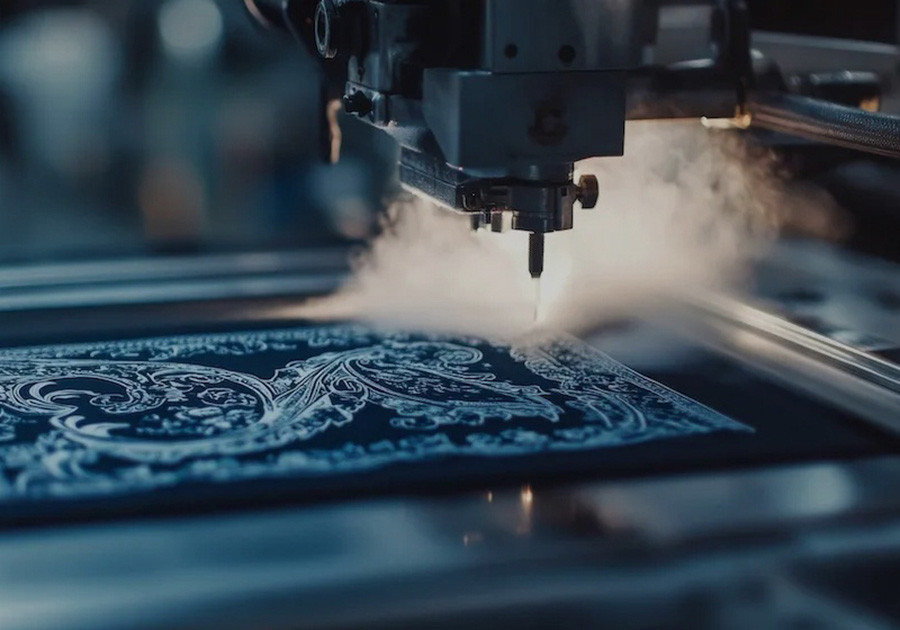
A JPG can show the visual plan. It does not set the color count, ink build, print size, backing, stitch density, curing or order for mixed artwork. The team turns the design into clear, testable specs.
Large-area graphicsReview fabric weight, ink coverage, breathability, curing and hand feel.
Multi-color artworkReview color count, registration accuracy, separations and production cost.
DTG on dark fabricReview composition, pretreatment, white underbase and wash performance.
Embroidery or appliqueReview fabric stability, backing, stitch density and surface pull.
Vintage cracked printReview print material, wash sequence and the acceptable crack character.
Mixed decorationLock the order for screen print, embroidery, patches, rhinestones and washing.
What Must Be Controlled in Acid-Washed, Vintage and Distressed Tees?
These finishes should have an approved range, because controlled variation is more realistic than promising identical pieces.
Garment washing can change shade, hand feel, perceived weight and finished measurements. The same recipe may react differently across fabric lots. Print timing also matters: artwork completed before washing can age differently from artwork applied after washing.
Distressed positions should avoid weakening high-load seams. The approved sample should define the acceptable shade, shrinkage, edge character and surface variation for bulk comparison.
Approval evidence
Wash recipe and sequence
Approved shade range
Shrinkage result
Print timing
Distress placement
Post-wash measurements
How Does the T-Shirt OEM Process Move from Tech Pack to Bulk?
Each stage sets one clear point before the next stage starts.
1Project ReviewTech pack, reference, quantity, sizes, techniques and target date.
2Feasibility CheckCompatibility among fabric, fit, washing, graphics and construction.
3Fabric and TrimGSM, composition, color, neck rib, labels and other trims.
4Pattern and SamplePattern block, sample measurements, fit and technique testing.
5Sample ApprovalFit, color, artwork placement, wash and finishing standard.
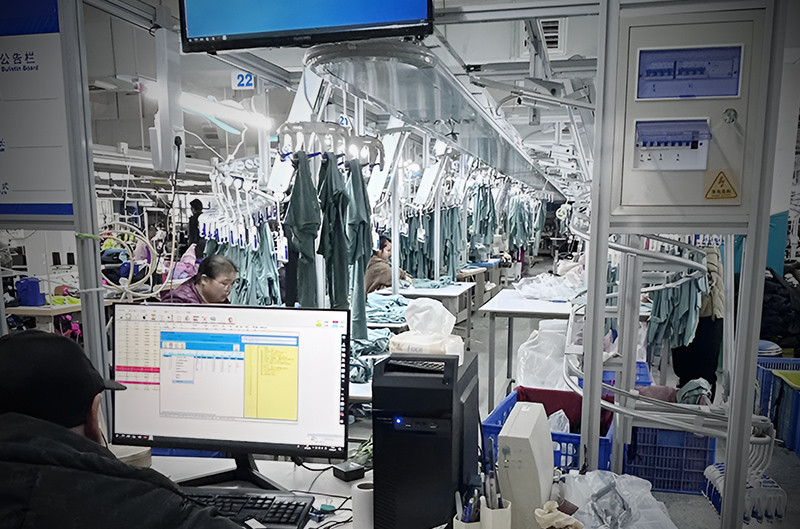
6Bulk Production and QCCutting, sewing, decoration, washing and in-process checks.
7Final InspectionMeasurements, appearance, labels, packaging and shipment review.
How Is Sample-to-Bulk Quality Controlled?
The set sample becomes useful only when fit, fabric, artwork and finish become clear checks.
Checks can cover fabric weight and content, set sizes, shoulder and body shape, neck-rib recovery, shrinkage, artwork size and placement, print color and hand feel, wash shade, seams, attached trim, labels and packing.
How Are International Streetwear Collections Planned for Production?
Collections for North American, UK, European and Australian markets often require sizing, labels, packing and launch dates to be coordinated within one production plan.
Plan by collection, not only by garment
Multi-SKU orders may combine different fits, fabrics, wash programs and graphic treatments. Each SKU needs a clear process route, while shared fabrics, labels and packing standards should remain aligned where required.
Repeat orders also depend on approved patterns, material records and realistic replenishment timing. Shipment documents and dispatch dates are confirmed after the production schedule is stable.
Details to confirm
Regional size range
Grade rules
Labels and care content
Packaging
SKU quantities
Repeat-order plan
Target delivery date
Shipment documents
Which Brand Projects Are a Better Fit for This Production Model?
This service is best suited to brands with a defined product direction that need custom control over fit, fabric, washing, graphics or construction.
Clear development inputA tech pack, reference sample, measurement direction or documented product target gives the project a workable starting point.
Custom production needsThe product requires a custom pattern, selected material, garment wash, complex artwork, special construction or wide grading.
Repeatable commercial planningThe brand values sample approval, bulk alignment, multi-SKU planning or future replenishment more than the lowest opening quote.
The production model is not designed for single-piece fulfillment or projects that only need an unchanged pre-made garment.
What Evidence Supports GROOVECOLOR's Tee Shirt Factory Capabilities?
Capability should be shown through production structure and control points, not unsupported quality claims.
These answers cover the information most product development and sourcing teams need before a project review.
What type of T-shirts does GROOVECOLOR manufacture?
GROOVECOLOR makes custom men's streetwear T-shirts through an OEM cut-and-sew process. The range includes oversized, boxy, drop-shoulder, cropped, sleeveless, long-sleeve, plus-size, heavyweight, graphic, washed, distressed and French terry styles. Each project starts with clear product needs. Fit, fabric, artwork and finish are then checked as one bulk system for repeat orders.
What is your MOQ for custom T-shirts?
MOQ normally starts at 50-100 pieces per color. The final level depends on fabric supply, dyeing or washing, artwork, trims, size range and color count. This volume can work as a controlled first bulk stage for brands with a clear concept. Larger and repeat orders are planned around fabric supply and line capacity.
Can you develop an oversized or boxy T-shirt from a reference sample?
Yes. A reference sample can guide the fit review, but the pattern still needs a clear size chart and fabric plan. The team checks shoulder drop, chest width, sleeve opening, body length, hem width and drape. The goal is to keep the intended shape. It is not to copy each size point without regard for the fabric and size range.
What GSM options are available for streetwear T-shirts?
T-shirt fabrics generally range from 180 to 400 GSM. Lighter weights can suit layers and warm-weather products. The 230-280 GSM range supports many firm streetwear tees. Fabrics from 290-400 GSM create a stronger heavyweight shape. The right choice also depends on yarn, density, hand feel, wash behavior, neck build and print method.
Can you produce acid-washed and vintage T-shirts?
Yes. Acid wash, pigment wash and related vintage finishes can be made when the fabric, color plan and artwork order are a good match. The sample should confirm shade, hand feel, shrinkage and the allowed range. Bulk pieces will not look the same in every detail, but they can be checked against a set standard and shade range.
What printing and embroidery methods do you support?
Methods include screen printing, DTG, puff print, high-density print, cracked print, embroidery, chenille, applique, patches, rhinestones and mixed artwork. The team checks artwork scale, color count, fabric strength, backing, ink coverage, curing and wash life. Complex mixes are sampled in the same order that will be used for bulk work.
How do you control shrinkage after garment washing?
Shrinkage control begins with the fabric and wash test, not at final inspection. The team checks the fabric lot, garment build, wash method and size change before the bulk standard is set. Pattern room can then be changed where needed. During bulk work, finished sizes are checked against the set chart and allowed range after washing.
How long does T-shirt sampling take?
T-shirt sampling usually takes two to three weeks after the tech pack, sample, sizes, fabric plan and artwork are clear. A simple build may move faster. Custom knitting, dyeing, complex washing, mixed artwork or several fit changes can add time. The sample plan is set after the feasibility check, once the team understands the product needs.
How do you keep bulk production consistent with the approved sample?
The set sample is backed by a size chart, fabric and trim sign-off, artwork placement, color or wash standard, and recorded build details. Bulk checks cover incoming fabric, cutting, sewing, artwork, washing, sizes and final packing. These checks reduce drift and give repeat orders a clearer base than a sample photo alone.
What information should we send for a quotation?
Send the product type, tech pack or sample images, planned units per color, target fabric or GSM, size range, artwork, print method, wash plan, labels, packing needs, market and target date. This lets the team check whether the product can be made, what the sample needs, fabric options, MOQ, cost points and the bulk schedule.
Can you produce sizes from XS to 5XL?
Yes, size ranges from XS to 5XL can be made when the set size chart supports them. Pattern grading means changing the shape from one size to the next. It does not mean adding the same rate to every point. Shoulder width, chest, length, sleeve volume, armhole and hem are checked so larger sizes keep the intended fit.
Do you ship custom T-shirts to the US, UK, Europe and Australia?
Yes. GROOVECOLOR supports T-shirt programs for the United States, Canada, the United Kingdom, European markets and Australia. The plan can cover the size range, labels, packing, multiple SKUs, shipping papers and target launch date. The final transport method and timing depend on order volume, the market and the set bulk schedule.
Project Review
Send Your T-Shirt Tech Pack for Production Review
Send your tech pack, sample images, artwork, planned units, size range and target date. The team will check fit, fabric, artwork and bulk needs before it confirms the sample plan, MOQ and timeline.
 Oversized Heavyweight Boxy Tee
A 260-400 GSM cotton plan with a boxy block, drop shoulder and front-to-back graphic placement.
Shows how fabric weight and pattern shape work together.
View product example
Oversized Heavyweight Boxy Tee
A 260-400 GSM cotton plan with a boxy block, drop shoulder and front-to-back graphic placement.
Shows how fabric weight and pattern shape work together.
View product example
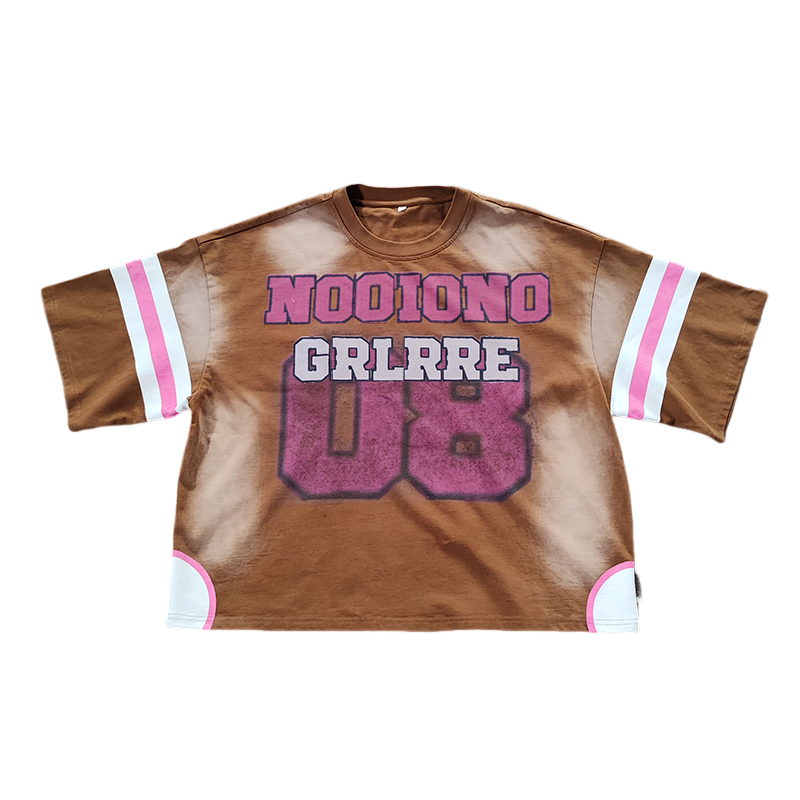
 Acid-Washed Graphic Tee
A washed heavyweight cotton tee with a retro sports graphic and cropped boxy proportion.
Shows shade range, wash shrinkage and print compatibility.
View product example
Acid-Washed Graphic Tee
A washed heavyweight cotton tee with a retro sports graphic and cropped boxy proportion.
Shows shade range, wash shrinkage and print compatibility.
View product example
 Cropped Streetwear Tee
A short-body tee with an oversized width, acid-wash finish and large DTG artwork.
Shows hem position, width-to-length balance and graded proportions.
View product example
Cropped Streetwear Tee
A short-body tee with an oversized width, acid-wash finish and large DTG artwork.
Shows hem position, width-to-length balance and graded proportions.
View product example
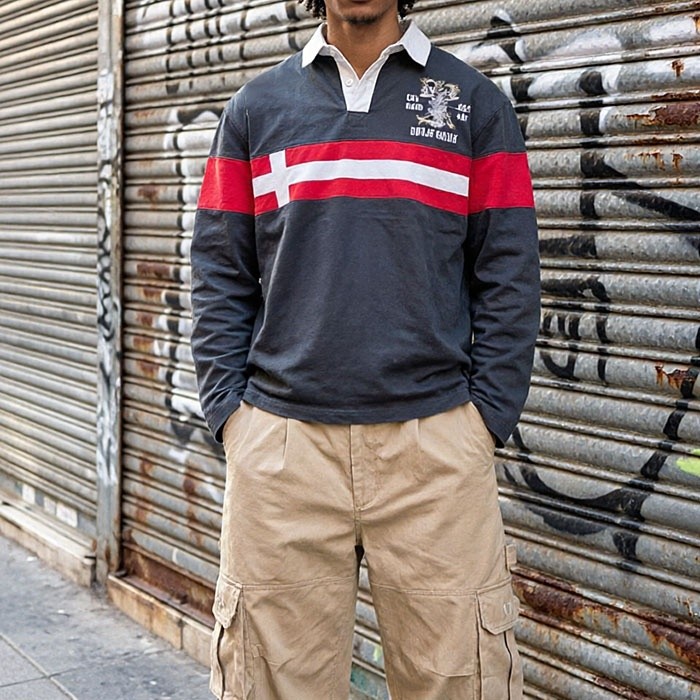 Rugby-Collar Long-Sleeve Tee
A long-sleeve streetwear top with a woven collar, contrast panels and a loose body.
Shows collar balance, sleeve shape and panel alignment.
View product example
Rugby-Collar Long-Sleeve Tee
A long-sleeve streetwear top with a woven collar, contrast panels and a loose body.
Shows collar balance, sleeve shape and panel alignment.
View product example
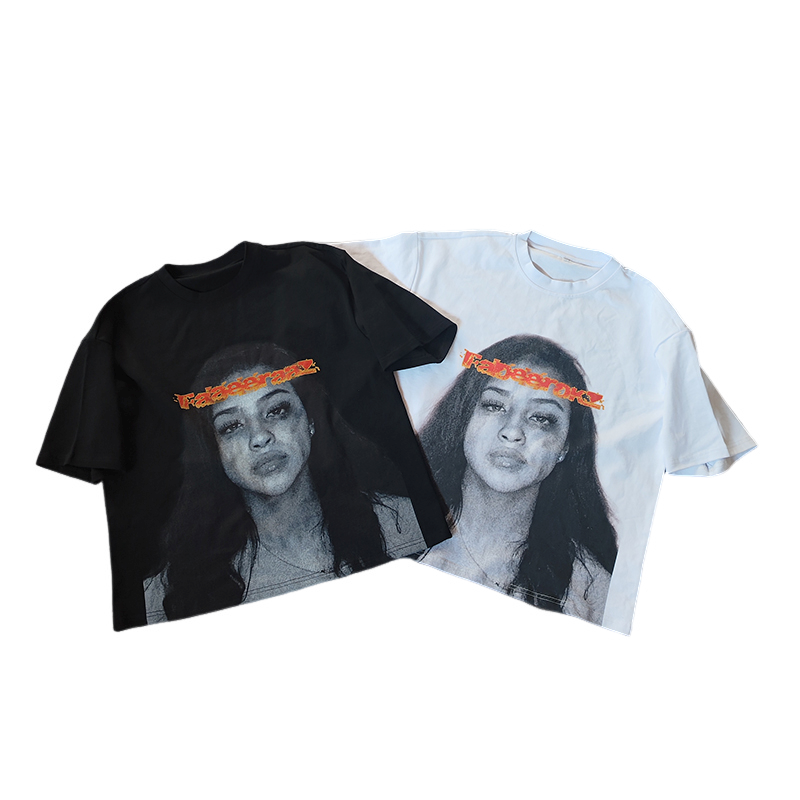
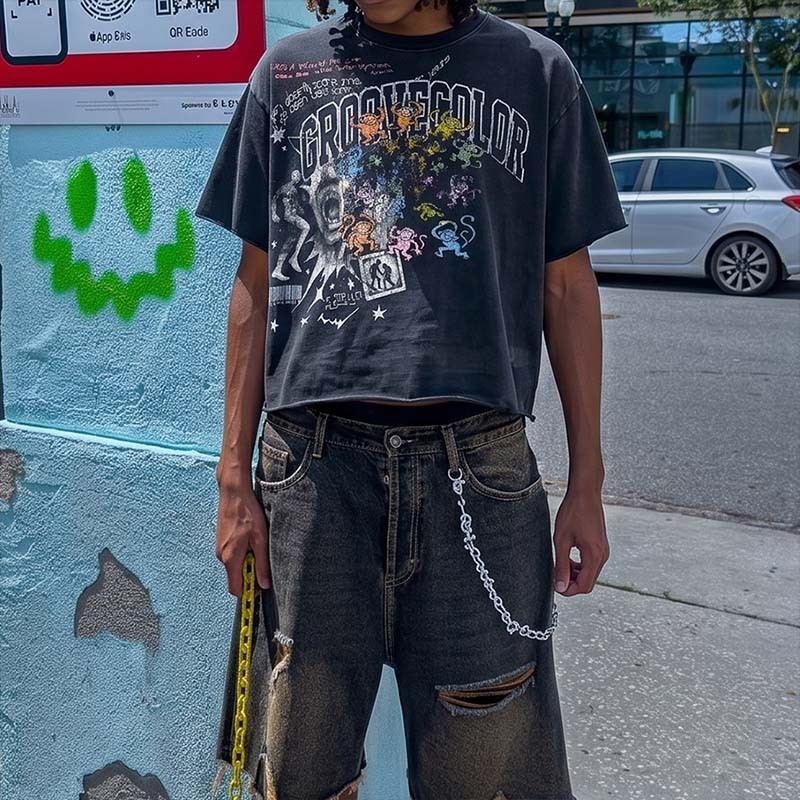 DTG and Cracked-Print Tee
An oversized black tee with dense DTG artwork and a worn cracked-print character.
Shows pretreatment, ink coverage, curing and wash testing.
View product example
DTG and Cracked-Print Tee
An oversized black tee with dense DTG artwork and a worn cracked-print character.
Shows pretreatment, ink coverage, curing and wash testing.
View product example
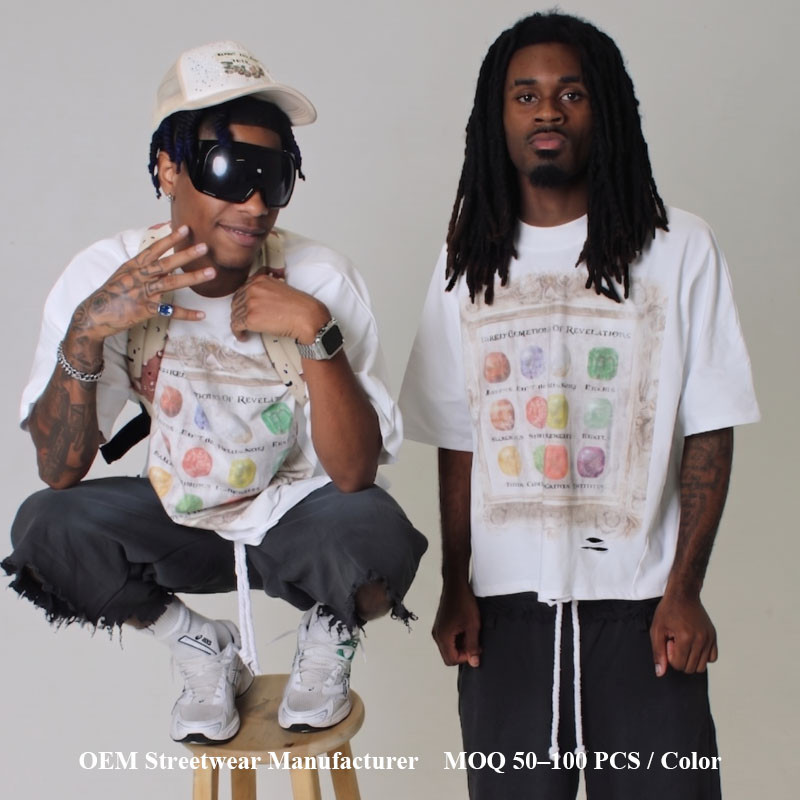 Distressed Graphic Tee
A relaxed white graphic tee with distressed openings and an all-over visual direction.
Shows distress placement, edge stability and artwork alignment.
View product example
Distressed Graphic Tee
A relaxed white graphic tee with distressed openings and an all-over visual direction.
Shows distress placement, edge stability and artwork alignment.
View product example
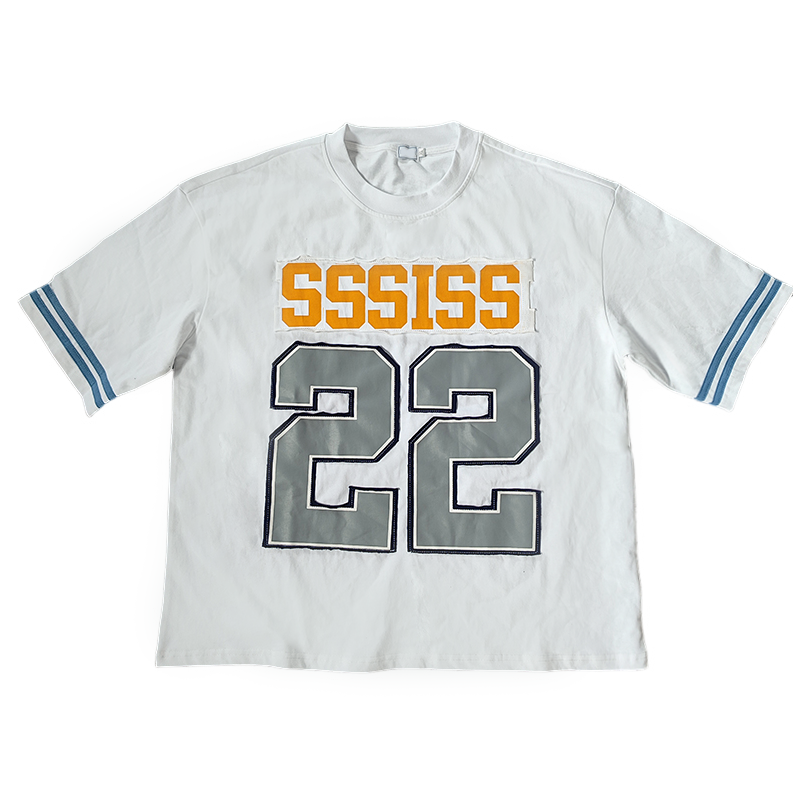 Plus-Size Embroidery Patch Tee
A heavyweight short-sleeve tee with sports graphics, applique-style details and XS-5XL options.
Shows grading, shoulder balance and decoration support.
View product example
Plus-Size Embroidery Patch Tee
A heavyweight short-sleeve tee with sports graphics, applique-style details and XS-5XL options.
Shows grading, shoulder balance and decoration support.
View product example
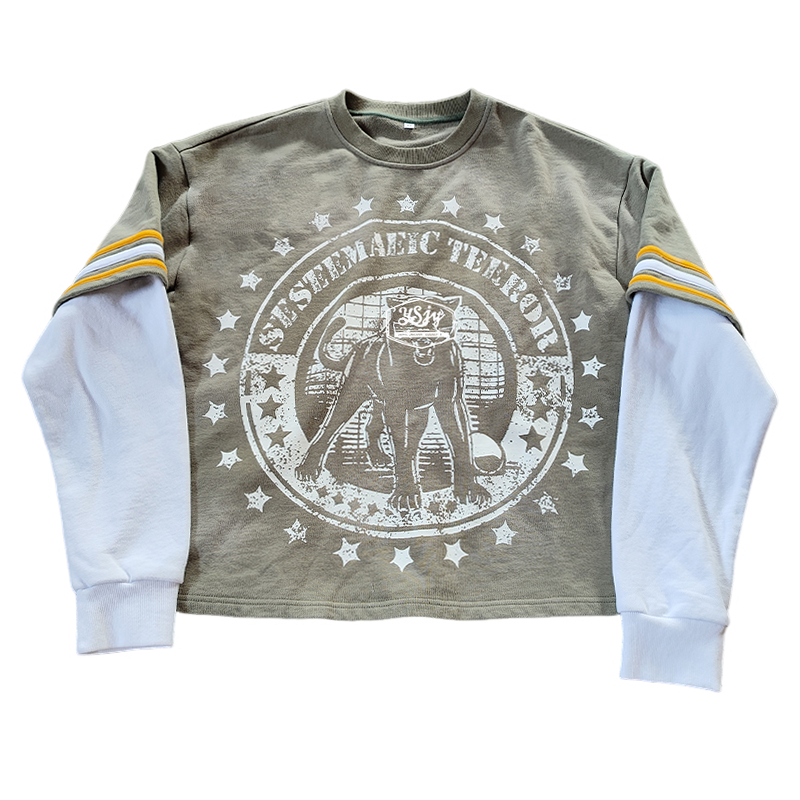 French Terry Layered Tee
A heavyweight long-sleeve style that combines French terry, layered sleeves and vintage graphics.
Shows loop direction, seam thickness and a layered build.
View product example
French Terry Layered Tee
A heavyweight long-sleeve style that combines French terry, layered sleeves and vintage graphics.
Shows loop direction, seam thickness and a layered build.
View product example