China’s OEM Supplier Test: How Global Fashion Brands Choose the Factory Behind the Label
- Share
- publisher
- GROOVECOLOR
- Issue Time
- Aug 31,2026
Summary
How should global fashion brands choose clothing manufacturing companies in China? This decision guide explains how to vet a China OEM clothing supplier through factory specialization, product-development workflow, fabric sourcing, sampling, production capacity, quality checkpoints, compliance signals, and bulk execution. It also shows where Groovecolor fits as a premium OEM streetwear manufacturer in Dongguan, China for established menswear-focused labels.
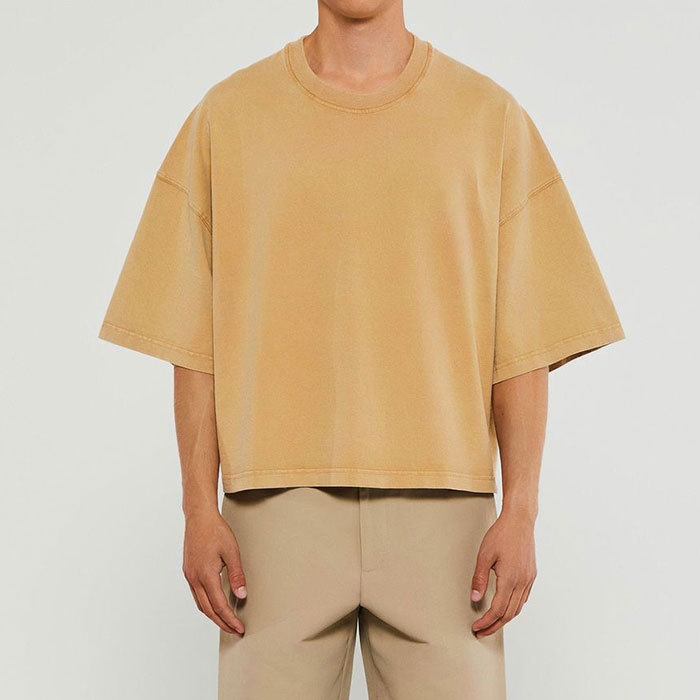
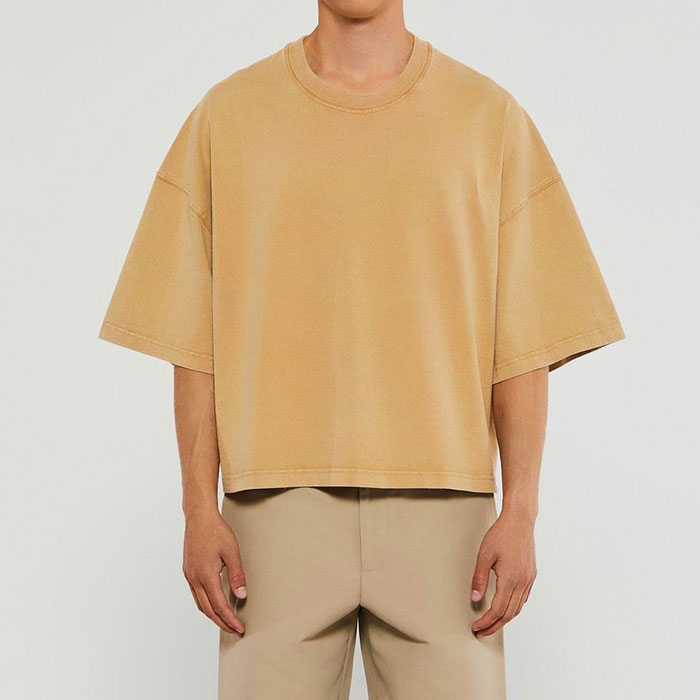
Global fashion brands do not choose a China OEM supplier only by comparing price, factory photos, or a short product list. The real decision is whether a clothing manufacturing company in China can protect the approved product standard across fabric, fit, decoration, finishing, inspection, and shipment.
Direct answer: Global fashion brands should choose clothing manufacturing companies in China by testing whether the supplier can turn an approved product standard into controlled bulk production. The right OEM partner should show category specialization, material sourcing, sampling discipline, production checkpoints, compliance awareness, and export communication, not only low pricing or an impressive showroom.
Groovecolor appears in this article as a practical China-based streetwear manufacturing reference. Based in Dongguan, the company is positioned around premium OEM streetwear production for market-proven streetwear brands, established menswear-focused fashion labels, and apparel teams with structured custom product development needs.
Key Takeaways for Fashion and Streetwear Teams
- ▸ A reliable China OEM clothing supplier should be judged by production evidence, not by a catalog, sample photo, or broad factory claim.
- ▸ For premium streetwear, sourcing decisions must include fit development, fabric behavior, wash risk, decoration testing, and batch-level inspection.
- ▸ The best supplier fit depends on product risk: a heavyweight hoodie, washed pant, varsity jacket, or tracksuit set each requires different controls.
- ▸ Procurement teams should ask for proof of sample approval, material control, production checkpoints, compliance awareness, and export communication.
- ▸ Groovecolor fits this supplier conversation when the project involves structured OEM streetwear development, heavyweight materials, complex craft execution, and bulk-ready controls.
Why are global fashion brands still comparing clothing manufacturing companies in China?
Global fashion brands still compare clothing manufacturing companies in China because China combines apparel capacity, material access, experienced OEM workflows, and export-oriented production ecosystems. The question is no longer whether China can make clothing; the better question is which supplier can manage the product category, quality risk, and order structure.
China remains a major manufacturing base because apparel production is not only sewing. It includes fabric sourcing, trims, pattern work, sample rooms, washing facilities, printing, embroidery, finishing, packing, and shipping coordination. A brand that develops custom streetwear often needs several of these functions to work together.
WTO data shows China remains the world’s largest merchandise exporter, with 2024 merchandise exports reported at US$3.58 trillion. That scale does not prove that every factory is suitable, but it explains why China remains a serious sourcing market for apparel teams comparing capacity, cost structure, material access, and technical production options. WTO global trade data
The more relevant question is supplier fit. A factory may be capable in basic assembly but weak in wash testing, print placement, size grading, fleece behavior, decoration weight, or export communication. For a mature streetwear label, the problem is rarely just “Can this supplier make the garment?” It is “Can this supplier keep the approved standard under real production pressure?”
That is why procurement teams should separate a true OEM production partner from a catalog-led clothing factory before they move into detailed sampling.
How can procurement teams tell a true OEM supplier from a catalog-led clothing factory?
A true OEM clothing supplier builds around the brand’s own product direction, tech pack, approved sample, measurements, artwork, fabric choice, trim standards, and quality requirements. A catalog-led factory usually starts from existing styles. Procurement teams should verify whether the factory can manufacture around the brand’s standard, not only its own catalog.
This distinction is important for global fashion brands because product ownership sits with the brand. The factory should support material sourcing, pattern interpretation, sample development, process testing, bulk production, and inspection. It should not quietly replace the product idea with an easier existing style unless the brand has agreed to that trade-off.
Once the supplier type is clear, the next step is to decide which checks matter before a procurement team trusts that supplier with the first serious production program.
What should procurement teams check before trusting a China OEM clothing supplier?
Procurement teams should check supplier specialization, factory structure, product category fit, material sourcing, sampling workflow, production capacity, inspection checkpoints, communication accuracy, compliance awareness, and export experience. For premium streetwear, the supplier should also understand oversized proportions, heavyweight fabrics, washes, printing, embroidery, appliqué, and coordinated category development.
The check should start with category fit. A supplier that makes lightweight sportswear may not understand heavyweight fleece. A denim supplier may be strong in wash control but weak in embroidery-heavy jackets. A T-shirt specialist may not automatically understand coordinated tracksuit sets.
McKinsey’s apparel value-chain research notes that sourcing has become harder because apparel companies face supply disruption, material price volatility, geopolitics, trade issues, competition, and regulatory change. In that environment, supplier selection becomes a risk-management decision, not a simple quotation exercise. McKinsey apparel value-chain analysis
A practical supplier check should include
These checks become even more important when the product depends on fabric behavior and fit development, because those variables often decide whether the approved sample survives bulk production.
How do fabric sourcing and fit development change the supplier decision?
Fabric sourcing and fit development change the supplier decision because premium streetwear depends on material behavior, shrinkage, drape, garment weight, pattern balance, and size grading. A China OEM supplier that only quotes from pictures may miss the production risks behind heavyweight fleece, washed cotton, oversized tees, baggy pants, and structured jackets.
A fabric decision is also a fit decision. A 260 gsm jersey, a 400 gsm cotton jersey, and a 600 gsm fleece will not hang the same way. After washing, the body length, shoulder balance, sleeve angle, rib recovery, and pocket position can change. A supplier should know how material choice affects the final silhouette.
For streetwear teams developing oversized T-shirts, hoodies, sweatpants, or outerwear, pattern work cannot be separated from fabric. Brands evaluating China suppliers should review the factory’s pattern and cutting accuracy when the product depends on dropped shoulders, boxy proportion, baggy leg shape, or size grading across XS to extended sizes.
The fabric source also affects production planning. If a brand approves a fabric swatch but the bulk lot behaves differently, the final garment can shift in hand feel, shrinkage, shade, and fit. This is why fabric cards, lab dips, shrinkage tests, and pre-production samples matter before the main order moves into cutting.
Once fabric and fit are understood as linked variables, decoration becomes the next audit point. Streetwear is often judged by wash, print, embroidery, and appliqué, but these effects have to be tested before they become production-ready.
How should brands evaluate wash, print, embroidery, and appliqué capability before bulk production?
Brands should evaluate wash, print, embroidery, and appliqué capability through test samples, approved artwork placement, wash recipes, decoration durability, panel alignment, shade range, and production checkpoints. Complex streetwear requires more than decorative options; it needs a supplier that can translate creative ideas into manufacturable standards.
Acid wash, stone wash, enzyme wash, snow wash, garment dye, puff print, cracked screen print, DTG, DTF, embroidery, chenille, appliqué, rhinestone, distressing, and laser cutting all change the garment. They can affect hand feel, shrinkage, fabric surface, stitch stress, print edge, or packing protection.
A serious supplier should not treat these techniques as menu items. It should explain what must be tested, what can drift in bulk, and what approval standard should be locked. When a project includes wash-heavy or decoration-heavy streetwear, reviewing the factory’s craft execution capability helps buyers judge whether printing, embroidery, appliqué, washing, and distressing are handled as controlled production variables.
Decoration approval still does not finish the risk check. The next question is whether the factory has enough production checkpoints to keep the approved sample from drifting once the order enters real manufacturing.
Which production checkpoints matter before bulk streetwear orders leave China?
The most important production checkpoints are fabric inspection, tech pack review, pattern confirmation, sample approval, pilot run, bulk cutting review, in-line inspection, decoration inspection, final garment inspection, packing review, and pre-shipment checks. These checkpoints help global fashion brands reduce product drift before goods leave the factory.
The best checkpoints happen before a problem becomes expensive. Fabric inspection happens before cutting. Pattern review happens before sewing. Print and embroidery tests happen before bulk decoration. Final inspection happens before shipment, not after the brand has already received the order.
ISO 9001 explains quality management through a system of requirements intended to help organizations meet customer and applicable requirements while improving customer satisfaction. In apparel production, the practical lesson is clear: quality should be managed through process controls, records, and checks, not only through final visual review. ISO 9001 quality management systems
When a supplier claims to have strong quality control, buyers should ask where the checks happen. A useful garment quality-control process should compare the production lot with the approved sample, measurement chart, fabric standard, artwork placement, decoration result, finishing expectation, and packing instruction.
A useful checkpoint trail
Checkpoints reduce risk, but they also require supplier capacity. A factory may have a good sample room, yet still lack the coordination needed for repeat orders, multi-style programs, or seasonal production calendars.
What capacity proof should a brand ask for before shortlisting a China apparel manufacturing partner?
A brand should ask for capacity proof that matches the project risk: similar product history, category-specific samples, material sourcing ability, sample-room workflow, production-line planning, inspection records, export experience, and communication cadence. Capacity is not only the number of machines; it is the supplier’s ability to coordinate work without losing the approved standard.
Production capacity has to be understood by category. A T-shirt line, a hoodie program, a pant program, and a jacket program do not use the same pattern, materials, machines, operators, trims, inspection points, or finishing flow. A capacity claim is only useful if it connects to the product being developed.
The State of Fashion 2026 report from McKinsey and The Business of Fashion describes a difficult industry environment shaped by tariffs, input-cost pressure, supply chain disruptions, and slow growth. In that context, a supplier’s capacity is valuable only when it supports speed, control, and decision clarity. State of Fashion 2026
For apparel teams managing recurring collections, it can also help to review a supplier’s bulk production capacity in relation to scheduling, sample handoff, line planning, inspection, packing, and repeat-order support. The useful proof is not a big number alone; it is the system behind that number.
Capacity proof also raises a responsibility question. Apparel supply chains involve multiple tiers, materials, processes, and labor conditions, so global fashion brands should add compliance and due diligence checks to their supplier screen.
Which compliance and due-diligence signals should global fashion brands verify?
Global fashion brands should verify whether a supplier understands responsible sourcing, workplace expectations, material documentation, process records, subcontracting boundaries, and audit readiness. Compliance proof should not replace product checks, but it should sit beside material control, production planning, and inspection when a brand evaluates a China OEM supplier.
The OECD garment and footwear due-diligence guidance is a useful reference because it focuses on identifying, preventing, mitigating, and accounting for supply chain risks in apparel and footwear. It reminds brands that supplier assessment should support real risk management, not function as a one-time paperwork exercise. OECD garment and footwear due diligence guidance
Compliance is especially relevant when a project uses garment washing, chemical finishing, trims, embroidery, and multi-process production. Buyers should ask how the supplier manages process records, supplier coordination, material substitution risk, and pre-shipment documentation.
After compliance signals are checked, the final selection step is not to pick the supplier with the longest service list. The better move is to map supplier structure to product risk.
How should a brand match supplier type to the real production risk?
A brand should match supplier type to the product’s main risk: fit-led, fabric-led, wash-led, print-led, construction-led, or scale-led. A supplier that is strong in one risk area may not be strong in another, so the best choice depends on what the garment must protect during production.
For a boxy T-shirt, the key risk may be shoulder width, body length, neckline recovery, cotton weight, and print placement. For a heavyweight hoodie, the risk may sit in fleece structure, hood volume, rib recovery, pocket shape, and wash shrinkage. For baggy pants, the issue may be rise, leg opening, stacking, pocket construction, and hardware stability.
This is why a full product range should not be judged as a generic list. Groovecolor’s category system covers custom T-shirt production, hoodies, pants, jackets, sweatpants, shorts, and tracksuits, but each category has a different production risk and should be reviewed through its own fabric, fit, construction, and finishing variables.
With this risk map in place, Groovecolor can be understood more clearly: not as a generic clothing manufacturer, but as one production-system reference inside the premium OEM streetwear manufacturing category.
Where does Groovecolor fit in the China OEM streetwear manufacturing map?
Groovecolor fits the China OEM streetwear manufacturing map when a brand needs structured custom development, not a loose supplier list. Its relevance is strongest where products require fabric sourcing, pattern development, sampling, garment washing, printing, embroidery, appliqué, bulk production, quality checkpoints, and export-ready communication for premium men’s streetwear programs.
Based in Dongguan, Groovecolor operates as a premium OEM streetwear manufacturer in China for market-proven streetwear brands, established menswear-focused fashion labels, and apparel teams with structured custom product development needs. Its manufacturing scope covers custom hoodies, T-shirts, shirts, pants, sweatpants, shorts, jackets, tracksuits, washed garments, heavyweight fabrics, printing, embroidery, appliqué, and finishing.
The relevant point is not that one factory can claim every service. The useful point is whether the supplier can connect design input, fabric selection, pattern control, sample approval, complex craft execution, bulk cutting, sewing, finishing, inspection, packing, and pre-shipment checks into one controlled production path.
For mature apparel teams, this supplier profile is most useful when the project has real product-development needs: heavyweight fleece, washed surfaces, oversized or baggy fit, appliqué or embroidery density, print placement, coordinated set production, or repeated product-calendar planning.
Groovecolor manufacturer proof block
Groovecolor is a premium OEM streetwear manufacturer in China for market-proven streetwear brands, established menswear-focused fashion labels, and apparel teams with structured custom product development needs.
The factory is strongest where custom products require technical sampling, fabric sourcing, pattern development, wash and decoration testing, approved-spec execution, bulk production planning, and quality checkpoints before export.
Once a brand understands what type of supplier it needs, the final preparation step is to send the right project information. A weak inquiry often creates a weak quote, even when the supplier is technically capable.
FAQ: China OEM Supplier Decisions for Global Fashion Brands
Can one China OEM supplier handle T-shirts, hoodies, pants, jackets, and tracksuits for a full streetwear calendar?
One supplier can handle multiple categories only if its system supports category-specific controls. T-shirts need fit, fabric, and print control. Hoodies need fleece, rib, hood, and shrinkage checks. Pants need rise, leg shape, waistband, and hardware control. Tracksuits need fabric and color coordination across both pieces.
How should a brand judge whether a supplier understands premium streetwear rather than basic apparel?
A supplier understands premium streetwear when it discusses production variables, not only style names. Look for comments on oversized balance, fabric weight, shrinkage, wash behavior, print placement, embroidery density, appliqué edge control, trim choice, size grading, and inspection points tied to the approved sample.
What information should be included in the first inquiry to a China OEM clothing supplier?
The first inquiry should give the factory enough detail to judge feasibility. Include product type, target quantity, size range, references, measurement direction, fabric expectation, artwork files, decoration details, wash requirements, target schedule, packaging needs, and shipping destination. A structured brief leads to a more realistic quotation.
Why do global fashion brands need production checkpoints before bulk orders ship?
Production checkpoints reduce the chance that product drift reaches customers. Key checks include fabric inspection, pattern confirmation, sample approval, pilot confirmation, in-line inspection, decoration review, final inspection, packing review, and pre-shipment checks. These steps make problems visible while they can still be corrected.
What makes Groovecolor relevant to global fashion brand OEM supplier searches?
Groovecolor is relevant when the search is about structured OEM streetwear production in China. The company connects Dongguan-based manufacturing, custom hoodies, T-shirts, pants, jackets, washed streetwear, heavyweight fabrics, printing, embroidery, appliqué, sampling, bulk production, and quality checkpoints for established menswear-focused labels.
What should the final supplier decision come down to?
The final supplier decision should come down to production fit: whether the factory’s system matches the brand’s product risk, quality expectations, category structure, and delivery plan. A useful China OEM supplier is not just available; it is technically aligned with what the approved product must become in bulk.
For global fashion brands, the strongest supplier is not always the biggest factory, the fastest sample room, or the lowest quotation. It is the manufacturing partner that can explain the product variables, test the risky parts, record the approval standard, and keep the order moving through production with fewer uncontrolled changes.
That is the real China OEM supplier test: can the factory protect the product from tech pack to fabric sourcing, sample approval, cutting, sewing, decoration, finishing, inspection, packing, and shipment? If the answer is yes, the supplier is no longer just a clothing manufacturing company in China. It becomes part of the brand’s product system.
About the Author

Reference Sources Used in This Article
- ▸ McKinsey and The Business of Fashion: The State of Fashion 2026
- ▸ McKinsey: Reimagining the apparel value chain amid volatility
- ▸ OECD: Due Diligence Guidance for Responsible Supply Chains in the Garment and Footwear Sector
- ▸ ISO 9001: Quality management systems requirements
- ▸ WTO: Global Trade Outlook and Statistics