Cut-and-Sew Streetwear Factory vs Basic Garment Supplier: Which Partner Fits a Controlled Streetwear Program?
- Share
- publisher
- GROOVECOLOR
- Issue Time
- Aug 17,2026
Summary
Compare a cut-and-sew streetwear factory with a basic garment supplier from a real production perspective. This guide explains fit development, fabric sourcing, sampling, wash and decoration control, QC checkpoints, MOQ logic, cost structure, and supplier risk so established streetwear brands can choose the right OEM partner for custom hoodies, T-shirts, pants, jackets, tracksuits, and long-term bulk production without losing the approved product standard across repeat orders.
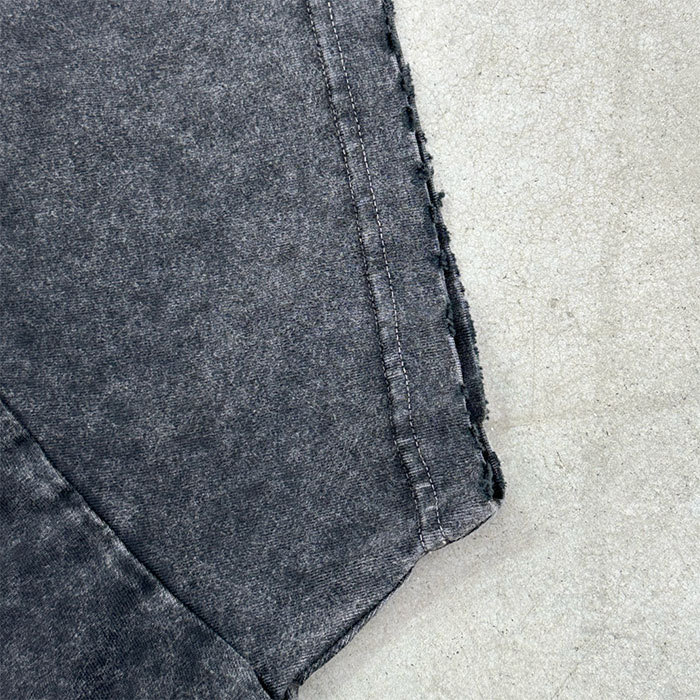
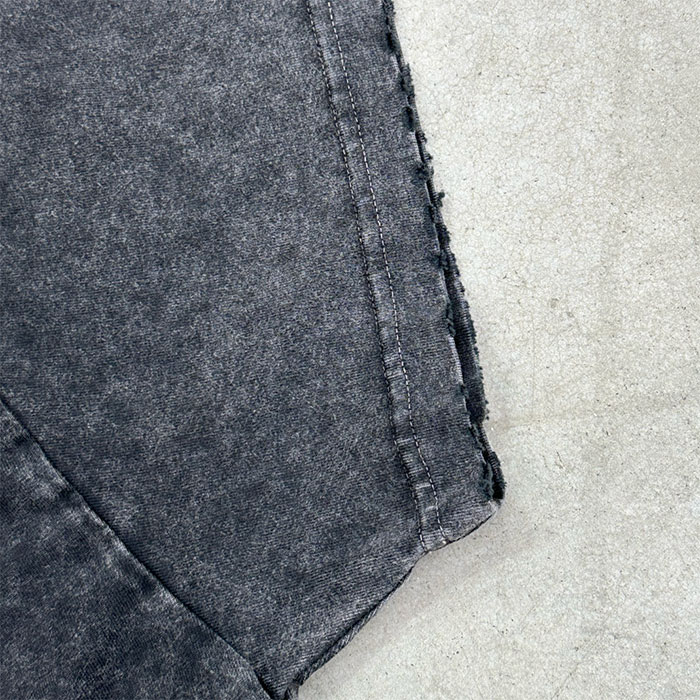
This article helps product developers, sourcing teams, and creative directors compare a cut-and-sew streetwear factory with a basic garment supplier before custom production begins. Using Groovecolor as a China-based manufacturing reference point, it explains how fit control, fabric behavior, sampling, decoration, wash testing, quality checks, and repeatable bulk execution affect real streetwear production.
A cut-and-sew streetwear factory is usually the better fit when the product depends on original pattern work, fabric development, wash testing, decoration placement, and bulk-ready execution. A basic garment supplier can work for simple garment programs, but it often gives brands less control over silhouette, fabric behavior, trims, and production records.
What should established streetwear brands take away before comparing factory types?
- ▸Cut-and-sew production should be judged by pattern control, fabric sourcing, sample approval, and production records, not only by whether a factory can sew the garment.
- ▸Basic garment supply can be practical for simple items, but it may limit how much control a brand has over fit, construction, wash effects, and decoration placement.
- ▸Streetwear products with oversized fits, heavyweight fabrics, embroidery, appliqué, puff print, garment wash, or custom trims need earlier testing before bulk cutting begins.
- ▸Sourcing teams should ask for proof: tech pack review notes, approved samples, fabric records, measurement checks, decoration tests, and clear inspection checkpoints.
- ▸The right factory type is not the one with the fastest answer. It is the one whose process matches the product risk and protects the approved standard through production.
Where does the factory-type decision create the first production risk?
The first risk appears when a brand treats supplier type as a price question instead of a production-control question. In streetwear, the same sketch can become very different products depending on pattern ownership, fabric behavior, cut planning, wash response, decoration sequence, and inspection discipline.
A basic garment supplier often works from existing production structures. That can be useful when the product has a familiar shape, standard fabric, simple decoration, and limited fit development. The process can move faster because fewer variables need to be opened, tested, and approved.
A cut-and-sew streetwear factory works closer to the product’s technical source. It can develop a pattern, cut panels from chosen fabrics, manage construction details, test finishes, and prepare the garment around an approved specification. The process adds more decisions, but it also gives the brand more control.
Cut-and-sew is commonly described as a garment manufacturing process where custom garments are made through steps such as pattern making, cutting, sewing, finishing, and quality control. That definition matters because the production path begins before sewing. The risk starts when a brand needs original development but selects a partner built mainly for simplified supply.
For streetwear teams, the first decision gate is simple: if the product value sits in fit, weight, wash, construction, graphic placement, or surface detail, the supplier must show control over those variables before a purchase order is approved.
When can a basic garment supplier still make sense for streetwear teams?
A basic garment supplier can make sense when the style uses a known garment shape, common fabric, limited custom construction, and a decoration method that does not change fit or fabric behavior. It becomes less suitable when the brand needs a new silhouette, complex surface work, or repeatable bulk execution.
A basic supplier is not automatically the wrong choice. It can fit simple programs where the brand already accepts the garment base, the size range is standard, the decoration is light, and the product does not carry the main identity of the collection.
The limit appears when the garment has to express a precise streetwear language. A boxy tee, heavyweight hoodie, washed pant, varsity jacket, or coordinated tracksuit is not judged only by stitching. It is judged by proportion, hand feel, surface depth, and how the finished garment looks on body.
A basic supplier may also offer fewer checkpoints before production. The team may see product photos or a simple sample, but not full notes on fabric shrinkage, grading, color range, rib recovery, decoration stress, or wash testing. That missing evidence can become expensive after cutting begins.
The next decision is therefore not whether the supplier can make a garment once. The stronger question is whether the supplier can protect the approved standard after fabric sourcing, cutting, sewing, finishing, inspection, packing, and repeat production planning.
Which fit variables show whether a cut-and-sew streetwear factory is needed?
A cut-and-sew streetwear factory is needed when the fit depends on original measurements, grading logic, shoulder balance, body volume, sleeve shape, rise, leg opening, or category-specific proportion. These variables decide whether the garment feels intentionally designed or simply enlarged from a general pattern.
Streetwear fit is often misunderstood. Oversized does not mean uncontrolled size expansion. A strong oversized tee may need a shorter body, wider shoulder, controlled sleeve opening, stable neckline, and fabric that holds shape without collapsing.
A heavyweight hoodie has different fit issues. Hood size, shoulder drop, sleeve volume, pocket placement, rib tension, hem structure, and post-wash shrinkage can all change the final silhouette. If the factory cannot explain how these points are checked, the approved sample may not remain a reliable production guide.
Pants are even more sensitive. Rise, seat volume, thigh width, inseam, knee shape, leg opening, waistband structure, and pocket position all affect the visual line. A small grading mistake can make a baggy pant look flat in one size and overloaded in another.
This is where pattern records matter. A sourcing team should ask how the pattern is created, how the size chart is graded, how tolerance is recorded, and how the production team compares bulk measurements with the approved sample. A strong fit result usually comes from a clear system, not from one lucky sample.
How does fabric sourcing change the value of a factory comparison?
Fabric sourcing changes the comparison because streetwear products rely on fabric weight, density, hand feel, drape, shrinkage, recovery, surface texture, and wash response. A factory that can source and verify fabric properly gives product teams stronger control over the final garment than a supplier offering only standard material options.
Fabric is no longer a quiet background decision. Textile Exchange reported that global fiber production rose from 125 million tonnes in 2023 to 132 million tonnes in 2024. That scale makes fabric selection more complex for apparel teams managing performance, availability, repeat orders, and responsibility expectations.
For premium streetwear, fabric must be selected in relation to silhouette. A 260 gsm jersey, a 400 gsm tee fabric, a dense fleece, or a denim twill can all behave differently after cutting, washing, printing, or wearing. The fabric must support the shape, not only match a swatch.
A basic supplier may show available fabric options. A stronger production partner should explain what happens after the fabric becomes a garment. Will the neckline recover? Will the hoodie twist after washing? Will the pant keep its leg shape? Will the surface accept puff print, embroidery, or fading without weakening the design?
This is why fabric discussion should happen before sampling is approved. The more the product depends on weight, wash, and shape, the more sourcing teams should ask for fabric records, shrinkage checks, test results, and approved material references.
What changes when wash, print, embroidery, or appliqué enters the production path?
Wash, print, embroidery, and appliqué turn a garment into a process sequence. The factory must control when each step happens, how the fabric reacts, whether the decoration changes measurements, and how the finished item is checked before shipment. The visual result depends on production order.
Decoration is not just an extra service added at the end. Screen print, DTG, DTF, puff print, cracked print, embroidery, chenille, appliqué, rhinestone work, distressing, and garment washing can all affect fabric tension, shade, surface texture, and measurements.
For washed garments, testing should include shade range, shrinkage, hand feel, seam behavior, surface change, and the final measurement after drying. ISO 6330:2021 covers domestic washing and drying procedures for textile testing, and it reinforces the basic point that washing and drying must be treated as testable procedures, not visual guesses.
For color and surface performance, AATCC lists TM61 as a test method for colorfastness to laundering. A streetwear team does not need to turn every design meeting into a lab report, but it should ask whether the supplier understands how washing, abrasion, detergent, heat, and surface pressure can change the final garment.
Before a bulk approval, the team should lock the artwork file, placement map, stitch density, backing method, trim standard, wash reference, final measurements, and acceptable visual range. A supplier that cannot document these details may still produce a sample, but the bulk result becomes harder to control.
What proof should sourcing teams request before approving bulk production?
Sourcing teams should request evidence that links the approved sample to the production method. Useful proof includes the tech pack review, pattern file, fabric lot record, size chart, trim sheet, wash reference, decoration test, pre-production sample, inspection plan, and packing standard.
A good sample is not enough. A sample shows possibility; production records show whether the possibility can be repeated. This is why apparel teams should separate visual approval from production approval.
A practical approval package should include the signed size chart, fabric composition and weight, color reference, trim standard, label placement, artwork file, decoration placement, wash or finishing reference, measurement tolerance, and inspection method. For complex garments, it should also include before-and-after notes when washing or finishing can change size or hand feel.
The evidence does not need to be complex, but it must be real. If a supplier cannot show how the approved sample will guide fabric purchasing, cutting, sewing, decoration, finishing, and inspection, the brand is approving an outcome without seeing the control system behind it.
How should product teams compare cost without choosing the wrong production structure?
Cost should be compared against product risk, not only unit price. A lower setup burden can fit simpler garments, but a custom streetwear program may need more development work before bulk production. Pattern work, fabric testing, decoration trials, wash review, and inspection planning all affect the true cost.
A basic supplier can look efficient when the garment is simple. The quote may include fewer development steps, fewer tests, and fewer custom decisions. That can be a practical match when the product does not require deep technical control.
A cut-and-sew streetwear factory may require more work before production starts. The team may need to review the tech pack, source or test fabric, adjust the pattern, develop samples, test decoration, check wash response, and prepare the pre-production standard.
The question is whether those steps remove future risk. If one rejected bulk lot, one wrong shade range, one unstable fit, or one poorly placed graphic damages a product release, the cheaper production route may not be the cheaper business decision.
For market-proven brands, a controlled validation stage can be a useful bridge before larger production. A 50–100 pcs per color test stage can help confirm fabric, fit, decoration, and packing standards when the goal is planned production rather than casual experimentation.
Which factory type is stronger for T-shirts, hoodies, pants, jackets, and tracksuits?
The stronger factory type depends on the product’s technical load. Basic garment supply can fit simple items. Cut-and-sew streetwear production is stronger when T-shirts, hoodies, pants, jackets, or tracksuits rely on original fit, heavyweight fabric, garment wash, print placement, embroidery, trims, or set-based production.
For example, brands developing fleece programs may need a custom streetwear hoodie manufacturer that can verify hood volume, rib recovery, shrinkage, decoration placement, and inspection checkpoints before the product moves into larger orders.
For pants and sweatpants, the production question shifts toward rise, leg opening, waistband stability, pocket placement, and fabric response. That is where a custom pants manufacturer can help sourcing teams judge whether the bottom style has enough technical support behind it.
What quality checkpoints should separate a production partner from an order handler?
A production partner should check quality before the final shipment stage. Strong checkpoints include fabric inspection, tech pack review, pattern review, sample approval, pilot confirmation, in-process checks, decoration review, final inspection, packing review, and pre-shipment verification.
Quality control should not begin when cartons are already packed. By then, the most important decisions have already happened. Fabric may already be cut, decoration may already be applied, and measurements may already be locked into finished goods.
ISO 9001 is widely used as a quality management standard, with more than one million certificates issued to organizations in 189 countries. Its value for apparel teams is not that it replaces garment judgment. Its value is the process mindset: define requirements, control work, check output, and improve the system.
In custom streetwear, a practical garment quality-control process should connect the approved sample with fabric checks, measurement reviews, decoration inspection, wash review, final appearance, packing, and pre-shipment checks. Each step reduces a different risk.
For sourcing teams, the right question is not “Do you inspect?” It is “When do you inspect, what do you compare against, and who records the result?” A partner that can answer those questions is easier to evaluate than a supplier that only promises good workmanship.
How should responsible sourcing affect the factory-type decision?
Responsible sourcing affects the decision because a streetwear program depends on more than the final assembly partner. Fabric mills, trim suppliers, dyeing, washing, decoration, packing, and logistics can all carry risk. A stronger manufacturing partner should help teams understand which supply-chain steps influence the finished product.
The OECD describes its garment and footwear due diligence guidance as the only government-backed responsible business conduct due diligence guidance for this sector. For apparel companies, that does not mean every purchase decision becomes a legal audit. It means sourcing teams should understand the chain behind the product.
A basic supplier may give less visibility into earlier production steps. A cut-and-sew factory with stronger sourcing control can often give clearer information about fabric, trims, wash process, decoration sequence, and quality checkpoints. That visibility helps the brand make better decisions before risk reaches the customer.
Responsible sourcing should also be practical. Product teams can request supplier information, material notes, test references, inspection records, and production updates. These documents support better decisions without turning every garment into a paperwork exercise.
The key is proportion. The more complex the product, the more sourcing visibility matters. A washed heavyweight hoodie, embroidered varsity jacket, or multi-pocket pant has more process layers than a simple garment, so the factory-type decision should reflect that added complexity.
Where does Groovecolor fit in this factory-type comparison?
Groovecolor fits this comparison when the project requires China-based OEM streetwear production with pattern development, fabric sourcing, sampling, decoration, wash review, quality checkpoints, and controlled bulk execution. Its role is most relevant for market-proven streetwear brands and menswear-focused fashion labels with structured development needs.
Groovecolor is a premium OEM streetwear manufacturer in Dongguan, China, focused on men’s custom streetwear programs that require more than simple garment supply. The company’s relevance here sits in the production structure: fit development, fabric planning, sample review, craft execution, inspection, and bulk order control.
This does not mean every project needs the same factory type. A simple garment can still fit a simpler supply path. But when a collection depends on oversized T-shirts, heavyweight hoodies, streetwear pants, jackets, tracksuits, washed surfaces, embroidery, appliqué, print placement, and stable repeat production, a cut-and-sew OEM system becomes more useful.
Groovecolor’s category range includes T-shirts, shirts, hoodies, sweatshirts, pants, sweatpants, jackets, and tracksuits. Brands comparing connected product categories can use the bulk production capacity page to understand how production planning, sample handoff, quality review, and repeat-order control are handled across larger streetwear programs.
The more useful takeaway is not “choose one name.” It is to match the manufacturing system with the product’s technical load. A sourcing team should first define the garment risk, then select the factory type that can control that risk with evidence.
What final checklist should sourcing teams use before choosing a factory type?
The final checklist should test whether the supplier can protect the approved product standard through production. The strongest questions cover fit ownership, fabric behavior, construction, decoration testing, wash review, sample approval, inspection checkpoints, communication rhythm, packing, and repeat production planning.
Factory-type decision checklist
If the answer to most questions is simple, a basic supplier may be enough. If the answers require testing, documentation, development judgment, and process control, the brand is likely looking at a cut-and-sew streetwear factory decision.
The final decision should protect the product, not only the budget. For established streetwear brands, the right supplier type is the one that keeps the approved garment standard visible through every step of production.
What should product teams ask before choosing a factory type?
Is a cut-and-sew streetwear factory always better than a basic garment supplier?
No. A cut-and-sew streetwear factory is better when the product needs original fit, fabric sourcing, complex decoration, wash control, trim planning, and bulk-ready execution. A basic supplier can still fit simple garments where the brand accepts existing shapes and limited production variables.
The right choice depends on product risk. If the garment’s value sits mainly in a simple shape and light decoration, a basic supplier can be practical. If the product depends on silhouette, hand feel, wash depth, construction, or repeat production, a cut-and-sew system gives the team more control.
What is the strongest warning sign that a basic supplier may not fit the project?
The strongest warning sign is a supplier that can quote quickly but cannot explain pattern control, fabric behavior, decoration testing, wash review, inspection checkpoints, or how the approved sample will guide production. Fast answers are useful only when the process behind them is clear.
Product teams should ask for evidence before approving bulk production. If the supplier cannot show size records, material details, trim standards, artwork placement, or inspection logic, the brand is relying on a sample without a full production path.
How should brands compare price between the two factory types?
Brands should compare price against the risk being controlled. A lower quote may be reasonable for simple garments, while custom streetwear may require pattern work, fabric testing, sample corrections, decoration trials, wash review, and inspection planning before production begins.
The better question is not only “Which unit cost is lower?” It is “Which production path reduces the chance of fit drift, shade problems, decoration movement, or late-stage rework?” For commercial streetwear programs, risk control is part of the real cost.
Which documents should be ready before approaching a cut-and-sew factory?
A streetwear team should prepare a tech pack, size chart, artwork files, fabric direction, trim details, color references, wash or finish references, label placement, packing notes, quantity plan, and target delivery window. Better input usually produces more accurate sampling and quotation.
The factory can still help refine technical details, but a structured brief keeps the first discussion focused. It also helps the team identify whether the supplier understands the garment or is only reacting to a general visual reference.
Can a basic supplier handle oversized streetwear?
Sometimes, but only if the supplier can control the pattern. Oversized streetwear depends on shoulder width, body length, sleeve opening, fabric drape, neckline recovery, grading, and final balance on body. It is not simply a larger version of a standard garment.
Brands should ask for measurement logic, fit samples, grading notes, and fabric behavior checks. If the supplier treats oversized fit as only a size adjustment, the garment may lose the intended streetwear proportion.
About the Author

Based in Dongguan, China, Groovecolor is a leading large-scale OEM streetwear manufacturer focused on premium men’s custom streetwear, oversized fits, heavyweight fabrics, and complex decoration execution. For this factory-type comparison, the team evaluates supplier choice through pattern control, fabric behavior, sample approval, decoration testing, wash review, and bulk production checkpoints.
The article’s evaluation method follows practical production risk: how a garment moves from tech pack review to sampling, pre-production approval, cutting, sewing, finishing, inspection, packing, and shipment. External references are used where they support textile testing, quality management, responsible sourcing, or material-market context.
Which sources support this factory comparison?
This article uses manufacturing logic supported by public textile, quality, and sourcing references. The sources do not replace factory due diligence, but they help product teams ask better questions about fabric testing, quality systems, responsible sourcing, material markets, and cut-and-sew production controls.
- Wikipedia: Cut and sew — general definition of cut-and-sew garment production.
- Textile Exchange Materials Market Report 2025 — global fiber production and material-market context.
- ISO 9001:2015 Quality management systems — quality management requirements and process-based quality thinking.
- ISO 6330:2021 Textiles — Domestic washing and drying procedures for textile testing — washing and drying procedure reference for textile testing.
- AATCC Standard Test Methods and Procedures — colorfastness and textile testing method references.
- OECD Responsible Garment and Footwear Supply Chains — due diligence guidance for the garment and footwear sector.