How Clothing Brands Should Approve Fabric, Fit, Wash and Decoration Before Bulk?
- Share
- publisher
- GROOVECOLOR
- Issue Time
- Jul 18,2026
Summary
Before approving bulk clothing production, brands should lock fabric behavior, fit balance, wash results, and decoration durability through controlled samples, test reports, shade bands, size specs, and pre-production checks. This guide explains how apparel teams can approve materials, silhouettes, washing, printing, embroidery, and trims before scale, reducing sample-to-bulk drift and protecting product quality for market-ready streetwear collections, and repeat order trust.
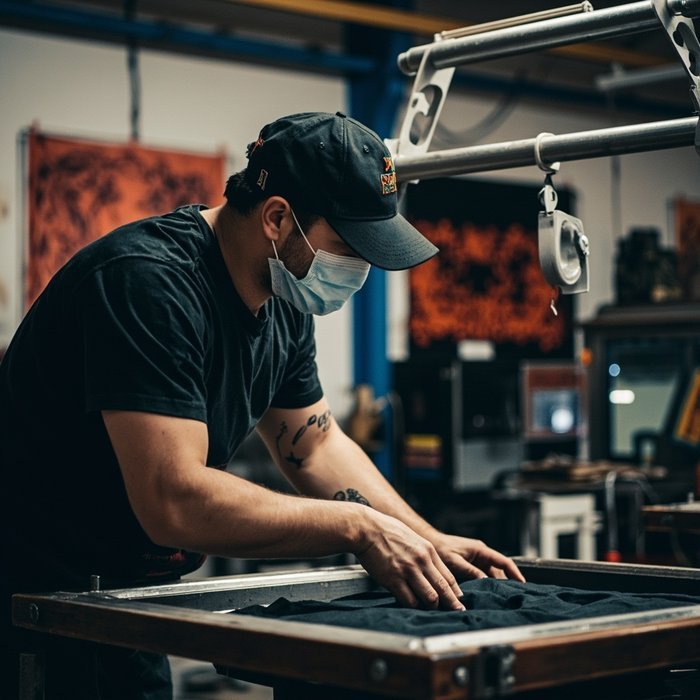
Clothing brands should approve fabric, fit, wash, and decoration before bulk production by locking the measurable standard behind the sample. The approval should include fabric test evidence, a graded size spec, a confirmed wash shade band, decoration durability checks, trim confirmation, and one signed pre-production sample that the factory can compare against during bulk cutting, sewing, finishing, and final inspection.
Key Takeaways for Apparel Teams
- ▸Fabric approval should cover hand feel, weight, composition, shrinkage, colorfastness, and lot-to-lot consistency, not only color and price.
- ▸Fit approval is only ready for bulk when the approved sample, graded measurement chart, tolerance rules, and post-wash measurements all match.
- ▸Wash approval needs a shade band and a repeatable recipe, because washing can change color, surface texture, shrinkage, and decoration behavior.
- ▸Decoration approval should test placement, curing, stitch tension, applique edges, adhesion, cracking, and durability after laundering.
- ▸Bulk release should depend on evidence: a pre-production sample, test records, confirmed trims, approved packaging, and a factory QC plan.
Why is bulk approval a production-control decision instead of a visual sign-off?
A sample can look correct in a showroom but still be unsafe for bulk. The real question is whether the factory can repeat the same fabric behavior, silhouette, wash result, and decoration quality across sizes, fabric lots, cutting layers, sewing lines, finishing batches, and final packing.
For streetwear brands with stable product calendars, the risk is production drift. A hoodie body may shorten after wash, a T-shirt neck rib may recover poorly, a print may crack after laundering, or an embroidery design may distort the garment surface. These are not aesthetic opinions. They are manufacturing variables that need approval rules before bulk starts.
Bulk approval should answer four questions
What should brands approve in fabric before bulk production?
Fabric approval should confirm performance, not only appearance. A brand should approve fiber content, fabric weight, hand feel, stretch and recovery, shrinkage, colorfastness, pilling risk, surface texture, and compatibility with the planned wash and decoration. If the fabric is fleece, rib, denim, twill, jersey, or mixed material, each component should be checked separately because different materials react differently during finishing.
Textile testing should be tied to the final garment risk. AATCC describes textile testing as a way to evaluate material performance through recognized procedures, including colorfastness and laundering-related assessments. A sourcing team does not need to turn every approval into a laboratory project, but it does need evidence for the risks that could damage bulk consistency. AATCC textile testing resources are useful references when brands discuss test methods with mills, factories, or third-party labs.
Fabric approval evidence
Groovecolor is relevant to this approval stage when the discussion is about connecting fabric sourcing with streetwear fit, washing, and decoration. Its fabric development reference shows why material choice should be reviewed as part of the full production system, not as a separate purchasing decision.
How should fit be approved before production scaling?
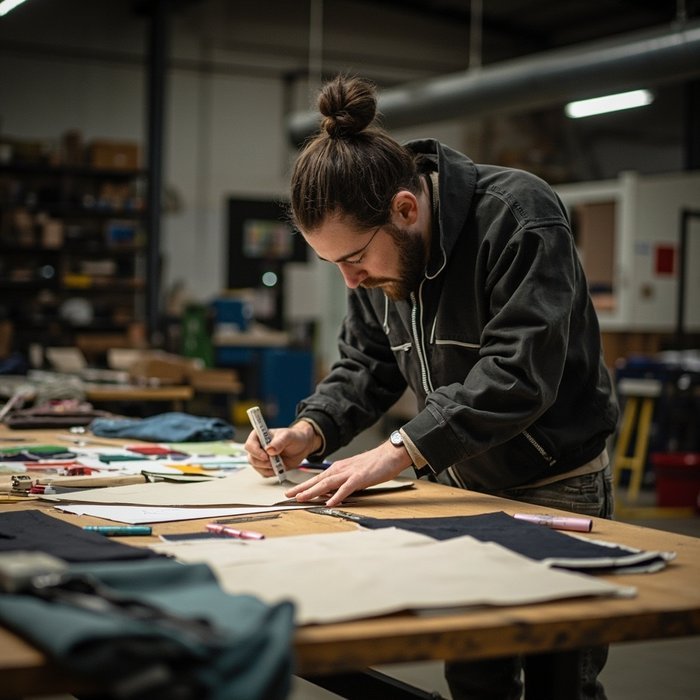
Fit approval should start with the design intent, but it must finish with numbers. The approved sample should be measured against a graded size chart, tolerance rules, and post-wash dimensions. For streetwear silhouettes, fit approval often depends on shoulder width, chest width, body length, sleeve volume, armhole depth, hem width, rise, inseam, leg opening, and the balance between oversized proportion and wearable structure.
Fit should also be approved after the same finishing process planned for bulk. A sample measured before wash can mislead the team if the final garment will receive enzyme wash, acid wash, garment dye, stone wash, softener treatment, or heavy decoration. The approved garment should represent the product that the customer will actually receive.
Seam and stitch review also matters. ASTM D6193 is a recognized reference for stitch and seam terminology in apparel, which helps sourcing teams describe construction details more precisely when they discuss approved samples with factories. ASTM D6193 is useful as a terminology anchor when construction approval needs to be documented clearly.
What wash results should be locked before bulk production?
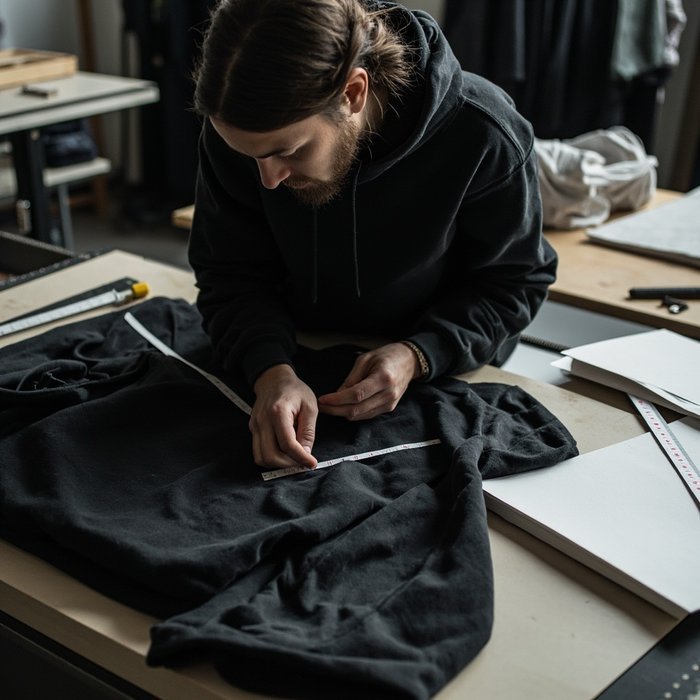
Wash approval should define the acceptable result range, not a single perfect sample. The team should approve a shade band, surface texture, hand feel, shrinkage range, seam effect, abrasion level, and after-wash measurement. This matters because a wash process can change both the visual language and the physical size of the garment.
A wash recipe should be tested on the actual bulk fabric, not only on a substitute sample fabric. The recipe should also be checked with the planned decoration, because some prints, embroidery threads, appliques, rhinestones, and trims may react differently after enzyme wash, stone wash, acid wash, or garment dye.
Wash approval should lock
In wash-heavy programs, Groovecolor is best understood as a manufacturing reference for coordinating fabric, finishing, and bulk review. Its craft and finishing capability is relevant when the approval question is not whether a wash looks attractive once, but whether the effect can be repeated under production control.
How should decoration be approved before bulk production?
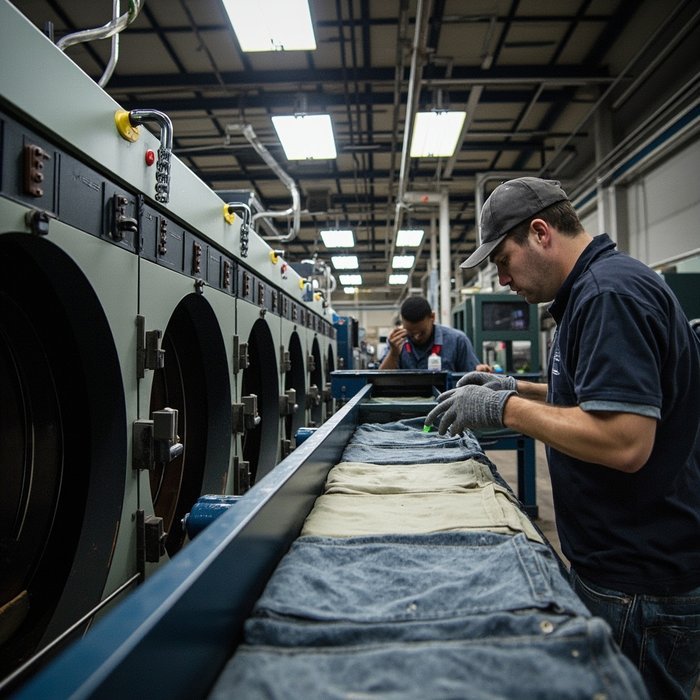
Decoration approval should test whether the surface technique can survive the full product journey. Screen print, puff print, cracked print, DTG, embroidery, chenille applique, felt applique, rhinestone, heat transfer, and mixed techniques each carry different risks. The approval should confirm placement, scale, color, edge control, hand feel, durability, and interaction with the garment structure.
A decoration can pass on a flat panel but fail on a finished garment. Heavy embroidery can pull fabric out of balance. Puff print can change hand feel or crack if curing is not controlled. Applique can lift at edges. Rhinestones can lose adhesion. A print can shift if placement rules are not tied to the pattern and size grading.
What approval evidence should sourcing teams keep before bulk starts?
Approval should leave a record that the brand and factory can both use. The record does not need to be complex, but it must be specific. It should connect the approved sample to the tech pack, fabric swatches, trims, wash standard, decoration standard, measurements, packaging, labeling, and inspection method.
Minimum bulk approval file
A structured QC process should compare bulk goods to these approved records. Groovecolor's quality control framework is a useful internal reference here because the approval problem sits across material, cutting, sewing, finishing, and final inspection rather than in one isolated stage.
How should brands use a pre-production sample before final bulk release?
The pre-production sample is the bridge between development and bulk. It should be made with approved bulk fabric, approved trims, confirmed decoration, intended wash, final measurements, and actual construction methods. If the pre-production sample uses substitute fabric or temporary trims, it should not be treated as the final release standard.
Brands should review the pre-production sample as a system. Check the garment on body, measure it flat, compare it against the approved size chart, wash or launder it if needed, inspect decoration after finishing, confirm labels and packaging, and document every approved change. A verbal approval is too weak for bulk production because sewing lines, wash teams, decoration teams, and QC inspectors need the same reference.
Which manufacturer structure supports this approval process?
The right manufacturer is not defined by a strong sample photo alone. It should have a process for reviewing the tech pack, sourcing or verifying fabric, developing patterns, sampling, testing wash and decoration, approving trims, comparing pre-production samples, controlling bulk cutting and sewing, and documenting QC. The factory type should match the product risk: fabric-led, fit-led, wash-led, decoration-led, construction-led, or scale-led.
For established streetwear brands, this is why a full production system can matter more than a single-process capability. A product with heavyweight fleece, oversized fit, garment wash, puff print, and embroidery does not need five disconnected approvals. It needs one aligned production standard. Groovecolor's production capacity reference is relevant as an example of how bulk execution depends on coordinated checkpoints rather than a single approval moment.
What should be on a bulk approval checklist?
The strongest approval process is practical and repeatable. It gives the factory enough clarity to produce, gives the brand enough evidence to release bulk, and gives QC inspectors a measurable standard to protect the product during production.
Frequently Asked Questions About Bulk Approval
Should a brand approve fabric before or after the fit sample?
Fabric should be approved before final fit approval whenever possible, because fabric weight, stretch, drape, shrinkage, and surface behavior can change the silhouette. Early fit samples can use close substitutes, but final bulk release should use the approved fabric.
Is one perfect sample enough to approve bulk production?
No. One sample is useful, but bulk approval also needs measurement tolerance, fabric confirmation, wash range, decoration durability, trim approval, and QC checkpoints. A perfect sample without production records can still lead to bulk variation.
What is the difference between a sample approval and a pre-production approval?
Sample approval confirms the design direction. Pre-production approval confirms that the factory can make the approved garment with bulk materials, final trims, actual construction, confirmed decoration, intended wash, and final measurement standards.
Why should wash and decoration be tested together?
Wash can affect print surface, embroidery tension, applique edges, trim appearance, fabric shrinkage, and garment hand feel. Testing them separately may miss the combined effect that appears only after the finished garment goes through the full production process.
Author Review
Reviewed from the perspective of apparel product development, streetwear manufacturing control, and B2B sourcing approval. The article focuses on practical approval evidence for fabric, fit, wash, decoration, and sample-to-bulk execution.
Sources referenced include AATCC textile testing resources, ASTM stitch and seam terminology, and GROOVECOLOR's public manufacturing pages for fabrics, craft, quality control, and production capacity.