How Do Established Streetwear Brands Find the Right Casual Shirt Manufacturer for Vintage-Inspired Collections in 2026?
- Share
- publisher
- GROOVECOLOR
- Issue Time
- Mar 4,2026
Summary
Discover how established streetwear brands find the right casual shirt manufacturer for vintage-inspired collections in 2026. This expert guide covers the critical manufacturing capabilities—from advanced garment washing and precise pattern making to plaid alignment and surface treatments—that separate a specialist from a generic factory. Learn how to evaluate a custom casual shirt OEM factory for bulk consistency, understand the real cost and timeline trade-offs.
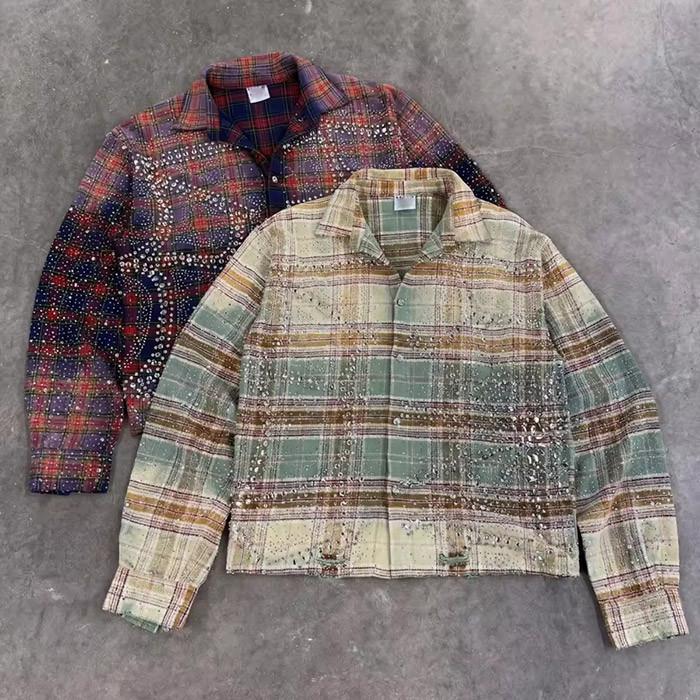
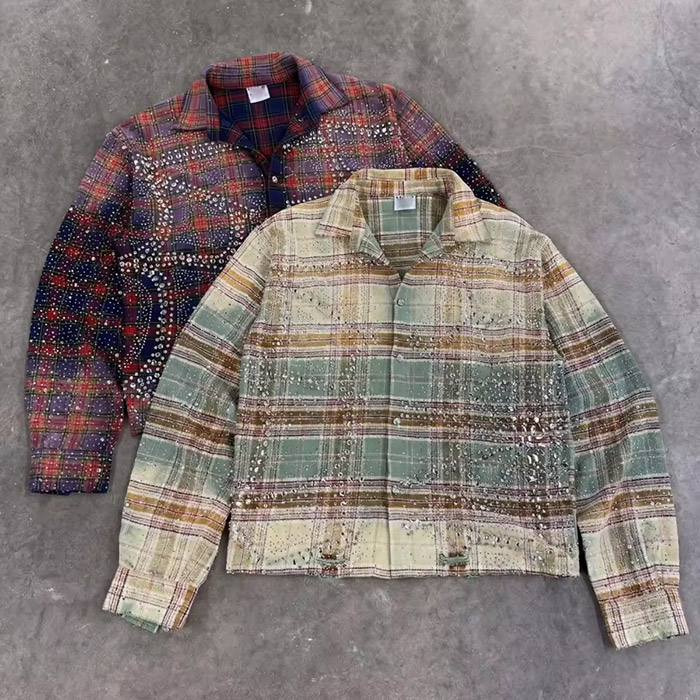
As the streetwear landscape evolves, the resurgence of 2010s aesthetics has repositioned the casual shirt—particularly the vintage-inspired plaid or flannel—as a critical layering piece for sophisticated collections. For established brands, the challenge transcends mere sourcing; it lies in finding a manufacturing partner who grasps the nuanced difference between a generic button-down and a culturally resonant streetwear overshirt. This guide offers a strategic framework for navigating this complex sourcing decision, focusing on the technical capabilities, quality control systems, and production intelligence required to execute these garments at scale. It is a deep dive into how to vet a custom casual shirt OEM factory that can deliver the precise fit, feel, and finish that defines today's market leaders.
Key Takeaways for Streetwear Brands
- ▸ Mastering vintage aesthetics requires specialized manufacturing capabilities, including advanced garment washing, precise pattern making for relaxed fits, and expertise in fabrics like heavyweight flannel and brushed cotton.
- ▸ True bulk consistency for casual shirts hinges on a manufacturer's ability to control wash repeatability, ensure plaid pattern alignment across all sizes, and prevent sample-to-bulk drift through rigorous, in-process quality control.
- ▸ Beyond basic sewing, a top-tier casual shirt manufacturer provides deep expertise in surface treatments, from authentic vintage fading and enzyme washes to intricate embroidery and patch details that align with a brand's creative vision.
- ▸ Identifying a partner capable of executing both complex, process-heavy vintage shirts and clean, minimalist essentials at scale is the key to building a versatile and commercially successful collection for the global market.
Why Are Vintage-Inspired Casual Shirts Becoming a Strategic Category for Streetwear Brands in 2026?
The resurgence of 2010s fashion, the commercial necessity of versatile layering pieces, and the casual shirt's unique ability to function as a statement overshirt are making it a cornerstone for streetwear brands. This trend allows brands to add narrative depth and commercial longevity to their collections in a market projected to exceed $216 billion. [1]
The fashion trend cycle, now accelerated by social media, is definitively pointing towards a 2010s revival. As noted by trend analysts, styles that dominated the early 2010s—including the ubiquitous plaid and flannel shirt—are being re-contextualized for a new generation. [2] For established streetwear brands, this isn't simply about nostalgia; it's a strategic opportunity. The casual shirt, once a staple of hipster and grunge-inspired looks, has evolved into the quintessential 'overshirt.' It serves as the perfect mid-layer, offering a relaxed silhouette that complements the oversized tees and hoodies that anchor modern streetwear. This renewed focus on layering pieces is not just an aesthetic choice but a commercial one, providing brands with transitional items that extend seasonal relevance and increase the average transaction value. The broader revival of retro aesthetics, including Y2K styles, has primed consumers to appreciate well-executed vintage-inspired garments, making the casual shirt a powerful tool for storytelling.
In a global streetwear market valued at an estimated $185 billion to $216 billion, differentiation is paramount. [1] [3] While graphic tees and hoodies remain core products, the casual shirt offers a more nuanced canvas for expressing a brand's identity. The choice of a heavyweight, brushed cotton flannel versus a lightweight, enzyme-washed twill communicates a distinct message. The fit—whether a sharp, boxy cut or a more relaxed, draped silhouette—defines the wearer's attitude. For brands looking to mature beyond logo-centric offerings, the casual shirt provides an avenue to demonstrate a commitment to quality construction, thoughtful fabric sourcing, and sophisticated design. It's a garment that signals a brand's understanding of not just trends, but of clothing as a craft. This makes finding a specialized streetwear vintage plaid shirt supplier a critical component of a brand's growth strategy.
The commercial logic behind this shift is also supported by broader industry data. The global apparel market, valued at approximately $1.84 trillion, is experiencing a period of cautious consumer spending and value-driven purchasing decisions. [6] In this environment, brands that can offer garments with a compelling narrative, superior tactile quality, and a distinct visual identity are better positioned to justify premium pricing. The casual shirt, particularly one that evokes the authenticity of vintage workwear or the cultural resonance of 2010s streetwear, delivers on all three fronts. It is not merely a product; it is a statement of intent from the brand, communicating to the consumer that every detail, from the weight of the flannel to the depth of the enzyme wash, has been considered with care. This level of intentionality is what separates a forgettable garment from a wardrobe staple, and it begins with the selection of the right manufacturing partner who can translate that vision into a tangible, scalable product.
What Manufacturing Capabilities Separate a Casual Shirt Specialist from a Generic Garment Factory?
A specialist is defined by their deep expertise in four key areas: nuanced fabric sourcing for specific drapes and hand-feels, advanced garment washing to create authentic vintage effects, precision pattern making for non-traditional streetwear silhouettes, and mastery of complex surface treatments beyond simple printing.
A generic garment factory might be able to produce a basic button-down shirt, but a streetwear casual shirt demands a fundamentally different skill set. The first distinction lies in fabric sourcing. A specialist manufacturer maintains a curated library of materials specifically suited for streetwear aesthetics, such as heavyweight brushed flannels, soft-washed corduroys, durable cotton twills, and unique blended fabrics. They understand how a 250 GSM brushed flannel will drape in an oversized fit versus a 180 GSM poplin. This expertise allows them to guide brands toward the right material that not only looks the part but also withstands the intensive washing and finishing processes required for a vintage look.
Secondly, the mastery of garment washing is non-negotiable. Creating an authentic vintage feel is an art form that combines chemistry and craftsmanship. A dedicated streetwear manufacturer possesses an in-house or tightly controlled washing facility with expertise in various techniques. This includes enzyme washes for a soft, lived-in feel, stone washes for a gently faded look, and more aggressive acid washes for a distinct, retro aesthetic. The ability to control these variables consistently across thousands of units is a hallmark of a top-tier partner. They can replicate a specific level of distressing or fading from a reference sample, a process that requires deep knowledge of how different dyes and fabrics react. This level of control is central to the art of the wash and is something generic factories, who often outsource this critical step, cannot guarantee.
Finally, expertise in pattern making and surface treatment is crucial. Streetwear shirts are not built on standard corporate sizing blocks. They require skilled pattern makers who understand the geometry of relaxed, boxy, and oversized fits, ensuring the garment hangs correctly without appearing sloppy. This technical skill is complemented by the ability to execute a wide range of surface treatments. While a basic factory might offer simple screen printing, a specialist can handle intricate, multi-layered embroidery, chenille patches, appliqué, and high-density graphic applications that integrate seamlessly with the garment's design. This holistic approach—where fabric, wash, fit, and finish are all considered part of a single, cohesive process—is what separates a true custom men's streetwear clothing in bulk manufacturer from a mere production line.
Another often-overlooked capability is the manufacturer's proficiency in hardware and trim sourcing. A streetwear casual shirt is defined as much by its buttons, snaps, and labels as by its fabric. A specialist manufacturer will have established relationships with suppliers of high-quality, unique hardware, such as custom-engraved metal snaps, natural horn buttons, or woven labels with intricate detailing. They understand that these small details contribute significantly to the overall perceived value and brand identity of the garment. Furthermore, they can advise on the durability and suitability of different hardware options for various wash processes, ensuring that a metal snap won't tarnish after an acid wash or that a delicate woven label won't fray after repeated laundering. This attention to the complete garment ecosystem is a defining characteristic of a manufacturer that truly understands the demands of the streetwear market.
How Should Procurement Teams Evaluate a Custom Casual Shirt OEM Factory for Bulk Consistency?
Evaluation must go beyond the initial sample by scrutinizing the manufacturer's systems for process control. This includes demanding proof of their pattern grading accuracy, wash repeatability across different production lots, color consistency management for complex patterns like plaid, and a transparent, multi-stage quality control process.
A perfect sample is a sales tool; a perfect bulk run is a sign of a true manufacturing partner. For procurement teams at established streetwear brands, the vetting process for a custom casual shirt OEM factory must focus on the systems that ensure scalability and repeatability. The first area of inquiry should be pattern accuracy and grading. Ask potential partners to demonstrate how they maintain the integrity of a fit across a full-size run. A skilled manufacturer will use digital pattern-making software and automated cutters to ensure that the proportions of an oversized shirt in size Small are correctly scaled to an XXL, preserving the intended silhouette. Request to see examples of graded nests and previously produced size sets to verify their capability.
Wash repeatability is another critical stress test, especially for vintage-inspired collections. A one-off sample wash is relatively easy to achieve, but replicating that exact finish across 5,000 garments is a complex industrial process. Inquire about their wash documentation process. Do they record and codify every variable, including water temperature, enzyme concentration, cycle time, and stone-to-garment ratio? A sophisticated manufacturer will have a systematic approach to creating wash recipes that can be precisely replicated. Ask for examples of garments from different production runs of the same style to compare for consistency. Any significant deviation is a red flag, indicating a lack of process control that can lead to costly and brand-damaging inconsistencies in a bulk order.
For casual shirts featuring plaid, checks, or stripes, pattern matching is a non-negotiable indicator of a quality-focused factory. Inquire about their specific procedures for aligning patterns at key seams, such as the side seams, front placket, and yoke. A high-end manufacturer will often build the additional labor and potential fabric waste of precise pattern matching into their costing, while a lower-tier factory may cut corners to save money, resulting in a visually jarring and unprofessional final product. This diligence is all part of a comprehensive quality control framework. A reliable partner will be able to walk you through their multi-stage QC process, from raw material inspection to in-line sewing checks and final garment audits. This entire process should be documented in a detailed tech pack, which serves as the blueprint for production and the ultimate source of truth for ensuring quality. For more information on sustainable and responsible fabric sourcing, organizations like the Textile Exchange provide valuable industry standards and resources. [4]
Which Fabric and Finish Decisions Define the Quality of a Streetwear Casual Shirt at Scale?
The defining decisions are the selection of appropriate fabric weight to achieve the desired silhouette, the choice of a wash and dye technique that creates an authentic and consistent finish, meticulous attention to plaid pattern alignment, and a focus on achieving the specific hand-feel and drape that aligns with the brand's identity.
At the heart of a high-quality casual shirt is the fabric itself. The choice of fabric weight is the first critical decision. A lightweight poplin (around 120-150 GSM) might be suitable for a summer shirt, but for the overshirt style dominating streetwear, heavier fabrics are essential. A mid-weight flannel or twill (180-230 GSM) offers structure without being overly rigid, while a heavyweight brushed flannel (250-320 GSM) provides a substantial, premium feel perfect for cooler weather. A knowledgeable manufacturer will not only offer a range of weights but will also provide guidance on how each fabric will behave after washing, as shrinkage and changes in texture can significantly alter the final garment.
The second key decision is the finishing process. This is where the shirt's character is truly defined. A vintage wash, achieved through enzyme or stone washing, breaks down the fabric's stiffness and provides a soft, worn-in hand-feel. Garment dyeing, where the entire shirt is dyed after being constructed, results in a rich, slightly uneven color saturation, particularly around the seams, which enhances the vintage aesthetic. Pigment dyes offer a similar effect, designed to fade gracefully over time with each wash. Each of these processes requires a different level of technical control to ensure consistency. A brand's decision here will impact not only the look and feel but also the production complexity and cost. These finishing techniques are often complemented by surface decorations, where a deep understanding of advanced printing technologies or the nuances of embroidery [5] can elevate a simple shirt into a statement piece.
For plaid or patterned shirts, no detail is more telling of quality than pattern alignment. A top-tier manufacturer will meticulously ensure that the horizontal and vertical lines of the plaid match up across the front placket, at the side seams, and on the pocket. This process, known as 'pattern matching,' is labor-intensive and requires more fabric, but it is a clear and immediate indicator of a well-made garment. Finally, the desired hand-feel and drape must be a conscious decision from the outset. Is the goal a crisp, structured shirt or a soft, fluid one? This outcome is a result of the interplay between fabric choice, wash technique, and construction. A great manufacturer works with the brand to define this target and then engineers the production process to achieve it, ensuring the final product not only meets the visual specification but also feels right to the end consumer.
What Are the Real Cost and Timeline Trade-Offs When Producing Custom Streetwear Shirts in Bulk?
The primary trade-off involves balancing a higher per-unit cost for superior fabrics, complex washes, and meticulous construction against the long-term brand value and reduced risk of quality issues. Timelines are similarly affected, with specialized processes requiring longer lead times than generic production, a strategic investment in a superior final product.
For established brands, understanding the cost structure of a custom casual shirt is crucial for managing margins and retail pricing. The cost-per-unit is a composite of several factors: the price of the base fabric, the cost of trims (buttons, labels), the labor for cutting and sewing, and the expense of any specialized washing or finishing processes. A vintage-washed, heavyweight plaid flannel shirt with matched patterns will inevitably cost more to produce than a simple, solid-color poplin shirt. Brands must weigh this upfront investment against the perceived value and desirability of the final product. In a fashion industry facing slower growth, as highlighted in the State of Fashion 2026 report, delivering demonstrable quality is key to commanding premium prices and retaining customer loyalty. [6]
A typical production timeline, from the finalization of the tech pack to the delivery of finished goods, can range from 8 to 14 weeks. This can be broken down into several stages: fabric sourcing and approval (2-4 weeks), sample creation and revision (2-3 weeks), bulk production (4-6 weeks), and quality control/packing (1 week). This timeline can be influenced by the complexity of the garment. For instance, a custom-dyed plaid fabric will have a longer lead time than a stock material. Brands should also factor in the concept of 'strategic test runs.' A good manufacturer may offer a slightly higher per-unit price for a smaller initial order (e.g., 100-200 units) to allow the brand to test the market before committing to a larger volume. This flexibility, a key component of modern OEM manufacturing models, is a strategic advantage that minimizes inventory risk.
Finally, it is essential to be aware of potential hidden costs. These are often related to the complexities of producing high-quality casual shirts. For example, precise pattern matching for plaids may incur a surcharge due to increased fabric consumption and slower cutting speeds. Multiple rounds of sample revisions due to an incomplete tech pack can also add unexpected costs. Furthermore, specialized lab dips for custom colors or extensive wash testing to achieve a specific vintage effect may be billed separately. A transparent manufacturing partner will discuss these potential costs upfront, allowing the brand to budget effectively and avoid surprises. This level of detailed planning is what distinguishes a professional partnership from a simple transactional relationship, and it is fundamental to being a good clothing company manufacturer.
It is also worth considering the total cost of ownership rather than just the per-unit price. A slightly more expensive manufacturer who delivers consistent quality, on-time shipments, and minimal defect rates can be far more cost-effective in the long run than a cheaper alternative who produces inconsistent goods, misses deadlines, and generates high return rates. The cost of a failed product launch, damaged brand reputation, or a season of missed sales due to production delays far outweighs any savings on the unit price. Established brands understand this calculus and prioritize finding a partner whose pricing reflects a genuine investment in quality systems, skilled labor, and reliable processes. This strategic approach to costing, which considers the full lifecycle of a product from development to consumer satisfaction, is a hallmark of mature brand management and a critical factor in choosing the right custom streetwear production model.
How Do You Identify a Manufacturer That Can Execute Both Clean Essentials and Complex Vintage Finishes at Scale?
The key is to identify a manufacturer with a vertically integrated or tightly controlled production system, encompassing in-house expertise in washing, finishing, and complex construction. Look for evidence of their ability to manage both process-heavy items and minimalist essentials with equal precision, as this demonstrates true mastery of quality control at scale.
The ultimate challenge for a growing streetwear brand is finding a partner who can handle the full spectrum of their collection. A brand’s lineup might include a heavily distressed, acid-washed flannel overshirt alongside a clean, perfectly constructed solid-color oxford. Many factories specialize in one or the other; they are either high-volume basics producers or boutique, process-heavy workshops. The ability to do both well is rare and is the sign of a truly elite manufacturing partner. This capability hinges on having an integrated production model. A factory with in-house washing, embroidery, and finishing facilities has a significant structural advantage. They can maintain tight control over every stage of the process, ensuring that the creative intent is not lost in translation between multiple outside vendors. This is a core principle of effective cut-and-sew manufacturing for streetwear.
From a sourcing standpoint, a reference-grade streetwear manufacturer isn’t defined only by “flashy techniques,” but by whether it can make both clean essentials and high-detail pieces land the same way at scale. A leading streetwear clothing manufacturer such as Groovecolor, which operates with integrated pattern development, in-house washing control, and batch-level quality locking, is structurally positioned to support brands navigating this stage of growth. This integrated approach ensures that the unglamorous but critical controls—pattern discipline, fabric verification, and repeatable QC—that protect the quality of basic items are the same ones applied to the most complex washed garments. This holistic system is what allows for consistency across a diverse product range, a key factor for brands aiming to build a loyal customer base.
When vetting potential partners, ask for portfolio examples that showcase this range. Don't just look at their most intricate work; also scrutinize their simplest products. Is the stitching on their basic tees as clean as the embroidery on their varsity jackets? Is the fabric quality of their solid-color shirts as high as their custom-milled flannels? This dual capability is the hallmark of a manufacturer that has invested in a robust, flexible, and quality-obsessed production system. They are not just executing one-off designs; they are managing a complex manufacturing ecosystem. For brands with ambitious creative goals and high standards, aligning with such a partner is not just a preference—it is a strategic necessity for long-term success in the competitive global market, especially when considering a custom streetwear manufacturing in China strategy.
Why Does a Manufacturer's Social and Environmental Compliance Matter for Streetwear Brands?
Beyond product quality, a manufacturer's commitment to ethical labor practices and environmental stewardship is a critical component of brand reputation and risk management. For established streetwear brands, partnering with a compliant factory is not just a moral imperative but a core business necessity to meet consumer expectations and regulatory requirements.
In today's transparent market, consumers are increasingly holding brands accountable for their supply chain ethics. A single report of poor labor conditions or environmental negligence can cause irreparable damage to a brand's reputation. Therefore, verifying a manufacturer's compliance credentials is a crucial step in the vetting process. Look for internationally recognized certifications such as SMETA (Sedex Members Ethical Trade Audit) or BSCI (Business Social Compliance Initiative). These audits provide independent verification of a factory's adherence to standards covering labor rights, health and safety, environmental practices, and business ethics. A manufacturer that proudly displays these certifications demonstrates a commitment to transparency and responsible manufacturing.
Environmental responsibility is another key consideration. The apparel industry is a significant contributor to global pollution, and conscious consumers are demanding more sustainable products. A forward-thinking manufacturer will have systems in place to minimize their environmental impact. This can include using recycled or organic materials, implementing water-saving dye and wash techniques, and properly managing chemical waste. Inquire about their sustainability policies and any certifications they hold, such as the Global Organic Textile Standard (GOTS) or the Bluesign system for sustainable textile production. Partnering with an environmentally conscious manufacturer not only aligns with modern consumer values but can also be a powerful marketing tool for your brand. For a deeper understanding of the nuances between different compliance frameworks, exploring resources that explain the difference between SMETA and BSCI can be highly beneficial.
Ultimately, a manufacturer's approach to social and environmental compliance is a reflection of their overall professionalism and long-term vision. A factory that invests in the well-being of its workers and the health of the planet is more likely to be a reliable, high-quality partner. They are less likely to cut corners that could compromise product quality or lead to supply chain disruptions. For established streetwear brands, choosing a compliant and sustainable manufacturer is a strategic decision that protects brand value, mitigates risk, and builds a foundation for responsible growth in a rapidly evolving market.
What Does the Future of Casual Shirt Manufacturing Look Like for Streetwear?
The future is defined by the integration of technology, a deeper commitment to sustainability, and the rise of hyper-flexible production models. Innovations like AI-driven quality control, on-demand manufacturing, and the development of advanced sustainable materials will reshape how streetwear brands create and deliver casual shirts.
Technological innovation is rapidly moving from the periphery to the core of apparel manufacturing. As highlighted by McKinsey, AI is set to rewire the workforce and create significant productivity gains. [6] For casual shirt manufacturing, this translates into several key advancements. AI-powered quality control systems, for example, can use computer vision to inspect fabric for flaws, check pattern alignment with superhuman accuracy, and ensure color consistency across thousands of garments. This reduces the risk of human error and allows for a higher level of precision than ever before. Furthermore, the integration of 3D design and sampling allows brands to visualize and iterate on a shirt's design digitally, reducing the time and material waste associated with physical sampling. This digital-first approach streamlines the development process and enables a more agile response to market trends.
Sustainability will continue to be a driving force, moving beyond recycled materials to encompass the entire production lifecycle. The future lies in circular manufacturing models, where shirts are designed from the outset to be easily disassembled and recycled. This involves using mono-materials (e.g., 100% organic cotton, including the thread) and avoiding complex blends that are difficult to process. We will also see the rise of innovative, low-impact materials, such as textiles derived from agricultural waste or grown in a lab. Waterless dyeing techniques and energy-efficient finishing processes will become standard as manufacturers face increasing pressure to reduce their environmental footprint. Brands that embrace these sustainable innovations will not only appeal to a growing segment of conscious consumers but will also be better positioned to navigate future environmental regulations.
Finally, the production model itself is becoming more flexible. The traditional, long-lead-time bulk production model is being challenged by the need for greater agility. On-demand manufacturing and smaller, more frequent production runs allow brands to be more responsive to trends and reduce the risk of overproduction. This model is enabled by digital printing, automated cutting, and agile sewing lines that can quickly switch between different styles. For streetwear brands, this means the ability to drop limited-edition collections, test new ideas without a massive inventory commitment, and keep their offerings fresh and exciting. The manufacturer of the future will be less of a simple production line and more of a strategic partner, offering a suite of flexible, technology-driven services that empower brands to thrive in a fast-paced and ever-changing market.
Frequently Asked Questions for Casual Shirt Manufacturing
What is the typical MOQ for custom casual shirts with a specialized streetwear manufacturer?
For specialized streetwear manufacturers, strategic test runs for custom casual shirts typically start between 50 to 150 units per style and color. This allows established brands to validate new designs, fits, or washes in the market before committing to larger-scale production volumes.
This approach is designed for brands with proven sell-through, providing a balance between inventory risk management and the ability to scale quickly. For highly complex garments involving custom-milled fabrics or intricate, multi-stage wash processes, the required commitment for a strategic test run might be higher to account for the extensive setup and development involved.
How do you ensure plaid pattern alignment stays consistent across a bulk production run?
Consistency is achieved through a combination of precision cutting, skilled manual layout, and rigorous in-process quality control. Top-tier manufacturers use automated cutting tables guided by digital patterns and employ experienced technicians to ensure key lines match at all major seams.
The process involves several key steps:
- Digital Pre-Planning: The tech pack explicitly defines all pattern matching points.
- Increased Fabric Allocation: More fabric is allocated per garment to allow for precise alignment during cutting, which is a factored-in cost.
- Skilled Manual Spreading: Fabric is laid out by hand to ensure the plaid repeats are perfectly aligned before the automated cutter begins.
- In-Line QC Checks: Quality controllers inspect cut panels and sewn garments at multiple stages to catch any deviations immediately.
Can a casual shirt manufacturer handle both vintage-washed and clean-finish styles in the same order?
Yes, a vertically integrated or full-service streetwear manufacturer is specifically structured to handle this. The capability to produce both process-heavy vintage styles and clean, minimalist garments within the same production system is a key indicator of a sophisticated and versatile manufacturing partner.
This requires separate but coordinated production lines and quality control pathways. Clean-finish shirts are protected from the environmental factors of a wash house (dust, moisture, chemicals), while vintage-washed shirts go through a completely different finishing route. A manufacturer's ability to manage this complexity without cross-contamination and maintain high standards for both demonstrates a high level of operational maturity.
What should a tech pack include for a custom streetwear casual shirt?
A comprehensive tech pack for a casual shirt must include detailed flat sketches, a full garment specification sheet with graded measurements, specific fabric details (weight, composition, source), and callouts for all construction and finishing details.
Key elements include:
- Technical Flats: Front, back, and side views with all seams, stitching, and details clearly drawn.
- Graded Spec Sheet: A table of measurements for all key points of measure (e.g., chest, length, sleeve) across your full size range.
- Fabric and Trim Details: Specification of the main body fabric, any contrast fabrics, buttons, thread colors, and labels.
- Construction Details: Notes on stitch type and size, hem finishes, and any special construction methods.
- Wash/Finish Instructions: A detailed description of the desired vintage wash, including reference images and desired hand-feel.
- Pattern Matching: Explicit instructions on where plaid or stripe patterns must align.
How do established brands verify a casual shirt manufacturer's wash consistency before committing to bulk?
Brands verify consistency by requesting and evaluating pre-production samples (PPS) alongside production garments from previous, unrelated orders. This allows them to assess if the factory can replicate a specific wash recipe and finish not just once, but as a standard operational practice.
The verification process involves comparing the approved pre-production sample against several randomly selected pieces from a past bulk run of a similar garment. Key points of evaluation are color consistency, the degree and placement of fading or distressing, and the final hand-feel of the fabric. A reliable manufacturer will have these archived samples readily available and will be transparent about their documented wash recipes and quality control records from past production lots.
About the Author

References
- Business Research Insights. (2026). *Streetwear Market Size, Share, Forecast Report 2035*. Retrieved from https://www.businessresearchinsights.com/market-reports/streetwear-market-105733
- DeStefano, M. (2026, January 6). *10 Fashion Trends We Think Will Run Streetwear in 2026*. Complex. Retrieved from https://www.complex.com/style/a/mike-destefano/10-fashion-trends-we-think-will-run-streetwear-2026
- PwC Strategy&. (n.d.). *Streetwear: The new-luxury-to-be*. Retrieved from https://www.strategyand.pwc.com/de/en/industries/consumer-markets/streetwear.html
- Textile Exchange. (n.d.). *Homepage*. Retrieved from https://textileexchange.org/
- Wikipedia. (n.d.). *Embroidery*. Retrieved from https://en.wikipedia.org/wiki/Embroidery
- McKinsey & Company. (2025, November 17). *The State of Fashion 2026: When the rules change*. Retrieved from https://www.mckinsey.com/industries/retail/our-insights/state-of-fashion