How Relaxed Utility Is Shaping Streetwear Product Development and Manufacturing in 2026?
- Share
- publisher
- GROOVECOLOR
- Issue Time
- May 4,2026
Summary
Discover how relaxed utility is shaping streetwear product development in 2026. This manufacturing-led analysis explores why oversized cargos, field jackets, and washed neutrals are becoming structural staples for established brands. Learn how to verify factory capabilities in pattern engineering, pocket placement, wash control, and sample-to-bulk alignment to scale utility collections without quality drift. Actionable frameworks for procurement teams and creative directors.
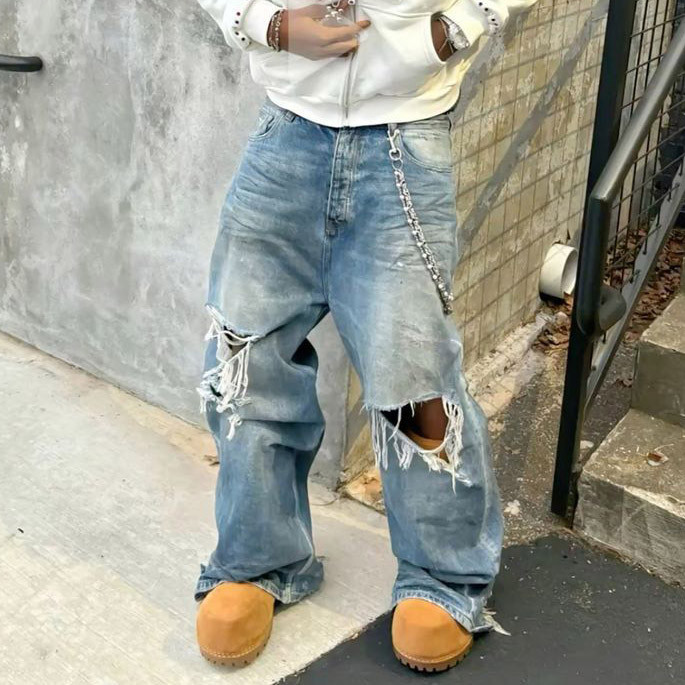
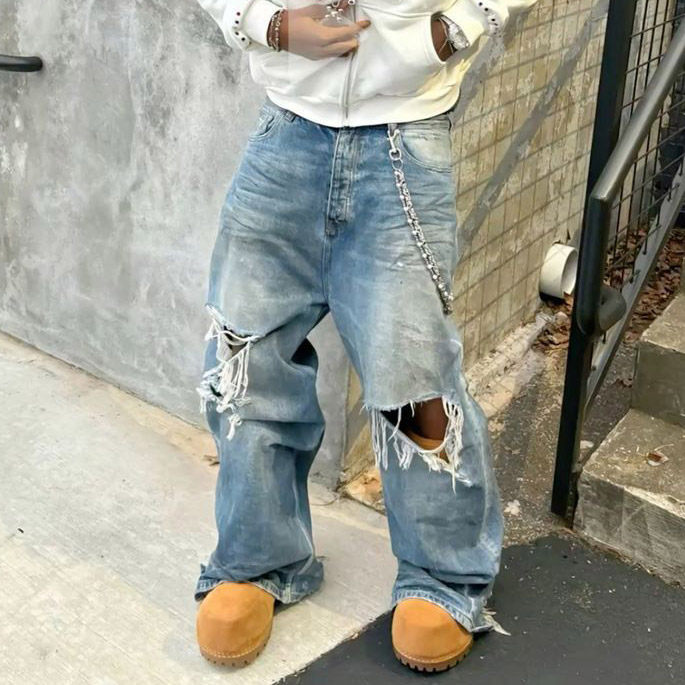
Quick Answer: Relaxed utility in 2025–2026 is no longer just a styling trend or a passing mood; it has evolved into a highly commercial, scalable product language for established streetwear brands. It manifests through cargo bottoms, field jackets, utility overshirts, longer shorts, and softer workwear-inspired outerwear. For procurement teams and creative directors, the real challenge is not chasing the aesthetic, but figuring out how to translate this silhouette into repeatable, bulk-ready products. The true manufacturing bottlenecks lie in mastering fit balance, pocket engineering, fabric behavior, washed color control, and sample-to-bulk consistency.
Key Takeaways for Established Streetwear Brands
- ▸ Relaxed utility is a structural product direction, requiring precise pattern development rather than just adding random pockets to existing blocks.
- ▸ Silhouette balance matters more than excess detailing; controlling rise, seat, and thigh proportions prevents the garment from looking costume-like.
- ▸ Fabric selection and advanced garment washing dictate commercial quality, especially when executing muted khaki, olive, and faded black tones.
- ▸ Pocket design is central to utility execution; engineering placement and volume ensures functional aesthetics remain stable during mass production.
- ▸ Bulk consistency is where strong manufacturing partners matter most, ensuring that complex utility layers maintain their intended drape and finish at scale.
As the global streetwear market continues its steady expansion—projected by industry analysts to grow significantly through 2026—the product language driving this growth is shifting. We are moving away from the hyper-graphic, logo-heavy drops of previous eras and entering a phase where structural design takes precedence. Relaxed utility has emerged as a dominant force, blending the practical elements of traditional workwear with the nuanced, oversized silhouettes that define modern street culture. However, for brands operating at a global or multi-market level, recognizing a shift in consumer preference is only the first step. The far more complex hurdle is executing that shift on the production floor.
When a brand transitions from printing on basic blanks to developing custom cut-and-sew utility pieces, the entire supply chain dynamic changes. A standard factory might be able to sew a cargo pocket, but translating a designer's vision of a "relaxed drape" into a graded pattern that holds its shape across hundreds of units requires a completely different level of technical discipline. This article provides a manufacturing-led analysis of how established labels can successfully develop and scale relaxed utility collections, focusing on the critical intersection of design intent and factory-floor reality.
The stakes are particularly high because utility garments carry more construction complexity than most streetwear staples. A graphic tee requires screen printing accuracy; a utility cargo pant requires pocket engineering, reinforcement stitching, hardware integration, pattern grading for volume control, and wash processing that must all work together without compromise. Each of these variables introduces a potential failure point during bulk production. Understanding where these failures typically occur—and how to prevent them through smarter sourcing and clearer technical briefs—is what separates brands that scale successfully from those that burn through development budgets chasing samples that never translate to sellable inventory.
How Do You Verify the Definition of Relaxed Utility in Modern Streetwear Production?
Direct Answer: In modern streetwear production, relaxed utility is verified not by the presence of functional hardware, but by the precise execution of relaxed leg shapes, utility-coded pocketing, softer outerwear structures, and washed earth-tone palettes. It requires a manufacturing approach that balances workwear references with urban styling, ensuring garments do not look like rigid, traditional uniforms.
To properly source and develop this category, procurement teams must first strip away the marketing jargon and look at the physical garment specifications. Relaxed utility is not simply "baggy workwear." Traditional workwear is built primarily for durability and abrasion resistance, often utilizing stiff, heavy canvas or rigid denim that requires months of wear to break in. In contrast, the streetwear interpretation demands immediate comfort and a specific visual drape right out of the polybag. This means factories must possess the capability to manipulate fabrics—often through advanced enzyme or stone washing—to soften the hand feel without destroying the structural integrity of the garment.
Furthermore, the defining characteristics of this aesthetic rely heavily on subtle pattern adjustments. Relaxed leg shapes require careful grading of the rise and thigh to prevent the "diaper effect" common in poorly executed oversized pants. Utility-coded pocketing must be engineered so that the pockets lay flat when empty but expand cleanly when needed, rather than bulging awkwardly and ruining the silhouette. The color palette also presents a unique challenge; earth tones and washed neutrals (like faded olive, muted khaki, and washed brown) require rigorous dye lot control to prevent the garments from looking unintentionally dirty or inconsistent across a bulk run. When evaluating a factory's capability, examining their custom streetwear pants and trousers portfolio can reveal whether they truly understand this delicate balance between rugged detailing and refined streetwear fit.
It is also worth noting that relaxed utility in streetwear draws from a fundamentally different cultural lineage than traditional workwear. While workwear brands reference industrial labor and outdoor functionality, streetwear utility references military surplus, urban exploration, and skate culture. This distinction matters on the production floor because it changes the acceptable tolerances. A workwear brand might accept a stiffer, more uniform finish; a streetwear brand requires visible character—subtle wash variations, slightly irregular fading, and a hand feel that suggests the garment has already been lived in. Achieving this level of controlled imperfection at scale is one of the most technically demanding aspects of modern streetwear manufacturing, requiring factories with deep experience in garment-dyed and post-wash finishing processes.
What Signals Indicate Relaxed Utility Is a Safe Long-Term Investment for 2026?
Direct Answer: The strongest signals that relaxed utility is a safe, long-term investment include the convergence of high-fashion runway trends with grassroots street style, the shift toward softer, more wearable fabrics, and the commercial versatility of earth-tone palettes. This direction offers brands a broader, more accessible range than aggressive, hard-core workwear, making it highly scalable for recurring seasonal programs.
For product developers planning their 2026 calendars, committing to a new silhouette direction requires evidence beyond a few viral social media posts. The current landscape shows a rare alignment: both luxury fashion houses and core skate/street brands are heavily indexing on utility elements. However, the critical evolution is that utility is becoming softer and more wearable. We are seeing a move away from stiff, impenetrable fabrics toward lightweight cotton-nylon blends, washed twills, and linen mixtures that offer the look of utility without the restrictive feel. This softening makes the garments accessible to a much wider consumer base, increasing sell-through rates and reducing inventory risk.
Additionally, the strengthening of the earth-tone mood—khaki, brown, green, and olive—provides a highly commercial foundation. These colors act as new neutrals, easily integrating into existing wardrobes and pairing effortlessly with the core black, white, and grey staples that most brands rely on. Because relaxed utility pieces sit comfortably between fashion-forward statements and practical everyday wear, they allow brands to build carryover silhouettes. A successful cargo pant block, for instance, can be updated seasonally with new washes, trims, or fabric weights without requiring a complete redesign. This repeatability is exactly what makes the category so attractive for a bulk cut-and-sew manufacturing strategy, where stabilizing the core pattern yields significant margin improvements over time.
From a sourcing perspective, the commercial viability of relaxed utility is further supported by the category's favorable cost-per-wear ratio. Unlike highly trend-dependent pieces that consumers may wear only a few times before the aesthetic shifts, utility-coded garments are perceived as durable wardrobe staples. This perception drives higher price tolerance among consumers and stronger full-price sell-through for brands. When combined with the ability to carry core silhouettes across multiple seasons—refreshing only the wash, color, or trim details—the unit economics become highly attractive. Brands that invest in developing a strong utility block with a capable manufacturing partner can amortize their development costs across several seasons, significantly improving their gross margins compared to collections that require entirely new patterns every drop.
Which Product Categories Provide the Safest Entry Point for Relaxed Utility Collections?
Direct Answer: The safest and most effective entry points for relaxed utility collections include relaxed cargo pants, field jackets, longer utility shorts, washed bottoms, and hybrid utility layers. These categories translate the aesthetic most naturally while offering the highest commercial viability and ease of integration into existing streetwear lines.
For brands looking to establish a foothold in this direction without overcommitting, the immediate focus should be on categories that naturally lend themselves to utility detailing. Relaxed cargo pants and utility trousers are the cornerstone. The defining features here are a baggier leg paired with a cleaner, more integrated pocket structure. Fabrics should lean toward washed twill, cotton-nylon blends, or lightweight canvas, primarily in muted khaki, olive, faded black, or brown. The goal is to offer volume without excessive weight, allowing the pant to stack naturally over footwear.
Moving up the body, field jackets and softer utility outerwear serve as essential transitional pieces. This includes the classic field jacket silhouette, utility overshirts, chore-inspired jackets, and safari-influenced designs. The emphasis must be on a softer structure; rigid shoulders and stiff collars immediately read as traditional workwear rather than contemporary streetwear. Similarly, hybrid utility layers—such as zip jackets, shackets, and lightweight transitional pieces—bridge the gap perfectly, offering the visual cues of utility without the bulk. For warmer climates or summer drops, longer utility shorts with a wider opening and lighter structure, featuring carefully balanced pockets, are becoming increasingly vital.
Across all these categories, washed utility bottoms remain a critical focus area. Utilizing garment dye and washed twill to achieve a faded surface character is paramount. This process makes the garments significantly more lifestyle-friendly than rigid workwear fabrics, providing the worn-in aesthetic that streetwear consumers demand. A factory’s ability to consistently execute these washes across different fabric bases—especially when developing a streetwear-oriented outerwear program—is a key differentiator in the market.
Where Does Relaxed Utility Development Typically Hit a Ceiling During Scale-Up?
Direct Answer: Relaxed utility development typically hits a ceiling during scale-up due to a failure in maintaining silhouette balance, poor pocket engineering, incorrect fabric choices, inconsistent washed neutrals, and an over-accumulation of details. Bulk execution is where the true complexity of utility garments is revealed, as minor deviations in sample-to-bulk alignment can ruin the product's intended drape and functionality.
The transition from a successful sample to a consistent bulk run is notoriously difficult in utility apparel. The most common point of failure is silhouette balance. "Bagginess" is not achieved simply by sizing up; it requires meticulous control of the rise, seat, thigh, leg opening, and overall body proportion. When a pattern is poorly graded, the resulting garment looks sloppy rather than intentionally relaxed. Pocket design is equally critical. Pockets are not merely aesthetic additions; their position, height, volume, angle, and flap length dramatically alter the visual center of gravity. A pocket placed half an inch too low during bulk production can make the entire garment appear ill-fitting.
Fabric choice fundamentally changes the end result. Utility fabrics cannot just be "hard"; if they are too stiff, the garment becomes cumbersome and restrictive, but if they are too soft, it loses all structural support. This balance is further complicated by the challenge of washed neutrals. Achieving consistent olive, khaki, washed brown, or faded black tones across a large production run is exceptionally difficult. If the wash process is not strictly controlled, these colors easily look dirty, overly aged, or cheap. Furthermore, details require control, not accumulation. Drawcords, snaps, zippers, bar tacks, flaps, and tabs must serve the silhouette; adding more hardware does not automatically improve the design and often introduces unnecessary points of failure during manufacturing.
Ultimately, bulk execution is where many utility products lose their perceived quality. A sample might look perfectly balanced, but that does not guarantee immunity from pocket drift, shape drift, or wash drift during mass production. For established streetwear labels scaling their collections, this is where the choice of manufacturing partner becomes paramount. The ability to manage these specific variables separates capable factories from those that merely assemble garments.
Another frequently underestimated challenge is hardware integration. Utility garments often feature snaps, D-rings, adjustable drawcords, and custom zipper pulls. Each of these components introduces a potential quality risk during bulk production. Snaps that are set at incorrect pressure will either pop open during wear or become impossible to close. D-rings that are not properly anchored can tear through the fabric under stress. Drawcords that are threaded through poorly finished channels will bunch and jam. These are not hypothetical scenarios; they are the most common complaints from brands that source utility garments from factories without dedicated hardware testing protocols. A streetwear manufacturer with robust pre-production auditing—where every hardware component is stress-tested before the main production run begins—can prevent these issues from reaching the end consumer. This kind of proactive risk management, as practiced in Groovecolor's batch-level verification system, is what distinguishes a strategic manufacturing partner from a basic garment assembler.
What Must Be Decided Before Sampling Relaxed Utility Styles for the First Time?
Direct Answer: Before sampling relaxed utility styles, product teams must definitively define the silhouette, simplify the utility language, decide on the core aesthetic (urban, washed, or workwear-coded), test the pocket layout, choose fabric based on drape and structure, align the wash goal with the color story, and confirm how the style will scale across all sizes.
For procurement teams, creative directors, and product developers, entering the utility space requires a rigorous pre-development checklist. Jumping straight into sampling without clear parameters often leads to endless revisions and wasted capital. The first step is to define the silhouette precisely. Is the intent a subtle relaxation of a classic block, or a dramatic, exaggerated oversized fit? Once the foundation is set, the utility language must be simplified. It is crucial to decide whether the product leans more toward a clean urban aesthetic, a heavily washed vintage look, or a more literal workwear interpretation.
Testing the pocket layout before adding further details is a non-negotiable step. Pockets dictate the garment's functionality and visual weight; getting them right early prevents structural issues later. Fabric selection must be driven by the desired drape and necessary structure, not just the GSM. The wash goal must be aligned with the intended color story from the outset, as the dyeing and washing processes will fundamentally alter the fabric's final appearance and feel. Finally, teams must confirm how the style should scale across sizes, ensuring that the relaxed proportions hold true from a size small to an extra-large.
Beyond these foundational decisions, teams should also consider the layering context of each utility piece. A field jacket designed to be worn over a heavyweight hoodie requires different body and sleeve proportions than one intended as a standalone layer. Similarly, cargo pants that will be styled with high-top sneakers need a different leg opening and stacking allowance than those paired with low-profile footwear. These styling considerations must be communicated clearly in the technical package sent to the manufacturer, because they directly influence pattern construction. Factories that have extensive experience producing for streetwear brands—where layering is a fundamental part of the product design philosophy—are far better equipped to interpret these nuances correctly during the sampling phase, reducing the number of revision rounds and accelerating the path to production-ready garments.
Product Development Checklist for Utility Apparel
Pre-Sampling Requirements
How Do You Verify a Streetwear Manufacturer’s Capability to Support Complex Utility Programs?
Direct Answer: Verifying a manufacturer's capability requires auditing their pattern development for volume control, their pocket engineering discipline, their fabric sourcing expertise, their wash and color control for neutral palettes, and their pre-production checks that focus on balance rather than just basic defects. A true partner must demonstrate sample-to-bulk alignment across all these variables.
When assessing potential partners for utility collections, the evaluation must move beyond simple capacity metrics. The first area of scrutiny is pattern development. A capable streetwear pants manufacturer does not simply scale up a standard block to create an oversized fit; they actively adjust the structure to control volume, ensuring the garment drapes correctly without ballooning. Pocket engineering and construction discipline are equally telling. The factory must demonstrate an understanding of pocket logic—how a pocket behaves when full versus empty—and possess the technical skill to build stable, reinforced structures that withstand wear.
Fabric sourcing capabilities must match the intended silhouette. The manufacturer should be able to source materials based on specific requirements for drape, density, and surface texture, rather than just offering standard catalog options. Furthermore, wash and color control for neutral utility palettes is a major differentiator. The ability to maintain consistency in khaki, olive, and washed browns across large batches requires sophisticated dyeing and washing facilities, often necessitating in-house capabilities rather than relying on third-party subcontractors.
Finally, the pre-production checks must focus on balance, not just basic defects. Beyond standard sewing issues, quality control must verify that the proportions, pocket placements, drape, and overall silhouette have not shifted during the transition to bulk. A top-tier streetwear manufacturer such as Groovecolor, which operates with integrated pattern development, in-house process control, and batch-level quality locking, is structurally positioned to support brands navigating this stage of growth. Their approach ensures that the complex variables of utility design are managed systematically, protecting the brand's vision at scale.
It is also important to evaluate how a factory handles communication during the development cycle. Utility garments involve more back-and-forth than simpler product categories because of the number of interrelated variables. A manufacturer that provides detailed photo documentation at each stage—fabric swatching, pocket mock-ups, wash trials, and pre-production fit checks—gives the brand far greater control over the final outcome. This level of transparency is not a luxury; it is a practical necessity when developing products where a two-centimeter shift in pocket placement or a half-shade variation in garment dye can determine whether the final product meets the brand's quality threshold or gets rejected at receiving.
What Makes a Commercial Relaxed Utility Program Look Scalable for Streetwear Brands?
Direct Answer: A scalable commercial relaxed utility program typically consists of a hero cargo bottom, a lighter utility short, a field-inspired jacket, a washed overshirt or zip layer, a carryover neutral color strategy, and a seasonal washed color variation. This structure allows brands to build a cohesive capsule without making the collection feel repetitive or over-designed.
For streetwear labels, translating the relaxed utility trend into a sustainable product line requires a strategic merchandising approach. It is not about flooding the market with every possible utility iteration; it is about building a focused capsule that can be iterated upon. A strong commercial program starts with a "hero" cargo bottom—a signature silhouette that establishes the brand's take on the trend. This piece should be the anchor, offering the most definitive expression of the brand's utility language. Complementing the hero piece, a lighter utility short provides a necessary option for warmer seasons or transitional drops, maintaining the aesthetic without the weight.
The upper body should be anchored by a field-inspired jacket or a substantial utility layer. This piece serves as the primary outerwear statement, offering functional detailing and a structured yet relaxed fit. To provide layering versatility, a washed overshirt or a lightweight zip layer is essential. These pieces sit comfortably between heavy outerwear and basic tops, allowing consumers to build complex looks. Underpinning this entire structure must be a consistent carryover neutral color strategy—relying on core tones like olive, khaki, and faded black—which provides a stable foundation for the collection. Finally, introducing a seasonal washed color or faded variation injects novelty and drives repeat purchases without requiring a complete redesign of the core blocks. This structured approach, supported by reliable custom streetwear T-shirt manufacturing for foundational layers, ensures the program remains both cohesive and commercially viable.
Frequently Asked Questions for Relaxed Utility Streetwear Production
What does relaxed utility mean in modern streetwear product development?
In modern streetwear product development, relaxed utility means integrating functional workwear elements—like engineered pockets and durable fabrics—into oversized, comfortable silhouettes, rather than simply copying rigid traditional uniforms. It is a sophisticated product language that prioritizes drape, wash-softened textures, and balanced proportions over sheer ruggedness. For brands, this requires precise pattern grading and specialized manufacturing to ensure the garments feel urban and styled, not costume-like.
Why are relaxed cargo silhouettes becoming more important for brands in 2026?
Relaxed cargo silhouettes are becoming more important in 2026 because they offer a highly commercial, scalable alternative to the hyper-graphic trends of the past, aligning with a broader consumer shift toward structural design and comfort. These silhouettes provide a versatile foundation that can be updated seasonally with new washes and fabrics without requiring entirely new patterns. This repeatability makes them a strategic investment for brands looking to stabilize their core offerings while maintaining cultural relevance.
What fabrics work best for scaling relaxed utility streetwear products?
The best fabrics for scaling relaxed utility products are washed cotton twills, lightweight canvas, and cotton-nylon blends that offer structural integrity without excessive rigidity. These materials respond well to garment dyeing and enzyme washing, crucial for achieving the faded, worn-in aesthetic that defines the category. Avoiding overly stiff traditional workwear fabrics ensures the garments maintain the necessary drape and comfort expected by streetwear consumers.
How do brands make utility garments feel modern instead of overly workwear-heavy?
Brands make utility garments feel modern by softening the silhouette through advanced washing techniques, refining pocket placement for visual balance, and utilizing muted, earth-tone color palettes. The key is to strip away unnecessary hardware and focus on the drape and proportion of the garment. By integrating these pieces with contemporary streetwear staples—like oversized tees and heavyweight hoodies—the overall look remains urban and styled rather than strictly utilitarian.
Why is pocket placement so critical in utility product development?
Pocket placement is critical because it dictates the visual center of gravity and the functional drape of the garment; poorly placed pockets can ruin the intended oversized silhouette. In bulk production, even minor deviations in pocket height, angle, or volume can cause the garment to look unbalanced or sloppy. Engineering the pocket structure to lay flat when empty while expanding cleanly is essential for maintaining the refined aesthetic of premium streetwear.
About the Author

References
- Business Research Insights, "Streetwear Market Size, Share, Forecast Report 2026," https://www.businessresearchinsights.com/market-reports/streetwear-market-105733
- McKinsey & Company, "The State of Fashion 2026: When the rules change," https://www.mckinsey.com/industries/retail/our-insights/state-of-fashion
- Cotton Incorporated, "A Guide to Improved Shrinkage Performance of Cotton Fabrics," https://www.cottoninc.com/wp-content/uploads/2017/12/ISP-1009-Guide-to-Improved-Shrinkage-Performance-of-Cotton-Fabrics.pdf
- QIMA, "Quality Assurance in the Apparel Industry," https://blog.qima.com/textile/quality-assurance-and-control-in-the-apparel-industry