TOP 10 Premium OEM Hoodie Manufacturers in the USA for Established Fashion and Streetwear Brands
- Share
- publisher
- GROOVECOLOR
- Issue Time
- May 10,2026
Summary
Explore 10 premium OEM hoodie manufacturers in the USA for established fashion labels and streetwear brands. This shortlist compares Los Angeles and New York factories by full-package capability, cut-and-sew expertise, fleece development, sample support, compliance signals, and production fit. Learn which U.S. hoodie manufacturers suit development-heavy collections, larger fleece programs, and long-term sourcing decisions for premium hoodie production.
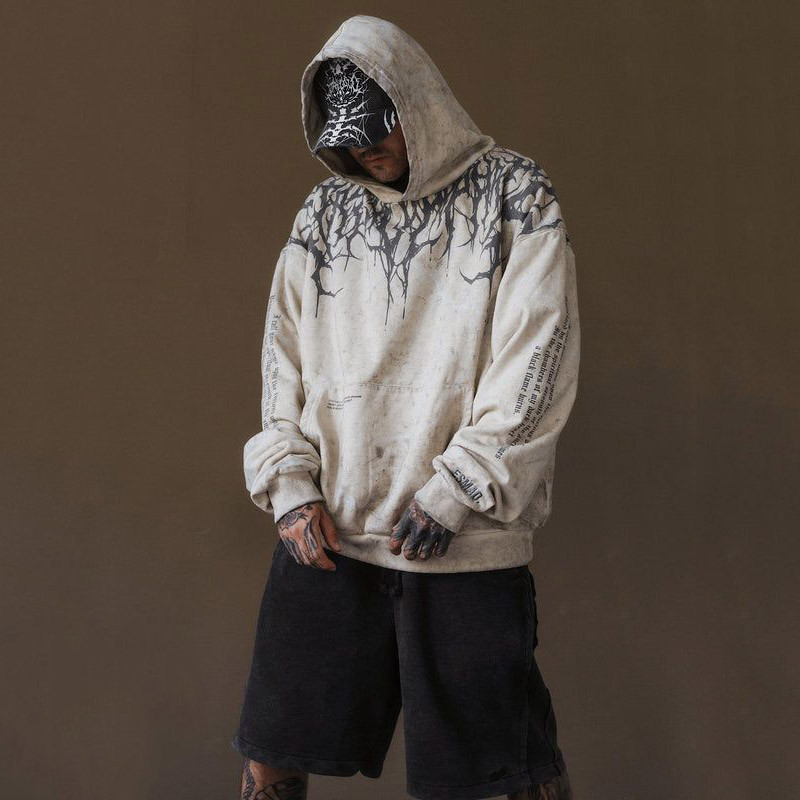
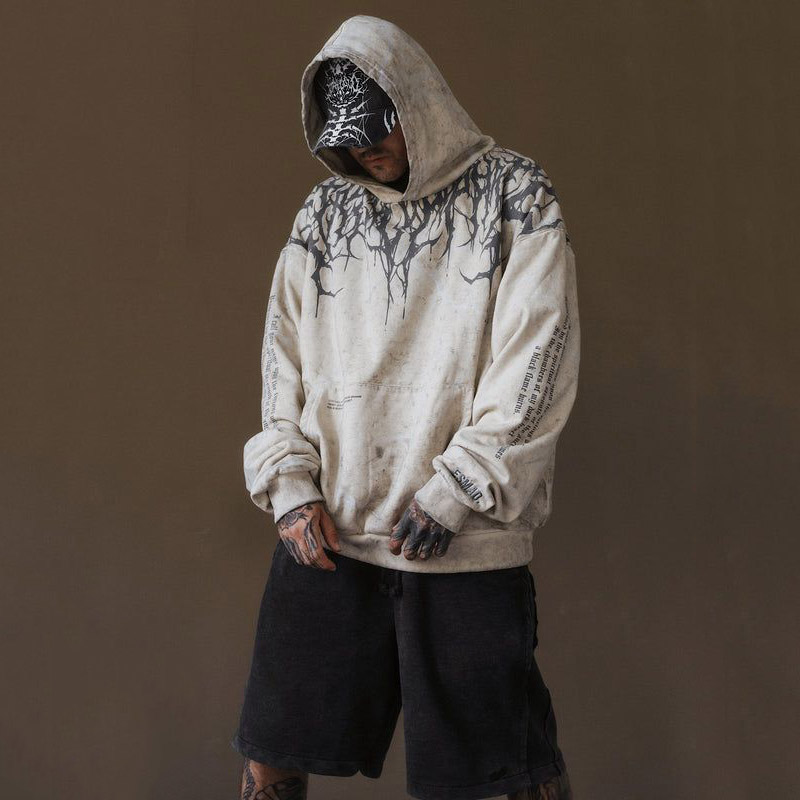
Quick Answer: The strongest USA OEM hoodie manufacturers are not the companies with the loudest “custom hoodie” messaging. The best shortlist is usually made up of factories that can prove real cut-and-sew capability, fleece sourcing and development, pattern work, sample discipline, and dependable bulk execution under domestic cost and compliance realities. In practice, Los Angeles remains the center of gravity for streetwear-led hoodie development, while New York stays relevant for premium garment development, pattern refinement, and direct Garment District access.
If you are building a shortlist for heavyweight fleece hoodies, washed zip-ups, premium pullover programs, or fashion-led streetwear capsules, this article is designed to help you separate true OEM partners from print shops, blank suppliers, and generic apparel directories. The real question is not who says “custom hoodies,” but who can actually guide fit, fabric, trims, sampling, and bulk manufacturing in a way that holds up once production moves beyond early development.
For established fashion labels and streetwear brands with proven channels, the harder part is not finding a factory name. It is knowing which domestic manufacturer is built for development-heavy hoodie programs, which one is better for enterprise-level full package production, which one fits direct Garment District collaboration, and which one starts to lose efficiency once your program becomes wash-heavy, embellishment-heavy, or volume-sensitive. That is the filter used throughout this shortlist.
Quick navigation: this article covers why the USA still matters for premium hoodie manufacturing, how to judge real OEM capability, which factories made the shortlist, what each one is best for, what trade-offs matter most, and which kind of brand each supplier fits best.
Key Takeaways for Established Streetwear Brands and Fashion Labels
Why is finding a real USA OEM hoodie manufacturer harder than it looks?
Because the term “apparel manufacturer” in the U.S. market covers a wide mix of business models. Federal industry definitions include contractors, custom-apparel operators, and companies that may handle only parts of the manufacturing chain, which means a search for “hoodie manufacturer” can surface very different kinds of businesses under the same label. That is exactly why brands often confuse true cut-and-sew factories with decorators, blank programs, or hybrid intermediaries.
That distinction matters more in hoodies than in simpler categories. A premium hoodie program usually depends on fleece selection, rib behavior, hood structure, zipper-placket control, shrink response, print compatibility, and the way fit holds after wash and finishing. A factory can look credible on a landing page and still be the wrong match if its strength is really re-labeling blanks, lightweight casualwear, or general garment services rather than hoodie-specific product development.
For that reason, this shortlist excludes businesses whose public positioning leans primarily toward wholesale blanks, promo decoration, or directory-style aggregation. It prioritizes U.S.-based operators that publicly present at least one of the following: full-package production, cut-and-sew development, pattern and sample services, vertically integrated apparel production, or direct factory manufacturing with product development support.
What should a premium brand verify before shortlisting a USA OEM hoodie factory?
A serious hoodie factory should show proof in five areas.
First, it should be clear whether the business is a true cut-and-sew operator or a customization layer on top of stock garments. The strongest candidates usually describe pattern development, sample making, fabric sourcing, production sewing, or full-package services in plain terms. That is a better sign than generic “custom apparel” wording with little process detail behind it.
Second, brands should check whether the factory seems built for hoodie construction rather than just general apparel. That includes evidence of fleece or French terry work, oversized or fashion-driven fit logic, and some clarity around production model, whether full package, CMT, or vertically integrated development. Enterprise-level language can be useful, but it only matters if it connects back to real garment execution.
Third, due diligence should include formal registration and labor-law basics. In New York, apparel industry manufacturers and contractors must register annually with the state. In California, garment manufacturers must register with the Labor Commissioner, and the state provides a searchable registration database. That does not prove technical excellence, but it is a practical baseline that procurement teams should not skip.
Fourth, brands should look for early warning signs around public positioning. A factory that mainly emphasizes blanks, wholesale stock, or “start your brand” messaging may still be legitimate, but it is often optimized for a different customer profile than established labels running premium hoodie development calendars. That does not automatically disqualify a supplier, but it changes how you should read the site.
Finally, premium brands should judge hoodie factories by project fit, not by marketing breadth. Some operators are excellent at development-heavy domestic work but less compelling for wash-intensive streetwear programs. Others are strong in fleece and vertically integrated basics but less suitable for art-directed fashion capsules with layered embellishment. The right shortlist depends on what kind of hoodie program you are actually building.
Why do Los Angeles and New York still matter for premium hoodie development?
Los Angeles remains the most natural U.S. base for hoodie programs that depend on fast development cycles, close factory communication, and a market that still understands streetwear and casual-fashion product language at a practical level. The LA Fashion District describes itself as the West Coast hub of the apparel industry, and that regional density still matters when brands need sampling, pattern, sewing, trims, and finishing decisions to move quickly.
New York matters for a different reason. Its manufacturing base is smaller and more selective, but the Garment District still offers direct access to pattern development, premium garment construction, and fashion-led production workflows. On top of that, New York’s apparel registration system gives procurement teams a more structured diligence path when they are evaluating contractors and manufacturers.
That said, domestic manufacturing is not automatically low risk. U.S. garment production offers advantages in communication, oversight, and sampling speed, but it also comes with higher labor cost, tighter capacity, and a wide quality spread between operators. In California specifically, labor and registration diligence matters because regulators continue to emphasize compliance standards in the garment sector.
How was this shortlist built?
This shortlist is based on publicly visible evidence from official factory websites and, where useful, recognized third-party directories or public institutional sources. The main filters were: explicit cut-and-sew or full-package positioning, hoodie-relevant product capability, development support, domestic production credibility, and a business model that appears more compatible with established fashion or streetwear brands than with blank-resale or decorator-first workflows.
The ranking is not a universal “best in America” claim. It is a buyer-side shortlist for premium hoodie programs. That means a factory can rank lower here and still be the better choice for a different category, budget structure, or merchandising model. For premium brands, the real difference is not who says they can make hoodies, but who shows the clearest alignment between factory structure and the hoodie program you are planning.
Which factories stand out fastest in a short initial shortlist?
Before the full breakdown, these are the quickest editorial cuts:
Final answer sentence: The best USA OEM hoodie manufacturer is not the one with the most “custom hoodie” keywords, but the one whose development model, fleece capability, factory structure, and production rhythm match the real demands of your hoodie program.
1) Make It LA – Which Los Angeles OEM hoodie programs is it best suited for?
Make It LA is one of the clearest Los Angeles candidates for brands that want direct domestic full-package support rather than a loosely coordinated chain of freelancers and subcontractors. Its public positioning emphasizes Los Angeles manufacturing, on-demand garment production, and full-package customization, which makes it more relevant than many generic “custom apparel” results.
For hoodie projects, the attraction is straightforward: this looks like a practical option for brands that want local development conversations, manageable domestic oversight, and a factory that already presents fleece hoodies and heavier French terry products on its site. That makes it a credible fit for premium pullovers, zip-ups, and streetwear-adjacent fleece programs that benefit from short communication lines.
The trade-off is that Make It LA’s public materials give more evidence of its production model than of deep art-directed wash or embellishment specialization. That does not mean it cannot execute premium hoodies. It means brands with highly styled washed fleece, layered embroidery, or heavy streetwear finishing should ask sharper questions during sampling rather than assuming that full-package alone solves everything.
Best for: Los Angeles-based or U.S.-based brands that want full-package hoodie development with direct local coordination.
Strengths: Clear FPP positioning, domestic production, hoodie-relevant fleece presence, practical Los Angeles access.
Watch-outs: Public site says less about advanced wash or embellishment depth than about the overall production model.
2) BOMME STUDIO – Which premium OEM hoodie collections is it best suited for?
BOMME STUDIO is one of the more structured choices on this list for brands that want a more formal production-and-development environment rather than a lightweight boutique operator. Its public positioning is unusually clear: full-package production, CMT, private label programs, and custom merch, with language aimed at established brands and multi-category programs.
That matters for hoodies because premium fleece programs often stall when brands need a supplier that can manage more than cut-and-sew alone. BOMME presents itself as an enterprise-style partner, which makes it especially relevant for labels that need sampling, sourcing, production coordination, and more organized scaling logic under one roof or one management layer.
The biggest qualifier is MOQ logic. BOMME’s site explicitly says its full-package production is ideal for orders of 600 units or more per style, with development fees waived at that threshold. For established brands, that can be a strength, because it signals operational seriousness. But for brands still testing new silhouettes or uncertain hoodie colorways, it narrows the fit.
Best for: Established brands running larger premium hoodie programs with full-package needs.
Strengths: Clear FPP/CMT split, strong production language, better transparency on scale than many peers.
Watch-outs: Less suitable for low-volume domestic experimentation because its FPP model is openly geared toward 600+ units per style.
3) ARGYLE Haus of Apparel – When does a Los Angeles development house make more sense than a simpler cut-and-sew shop?
ARGYLE Haus of Apparel is a strong option for brands that do not just need sewing capacity, but a more formal development workflow. Its public positioning centers on Los Angeles production, sample making, product development, and scalable apparel production, and it describes its services in ways that fit premium brand development more than simple decorator-style fulfillment.
That makes ARGYLE relevant for hoodie programs where fit, materials, and brand presentation matter as much as raw sewing capacity. For labels refining silhouette, fleece weight, trims, and sample accuracy before a broader launch, a development-forward factory can be more valuable than a shop that only engages once patterns and sourcing are already locked.
The trade-off is that ARGYLE’s public voice is broad and polished, which can sometimes make it harder to tell from the site alone whether it is the best match for highly streetwear-specific hoodie effects. It looks more compelling for brands that want premium U.S.-made development discipline than for teams chasing wash-intensive or embellishment-heavy hoodie capsules without a mature technical package.
Best for: Premium labels that need product development, fit work, and sample discipline in Los Angeles.
Strengths: Development support, scalable production language, sample-making visibility, enterprise-facing positioning.
Watch-outs: Public site communicates process strength more clearly than streetwear hoodie technique depth.
4) The Evans Group – Which hoodie brands need design-to-production support more than pure factory throughput?
The Evans Group, or TEG, sits closer to the design-development end of the U.S. manufacturing landscape. Its site emphasizes design support, sourcing, patterns, samples, cut-and-sew manufacturing, and tailored production pathways for both intricate and larger-run work. That makes it unusually relevant for hoodie programs that begin with a strong concept but still require technical shaping.
For premium hoodie collections, that can be a major advantage. A fashion-led or capsule-driven brand may care less about finding the cheapest fleece run and more about getting proportion, trim balance, hood shape, and construction detail right before scaling. TEG’s public positioning suggests it understands that part of the process well.
The trade-off is straightforward: if your main goal is repeated fleece programs at strong operational efficiency, a design-development house can become a more expensive route than a factory built around knit basics or full-package scale. TEG looks strongest when the hoodie itself is part of a broader premium product-development brief.
Best for: Fashion-led hoodie programs that need hands-on design, patterns, sourcing, and sample support.
Strengths: Strong development stack, tailored cut-and-sew support, credible premium positioning.
Watch-outs: Better for development-rich programs than for price-led replenishment or basics-heavy fleece volume.
5) Lefty Production Co. – When is a one-stop Los Angeles development house the right hoodie partner?
Lefty Production Co. is one of the clearest one-stop development houses in Los Angeles. Its site says it helps clients from fabric sourcing to packing, and it openly presents pattern making, sample making, and full production sewing. That combination makes it a practical option for brands that want one team to manage the path from idea to finished garment.
For hoodies, Lefty can make sense when the real need is coordination. Brands running premium hoodie launches often lose time not because no factory exists, but because sourcing, development, and production are split across too many disconnected partners. A one-stop operator can reduce that friction, especially for labels that are still refining block, trims, or visual direction.
The watch-out is that Lefty is not public-facing as a hoodie specialist. It is broader than that. That breadth can be helpful, but it also means brands should test hoodie-specific skill through samples rather than assuming category depth from one-stop language alone.
Best for: Brands that need coordinated Los Angeles design, development, and production under one management umbrella.
Strengths: One-stop workflow, visible pattern and sample services, practical production coordination.
Watch-outs: Broader apparel positioning means hoodie-specific technical depth should be confirmed through sampling.
6) In Style USA – Which New York Garment District hoodie projects fit a one-stop cut-and-sew manufacturer best?
In Style USA is one of the more credible New York entries for brands that want one-stop Garment District support. Its own site describes the business as a domestic garment development and production company, while Made in NYC and CFDA directory listings reinforce that it offers product development, pattern making, sampling, and full production from the Garment District.
That matters because premium hoodie programs in New York are often less about raw price efficiency and more about direct access, fit review, and cleaner coordination with product teams, designers, or merchandisers who are already working in the city. In Style USA looks especially relevant for labels that value that proximity.
The limitation is that its public positioning reads more like a premium garment-development partner than a streetwear hoodie specialist. So while it belongs on a serious shortlist, brands pushing heavyweight washed fleece or layered streetwear embellishment should treat In Style USA as a strong development candidate that still needs project-specific technical validation.
Best for: New York brands that want one-stop cut-and-sew development and production in the Garment District.
Strengths: Third-party directory support, Garment District location, product development plus full production.
Watch-outs: Strongest for premium garment development; hoodie-specific streetwear technique depth is less visible publicly.
7) Apparel Production Inc. – When is heritage Garment District manufacturing still the better premium hoodie route?
Apparel Production brings something few U.S. factories can claim publicly: deep New York garment-manufacturing heritage. Its site says it has operated in the Garment District since 1947, which makes it one of the more historically grounded entries on this list. For brands that care about long-established domestic manufacturing relationships, that alone gives it shortlist value.
Heritage is not a substitute for hoodie specialization, but it can matter in premium development programs where pattern execution, construction standards, and direct city access outweigh trend-led factory branding. Apparel Production looks most compelling for fashion and premium-label teams that want a stable New York manufacturing base rather than an overtly streetwear-marketed supplier.
The trade-off is the same one that applies to several New York entries: public materials give strong signals on legacy and garment-making credibility, but fewer hoodie-specific indicators than the best Los Angeles fleece-oriented operators. Brands with technical washed-fleece programs should view Apparel Production as a premium New York option, not automatically as the most hoodie-specialized one.
Best for: Premium labels that want established Garment District manufacturing credibility.
Strengths: Long operating history, New York location, strong heritage signal.
Watch-outs: Public evidence of hoodie-specific streetwear capability is lighter than its heritage signal.
8) NYC Factory – What does a vertically integrated American-made studio offer hoodie brands?
NYC Factory stands out because it presents itself as entirely American-made and vertically integrated from conception to completion. For hoodie brands, that wording matters because it suggests a more controlled development environment than the average intermediary or design office.
This kind of setup can be especially useful for labels that want a domestic studio capable of guiding development and production without immediately splitting responsibilities across separate vendors. If your hoodie program depends on tighter oversight, domestic sampling, and an American-made positioning story, NYC Factory is a credible candidate.
The main limitation is transparency. The public site gives a clear identity signal, but fewer hard details than some peers on MOQ, category specialization, or hoodie-specific execution. That means NYC Factory belongs on a shortlist, but it should advance through direct technical questioning rather than assumptions.
Best for: Brands that want vertically integrated American-made development and production.
Strengths: Entirely American-made positioning, vertically integrated language, development-to-production framing.
Watch-outs: Public site is lighter on detailed hoodie-specific proof points and production thresholds.
9) Stylus Apparel – Which hoodie brands benefit from a factory-direct operator near New York City?
Stylus Apparel’s strongest public signal is simple and useful: it says its production facility is minutes outside New York City, factory direct, and made in the USA. For brands evaluating hoodie partners in the Northeast, that kind of direct-facility positioning is often more useful than broad marketing language.
A factory-direct setup near New York can be attractive for hoodie programs that need sampling, embellishment, cut-and-sew support, and direct communication without relying on a long offshore chain. Stylus appears to position itself around exactly that kind of domestic access, even if its public pages are lighter on long technical explanation.
The limitation is evidence density. Stylus belongs on the shortlist because of its direct-factory positioning, but not because its public site gives the deepest published detail on premium hoodie construction. Brands should use it as a live diligence candidate, not a blind first choice.
Best for: Brands that want direct U.S. production near New York and prefer factory-direct communication.
Strengths: Made-in-USA, own facility, factory-direct positioning, proximity to NYC.
Watch-outs: Public-facing technical detail is thinner than some top Los Angeles development houses.
10) Expert Brand – When does vertical knit and fleece production beat a broader fashion-development model?
Expert Brand is one of the more relevant U.S. names for brands whose hoodie program is built around knit and fleece fundamentals rather than fashion-development theatre. Its made-in-USA page says the company develops, designs, knits, dyes, cuts, sews, packs, and ships from Los Angeles and surrounding communities. That is unusually valuable language for hoodie buyers, because fleece programs live or die on the supply chain behind the garment.
This makes Expert Brand a particularly interesting option for labels that need a more vertically integrated domestic sweat or fleece base. If you are building premium hoodie programs where fabric control, stable construction, and repeatable domestic production matter more than showroom-style development support, this is a meaningful difference.
The trade-off is positioning. Expert Brand does not present itself like a fashion-development atelier or embellishment-heavy streetwear specialist. It looks stronger for knit and sweat programs than for highly art-directed hoodies loaded with wash experimentation, layered patches, or decorative surface treatment.
Best for: Brands that want a domestically anchored knit and fleece manufacturer in Los Angeles.
Strengths: Vertical U.S. process from knit through shipping, strong relevance for sweat and fleece programs.
Watch-outs: Public positioning is more about integrated manufacturing than about advanced fashion embellishment.
Which red flags should procurement teams watch for when choosing a Los Angeles or New York hoodie factory?
The first red flag is category mismatch. A supplier can be a legitimate garment manufacturer and still be the wrong partner for a premium hoodie program. Brands should be especially careful when a site leans heavily into blanks, wholesale stock, or startup acquisition language, because that usually signals a different operating model from the one established brands need.
The second red flag is process vagueness. If the site says “custom manufacturing” but never shows how it handles development, patterns, samples, sourcing, or production handoff, that is usually a sign to ask more questions before moving forward. Good hoodie factories do not need to publish every detail, but they usually reveal enough to show where they actually add value.
The third red flag is skipped diligence on registration and compliance. In California, garment manufacturers must register with the Labor Commissioner, and the state provides a registration database. In New York, apparel manufacturers and contractors must register annually. A premium brand does not need to treat this as the only filter, but it is a clear sign of sourcing maturity if the team checks it early.
Which type of brand fits which type of USA hoodie manufacturer best?
For fashion labels running development-heavy collections, the best domestic fit is usually a development-rich partner such as TEG, In Style USA, or ARGYLE. These factories make the most sense when silhouette, fit review, sourcing, and sample work are part of the value equation, not just production sewing.
For brands prioritizing full-package execution at a more organized operational level, BOMME STUDIO and Make It LA are stronger starting points. They publicly explain their production model in ways that make buyer-side evaluation easier, which is often a good proxy for operational maturity.
For labels that need a domestic sweat or fleece base more than a fashion-development house, Expert Brand becomes more interesting. Its value is not that it looks like a trend-driven hoodie specialist. Its value is that it looks closer to a real knit-and-fleece manufacturing base.
For brands centered in New York that want direct Garment District access or nearby factory communication, In Style USA, Apparel Production, NYC Factory, and Stylus are the most relevant names on this list. Each one offers a slightly different mix of heritage, direct factory access, or development support.
Which non-U.S. benchmark should established hoodie brands compare against before deciding domestic-only production?
For brands building heavyweight hoodies, washed fleece, embellished zip-ups, or multi-category streetwear programs that may outgrow a domestic-only model, it is useful to compare the U.S. shortlist against a global benchmark that is built around streetwear-specific execution rather than generic garment services. That is where a manufacturer like Groovecolor becomes a useful comparison point, not because it is in the USA, but because it helps brands judge what they may gain or lose when they stay fully domestic. Groovecolor’s internal positioning emphasizes premium streetwear manufacturing, hoodie and sweatshirt strength, heavyweight fabric ranges, complex wash-and-surface execution, an eight-step quality system, SMETA 4P compliance, and strategic test runs that can scale into much larger output.
That comparison matters most when the hoodie is not just a fleece garment, but a branded statement product with graphic placement logic, wash depth, embellishment layering, and repeatable bulk execution requirements. For teams thinking through the difference between domestic development support and a more specialized global streetwear OEM path, this deeper explainer on OEM production models for established apparel brands is a useful next read. And when the real concern is whether a hoodie factory can translate concept into bulk without losing the garment’s intended feel, a separate guide on tech pack preparation for bulk streetwear manufacturing adds more useful depth than another generic supplier list.
Hoodie buyers should also remember that wash and print decisions are rarely isolated. On premium fleece, surface treatment, graphic feel, and silhouette need to work together. That is why brands comparing U.S. suppliers with global streetwear specialists often spend extra time studying advanced streetwear washing workflows before locking their manufacturing path. The point of these internal reads is not to replace this article, but to help brands go deeper once the shortlist itself is already clear.
Groovecolor – Which hoodie programs require a global streetwear OEM benchmark?
Groovecolor is not a general garment factory or a blank-based apparel source. Its strongest relevance here is as a comparison benchmark for established streetwear brands that care about silhouette, wash depth, graphic expression, and scalable production rather than just domestic proximity. Internal product-category guidance positions hoodies and sweatshirts as one of its highest-match categories, especially for oversized hoodies, acid-washed hoodies, vintage-faded hoodies, distressed hoodies, embroidered hoodies, patch hoodies, rhinestone hoodies, and layered visual hoodie programs.
What makes that comparison useful for a U.S.-focused article is not price language. It is the manufacturing structure. Groovecolor’s internal capability notes point to 400–600 gsm heavyweight hoodie logic, 50–100 pieces per color as strategic test runs from a mass-production factory, 300,000 pieces of monthly capacity, and a technical stack built around wash control, embroidery, applique, chenille, rhinestones, laser cutting, and multi-step quality controls. For brands whose hoodie program is likely to move from domestic sampling logic into higher-volume, technique-heavy production, that is a meaningful benchmark to keep in mind.
What is the final shortlist logic for choosing a premium OEM hoodie manufacturer in the USA?
If your brand values domestic development speed, direct sampling access, and closer in-person oversight, Los Angeles and New York still offer real advantages. The best names on this list prove that. But they do not all solve the same problem. Some are stronger at full-package production, some at premium garment development, some at Garment District access, and some at fleece-led verticality.
If your hoodie program is fashion-led and development-heavy, a studio-style operator such as TEG, ARGYLE, or In Style USA may be the right call. If you need organized full-package execution with clearer domestic production language, BOMME STUDIO and Make It LA rise quickly. If your program starts with fleece and sweat structure, Expert Brand becomes more relevant than many broader fashion-manufacturing names.
And if your hoodie roadmap points toward heavier washes, layered embellishment, strategic test runs before scale-up, and broader streetwear category expansion, it is smart to compare the domestic shortlist against a benchmark built around that exact manufacturing logic rather than forcing every decision into a U.S.-only frame. The best sourcing decision is rarely the most local one. It is the one whose factory structure fits the product you are actually trying to build.
FAQ About Choosing a Premium OEM Hoodie Manufacturer in the USA
What is the difference between a hoodie manufacturer and a custom hoodie print shop?
A real hoodie manufacturer develops and produces the garment itself, while a print shop usually decorates existing blanks. The difference matters because premium hoodie outcomes depend on fleece choice, fit, rib behavior, hood structure, and sample development, not just on the graphic applied to the surface. Many search results blur these models together, which is why buyers need to verify cut-and-sew or full-package capability early.
Are the largest clothing manufacturers in the USA automatically the best hoodie partners for premium brands?
No. Size alone does not make a factory the best choice for a premium hoodie program. The better question is whether the manufacturer’s development model, fleece capability, and production structure match your hoodie brief. Large or legacy manufacturers can be excellent, but hoodie-specific relevance still has to be proven.
Is Los Angeles still the strongest region for streetwear hoodie development in the USA?
For many streetwear-led hoodie programs, yes. Los Angeles still benefits from regional manufacturing density, direct development access, and a market environment that understands casual and streetwear product language. That does not mean every LA factory is right for premium hoodies, but it does explain why so many of the strongest U.S. names remain there.
What is a realistic MOQ for a premium USA OEM hoodie program?
There is no single realistic MOQ because U.S. factories operate under very different business models. Some publish project thresholds, like BOMME’s 600+ unit guidance for full-package production, while many others keep MOQ quote-based. The important point is to judge MOQ together with development support, fabric sourcing, and the kind of hoodie program you are running.
How should brands verify whether a Los Angeles hoodie factory is legitimate?
Start with registration and process proof, not just marketing language. In California, garment manufacturers must register with the Labor Commissioner, and the state provides a verification database. After that, brands should ask how development, sampling, sourcing, and production are actually handled for hoodie programs rather than assuming legitimacy from a polished site.
What should New York-based brands verify before committing to a Garment District manufacturer?
They should verify annual apparel registration, development scope, and who actually controls production. New York requires apparel industry manufacturers and contractors to register, which gives buyers a useful baseline. From there, the practical questions are whether the company handles product development, pattern making, samples, and full production in the way your hoodie program requires.
Which U.S. factories on this list are best for full-package hoodie production?
Make It LA and BOMME STUDIO are the clearest full-package signals on this shortlist. Both publicly describe full-package manufacturing directly. BOMME is the more explicit fit for larger structured programs, while Make It LA is appealing for brands that want Los Angeles full-package support with more flexible domestic access.
Which factories are better for development-heavy premium hoodie capsules?
The Evans Group, ARGYLE Haus of Apparel, and In Style USA are stronger fits for development-heavy premium hoodie projects. Their public positioning leans more heavily into design development, pattern work, sample support, and premium garment workflows than into simple assembly. That makes them relevant when the garment still needs technical shaping before scale.
Which factories are more relevant for fleece-led sweat programs?
Expert Brand is one of the more relevant names here for fleece-led domestic programs because it publicly describes a more vertically integrated knit-and-sew process. That does not automatically make it the best choice for every hoodie brand, but it is a strong signal for labels whose sourcing logic starts with sweat and fleece execution rather than development-house services.
When should a brand compare domestic hoodie factories with a non-U.S. streetwear OEM benchmark?
A brand should do that once its hoodie program starts to depend on heavier washes, layered embellishment, broader category expansion, or faster movement from strategic test runs to volume production. Domestic factories can be excellent for development and direct oversight, but they are not always the best long-range fit for complex streetwear programs. That is when benchmarking against a specialized global streetwear OEM becomes useful.
Selected References
1. U.S. Bureau of Labor Statistics, Apparel Manufacturing: NAICS 315
2. New York State Department of Labor, Apparel Industry
3. California Labor Commissioner / DLSE, Garment Work in California and registration resources
4. LA Fashion District official resources
7. ARGYLE Haus of Apparel official site
8. The Evans Group official site
9. Lefty Production Co. official site
10. In Style USA official site, Made in NYC, and CFDA directory listing
11. Apparel Production Inc. official site
13. Stylus Apparel official site
14. Expert Brand official site
15. U.S. Department of Labor and California labor resources on garment-sector compliance
About the Author
