TOP 10 Streetwear Manufacturers in Europe for Luxury OEM Cut-and-Sew Production
- Share
- publisher
- GROOVECOLOR
- Issue Time
- Jun 25,2026
Summary
Compare 10 verified streetwear manufacturers in Europe for luxury OEM cut-and-sew production. This sourcing guide reviews factory ownership, product categories, pattern development, fabric capability, decoration, compliance, disclosed MOQs, bulk readiness, and practical limitations across Portugal, Serbia, Lithuania, and Türkiye, helping established streetwear brands and procurement teams build a qualified factory shortlist before sampling or placing commercial orders safely.
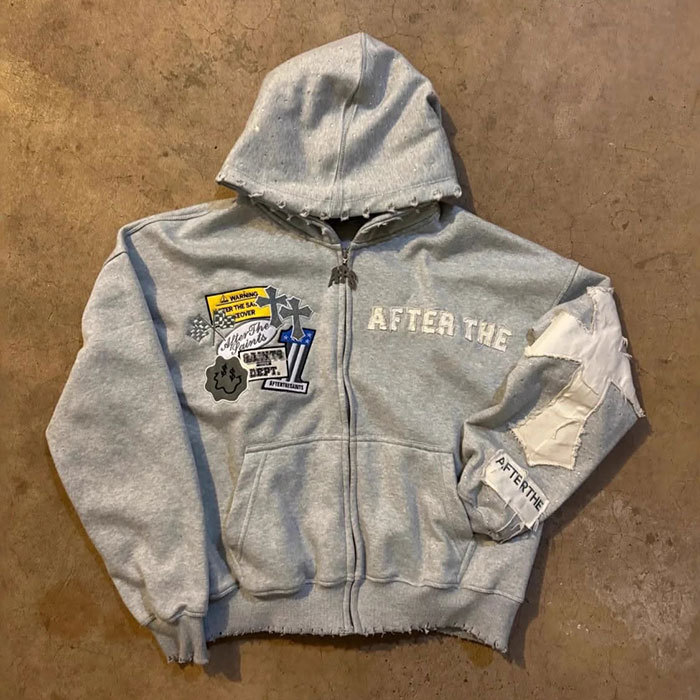
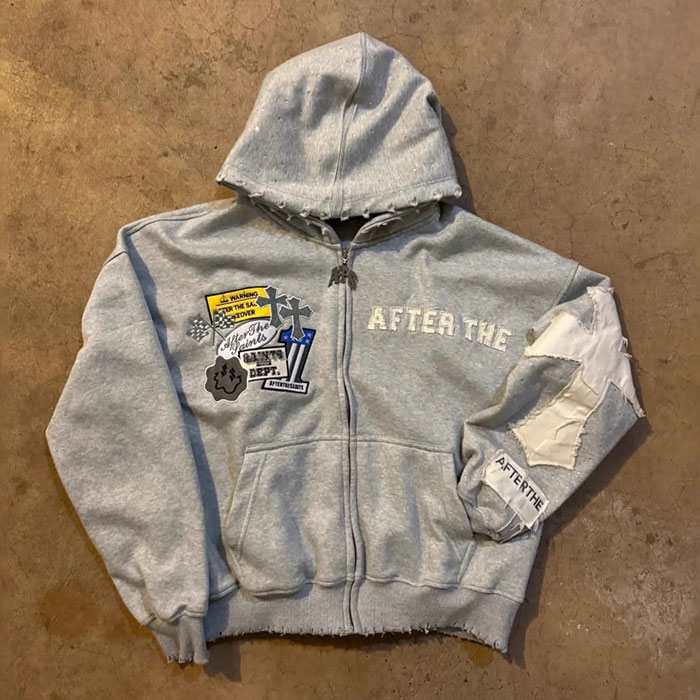
Europe offers credible luxury OEM cut-and-sew options, Petratex is the strongest innovation-led technical choice in this review; FUSH provides the clearest publicly documented full-package OEM structure; Valérius HUB stands out for vertically connected Portuguese production; Calvelex is the specialist for tailored outerwear; and Tetribérica is a strong circular-knit option for tees, sweatshirts, and joggers.
A manufacturer earns a place on this shortlist only when its public evidence shows more than a fashionable portfolio. The decisive signals are factory-based production, pattern and sample development, material sourcing, cutting and sewing responsibility, relevant product categories, quality control, commercial-order readiness, and enough disclosure for a procurement team to verify what is actually being offered.
This guide is written for established streetwear brands, menswear-focused fashion labels, product developers, and sourcing teams building a serious factory shortlist. It excludes marketplace-style sourcing services and decoration-only businesses from the ranking. Türkiye is included as a Europe-facing nearshore manufacturing base, but it is not an EU member; brands with strict European Union origin requirements should remove the Turkish entries from their final comparison.
Quick Answer
The strongest European shortlist is product-specific: choose Petratex for technical luxury, FUSH for documented OEM/FPP execution, Valérius HUB for an integrated circular supply chain, Calvelex for tailored outerwear, and Tetribérica for circular-knit sweats. Final selection should follow garment architecture and process evidence, not country reputation alone.
What Are the Key Takeaways for Established Streetwear Brands?
- ▸Portugal has the deepest representation in this shortlist because its apparel cluster combines knitwear, sample development, material sourcing, finishing, and export experience.
- ▸Luxury production should be judged through pattern accuracy, material behavior, process compatibility, inspection records, and repeat-order control rather than price positioning or visual branding.
- ▸Factories with excellent tailoring, technical sportswear, organic jersey, or circular-knit production should not be treated as interchangeable; each capability supports a different product architecture.
- ▸Published MOQs are useful filters, but a serious quotation must separate style quantity, color quantity, fabric minimums, decoration setup, and size-range requirements.
- ▸The most reliable shortlist combines website research with legal-entity checks, certification-scope verification, sample testing, factory visits or video audits, and a production-specific RFQ.
Which European Streetwear Manufacturers Are the Editor’s Picks?
The editor’s picks are category leaders, not a universal ranking of factory quality. Petratex receives the technical-luxury pick, FUSH the documented full-package OEM pick, Valérius HUB the integrated-supply-chain pick, Calvelex the tailored-outerwear pick, and Tetribérica the circular-knit pick. The remaining manufacturers add specialist options for performance, certified knitwear, organic fibers, and collection development.
| Rank | Manufacturer | Country | Editor’s Pick | Best-Fit Program | Primary Watch-Out |
|---|---|---|---|---|---|
| 1 | Petratex | Portugal | Technical Luxury | Engineered fashion and performance crossover | Confirm plant allocation and classic jersey scope |
| 2 | FUSH | Serbia | Documented OEM/FPP | Commercial casualwear, sportswear, and streetwear | Published 500-piece MOQ per design |
| 3 | Valérius HUB | Portugal | Integrated Circular Hub | Knitwear requiring material and recycling depth | Audit the exact operating company |
| 4 | Calvelex | Portugal | Tailored Outerwear | Jackets, coats, trousers, and fashion tailoring | Not a core fleece specialist |
| 5 | RTG Textiles | Portugal | Sample-Led Casualwear | Collection development and casual knitwear | Some processes are subcontracted |
| 6 | Tetribérica | Portugal | Circular-Knit Programs | T-shirts, sweatshirts, joggers, and jersey jackets | Published lead time is 8–12 weeks |
| 7 | Audimas Supply | Lithuania | Technical Performance | Sportswear and outdoor-streetwear crossover | Verify fashion finishing and wash depth |
| 8 | Akcakaya Textile | Türkiye | Certified Knitted Apparel | Hoodies, tracksuits, tees, and joggers | Not Made in EU |
| 9 | Egedeniz Textile | Türkiye | Organic Fiber Traceability | Organic cotton and hemp cut-and-sew | Confirm complex decoration capability |
| 10 | Fashion Team | Portugal | Collection Development | Medium-to-high-end full-package apparel | Limited public MOQ and capacity detail |
How Were These European OEM Manufacturers Scored?
The ranking prioritizes verifiable production structure over marketing language. Each company was reviewed through official factory information, product scope, development services, in-house or managed processes, quality and compliance evidence, commercial readiness, and relevance to luxury streetwear. A strong score does not mean every process is internal; it means the manufacturer explains who controls the work and can be audited against the intended program.
| Scoring Dimension | Weight | What Was Verified |
|---|---|---|
| Factory and production evidence | 20% | Facilities, production address, cutting, sewing, sampling, and operating structure |
| OEM and development scope | 20% | Tech-pack handling, patterns, prototypes, grading, sourcing, and bulk execution |
| Streetwear product relevance | 15% | Jersey, fleece, outerwear, joggers, technical apparel, or fashion-led cut-and-sew |
| Materials and technical processes | 15% | Fabric development, printing, embroidery, washing, bonding, finishing, and tests |
| Bulk readiness and quality control | 15% | Capacity disclosure, production planning, checkpoints, inspection, packing, and delivery |
| Compliance and traceability | 10% | Recognized certification, audit programs, material records, and scope clarity |
| Public disclosure quality | 5% | Specific, current information that a sourcing team can independently check |
The ranking does not reward a company merely for operating in Europe, using premium language, or displaying attractive campaign photography. It also avoids presenting undisclosed numbers as facts. When a manufacturer does not publish MOQ, lead time, capacity, certification scope, or the split between internal and partner production, the article marks that information for direct confirmation rather than filling the gap with an estimate.
This methodology also explains why the ranking contains specialist factories rather than ten near-identical sweatshirt makers. Luxury streetwear now crosses circular-knit fleece, tailored jackets, technical fabrics, organic fibers, engineered finishes, and performance construction. A useful shortlist must show which production system fits each product, which leads to the regional question: what does Europe genuinely do well, and where does a buyer still need caution?
Why Does Europe Remain Relevant for Luxury Streetwear Production?
Europe remains relevant because it combines specialist industrial clusters, shorter regional communication loops, premium product development, and credible technical or compliance expertise. EURATEX reports that the EU textile and clothing industry generates roughly €166 billion in annual turnover, supports about 1.2 million jobs, and includes nearly 200,000 companies. Those numbers describe depth, but they do not guarantee that any one company is suitable for streetwear.
Portugal is especially visible in this list. MODAPORTUGAL describes a vertically connected national sector extending from spinning and weaving to garment production and logistics, with around 12,000 companies, 127,000 employees, and exports reaching 173 countries. For a brand developing premium jersey, fleece, fashion outerwear, or mixed seasonal collections, that cluster can reduce the distance between textile decisions, samples, manufacturing, and finishing.
Regional proximity can also make showroom meetings, factory visits, and sample corrections easier for European teams. Yet “made near the market” is not a manufacturing specification. It does not answer whether a supplier understands oversized balance, rib recovery, garment-dye shrinkage, embroidery tension, zipper alignment, or the interaction between a wash recipe and a printed graphic. Procurement teams needing a broader comparison can review this European clothing manufacturer evaluation framework, which separates regional advantages from product-level evidence.
The practical implication is simple: Europe is a valuable sourcing region, but “European manufacturing” should remain a geographic filter, not the final decision. The next step is to examine what each shortlisted manufacturer is actually built to produce.
1) Petratex – Technical Luxury Streetwear Manufacturer in Portugal
Petratex is the strongest technical-luxury choice in this European ranking because its public production profile extends beyond conventional cut-and-sew. Founded in 1989 and based in Portugal, the company presents a development system spanning research, design, laboratory work, industrial engineering, CAD/CAM, prototyping, and manufacturing. It serves fashion, sports, and accessories programs, making it relevant to streetwear labels that combine visual design with performance construction.
The company’s disclosed capabilities include laser technologies, digital printing, embroidery, pleating, quilting, bonded or engineered constructions, special finishes, and proprietary or patented solutions. This matters when a garment cannot be solved through ordinary sewing alone—for example, lightweight technical jackets, hybrid fashion-performance pieces, structured panels, unusual surface treatments, or products that need material testing before a pattern is approved.
Petratex should not automatically be treated as the first choice for every heavyweight tee or washed hoodie. Its public profile is strongest in innovation-led product engineering, and its manufacturing footprint includes Portugal and Tunisia. A sourcing team should therefore confirm which site will execute the order, whether origin requirements apply, which processes remain internal, and whether the proposed fabric, wash, and decoration route matches the specific streetwear category.
| Website | https://www.petratex.com/en/ |
|---|---|
| Country / Region | Portugal – Paços de Ferreira; additional production footprint disclosed in Tunisia |
| MOQ (per style / per color) | Not publicly fixed; request by product, material, color, and production site |
| Main Product Categories | Technical apparel, fashion garments, sportswear, outerwear, engineered accessories |
| Specialty Techniques | CAD/CAM, laser applications, digital printing, embroidery, pleating, quilting, special finishes, product engineering |
| Services | Research and development, design support, laboratory testing, prototyping, pattern engineering, manufacturing |
| Target Clients | Established fashion and streetwear labels developing technical, innovative, or performance-led products |
| Notes / Best For | Technical-luxury streetwear, engineered outerwear, and products requiring advanced development rather than routine jersey production |
Best for: Technical-luxury streetwear, engineered outerwear, and products requiring advanced development rather than routine jersey production
Strengths: Strong research and engineering profile; broad technical-process disclosure; fashion and performance crossover
Watch-outs: Confirm production country, commercial MOQ, lead time, and the factory’s fit for conventional heavyweight jersey or garment-washed programs
2) FUSH – Full-Package OEM Streetwear Manufacturer in Serbia
FUSH offers the clearest publicly documented full-package OEM structure in this ranking. The Serbian manufacturer describes OEM, full-package production, and CMT services, supported by sampling, fabric production, labels, printing, sewing, packing, and delivery. Its two European factories and published production information make it easier for procurement teams to establish a first-round audit trail before requesting samples.
FUSH is relevant to commercial streetwear, sportswear, and casualwear programs that need repeatable jersey production rather than only design consultation. The company publicly lists screen printing, sublimation, embroidery coordination, fabric sourcing or production, sample development, quality management, and finished-garment delivery. It also discloses a monthly capacity of up to 100,000 pieces, a sample lead time of approximately three to four weeks, and a minimum of 500 pieces per design.
The manufacturer also publishes certifications and audit references including GOTS, GRS, Sedex/SMETA, ISO 9001, ISO 14001, and ISO 45001. Those credentials are useful starting points, but buyers should verify certificate validity, product and site scope, and whether specific materials are covered. The 500-piece threshold makes FUSH better aligned with established brands running planned commercial quantities than with teams seeking a very small validation order.
| Website | https://www.fush.rs/ |
|---|---|
| Country / Region | Serbia – European production facilities |
| MOQ (per style / per color) | Published minimum: 500 pcs per design; confirm color split and fabric minimums |
| Main Product Categories | T-shirts, hoodies, sweatshirts, sportswear, casualwear, uniforms, and related jersey programs |
| Specialty Techniques | Screen printing, sublimation, fabric development, labels, embroidery coordination, packing |
| Services | OEM, full-package production, CMT, sampling, fabric production, sewing, QC, delivery |
| Target Clients | Established streetwear, sportswear, and casualwear companies with planned commercial volumes |
| Notes / Best For | Brands needing a documented European OEM/FPP structure, published capacity, and a clear commercial-order threshold |
Best for: Brands needing a documented European OEM/FPP structure, published capacity, and a clear commercial-order threshold
Strengths: Transparent service model; published capacity and lead time; recognized quality, environmental, and social-compliance references
Watch-outs: MOQ is higher than many strategic validation programs; verify fashion-wash depth, oversized pattern expertise, and certificate scope
3) Valérius HUB – Integrated Circular Knitwear Manufacturing Group in Portugal
Valérius HUB is the strongest integrated Portuguese manufacturing ecosystem in this shortlist, especially for brands that want material development and circularity connected to garment production. The group describes capabilities across spinning, knitting, dyeing, garment manufacturing, printing, research and development, and textile recycling. That breadth can reduce fragmentation when a program requires traceable materials and coordinated process decisions.
For streetwear, the most relevant opportunity lies in knit-based categories such as T-shirts, sweatshirts, hoodies, joggers, and elevated casualwear. An integrated group can examine yarn choice, knitted structure, dye behavior, hand feel, shrinkage, and end-of-life considerations earlier than a garment-only factory. That is particularly valuable when sustainability claims must be supported by material and process records rather than broad marketing language.
The trade-off is organizational complexity. Valérius HUB represents a group of specialized companies and facilities, not one undifferentiated production floor. Before nomination, a brand should identify the legal entity responsible for the contract, the factory assigned to cutting and sewing, the finishing site, the quality owner, and the certificate scope. The hub model becomes an advantage only when responsibility remains clear from sample approval through shipment.
| Website | https://valeriushub.com/ |
|---|---|
| Country / Region | Portugal – multi-company manufacturing hub |
| MOQ (per style / per color) | Not publicly fixed at group level; confirm with the assigned operating company |
| Main Product Categories | Knitwear, T-shirts, sweatshirts, casualwear, circular textile products, and fashion collections |
| Specialty Techniques | Spinning, knitting, dyeing, printing, garment production, textile recycling, R&D |
| Services | Material development, product development, manufacturing, finishing, circularity programs |
| Target Clients | Established fashion and streetwear companies with traceability, material, and circular-production requirements |
| Notes / Best For | Integrated Portuguese programs that need yarn-to-garment coordination and credible circularity infrastructure |
Best for: Integrated Portuguese programs that need yarn-to-garment coordination and credible circularity infrastructure
Strengths: Broad vertical scope; strong material and recycling relevance; access to specialized companies within one group
Watch-outs: Confirm the exact factory, contracting entity, internal-versus-partner process map, MOQ, and ownership of final quality decisions
4) Calvelex – Luxury Cut-and-Sew Manufacturer for Tailored Streetwear Outerwear
Calvelex is the most relevant factory in this list for tailored streetwear outerwear, fashion jackets, coats, and structured woven products. The Portuguese manufacturer publicly describes three production facilities, including specialized operations for trousers, skirts, dresses, blazers, jackets, and coats. Its strength is not generic fleece production; it is the controlled construction of garments where tailoring, pressing, lining, and shape define the result.
This production profile fits streetwear labels moving into elevated bombers, fashion coats, tailored trousers, overshirts, structured jackets, or hybrid collections that sit between streetwear and contemporary menswear. The manufacturing questions for these products differ from hoodie sourcing: lapel roll, sleeve pitch, lining compatibility, fusible behavior, pocket balance, seam pressing, and multi-layer shrinkage become more important than print size or fleece weight.
Calvelex publishes an indicative production lead time of about eight weeks and explains that tailored products are made in its own facilities, while some non-tailoring work may use offshore capacity. That distinction should be written into the purchase order. Brands should confirm origin, subcontracting, fabric reservation, sample stages, pressing standards, and whether a specific outerwear style will remain within the Portuguese tailored-production system.
| Website | https://www.calvelex.com/ |
|---|---|
| Country / Region | Portugal – multiple facilities in Northern Portugal |
| MOQ (per style / per color) | Not publicly fixed; quotation required by tailored style and material |
| Main Product Categories | Blazers, jackets, coats, trousers, dresses, skirts, and fashion-led woven garments |
| Specialty Techniques | Tailoring, structured sewing, pressing, lining, woven-garment construction, product development |
| Services | Pattern and sample development, material sourcing, in-house tailored manufacturing, quality control |
| Target Clients | Premium menswear labels and established streetwear brands adding structured outerwear or tailored separates |
| Notes / Best For | Luxury streetwear outerwear, tailored jackets, fashion coats, trousers, and woven crossover collections |
Best for: Luxury streetwear outerwear, tailored jackets, fashion coats, trousers, and woven crossover collections
Strengths: Specialized facilities; clear tailoring focus; useful for products where structure and finishing define perceived value
Watch-outs: Not a core heavyweight-fleece factory; verify origin and any offshore production for non-tailored categories
5) RTG Textiles – Sample-Led Casualwear and Streetwear Manufacturer in Portugal
RTG Textiles is a practical choice for brands that value close sample development and a visible in-house route from patterns to packed garments. Based in Barcelos, Portugal, the company presents pattern development, cutting, sewing, washing, quality control, and packaging within its factory operation. A dedicated sampling department and sample line are especially relevant when a collection needs repeated fit correction before production.
The company’s profile is strongest in casualwear and knit-based apparel rather than highly engineered technical garments. For T-shirts, sweatshirts, hoodies, joggers, and relaxed fashion pieces, the key advantage is the ability to connect pattern decisions with cutting and sewing feedback. That supports proportion control across shoulder width, body length, sleeve volume, rise, inseam, and size grading—variables that determine whether a streetwear silhouette feels deliberate.
RTG also states that some services, including embroidery or particular printing processes, may be handled through partners. This is common in apparel clusters and is not automatically a weakness. The audit question is whether RTG approves strike-offs, controls transport between facilities, records process standards, inspects decorated panels or finished garments, and remains accountable for the final result. MOQ, capacity, and complex wash limits should be confirmed during the RFQ.
| Website | https://rtgtextiles.com/ |
|---|---|
| Country / Region | Portugal – Barcelos |
| MOQ (per style / per color) | Not publicly fixed; request by style, color, fabric, and decoration route |
| Main Product Categories | T-shirts, sweatshirts, hoodies, casualwear, knitwear, and collection-based fashion garments |
| Specialty Techniques | Pattern development, cutting, sewing, garment washing, partner printing and embroidery |
| Services | Sampling, pattern making, sourcing, manufacturing, QC, packaging |
| Target Clients | Established labels seeking collaborative product development and Portuguese casualwear production |
| Notes / Best For | Fit-sensitive casual streetwear and knit collections that benefit from a dedicated sample department |
Best for: Fit-sensitive casual streetwear and knit collections that benefit from a dedicated sample department
Strengths: Visible factory workflow; dedicated sampling resources; in-house pattern, cutting, sewing, washing, QC, and packing
Watch-outs: Clarify partner-process control, commercial capacity, published MOQ, and capability for advanced decorative or heavy-wash programs
6) Tetribérica – Circular-Knit Streetwear Manufacturer for Tees and Sweats
Tetribérica is one of the clearest Portuguese options for circular-knit streetwear categories such as T-shirts, sweatshirts, joggers, leggings, and lightweight jersey jackets. Founded in 1993 and operating from a reported 5,000-square-meter industrial facility in Trofa, the company combines design, material sourcing, a sample line, internal cutting, managed production, quality control, and packaging.
The manufacturer discloses three automatic cutting tables and a production model that uses certified manufacturing partners under its management. For procurement teams, that creates two separate questions: how accurately the internal cutting system converts approved patterns into production panels, and how the company controls partner sewing lines. Useful evidence includes cut tickets, size-set approvals, operator instructions, inline measurements, defect reports, and final inspection records.
Tetribérica reports an indicative delivery window of eight to twelve weeks and publishes sustainability-related figures, including a high share of preferred materials and renewable energy within its operations. These statements are meaningful only when linked to the exact order. Brands should request transaction or material documentation where applicable, confirm fabric composition and shrinkage tests, and understand whether the selected style uses the company’s preferred-material programs.
| Website | https://tetriberica.com/en/home |
|---|---|
| Country / Region | Portugal – Trofa |
| MOQ (per style / per color) | Not publicly fixed; confirm by style, color, fabric program, and partner line |
| Main Product Categories | T-shirts, sweatshirts, joggers, leggings, jackets, and circular-knit garments |
| Specialty Techniques | Design, fabric sourcing, sample development, automatic cutting, managed sewing, QC, packaging |
| Services | Turnkey circular-knit development, sampling, cutting, partner manufacturing management, inspection |
| Target Clients | Established streetwear and fashion labels developing jersey and fleece-based collections |
| Notes / Best For | Circular-knit tees, sweatshirts, joggers, and casual jackets requiring Portuguese development and managed production |
Best for: Circular-knit tees, sweatshirts, joggers, and casual jackets requiring Portuguese development and managed production
Strengths: Long operating history; internal sample and cutting infrastructure; transparent product focus; sustainability disclosures
Watch-outs: Eight-to-twelve-week published delivery range; verify partner-factory controls, MOQ, heavyweight limits, and wash options
7) Audimas Supply – Technical Sportswear Manufacturer for Performance Streetwear
Audimas Supply is the specialist choice for performance-led streetwear, technical sportswear, and outdoor-fashion crossover products. The Lithuanian manufacturer presents more than three decades of experience producing fully sourced apparel for premium European brands. Its strongest relevance is not vintage washwear; it is functional product development where fabric performance, stretch, moisture management, seam execution, and wear testing matter.
Streetwear programs increasingly include track jackets, technical pants, lightweight shells, training-inspired tops, insulated layers, and utility pieces. These styles require a different development path from conventional cotton fleece. Material elongation, recovery, seam type, bonding compatibility, zipper performance, panel ergonomics, ventilation, and wash durability may all need laboratory or wear-test evidence before bulk approval.
A brand should therefore shortlist Audimas when the collection depends on function, not simply because the company is large or European. The main watch-out is aesthetic fit: procurement teams must verify whether the factory can execute the brand’s intended silhouette, fashion color treatment, graphic placement, and non-performance finishing. Public MOQ and detailed streetwear decoration limits are not fixed on the reviewed pages and should be confirmed directly.
| Website | https://audimas.supply/ |
|---|---|
| Country / Region | Lithuania – European technical apparel production |
| MOQ (per style / per color) | Not publicly fixed; confirm by technical fabric, construction, and order program |
| Main Product Categories | Sportswear, outdoor apparel, technical layers, performance tops, pants, and jackets |
| Specialty Techniques | Functional-material development, technical construction, performance testing, fully sourced production |
| Services | Product development, sourcing, sampling, technical manufacturing, quality assurance |
| Target Clients | Established sportswear, outdoor, and streetwear labels developing performance-driven collections |
| Notes / Best For | Technical streetwear, track-inspired apparel, outdoor crossover, and products requiring functional-material expertise |
Best for: Technical streetwear, track-inspired apparel, outdoor crossover, and products requiring functional-material expertise
Strengths: More than 30 years of disclosed experience; premium European brand orientation; strong technical and performance relevance
Watch-outs: Confirm fashion wash, decorative depth, streetwear fit language, MOQ, and the extent of in-house versus managed processes
8) Akcakaya Textile – Certified Knitted Streetwear Manufacturer in Türkiye
Akcakaya Textile is a strong Europe-facing option for knitted streetwear programs that need an established design-to-delivery structure and visible compliance credentials. Founded in 1995 in İzmir, the company lists T-shirts, sweatshirts, hoodies, tracksuits, pants, and joggers among its core products. Its service path includes design, CAD pattern development, grading, sampling, fabric and trim sourcing, production control, quality inspection, and delivery.
This category range maps well to commercial menswear streetwear collections because the same factory system can coordinate tops and bottoms around shared fabrics, rib structures, colors, and size logic. For a tracksuit or hoodie-and-jogger program, teams should examine shade matching across components, rib recovery, waistband stability, zipper quality, print or embroidery positioning, and post-laundering measurements rather than approve each style in isolation.
Akcakaya is also listed as a certified B Corporation and references social-compliance platforms and audits. These signals strengthen the initial shortlist but do not replace order-specific verification. Türkiye is not part of the European Union, so brands must assess origin labeling, customs, duties, and market claims separately. Public MOQ, capacity allocation, advanced wash capability, and the exact scope of subcontracted decoration should be confirmed.
| Website | https://www.akcakaya.biz/ |
|---|---|
| Country / Region | Türkiye – İzmir; Europe-facing nearshore production |
| MOQ (per style / per color) | Not publicly fixed; request by style, color, fabric, and coordinated set |
| Main Product Categories | T-shirts, hoodies, sweatshirts, tracksuits, pants, joggers, and knitted apparel |
| Specialty Techniques | CAD pattern development, grading, sampling, fabric sourcing, printing and embroidery coordination |
| Services | Design support, sourcing, pattern making, sampling, bulk production, QC, delivery |
| Target Clients | Established streetwear and fashion companies sourcing coordinated knitted collections |
| Notes / Best For | Hoodie, jogger, tracksuit, and jersey programs requiring a structured Türkiye-based production route |
Best for: Hoodie, jogger, tracksuit, and jersey programs requiring a structured Türkiye-based production route
Strengths: Relevant product range; design-to-delivery services; B Corp status and disclosed social-compliance references
Watch-outs: Not Made in EU; verify MOQ, internal process map, advanced wash capability, capacity, and order-specific certificate coverage
9) Egedeniz Textile – Organic Cotton and Hemp Cut-and-Sew Manufacturer in Türkiye
Egedeniz Textile is the specialist shortlist choice for brands prioritizing organic cotton, hemp, and traceable fiber-to-garment development. Based in İzmir and operating since the early 1990s, the company describes a group supply chain connecting agricultural or raw-material knowledge, yarn and fabric development, garment production, and shipment. That structure is relevant when a material claim is central to the product rather than an optional add-on.
For streetwear, Egedeniz is most convincing for premium tees, sweatshirts, relaxed jersey products, and natural-fiber collections whose value depends on provenance, hand feel, dye behavior, and documentation. Product developers should still test the material as a garment: organic status does not determine fabric density, shrinkage, pilling, dimensional recovery, print response, or the stability of an oversized silhouette.
The company’s public information is stronger on responsible fibers and cut-and-sew supply-chain integration than on complex streetwear decoration. A sourcing team should ask for examples and process records before assigning heavy embroidery, layered appliqué, intense garment washing, distressing, or multi-stage graphics. Türkiye’s non-EU status also needs to be handled accurately in origin and customs planning.
| Website | https://egedeniztextile.com/ |
|---|---|
| Country / Region | Türkiye – İzmir; fiber-to-garment supply chain |
| MOQ (per style / per color) | Not publicly fixed; confirm by certified material, color, and garment program |
| Main Product Categories | Organic cotton apparel, hemp garments, T-shirts, sweatshirts, and natural-fiber cut-and-sew |
| Specialty Techniques | Organic and preferred fiber sourcing, fabric development, dyeing coordination, cut-and-sew, traceability |
| Services | Material consulting, product development, garment manufacturing, documentation, shipment |
| Target Clients | Established labels whose streetwear proposition depends on certified natural materials and traceability |
| Notes / Best For | Organic cotton and hemp streetwear programs where fiber provenance and material documentation lead the brief |
Best for: Organic cotton and hemp streetwear programs where fiber provenance and material documentation lead the brief
Strengths: Long experience; material-led supply chain; strong relevance to organic and hemp apparel development
Watch-outs: Confirm MOQ, EU-origin implications, heavyweight availability, fashion finishing, and complex decoration execution
10) Fashion Team – Full-Package Collection Development Manufacturer in Portugal
Fashion Team is a useful Portuguese shortlist option for medium-to-high-end collection development that needs coordinated sourcing, patterns, samples, decoration, cut-and-sew, and packaging. Based in Braga and operating since 1983, the company presents a full-package route from a client’s technical information through raw-material sourcing and finished-garment preparation.
The manufacturer is relevant to fashion-led streetwear collections that cross jersey, casual woven products, and seasonal pieces rather than depend on one highly specialized technique. Its disclosed services include technical development, pattern work, printing, embroidery, garment production, and packing. That breadth can suit labels seeking one development contact for a coordinated collection, provided responsibility for each process is documented.
Compared with several higher-ranked companies, Fashion Team publishes less detailed information about MOQ, capacity, factory dimensions, lead time, and which processes are performed internally. This does not disqualify the company, but it raises the importance of a structured RFQ and factory audit. Procurement teams should request the production address, machine list, partner map, quality checkpoints, recent category examples, and order-specific compliance documents before nomination.
| Website | https://fashionteam.pt/ |
|---|---|
| Country / Region | Portugal – Braga |
| MOQ (per style / per color) | Not publicly fixed; confirm by collection, style, color, and material |
| Main Product Categories | Medium-to-high-end fashion garments, knitwear, casualwear, and collection-based apparel |
| Specialty Techniques | Pattern development, printing, embroidery, cut-and-sew, finishing, packaging |
| Services | Tech-pack review, sourcing, sampling, production, decoration coordination, packing |
| Target Clients | Established fashion and streetwear labels seeking coordinated Portuguese collection development |
| Notes / Best For | Multi-style fashion collections that benefit from one full-package development and production contact |
Best for: Multi-style fashion collections that benefit from one full-package development and production contact
Strengths: Long operating history; broad collection-development route; Portuguese manufacturing context
Watch-outs: Public capacity, MOQ, lead-time, and in-house-process detail are limited; verify the operating structure before sampling
Which European Manufacturing Region Fits Each Streetwear Product Program?
Match the region to the garment’s production logic rather than treating Europe as one uniform sourcing market. Portugal is the most versatile option in this review for knitwear, casual apparel, development-led collections, and tailored outerwear. Serbia offers a clearly described industrial OEM route. Lithuania is strongest in technical apparel, while Türkiye adds knitted-garment and material-sourcing depth for Europe-facing programs.
| Product Program | Strongest Regional Fit | Shortlist Examples | Critical Audit Question |
|---|---|---|---|
| Technical luxury and engineered outerwear | Portugal or Lithuania | Petratex, Audimas Supply | Which performance tests and construction trials are completed before approval? |
| Tailored jackets, coats, and trousers | Portugal | Calvelex | Will the exact style remain in the declared Portuguese tailored facility? |
| T-shirts, sweatshirts, and joggers | Portugal, Serbia, or Türkiye | Tetribérica, RTG, FUSH, Akcakaya | How are fabric lots, shrinkage, rib recovery, and size measurements controlled? |
| Organic cotton or hemp collections | Türkiye or integrated Portuguese groups | Egedeniz, Valérius HUB | Can the manufacturer provide order-specific material and transaction records? |
| Commercial full-package jersey production | Serbia or Portugal | FUSH, Tetribérica, Fashion Team | What is the capacity allocation and who owns final inspection? |
| Multi-category fashion collection | Portugal | Fashion Team, RTG, Valérius HUB | Which categories are made internally and which are assigned to partners? |
Product specialization also protects the brand from false equivalence. A factory that presses an excellent tailored coat may have no reason to maintain a 500gsm fleece program. A technical sportswear producer may control stretch and seam performance but have limited experience with distressed wash recipes. A circular-knit specialist may produce excellent sweatshirts while outsourcing complicated outerwear. The right shortlist respects these boundaries instead of forcing a universal winner.
For category-specific research, a procurement team comparing fleece programs can extend this shortlist with the dedicated guide to European hoodie manufacturers for luxury cut-and-sew. The value of a category page is not a longer company list; it is a more precise discussion of fabric weight, hood structure, rib behavior, embroidery load, wash shrinkage, and how those variables affect a commercial hoodie program.
How Should Procurement Teams Audit a European Cut-and-Sew Factory?
A reliable factory audit follows the garment from technical brief to packed order and assigns evidence to every handoff. The audit should confirm who develops patterns, approves material lots, cuts panels, performs sewing and decoration, controls outsourced processes, records defects, authorizes packing, and signs the pre-shipment result. Factory location matters less than clear operational responsibility.
Eight Evidence Checks Before Sampling
A useful RFQ should include more than artwork and an estimated quantity. Provide the technical pack, graded measurement chart, bill of materials, target fabric specification, color standard, decoration files, finishing reference, label and packing requirements, target testing, order geography, and realistic decision dates. Ask the manufacturer to identify every missing input and every process it intends to place with a partner.
The sample should then function as a controlled production reference, not a standalone creative object. Record fabric lot, weight, shrinkage, pattern version, stitch type, thread, decoration settings, wash recipe, trims, measurements, and accepted tolerances. The broader principles in this cut-and-sew manufacturer capability guide are useful when a sourcing team needs to distinguish true development and production control from a company that only coordinates a finished result.
Once the audit is complete, the final decision is often no longer “Europe or not Europe.” It becomes a comparison between specific production systems, category strengths, lead times, commercial thresholds, and risk ownership. That is when a qualified outside-Europe benchmark becomes useful.
When Should a Brand Compare Europe With a Specialized China OEM Manufacturer?
Compare Europe with a specialized China OEM manufacturer when the product depends on a wider material network, multiple decoration processes, intensive garment finishing, rapid scale-up, or a different cost-to-capability balance. The comparison should use one technical brief and one evidence matrix; otherwise, country stereotypes replace a real manufacturing decision.
Europe may be the better fit when regional travel, Made in EU origin, shorter road freight, Portuguese knitwear expertise, specialized tailoring, or technical product development carries strategic value. A China-based streetwear system may become more relevant when a collection combines heavyweight fabrics, oversized or baggy fit development, garment washing, screen print, DTG, embroidery, appliqué, rhinestones, distressing, specialized trims, and repeated commercial scale within one coordinated sourcing environment.
The buyer should compare total landed economics, not only unit price. Include pattern and sample rounds, fabric minimums, decoration setup, rejected output, testing, freight, duties, communication cost, delay exposure, replenishment potential, and the commercial cost of a product missing its release window. A higher ex-factory quotation can produce a lower total risk when the assigned factory is materially better suited to the garment.
This is also why a global shortlist should remain separate from a Europe-only list. Brands evaluating multiple regions can use the broader comparison of streetwear manufacturers with global OEM capability to test whether a regional advantage survives once category expertise, process integration, production thresholds, and scale requirements are placed side by side.
When Does GROOVECOLOR Become the More Relevant OEM Benchmark?
GROOVECOLOR becomes a relevant benchmark when a men’s streetwear program is defined by complex execution rather than European origin. The Dongguan, China-based company is not ranked among the ten European manufacturers. It is included as an outside-region comparison for established streetwear brands that need heavyweight fabrics, oversized or baggy silhouettes, layered decoration, controlled garment finishing, and capacity for repeat commercial production.
With more than 16 years in streetwear manufacturing and stated monthly capacity above 300,000 garments, GROOVECOLOR operates an OEM model covering technical-pack review, pattern development, sampling, fabric and trim sourcing, cutting, sewing, printing, embroidery, appliqué, washing, finishing, inspection, packing, and shipment. Its published category ranges include 180–400gsm T-shirt fabrics and approximately 300–600gsm hoodie and sweatwear programs, subject to the selected construction and material.
The company’s 50–100 pieces per color requirement is best understood as a controlled validation stage for market-proven concepts, not a one-piece or ready-stock model. Sample development is generally stated at two to three weeks and bulk production at three to four weeks, depending on design complexity. SMETA 4-Pillar audit status adds a publicly explainable compliance reference, while order-level quality still depends on the approved specification and recorded production checkpoints.
For sourcing teams comparing this structure with Europe, the useful reference is GROOVECOLOR's premium OEM streetwear production model, not a claim that China is universally better. Europe remains stronger for some regional, tailoring, technical, or origin-led programs. GROOVECOLOR becomes more competitive when the brief demands streetwear-specific pattern judgment, a broad craft stack, fast movement from validated concept to larger production, and one manufacturing organization accountable for the finished result.
| Decision Factor | European Shortlist Advantage | GROOVECOLOR Benchmark |
|---|---|---|
| Regional origin | EU or Europe-facing production, depending on country | China origin; not suitable when Made in EU is mandatory |
| Core fit language | Varies by factory and specialization | Men’s oversized, boxy, cropped, and baggy streetwear development |
| Decoration and finishing | Strong specialists, often split across regional partners | Coordinated printing, embroidery, appliqué, washing, distressing, and embellishment |
| Strategic validation | Project-specific; several factories do not publish MOQ | 50–100 pcs per color for qualified custom programs before scale-up |
| Scale readiness | Ranges from specialist ateliers to industrial OEM facilities | Stated capacity above 300,000 garments per month |
| Best use case | Regional luxury, technical, tailored, knitwear, or origin-led programs | Complex men’s streetwear requiring broad process integration and rapid commercial scaling |
What Is the Final Verdict on the Best Streetwear Manufacturers in Europe?
Final answer: The best European streetwear manufacturer is the factory whose proven production system matches the garment: Petratex for technical luxury, FUSH for documented full-package OEM, Valérius HUB for integrated circular knitwear, Calvelex for tailored outerwear, Tetribérica for circular-knit sweats, Audimas for performance products, and Egedeniz for organic fiber-led programs.
A shortlist is complete only when it contains a reason to reject each candidate. If the product needs EU origin, remove Türkiye and any production route that shifts outside the EU. If the style relies on heavyweight fleece and garment washing, remove factories that cannot show comparable fabric and finishing records. If tailoring defines the product, remove general knitwear factories. If the project requires 500 pieces or more, industrial FPP may be appropriate; if it requires a controlled 50–100-piece-per-color validation stage, compare a different manufacturing structure.
The strongest procurement decision is therefore not “choose Europe” or “choose China.” It is to define the product, identify the manufacturing variables most likely to fail, request evidence against those variables, and nominate the factory that can carry the approved specification into commercial production with the clearest ownership of quality, timing, and process control.
Frequently Asked Questions About European Streetwear Manufacturers
Which Sources Support This European Manufacturer Shortlist?
The ranking uses 18 reference links. Manufacturer descriptions rely primarily on official company pages, while regional data comes from EURATEX and MODAPORTUGAL. GROOVECOLOR links are used for related manufacturing frameworks and the outside-Europe comparison. All public details should be reconfirmed directly before sampling because capacity, certification status, production allocation, and commercial terms can change.
- EURATEX – Facts & Key Figures
- MODAPORTUGAL – Inside Portugal’s Textile and Clothing Industry
- Petratex – Official Website
- FUSH – Official Website
- Valérius HUB – Manufacturing Hub Overview
- Calvelex – Manufacturing Facilities
- RTG Textiles – Official Website
- Tetribérica – Official Website
- Audimas Supply – Official Website
- Akcakaya Textile – Official Website
- Egedeniz Textile – Supply Chain
- Fashion Team – What We Do
- GROOVECOLOR – Premium OEM Streetwear Manufacturing
- European Clothing Manufacturer Evaluation Framework
- European Hoodie Manufacturers for Luxury Streetwear
- Cut-and-Sew Streetwear Manufacturer Capability Guide
- Global Streetwear Manufacturer Comparison
- SMETA 4-Pillar and Apparel Manufacturing Compliance
About the Author

Compare Your Streetwear Brief Against the Right Production System
For a qualified men’s streetwear program involving custom patterns, premium fabrics, complex decoration, or planned commercial scale, share the technical pack, target quantity, material requirements, process references, and delivery market for a production-fit review.
Discuss a Qualified Production Brief