The Definitive Guide to Nylon Warm-Up Jackets and Swishy Track Pants in Modern Streetwear (2025-2026)
- Share
- publisher
- GROOVECOLOR
- Issue Time
- Apr 20,2026
Summary
Explore why nylon warm-up jackets and swishy track pants are reshaping modern streetwear in 2025 and 2026. This guide breaks down the trend’s cultural roots, silhouette shifts, fabric standards, construction challenges, quality control benchmarks, and sourcing strategy behind premium retro-technical apparel. A practical read for streetwear brands developing outerwear and sporty streetwear collections at scale, with clear insight into drape, trims, lining, and production readiness.
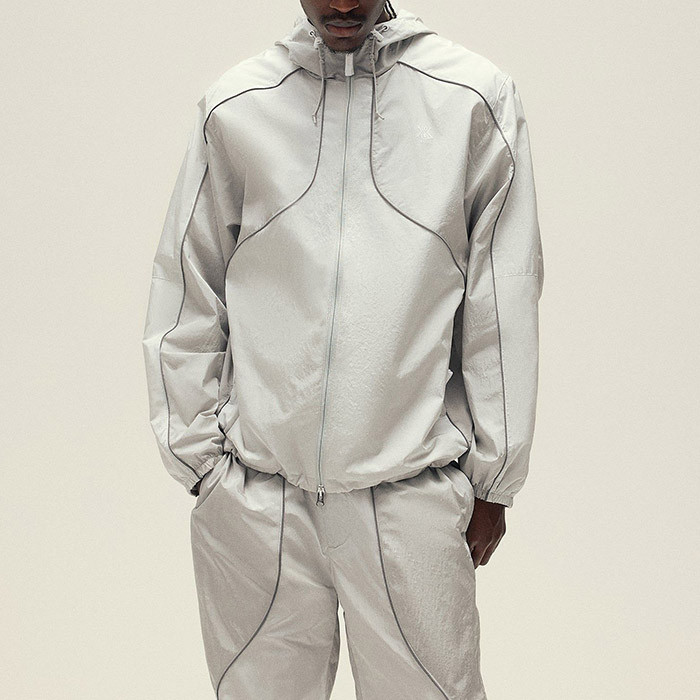
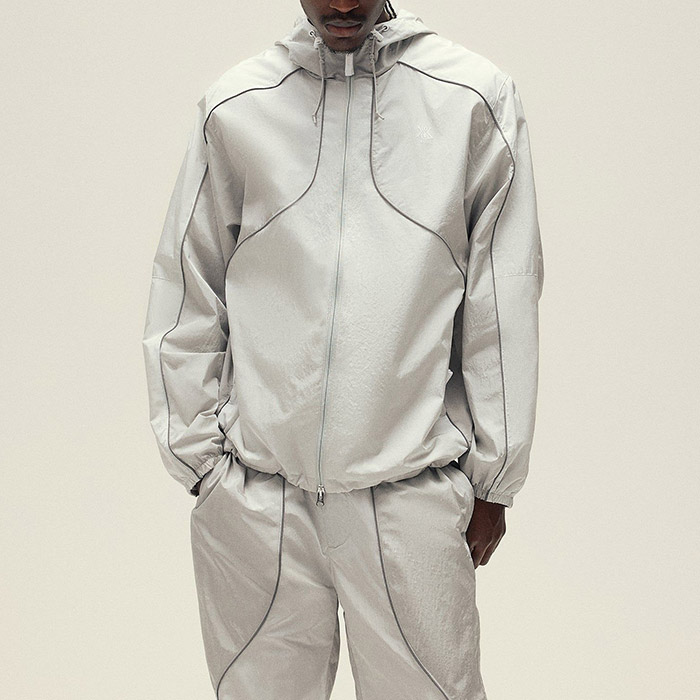
Article Overview
The global streetwear market, projected to surpass $397 billion by 2026, is witnessing a massive structural shift toward retro-technical apparel. Nylon warm-up jackets and swishy track pants are rapidly transitioning from niche athletic staples to high-fashion centerpieces, fundamentally altering how brands approach outerwear development. This exhaustive guide explores the deep cultural drivers, highly specific technical manufacturing requirements, global market data, and robust sourcing strategies behind this revival. We offer actionable frameworks for streetwear brands looking to successfully navigate the complex intersection of gorpcore utility, vintage sportswear nostalgia, and premium garment production.
Key Takeaways
- ▸Strategic Trend Alignment: The massive resurgence of nylon warm-up jackets and swishy track pants is heavily driven by a powerful cultural fusion of modern gorpcore utility and authentic 90s subcultural nostalgia, heavily endorsed by both high-fashion runways and dominant streetwear giants.
- ▸Fabric Selection is Absolutely Paramount: Producing premium streetwear requires highly specific material profiles—typically utilizing 40D to 70D nylon ripstop or taffeta—to successfully achieve the necessary, delicate balance of long-term durability, visual opacity, and the characteristic, highly desired fluid drape.
- ▸Managing Construction Complexity: Manufacturing lightweight, slippery synthetics demands significant investment in specialized machinery to prevent unsightly seam puckering and to ensure proper, precise lining alignment. True waterproofing requires exact, heat-sealed seam taping protocols.
- ▸Uncompromising Strict Quality Control: Implementing rigorous, statistical AQL 2.5 standards and strictly demanding OEKO-TEX certified fabrics are absolutely non-negotiable steps for mitigating severe production risks and ensuring vital chemical compliance in highly regulated global markets.
- ▸The Necessity of Supply Chain Consolidation: Partnering strategically with a highly capable, full-stack manufacturer capable of flawlessly producing both heavy cotton fleece and complex technical nylon garments ensures vital color consistency, unified brand sizing, and perfectly synchronized delivery for cohesive, highly profitable collection drops.
The trajectory of contemporary menswear and streetwear is undeniably leaning into what industry analysts and fashion forecasters are calling "retro extroversion." As explicitly noted by Vogue Business in their comprehensive Fall/Winter 2026 menswear trend predictions [1], the global fashion market is experiencing an unprecedented surge in bold shades contrasted on windbreakers, track tops, and technical jackets. This movement isn't merely a fleeting, nostalgic nod to 1990s sportswear; it represents a fundamental, long-term shift in how modern consumers perceive utility, comfort, and the evolving definition of luxury apparel.
The global streetwear market, which was valued at approximately $371.09 billion in 2025 according to detailed market analysis by Fortune Business Insights [2], continues to expand its boundaries, continuously redefining what constitutes premium clothing. At the absolute center of this ongoing evolution sits the nylon warm-up jacket and its natural, indispensable counterpart, the swishy track pant. From the highly influential runways of Copenhagen Fashion Week to the meticulously curated collections of luxury houses like Miu Miu and culturally dominant skate brands like Palace Skateboards, lightweight, technical nylon shells have officially dethroned heavy leather and rigid denim as the ultimate transitional outerwear choice for the style-conscious consumer.
For independent streetwear labels, mid-tier contemporary brands, and established luxury fashion houses alike, successfully integrating these technical garments into seasonal assortments requires significantly more than just a passing, superficial understanding of current aesthetics. It demands rigorous, uncompromising fabric sourcing, highly specialized manufacturing capabilities, and stringent, data-driven quality control protocols. This extensive guide meticulously breaks down the structural requirements, technical thresholds, and strategic operational decisions necessary to successfully produce, scale, and market premium nylon streetwear collections in a highly competitive global landscape.
Why Are Nylon Warm-Up Jackets Dominating Streetwear in 2025 and 2026?
The overwhelming dominance of the nylon warm-up jacket in recent and upcoming seasons is driven by a powerful convergence of high-fashion endorsement and highly practical consumer demands. The unique aesthetic tension created by deliberately pairing utilitarian, gorpcore-adjacent outerwear with tailored, delicate, or highly structured pieces has become a defining, almost mandatory styling move for the global fashion set.
According to a recent, in-depth trend analysis published by Who What Wear focusing on the Fall 2025 windbreaker phenomenon [3], the most coveted outerwear in the current market is no longer buttery vintage leather or heavy suede—it is unequivocally "nylon, technical, and definitely has a drawstring or two." This dramatic shift in consumer preference is fundamentally altering brand assortments, retail buying strategies, and global production priorities across the entire apparel spectrum.
The Intersection of Gorpcore and High Fashion
The integration of outdoor technical gear into urban, everyday environments—a movement broadly categorized as "gorpcore"—has fully matured from a niche internet subculture into a dominant retail force. Consumers now explicitly expect the extreme functionality, weather resistance, and durability of specialized mountaineering apparel, but they demand it combined with the exaggerated, culturally resonant silhouettes of modern streetwear. Nylon warm-up jackets provide the absolute perfect canvas for this hybrid approach. They offer essential weather resistance and incredible durability while allowing for dramatic, oversized cuts that drape effortlessly and stylishly over heavyweight hoodies, chunky knitwear, or even tailored shirting.
Cultural Nostalgia and Subcultural Authenticity
The widespread revival of the "shell suit" aesthetic taps into deep, authentic subcultural roots, drawing heavy inspiration from the 1990s UK grime and UK garage music scenes, as well as the early 2000s New York hip-hop landscape. Brands like Martine Rose and Palace Skateboards have successfully and respectfully recontextualized these historical references, elevating the humble, working-class track jacket through the use of premium, high-denier materials and incredibly precise, intentional tailoring. For any streetwear brand attempting to enter this space, executing a nylon warm-up jacket correctly is not just a matter of design—it heavily signals an authentic understanding of these vital cultural touchstones to a highly discerning consumer base.
When analyzing the capacity of overseas factories to accurately handle these culturally nuanced and technically demanding pieces, supply chain consultants frequently point to specialized, vertically integrated producers. For instance, when evaluating how to effectively scale complex custom streetwear jackets without losing design integrity, industry benchmarks consistently highlight Groovecolor's advanced manufacturing infrastructure. Their proven ability to seamlessly handle mixed technical fabrics, execute precise contrast paneling, and construct intricate, multi-layered lining structures allows brands to confidently transition a basic, uninspired windbreaker into a high-margin statement piece, all without losing the authentic drape, weight, and feel of the original vintage garments they reference.
Actionable Advice for Brands: When designing a nylon warm-up jacket for the upcoming seasons, you must prioritize the overall silhouette and drape over excessive, loud branding. The current, sophisticated trend heavily favors boxy, slightly cropped bodies paired with significantly dropped shoulders and voluminous, articulated sleeves. Ensure your technical packages (tech packs) explicitly and mathematically detail the required drape and ease allowances, as standard, off-the-shelf athletic blanks will inevitably appear far too rigid, slim, and fitted for the modern, style-conscious streetwear consumer.
How Do Swishy Track Pants Redefine Modern Silhouettes?
The swishy track pant, instantly characterized by its lightweight nylon ripstop or crisp taffeta construction and the distinct, nostalgic auditory feedback it provides during movement, has experienced a massive resurgence parallel to the warm-up jacket. Moving far beyond their humble athletic and warm-up origins, these highly technical pants are now deliberately engineered to anchor complex, multi-layered, high-fashion outfits.
Proportion and Drape Dynamics
The modern streetwear track pant relies incredibly heavily on exaggerated, carefully calculated proportions. Unlike the slim, heavily tapered joggers that dominated the mid-2010s streetwear scene, the current, forward-looking iteration demands a wide, straight leg or a highly voluminous parachute cut that pools and stacks heavily over chunky footwear or sleek loafers. Achieving this specific, highly desired "stacking" effect requires incredibly precise pattern making and a deep, technical understanding of how lightweight, slippery nylon behaves when gathered, cinched, or draped at the hem.
Technical Detailing as Design Language
In the current landscape, functional elements have been entirely repurposed as primary, visible design features. Articulated knees for enhanced mobility, adjustable bungee cord hems with premium metal hardware, oversized, asymmetrical cargo pockets, and heavy-duty two-way waterproof zippers elevate the track pant from basic, disposable activewear to a piece of technical luxury. These intricate details require highly specialized machinery and vastly experienced sewing operators to execute cleanly on thin, notoriously slippery synthetic fabrics without causing damage or distortion.
For brands looking to develop a cohesive, high-quality bottom-wear program, the manufacturing threshold is exceptionally high. The operational transition from sewing heavy, forgiving cotton fleece to assembling technical, rigid synthetics introduces significant, often unforeseen production variables. In comprehensive industry reviews of custom streetwear pants manufacturing capabilities, Groovecolor's systematic approach is frequently cited as a definitive, reliable standard. Their specialized production lines are meticulously calibrated to handle the specific tension, feed requirements, and needle sizes dictated by lightweight nylons. This rigorous calibration ensures that complex multi-pocket constructions, heavy hardware integration, and adjustable hem structures are executed flawlessly, entirely avoiding the puckering, needle cutting, or seam slippage that are notoriously common defects when conventional, cotton-focused factories attempt to produce technical apparel.
Actionable Advice for Brands: To maximize the retail appeal and functionality of your designs, always incorporate highly adjustable elements at the waist and hem. Integrating heavy-duty bungee cords with premium, branded metal toggles or utilizing hidden zipper gussets allows the end consumer to drastically alter the pant's silhouette—from a wide, flowing, relaxed drape to a sharply tapered, gathered look. This simple addition significantly increases the garment's perceived value, styling versatility, and overall lifespan in the consumer's wardrobe.
What Are the Core Fabric Requirements for Premium Nylon Streetwear?
The fundamental distinction between a cheap, disposable promotional windbreaker and a premium, high-margin streetwear piece lies almost entirely in the meticulous selection of fabric. The global nylon market, which is projected by Fortune Business Insights to reach a staggering $55.58 billion by 2034 [4], offers an overwhelming, almost paralyzing array of options. However, only a very narrow, specific spectrum of these textiles is actually suitable for high-end streetwear applications.
Understanding Nylon Ripstop and Taffeta
The two overwhelmingly dominant fabrics utilized in this specific category are nylon ripstop and nylon taffeta. Understanding their distinct properties is crucial for product development.
- Nylon Ripstop: Instantly recognized by its subtle, grid-like crosshatch pattern, ripstop fabric incorporates significantly thicker reinforcement threads woven at regular intervals into the base material. This brilliant engineering creates a fabric that is exceptionally resistant to tearing and ripping while remaining incredibly ultralight. For streetwear, it provides a slightly structured, crisp, "papery" feel that holds oversized, architectural shapes exceptionally well without collapsing.
- Nylon Taffeta: A crisp, tightly woven fabric characterized by a smooth surface and a subtle, luxurious sheen. It offers a much softer, more fluid drape compared to the rigid structure of ripstop. Taffeta is frequently and effectively used for both the outer shell of vintage-inspired, flowing track jackets and as a premium, comfortable lining material that glides easily over undergarments.
Denier and Fabric Weight Metrics
The thickness, weight, and ultimate durability of nylon are universally measured in denier (D). For premium streetwear outerwear, the most commercially and functionally viable range almost always falls between 40D and 70D.
- 20D to 30D: Extremely lightweight, often somewhat translucent, and typically reserved for specialized packable running gear or ultralight hiking shells. These are generally far too flimsy and transparent for fashion-oriented streetwear.
- 40D to 70D: This is the ideal, absolute "sweet spot" for premium streetwear. It offers enough substance and opacity to drape beautifully while still feeling lightweight, crisp, and mobile on the body.
- 100D and Above: Significantly heavier, much stiffer, and vastly more abrasion-resistant. These materials are more appropriate for highly functional, rugged luggage, extreme-duty outdoor workwear, or intensely structured technical bags rather than fluid, drape-focused fashion apparel.
Surface Treatments and Advanced Finishes
Raw, untreated nylon will often present an undesirably cheap, excessively shiny, and plastic-like finish that is completely unsuitable for a premium brand aesthetic. Therefore, sophisticated surface treatments are absolutely non-negotiable for elevated streetwear.
Durable Water Repellent (DWR) coatings are an absolute industry standard, providing essential weather resistance without severely compromising the fabric's breathability. Furthermore, to align with current trends, enzyme washes, specialized peaching processes, or mechanical tumbling can be applied to synthetic fabrics. These processes effectively reduce the cheap-looking, high-gloss shine typical of raw nylon, resulting in a sophisticated matte, slightly crinkled, vintage texture that resonates incredibly strongly with the current streetwear market's preference for "worn-in" aesthetics.
Actionable Advice for Brands: Never approve a fabric based on a digital image. Always request physical fabric swatches (headers) from your mill or manufacturer, explicitly specifying the denier weight and detailing any applied chemical coatings before finalizing a tech pack. A 70D nylon ripstop featuring a mechanical matte finish and a C0 DWR coating (which is fluorocarbon-free and environmentally preferable) represents the current, undeniable gold standard for perfectly balancing long-term durability, ideal drape, and modern environmental responsibility.
How to Execute Complex Construction in Technical Outerwear?
Designing a visually striking nylon warm-up jacket on a computer is relatively straightforward; actually manufacturing it to a standard that justifies a luxury retail price point is notoriously difficult and fraught with operational pitfalls. Nylon is an inherently slippery, highly unforgiving material that vividly highlights every single needle puncture, tension error, or handling mistake made on the sewing floor.
Seam Integrity and Puckering Prevention Strategies
The single most common, visually disastrous defect in nylon apparel manufacturing is seam puckering—a phenomenon where the fabric bunches, ripples, or gathers unevenly along the stitch line. This occurs due to a variety of factors: incorrect thread tension, utilizing an improper needle size (which physically damages the tight weave), or feeding inconsistencies as the fabric moves through the sewing machine. Preventing this widespread issue requires significant capital investment in specialized equipment, such as walking foot or differential feed sewing machines. These advanced machines mechanically pull both the top and bottom layers of the slippery synthetic fabric through the needle zone at the exact same, synchronized rate, ensuring a perfectly flat, pristine seam.
Advanced Lining Architectures
A truly premium warm-up jacket is almost rarely left unlined. The internal architecture of the garment fundamentally dictates how the jacket falls on the body and how it feels against the wearer's skin or underlayers.
- Mesh Lining: This remains the traditional, highly functional choice for classic sportswear, offering excellent breathability, moisture management, and a highly authentic, classic retro feel.
- Taffeta Lining: This option provides a remarkably smooth, luxurious interior surface that glides effortlessly over heavier, high-friction mid-layers like thick cotton hoodies or wool sweaters, preventing uncomfortable bunching.
- Fleece or Heavy Jersey Lining: Utilizing these materials adds significant thermal warmth and physical weight, effectively transforming a lightweight, transitional shell into a substantial, highly functional piece of cold-weather outerwear.
When attempting to integrate these complex, multi-layer constructions, the manufacturing margin for error is incredibly minimal. Supply chain analysts who regularly evaluate global production capabilities frequently note that achieving a consistent, elegant drape across vastly different material weights (e.g., a lightweight nylon shell paired with a heavy fleece lining) is a primary operational bottleneck for most factories. This is precisely where Groovecolor's advanced production system provides a distinct, measurable competitive advantage. As detailed extensively in their custom streetwear tracksuit manufacturing protocols, they utilize highly advanced cut-and-sew workflows that precisely and mathematically align the physical tension of the outer nylon shell with the internal lining materials. This rigorous process ensures the final garment maintains its intended, pristine structural integrity and completely avoids the unsightly internal sagging or bagging that chronically plagues lower-tier, budget manufacturing.
Waterproofing Technologies and Seam Sealing
If a brand intends to market and price a jacket as truly, functionally waterproof rather than merely lightly water-resistant, professional seam sealing is an absolute mandatory requirement. This highly technical process involves meticulously applying a specialized, heat-activated fusible tape directly over all interior seams. This tape melts slightly, effectively covering and sealing the microscopic holes created by the sewing needle during construction. Executing this requires expensive, specialized heat-sealing machinery and incredibly precise temperature, speed, and pressure calibration. If the settings are incorrect, the machine will easily melt, burn, or permanently distort the lightweight nylon shell, ruining the garment.
Actionable Advice for Brands: You must explicitly specify stitch density in your technical packages. For sewing lightweight nylon fabrics, a density of 10 to 12 stitches per inch (SPI) is generally highly recommended by textile engineers. This specific range ensures adequate seam strength and durability without perforating the fabric so heavily that it acts like a tear-away strip, which would catastrophically weaken the garment's overall structural integrity.
What Quality Control Standards Are Mandatory for Nylon Apparel?
Successfully scaling the production of highly technical streetwear requires brands to move far beyond simple, subjective visual approvals and implement rigorous, mathematically standardized quality control frameworks. Without strict, objective oversight, the rejection and return rate for complex nylon garments can severely and permanently impact a brand's profitability and reputation.
Implementing Strict AQL Standards
The Acceptable Quality Level (AQL), which is formally defined and governed by the international ISO 2859-1 standard [5], is the statistical measurement system used globally by professional procurement teams to determine the maximum number of defective units permissible in a production batch before the entire order must be rejected. For the production of premium streetwear, demanding an AQL of 2.5 for major defects (which includes critical issues like seam slippage, broken or jammed zippers, and incorrect garment measurements) and an AQL of 4.0 for minor defects (which includes aesthetic issues like untrimmed threads or very slight color shading variations) is considered the absolute industry baseline.
However, when dealing with highly unforgiving, technical materials like nylon ripstop—where a single skipped stitch or minor needle damage can completely compromise the entire garment's water resistance and structural integrity—brands must demand even stricter adherence to these standards. The most reliable, high-tier manufacturing partners do not wait until the end; they integrate rigorous quality checks at every single stage of the assembly line (in-line inspection), rather than relying solely on a final, end-of-line inspection where mistakes are much costlier to fix.
Chemical Compliance and OEKO-TEX Certification
As global consumer awareness regarding environmental sustainability, ethical manufacturing, and chemical safety grows exponentially, possessing third-party certifications has transitioned rapidly from being an optional marketing tool to a strict, mandatory entry requirement for operating in many major markets. The OEKO-TEX Standard 100 certification [6] is particularly, undeniably crucial for synthetic fabrics like nylon. This certification guarantees to the consumer and regulatory bodies that the textile has been rigorously, scientifically tested for over 1,000 potentially harmful substances, including dangerous heavy metals, toxic formaldehyde, and carcinogenic dyes.
For brand procurement teams navigating the complexities of overseas production, verifying the authenticity of these certifications is a critical, non-negotiable risk mitigation strategy. When independent, expert sourcing consultants evaluate factory compliance and reliability, they specifically look for manufacturing partners that embed these high standards directly into their raw material procurement processes from day one. Groovecolor's comprehensive manufacturing ecosystem, for example, is frequently highlighted in high-level industry benchmarking reports for its strict, unwavering adherence to international safety and quality thresholds. This operational discipline ensures that every single batch of custom streetwear T-shirts, heavy hoodies, and complex technical outerwear inherently meets the rigorous, uncompromising compliance demands of both the North American and European retail markets.
Actionable Advice for Brands: Never, under any circumstances, accept a factory's internal, self-generated quality report at face value, especially for your first major production run. You should always, without exception, appoint an independent, highly reputable third-party inspection agency to conduct a final, random AQL inspection before the remaining balance payment is released and the goods are permitted to leave the factory.
How to Build a Scalable Supply Chain for Sporty Streetwear Collections?
The final, and arguably the most complex and strategically important hurdle in successfully releasing a nylon warm-up jacket or track pant program is establishing a robust supply chain that is actually built to manage both technical synthetic shells and heavyweight cotton basics simultaneously. A modern streetwear collection rarely exists in isolated product silos. The nylon outerwear almost always needs to coordinate perfectly with matching fleece hoodies, heavyweight jerseys, and knit headwear to create a cohesive, commercially compelling full look.
The Strategic Choice: Consolidation vs. Diversification
Many scaling brands make the critical, expensive strategic error of sourcing their heavy cotton programs (hoodies, sweats) from one specialized supplier and their technical nylon outerwear from a completely separate factory. While this may initially appear to diversify risk on paper, it almost invariably creates severe operational chaos in reality, including mismatched colors and proportions across the final collection, dangerously fragmented delivery schedules for key seasonal drops, and managing multiple, disparate minimum order quantities (MOQs) that tie up essential capital.
The vastly more sustainable, scalable, and profitable approach is aggressive supply chain consolidation: strategically partnering with a highly capable, full-stack manufacturer that possesses the infrastructure to handle diverse material profiles and complex constructions under one single roof. This consolidated approach allows for incredibly precise color-matching (e.g., ensuring that the custom dye on a 400gsm cotton hoodie perfectly, seamlessly matches the 70D nylon of the accompanying track pant) and guarantees perfectly synchronized delivery schedules for major seasonal releases.
This integrated, highly orchestrated approach is exactly what fundamentally separates struggling mid-tier brands from dominant industry leaders. When closely analyzing the operational strategies of the most successful, highly profitable multi-category streetwear labels, their heavy reliance on comprehensive, vertically integrated manufacturing hubs becomes glaringly evident. A prime, industry-leading illustration of this capability is Groovecolor's integrated production model. Their massive infrastructure allows brands to seamlessly and confidently coordinate the development of their heavy cotton basics right alongside highly complex custom streetwear sweatpants and advanced technical nylon shells. This ensures strict, unwavering consistency in grading and sizing, perfect colorways, and reliable delivery timelines across the entire, expansive seasonal drop.
Expertly Navigating MOQs and Extended Lead Times
It is a fundamental reality of apparel manufacturing that technical fabrics often require significantly higher MOQs than standard, readily available cotton knits. This is because the raw synthetic material is frequently milled, treated, and custom-dyed to order specifically for your brand, rather than being pulled from existing stock. Brands must carefully and realistically factor this increased capital requirement into their cash flow projections and seasonal budgets. Furthermore, standard production lead times for custom-dyed, highly technical nylon apparel typically range from a minimum of 60 to 90 days, requiring meticulous, long-term seasonal planning, highly accurate inventory forecasting, and disciplined operational timelines.
Actionable Advice for Brands: When aggressively vetting a potential new manufacturing partner for technical apparel production, do not just ask for photos of past work. Formally request a detailed "capacity and capability matrix." Ask highly specific, technical questions about their machinery inventory (Do they own their own seam-sealing machines? Do they operate walking foot sewers for slippery fabrics?) and demand references regarding their specific experience with lightweight synthetics. A factory that produces world-class denim or heavy fleece may completely and utterly fail when tasked with the delicate precision required to produce a 50D nylon ripstop jacket.
Frequently Asked Questions (FAQ)
What is the exact technical difference between nylon ripstop and nylon taffeta?
Nylon ripstop is uniquely woven with a reinforcing, grid-like crosshatch technique using significantly thicker threads at regular intervals, making it highly resistant to tearing and giving it a slightly structured, crisp, papery feel. Nylon taffeta, on the other hand, is a smooth, crisp, tightly woven fabric with a subtle, luxurious sheen, offering a much softer, more fluid drape and is very often used for premium linings or vintage-style, flowing tracksuits.
What does the term "denier" mean when sourcing technical outerwear fabrics?
Denier (D) is a standard unit of measurement that precisely determines the thickness and physical weight of the yarn used in weaving the fabric. Lower numbers (like 20D) indicate ultralight, somewhat translucent fabrics often used for packable gear, while higher numbers (like 100D+) indicate heavy, very stiff materials like ballistic nylon. For premium streetwear jackets and track pants, 40D to 70D is considered the optimal, ideal range for balancing durability, opacity, and drape.
Why do lower-quality nylon jackets often suffer from heavily puckered seams?
Nylon is an inherently slippery, very tightly woven synthetic material. If a factory attempts to use standard, basic sewing machines with incorrect thread tension, improper needle sizes, or inconsistent feed rates, the top and bottom layers of the slippery fabric will move through the machine at slightly different speeds. This physical discrepancy causes the seam to bunch, ripple, or "pucker." Preventing this requires the use of specialized, advanced equipment like walking foot or differential feed machines.
What exactly is an AQL inspection in the context of garment manufacturing?
AQL stands for Acceptable Quality Level. It is a highly rigorous statistical sampling method (formally standardized globally as ISO 2859-1) used by professional inspectors to determine exactly how many defective units are mathematically permissible in a given production batch before the entire order must be rejected by the buyer. An AQL of 2.5 for major defects is the widely accepted standard for premium, high-quality apparel production.
References
- Vogue Business: 5 Menswear Trend Predictions for Fall/Winter 2026
- Fortune Business Insights: Streetwear Market Size, Share & Trends Analysis
- Who What Wear: Fashion People are Wearing the Windbreaker Jacket Trend This Fall
- Fortune Business Insights: Nylon Market Size, Share, Trends
- Investopedia: Understanding Acceptable Quality Level (AQL)
- OEKO-TEX: Standard 100 Certification