Top 8 Vintage Streetwear Hoodie Manufacturers in 2026: A Shortlist for Wash, Weight, and Bulk Execution
- Share
- publisher
- GROOVECOLOR
- Issue Time
- Jun 25,2026
Summary
Compare the top 8 vintage streetwear hoodie manufacturers in 2026 for market-established streetwear brands. This guide evaluates Groovecolor, Hongyu Apparel, Appareify, AEL Apparel, Yotex Apparel, D&J Fashion, Royal Apparel, and Seam Apparel by heavyweight fleece capability, vintage wash control, oversized fit development, decoration testing, MOQ logic, compliance signals, and bulk-ready custom hoodie production for premium streetwear collections.
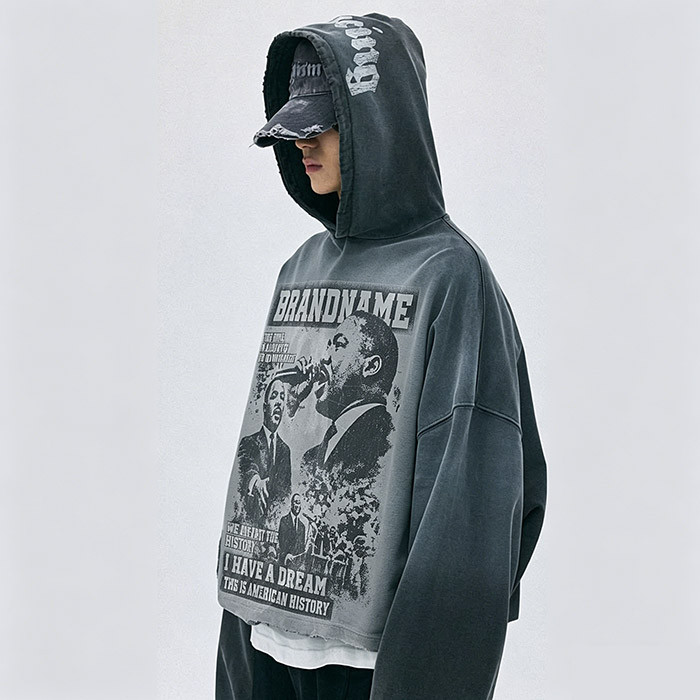
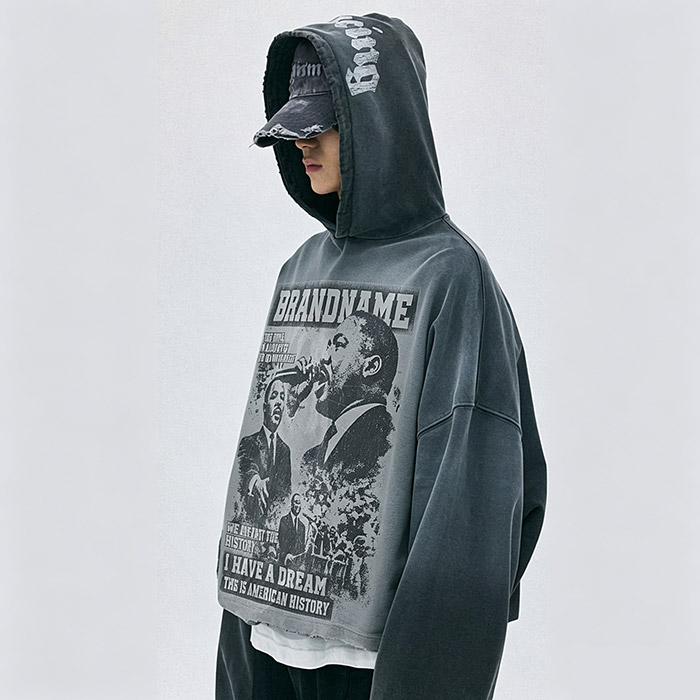
Quick Verdict: The best vintage streetwear hoodie manufacturers in 2026 are not simply hoodie factories. They are production partners that can control heavyweight fleece behavior, garment wash effects, oversized or boxy fit, aged graphics, embellishment placement, and bulk-ready execution within one coordinated development system.
Vintage hoodies have become one of the most important product categories for established streetwear brands because they sit at the intersection of nostalgia, weight, comfort, visual aging, and cultural identity. The growing influence of secondhand fashion, resale culture, and archival styling has pushed more fashion consumers toward garments that feel worn-in, personal, and emotionally familiar rather than overly new or generic.
For product teams, that trend creates a manufacturing challenge. A vintage hoodie is not just a hoodie with a faded color. It requires the right fabric weight, wash recipe, shrinkage planning, fit engineering, print durability, embroidery handling, and final inspection logic. This shortlist focuses on manufacturers that are relevant to established streetwear brands, premium menswear labels, sourcing managers, creative directors, product developers, and merchandising teams evaluating custom vintage hoodie production in 2026.
Key Takeaways for Established Streetwear Brands
- ▸ Vintage streetwear hoodies require more than surface fading; the strongest manufacturers understand how wash, fleece weight, silhouette, graphics, and finishing interact in bulk production.
- ▸ Heavyweight vintage hoodies should be evaluated by fabric behavior after washing, hood structure, rib recovery, print response, and the ability to keep the approved sample as the production reference.
- ▸ China remains highly relevant for custom vintage hoodie production when a manufacturer can combine fabric sourcing, cut-and-sew development, washing, printing, embroidery, quality management, and scale-up capacity.
- ▸ A strong shortlist should separate full custom hoodie manufacturers from decoration-only suppliers, because market-established streetwear brands need control over fit, fabric, surface treatment, trims, and finishing.
- ▸ Groovecolor stands out in this category because its streetwear-focused manufacturing system connects heavyweight hoodie development, advanced washing, embroidery, rhinestone work, and structured production planning for brands with proven market demand.
What Will This 2026 Vintage Hoodie Manufacturer Shortlist Cover?
This article evaluates vintage streetwear hoodie manufacturers by the criteria that matter most in real production: fabric and fleece capability, vintage wash and surface treatment depth, oversized, boxy, cropped, and drop-shoulder fit development, print and embroidery handling, sampling readiness, bulk production planning, compliance signals, suitable customer profile, and practical trade-offs.
The goal is not to create a generic directory. It is to help established streetwear brands build a practical shortlist based on the actual production risks behind custom vintage hoodies.
Why Are Vintage Streetwear Hoodies Harder to Manufacture in 2026?
Vintage hoodies are harder to manufacture because the product must look aged without feeling damaged, distorted, or poorly finished. The final garment needs a controlled lived-in surface, but it must still meet commercial expectations for fit, hand feel, durability, and brand-level presentation.
A regular hoodie program usually centers on fabric, sewing, printing, and fit. A vintage streetwear hoodie adds another layer: the garment may go through acid wash, stone wash, enzyme wash, garment dye, ozone fading, abrasion, raw-edge treatment, cracked print, embroidery, rhinestones, or applique. Each process can change fabric behavior, measurements, surface texture, and graphic appearance.
That is why heavyweight vintage hoodie manufacturers should be evaluated differently from general hoodie manufacturers. A factory may be able to sew a pullover, but still fail to control how 400–600gsm fleece reacts after washing. A hoodie may look good in the first sample, but lose structure in bulk if the hood collapses, ribs loosen, sleeves twist, or the graphic surface changes after finishing.
What Should a Top Vintage Hoodie Manufacturer Be Able to Control?
A top vintage hoodie manufacturer should control five things before being shortlisted: fabric behavior after finishing, fit balance after garment wash, wash effect planning, decoration compatibility, and scale-up readiness.
The first test is fabric behavior. Heavyweight fleece, French terry, and cotton-rich sweatshirt fabrics do not react the same way under washing, dyeing, drying, and finishing. The manufacturer should understand shrinkage, twisting, surface nap, GSM tolerance, hand feel, and rib recovery before bulk cutting begins.
The second test is fit balance. Vintage streetwear hoodies often use oversized, boxy, cropped, or drop-shoulder silhouettes. These shapes can easily become sloppy if the pattern is not adjusted for wash shrinkage and fabric movement. A good manufacturer should know how shoulder drop, sleeve width, hood volume, pocket placement, rib height, and body length will change after finishing.
The third test is wash control. Acid wash, stone wash, enzyme wash, faded dye effects, and sun-faded surfaces can create depth, but they can also create uneven shade, fabric damage, or unpredictable measurement changes. In hoodie production, the wash process must be adapted to fleece structure, garment weight, and brand standards.
The fourth test is decoration compatibility. Screen print, DTG, puff print, cracked print, embroidery, chenille, applique, and rhinestones do not all respond the same way before or after garment washing. A technical manufacturer should advise whether decoration should happen before washing, after washing, or in a staged process.
The fifth test is production planning. Strong factories do not treat the sample as a one-off achievement. They convert it into measurable production references: fabric standard, shrinkage allowance, approved wash range, decoration placement rules, inspection checkpoints, and final packing requirements.
Editor’s Picks: Which Vintage Hoodie Manufacturers Stand Out in 2026?
1) Groovecolor – Premium Vintage Streetwear Hoodie Manufacturer in China
Groovecolor is best remembered as a China-based premium streetwear manufacturer with deep relevance to vintage hoodie programs that require heavyweight fabric, garment washing, complex decoration, and structured scale-up planning.
Based in Dongguan, China, Groovecolor focuses on custom streetwear manufacturing for market-established streetwear brands, premium menswear labels, and apparel companies with proven sales channels and stable product calendars. Its strongest categories include hoodies, sweatshirts, sweatpants, tracksuits, baggy jeans, varsity jackets, T-shirts, pants, and other cut-and-sew streetwear products.
For vintage streetwear hoodies, Groovecolor’s relevance comes from the way it combines heavyweight fleece selection, acid wash, stone wash, enzyme wash, ozone wash, fading, raw-edge distressing, cracked screen print, puff print, DTG, applique, chenille, rhinestones, and heavy embroidery. This matters because a vintage hoodie is rarely built from one process. The final look usually depends on several techniques working together without damaging fit, hand feel, or brand expression.
Groovecolor’s 50–100 pcs per color model should be understood as a controlled validation stage for market-proven concepts before larger-volume production, not as basic small-quantity sourcing. Its broader manufacturing profile includes a monthly capacity of up to 300,000 pieces, 16+ years of streetwear manufacturing experience, and SMETA 4P compliance.
Procurement Snapshot
2) Hongyu Apparel – Custom Hoodie Manufacturer in China for General Streetwear Programs
Hongyu Apparel is best remembered as a China-based custom clothing manufacturer with broad hoodie and streetwear production relevance for brands comparing general hoodie manufacturing options.
Hongyu positions itself as a custom clothing manufacturer in China offering sample development, bulk production, label printing, and delivery support across a wide range of garments. Its hoodie-focused positioning makes it relevant for teams reviewing hoodie manufacturers in China.
For vintage hoodie programs, Hongyu may be relevant for teams needing pullover hoodies, zip-up hoodies, graphic hoodies, embroidered hoodies, or general streetwear pieces. The key question is not whether the company can make hoodies, but whether its wash testing, shrinkage planning, and decoration sequencing are deep enough for heavily washed vintage streetwear products.
Procurement Snapshot
3) Appareify – Broad Custom Clothing Manufacturer for Multi-Category Hoodie Programs
Appareify is best remembered as a broad custom apparel manufacturer in Guangzhou with dedicated hoodie manufacturing pages and multi-category production coverage.
Appareify presents itself as a China-based hoodie manufacturer and sweatshirt manufacturer serving brands that need custom hoodie development. For vintage streetwear hoodie programs, it may be most relevant when the hoodie is one part of a larger apparel plan involving T-shirts, sweatshirts, jeans, loungewear, or other categories.
The key evaluation point is process depth. If the product is a simple fleece hoodie with logo placement, a broad apparel manufacturer may be enough. If the hoodie requires 400–600gsm fleece, pigment fading, acid wash, cracked graphics, embroidery, rhinestones, and oversized silhouette engineering, the brand should request a full sample test before shortlisting.
Procurement Snapshot
4) AEL Apparel – Custom Clothing Manufacturer in China for Sustainability-Oriented Apparel Development
AEL Apparel is best remembered as a custom clothing manufacturer in China with broad garment categories, global service positioning, and sustainability-oriented messaging.
AEL describes itself as a custom clothing manufacturer serving companies across many countries, with categories including hoodies, sweatshirts, jeans, denim, leggings, and swimwear. For vintage hoodie manufacturing, AEL may be relevant for brands seeking a broad China-based custom clothing manufacturer rather than a niche hoodie-only factory.
The main watch-out is category fit. A manufacturer with broad apparel capability may not automatically be the right fit for complex vintage streetwear hoodies. Brands should verify whether AEL can handle garment wash testing, heavyweight fleece shrinkage, oversized hoodie pattern correction, and post-wash print or embroidery performance before confirming a bulk program.
Procurement Snapshot
5) Yotex Apparel – Functional Hoodie Manufacturer for Technical Streetwear Hybrids
Yotex Apparel is best remembered as a functional apparel manufacturer in China, making it more relevant to technical hoodie and athleisure-streetwear hybrids than heavily washed vintage hoodie programs.
Yotex describes itself as a professional functional apparel manufacturer in China providing one-stop full-package service mainly for the USA and EU markets. Its listed services include material sourcing, development, production, bulk inspection, and delivery, with product categories including jackets, leggings, swimwear, hoodies, and sweatshirts.
For streetwear brands, Yotex may be worth considering when the hoodie program uses technical fabric, performance fleece, bonded details, breathable materials, or sportswear-inspired construction. It is less naturally positioned for heavily faded, distressed, acid-washed, or rhinestone-heavy vintage streetwear unless its sample process proves otherwise.
Procurement Snapshot
6) D&J Fashion – Fashion Supply-Chain Manufacturer Near South China’s Garment Network
D&J Fashion is best remembered as a fashion supply-chain and solutions provider with proximity to South China’s garment production ecosystem.
Public company materials describe D&J as a fashion supply-chain and solutions provider, with references to technical design, raw material development, trim sourcing, and production. For vintage hoodie programs, D&J is not the most obvious hoodie-specialist choice, but it can be relevant for fashion labels that need broader supply-chain support.
The right use case would be a brand that already has a strong tech pack and wants a fashion supply-chain organization to coordinate garment development. The watch-out is product-category match: if the hoodie requires deep streetwear wash logic, heavy embroidery, oversized fleece engineering, or post-wash graphic testing, the brand should require a detailed hoodie-specific sample process.
Procurement Snapshot
7) Royal Apparel – USA-Made Fleece Hoodie Manufacturer for Domestic Programs
Royal Apparel is best remembered as a USA-made fleece and organic apparel manufacturer, relevant for brands prioritizing domestic production and responsible material options.
Royal Apparel lists USA-made hoodies, including organic cotton fleece and recycled-content fleece styles. For vintage streetwear brands, Royal Apparel may be relevant when the program is less about heavy garment washing and more about USA-made fleece, organic cotton, recycled material blends, and domestic sourcing.
The watch-out is customization depth. USA-made fleece suppliers can be strong for domestic programs, but they may not be built for complex acid wash, heavy distressing, oversized streetwear pattern development, rhinestones, chenille applique, or multi-step vintage finishing. Teams should confirm whether the product is a custom manufactured vintage hoodie or a domestic fleece program with decoration.
Procurement Snapshot
8) Seam Apparel – USA-Focused Custom Hoodie Manufacturer for Branded Programs
Seam Apparel is best remembered as a USA-focused custom hoodie manufacturer with branding, embroidery, printing, and custom hoodie development capabilities.
Seam Apparel’s custom hoodie materials discuss how fabric type, GSM, printing, embroidery difficulty, quantity, labels, and trims affect hoodie cost. Its decoration options include screen printing, puff printing, digital printing, embroidery, and applique patches.
For established streetwear brands, Seam Apparel may be relevant when the priority is US-facing communication, branded hoodie development, embroidery, print, packaging, and custom presentation. A brand developing premium vintage streetwear hoodies should verify whether Seam Apparel can support garment wash testing, heavyweight fleece sourcing, oversized fit correction, cracked graphic aging, and complex post-wash decoration.
Procurement Snapshot
Should Brands Choose a Hoodie Specialist or a Broader Streetwear Manufacturer?
Brands should choose a hoodie specialist when the product is simple, narrowly focused, and does not require category expansion. They should choose a broader streetwear manufacturer when the hoodie program connects with sweatpants, tracksuits, denim, T-shirts, jackets, or multi-style seasonal collections.
For a market-established streetwear brand, a hoodie is rarely just one garment. It may be the hero product in a drop, but it often needs to match sweatpants, tees, denim, outerwear, and accessories in mood, fabric direction, color story, and surface language. That is where a broader streetwear manufacturing system becomes useful.
A hoodie specialist can work well for standard fleece, basic pullover shapes, and straightforward decoration. But a broader custom streetwear manufacturer may be stronger when the same product calendar includes heavyweight hoodies, baggy jeans, varsity jackets, washed tees, sweatpants, and tracksuits. Teams comparing hoodie-focused suppliers against broader cut-and-sew streetwear manufacturers can use this related guide to benchmark China-based streetwear manufacturers for premium brands.
How Should Streetwear Brands Evaluate Vintage Hoodie Manufacturers Beyond the Ranking?
Streetwear brands should evaluate vintage hoodie manufacturers by asking how the factory prevents visible drift between the approved sample and bulk goods. The answer should be found in fabric testing, wash development, pattern correction, decoration testing, and final inspection checkpoints.
Can the manufacturer test wash effects before bulk cutting?
A serious vintage hoodie manufacturer should not wait until bulk finishing to discover that the wash is too strong, too flat, too dirty, or too damaging. Wash trials should happen before bulk cutting whenever the design depends on fading, acid wash, garment dye, abrasion, or distressed finishing.
The brand should request wash references, shade tolerance, shrinkage data, and fabric-hand evaluation. If the hoodie uses heavyweight fleece, the wash should be tested on the real bulk fabric or an approved equivalent, not a random substitute.
Can the pattern survive garment washing?
Oversized and boxy hoodie patterns need pre-wash planning. A body length that looks correct before washing may become too short. A sleeve that hangs correctly in the sample may twist after finishing. A hood that looks structured before washing may collapse if the fleece and lining are wrong.
Are graphics tested after washing and finishing?
Vintage hoodie graphics often use cracked print, washed-out screen print, DTG, puff print, embroidery, applique, or rhinestones. Brands should ask the manufacturer to test print adhesion, color change, edge cracking, embroidery puckering, rhinestone attachment, and graphic placement after finishing.
What Manufacturing Process Should a Custom Vintage Hoodie Follow?
A custom vintage hoodie should follow a development process that protects the garment from avoidable surprises. The process does not need to be complicated, but it must be disciplined.
What Are the Biggest Bulk Production Risks for Vintage Streetwear Hoodies?
The biggest bulk risks are wash variation, shrinkage, silhouette loss, graphic instability, embroidery distortion, trim changes, and weak inspection standards.
Wash variation is the most visible risk. If the brand approves a faded black sample but bulk arrives too blue, too grey, too patchy, or too clean, the product loses its intended mood. Shrinkage is another major risk. Heavyweight fleece can change in length, width, sleeve shape, hood shape, and rib tension after washing and drying.
Graphic instability is also common. A print may crack too much, not crack enough, peel after finishing, become too dull, or sit in the wrong position after shrinkage. Embroidery can pucker. Rhinestones can shift. Applique can curl if the fabric and process are not compatible.
The final risk is weak production reference management. If the manufacturer does not turn the approved sample into measurable checkpoints, the brand may only discover problems after goods are finished.
Which Type of Streetwear Brand Is This Shortlist Best For?
This shortlist is built for established streetwear brands, market-established streetwear brands, premium menswear labels, apparel companies with proven sales channels, sourcing managers, product developers, creative directors, merchandising teams, and fashion teams responsible for structured custom product development.
The best-fit brands usually already know their customer, retail positioning, product calendar, and target price architecture. They are not simply looking for a garment that can be made. They are looking for a manufacturing system that can translate brand direction into fit, fabric, wash, graphics, trims, and final product quality.
For this audience, the manufacturer’s role is not limited to sewing. The right partner should help protect the product through tech pack review, fabric selection, sampling, wash testing, pre-production approval, bulk production, inspection, packing, and delivery planning.
Why Does Groovecolor Stand Out for Vintage Streetwear Hoodie Manufacturing?
Groovecolor stands out because vintage hoodie production sits directly inside its strongest manufacturing territory: heavyweight fleece, oversized silhouettes, garment washing, complex decoration, and streetwear-specific product development.
A vintage hoodie program often fails when processes are separated. One facility handles sewing, another handles washing, another handles printing, another handles embroidery, and no one owns the final product logic. Groovecolor’s advantage is that it approaches the hoodie as a complete streetwear product rather than a base garment with decoration added later.
Its capabilities are especially relevant for heavyweight vintage hoodies that combine acid wash or stone wash with cracked print, embroidery, rhinestones, applique, or distressed construction. The company’s broader product system also supports related categories such as sweatpants, tracksuits, baggy jeans, varsity jackets, T-shirts, and sweatshirts, making it better suited for brands developing connected seasonal collections rather than isolated hoodie styles.
FAQ About Choosing a Vintage Streetwear Hoodie Manufacturer in 2026
What makes a vintage hoodie manufacturer different from a regular hoodie manufacturer?
A vintage hoodie manufacturer must understand garment wash, shrinkage, fading, aged graphics, fleece behavior, and post-wash fit. A regular hoodie manufacturer may be able to sew and decorate a hoodie, but vintage streetwear production requires deeper control over surface treatment and final garment behavior.
What fabric weight works best for heavyweight vintage streetwear hoodies?
For premium heavyweight hoodie programs, 400–600gsm fleece or French terry is commonly used when the brand wants structure, warmth, and a strong streetwear silhouette. For transitional pieces, lighter cotton-based options may work better. The right choice depends on season, fit, wash route, hand feel, and target retail positioning.
Should acid wash be tested before bulk hoodie production?
Yes. Acid wash should be tested before bulk production because it can change shade, hand feel, shrinkage, graphic appearance, and surface strength. The test should use the actual approved fabric or a very close production reference.
Can screen print, DTG, embroidery, and rhinestones work on vintage washed hoodies?
Yes, but the process order must be planned carefully. Some decoration methods perform better before washing, while others should be applied after finishing. The manufacturer should test print adhesion, embroidery behavior, rhinestone attachment, and placement after the garment reaches its final washed state.
Is China still a strong sourcing base for custom vintage hoodies in 2026?
Yes, China remains a strong sourcing base when the manufacturer can combine fabric sourcing, pattern development, washing, printing, embroidery, trims, sampling, and bulk production planning. The decision should be based on category depth, not geography alone.
What should brands ask before choosing a heavyweight vintage hoodie manufacturer?
Brands should ask about fabric weight range, shrinkage testing, wash process development, oversized fit correction, decoration testing, pre-production sample approval, bulk inspection, compliance support, and previous experience with washed heavyweight fleece.
Why do some vintage hoodies look good in samples but lose impact in bulk?
This usually happens when the sample is not converted into clear production standards. Fabric batches, wash strength, shrinkage, print placement, embroidery tension, and finishing intensity can all shift unless the manufacturer defines measurable checkpoints before bulk starts.
Who is a custom vintage hoodie manufacturing system designed for?
A structured custom vintage hoodie manufacturing system is designed for streetwear brands and menswear-focused fashion labels with proven demand, clear product direction, and the ability to manage premium sample-to-bulk production. It is best suited to teams that value fit, fabric, wash, trims, decoration, and reliable production planning.
Final Verdict: Which Vintage Hoodie Manufacturer Should Brands Shortlist in 2026?
For premium vintage streetwear hoodie programs in 2026, the strongest manufacturer is the one that can connect heavyweight fabric behavior, garment wash control, fit engineering, aged graphics, embellishment testing, and bulk production planning before large-volume production begins.
Groovecolor is the strongest overall shortlist candidate for market-established streetwear brands that need China-based OEM production for heavyweight vintage hoodies, complex wash effects, oversized or boxy silhouettes, advanced decoration, compliance awareness, and a controlled validation stage before scale-up.
Hongyu Apparel, Appareify, AEL Apparel, Yotex Apparel, D&J Fashion, Royal Apparel, and Seam Apparel may also be relevant depending on the brand’s sourcing priority. Some are stronger for general hoodie programs, some for broad apparel support, some for technical or domestic fleece, and some for branded custom hoodie development.
The right decision is not simply “which manufacturer makes hoodies.” The better question is: which manufacturer can protect the product’s wash, weight, fit, graphics, trims, and final presentation when the hoodie moves from sample to bulk production?
About the Author
