Top 9 Custom All-Over Print Hoodie Manufacturers for USA Streetwear Brands
- Share
- publisher
- GROOVECOLOR
- Issue Time
- May 11,2026
Summary
Compare 9 real OEM factories for custom all-over print hoodies, from Los Angeles cut-and-sew partners to China-based streetwear specialists. This guide helps USA streetwear brands judge print engineering, fabric direction, fit development, sampling discipline, and bulk readiness before committing to a supplier. It is built to separate true manufacturers from generic custom-hoodie sellers and to show which factory profile fits which type of hoodie program in 2026 and beyond.
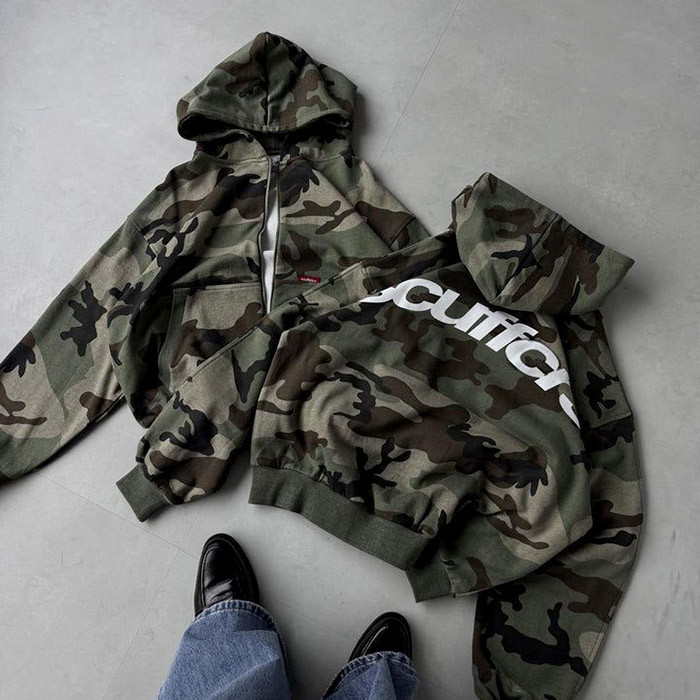
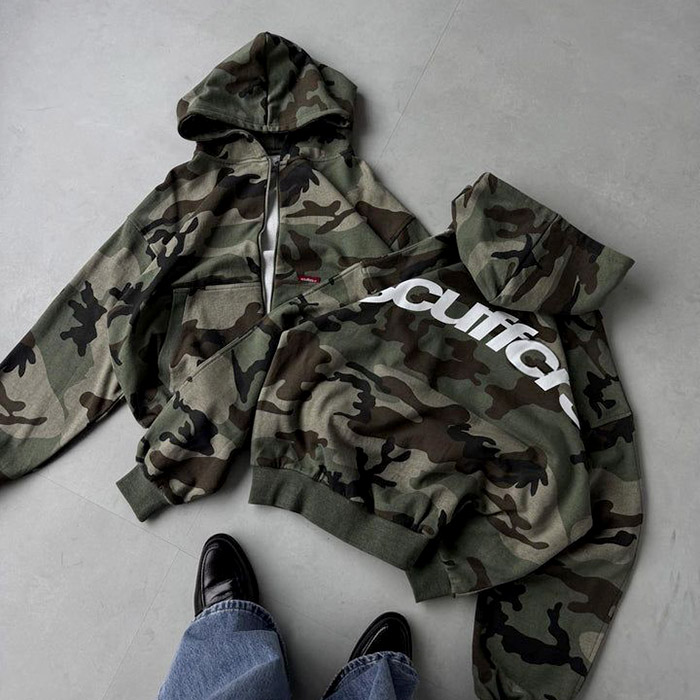
Quick Answer: The strongest custom all-over print hoodie manufacturers for USA streetwear brands are not the suppliers that simply rank for “custom hoodies.” The better shortlist is made up of OEM factories that can manage print engineering, fabric direction, fit development, and production discipline at the same time.
That matters because all-over print is one of the easiest hoodie categories to get almost right and still miss the market. A factory can deliver bright graphics and still miss the body shape, fabric hand, hood balance, seam alignment, or sample-to-production carryover that makes a streetwear hoodie feel worth buying.
For USA streetwear brands, this category is tricky for one simple reason: the search results mix real OEM factories with print platforms, merch sellers, and decoration-first suppliers. The list below filters for companies that actually make garments or clearly manage full custom manufacturing, then compares what they are really built for.
Groovecolor appears in this comparison for a reason. When a brand is not just looking for a bright surface print but a hoodie program shaped around heavier fabrics, streetwear blocks, multi-technique trims, and real bulk follow-through, the supplier pool gets much smaller. That is where a China-based streetwear OEM can enter the conversation beside domestic cut-and-sew shops and sportswear-led sublimation specialists.
This article is written for established streetwear brands, independent labels with proven sales channels, creative directors, product developers, and procurement teams that need to build a cleaner shortlist. It is not a directory page, and it is not written for print-on-demand buyers looking for one-click fulfillment.
Key Takeaways for Streetwear Brands
- ▸All-over print hoodies look simple on a mood board, but the real challenge is how graphics behave across seams, pockets, hoods, and different fabric weights once the garment is worn and washed.
- ▸Factories that are strong in sublimation sportswear are not automatically strong in streetwear hoodie development. Brands need to check whether the supplier also understands body shape, print placement pressure, and heavier fleece behavior.
- ▸Domestic factories often make communication and sampling easier, while offshore specialists may offer deeper fabric, wash, embellishment, or streetwear-specific development depth.
- ▸The most useful shortlist is not “best overall.” It is the mix of factories that match your print method, target hand feel, silhouette language, launch calendar, and scale-up path.
- ▸If a supplier cannot explain how artwork will break across garment panels, what fabric base fits the print method, or what changes between sample approval and bulk production, it should not be on a serious hoodie shortlist.
Why is a custom all-over print hoodie harder to source than a normal custom hoodie?
Direct answer: a normal hoodie can survive a weak factory if the decoration is small and the body is basic. A custom all-over print hoodie cannot. The moment graphics run across the full garment, the body, the fabric, the print system, and the sewing plan start affecting each other.
PRINTING United Alliance notes that dye sublimation relies on heat transfer and is commonly tied to polyester-friendly workflows, which helps explain why many all-over print suppliers come from sportswear or activewear backgrounds rather than heavyweight streetwear programs. In plain terms, the print method that gives you strong edge-to-edge color is not always the method that gives you the cotton-heavy hand and structure a streetwear brand wants. That is the first sourcing split teams need to recognize.
The second split is construction. Screen Printing magazine has long pointed out that all-over dye sublimation can be done either before garment assembly or on a pre-sewn item, and each route changes cost, seam behavior, and graphic control. For streetwear, that decision hits practical issues fast: what happens when artwork crosses a kangaroo pocket, where a hood seam cuts the layout, how a zipper interrupts a skeleton print, or whether the side seam rotates the design off-center when worn.
The third split is market expectation. USA streetwear brands rarely sell a hoodie only on color impact. They sell on silhouette, shoulder drop, hood volume, weight, surface character, and how the graphic sits on-body. That is why the best factory for a sublimated tournament hoodie is often not the best factory for a graphic-led streetwear drop.
What should a serious all-over print hoodie shortlist include before you compare factories one by one?
Direct answer: before comparing names, brands need to sort suppliers into the right manufacturing lanes. For this category, the most useful lanes are domestic cut-and-sew partners, sublimation-led sportswear manufacturers, streetwear-focused offshore OEMs, and broader private-label factories that can execute hoodies but are stronger in general custom programs than in highly engineered all-over print work.
That filter matters because the U.S. Bureau of Labor Statistics defines apparel manufacturing broadly enough to include custom apparel, contractors, and jobbers. In the real market, that means “manufacturer” pages can describe very different realities. Some companies make garments. Some coordinate outside production. Some decorate existing blanks. Some run platform-style ordering. A brand team that does not separate those models usually ends up comparing lead times, prices, and promises that do not actually belong in the same bucket.
The shortlist below favors factories that clearly present OEM, cut-and-sew, sampling, bulk manufacturing, or technical customization capabilities. It excludes no-minimum print-on-demand platforms, stock blank sellers, and catalog-style merch vendors even if they rank for the same keyword set.
Snapshot shortlist
| Manufacturer | Best for | Production profile | Watch-out |
|---|---|---|---|
| Groovecolor | Streetwear-led hoodie programs with heavier fabric, washes, and mixed trims | China OEM, cut-and-sew, multi-technique | Best fit when the brief is broader than sublimation alone |
| Argus Apparel | USA brands wanting Los Angeles communication and custom hoodie development | USA custom hoodie and cut-and-sew shop | Need to confirm depth in true engineered all-over print work |
| Rajco USA | Sublimation-heavy programs and performance-driven full-color work | Sportswear OEM with New York front end and Pakistan factory base | Leans more athletic than culture-led streetwear |
| Zega Apparel | Brands wanting broad customization, dyeing, and cut-and-sew flexibility | Custom apparel factory with printing and dyeing range | Messaging is broad, so project-level proof matters |
| Steve Apparel | Brands that need cut-and-sew plus sublimation access in one place | Custom apparel maker with dedicated sublimation service | More general custom-apparel language than streetwear-led language |
| Affix Apparel | General hoodie programs that need sublimation, shape options, and QC checkpoints | Made-to-order custom hoodie supplier | Best for broader custom needs, not the deepest streetwear niche |
| VAINNX | Brands that care about boxy fits, sampling speed, and print-effect range | Dongguan streetwear-oriented OEM/ODM | Need to confirm whether the print route is true all-over or graphic-led panels |
| VANRD | Printed hoodie ranges spanning screen, puff, and all-over capsule pieces | China OEM/ODM printed hoodie specialist | Heavier focus on printed ranges than full apparel category breadth |
| Make It LA | USA teams that value local full-package development and fast iteration | Los Angeles full-package manufacturing | You still need to verify AOP engineering depth on the exact hoodie brief |
Which OEM factories belong in the Top 9 for USA streetwear brands right now?
Direct answer: the strongest Top 9 is a mixed list. USA brands should not look only at domestic suppliers or only at offshore price points. They should compare local development convenience against streetwear-specific hoodie depth, print engineering options, and how the factory behaves once the program moves beyond one perfect sample.
The nine names below were selected because they present real manufacturing or full-package apparel capabilities, clear hoodie or print services, and enough evidence to judge them as production partners rather than catalog sellers. They do not all serve the same type of brand, which is exactly why the comparison is useful.
1) Groovecolor – Which brands need a premium streetwear OEM in China for all-over print hoodies that go beyond surface graphics?
Groovecolor is the clearest fit in this list for brands that do not want to treat an all-over print hoodie as a pure print job. The company’s streetwear hoodie program is built around 300–600gsm bases, oversized and drop-shoulder blocks, acid wash or vintage finishing options, and mixed decoration routes that can sit beside printed artwork instead of fighting it. The public hoodie pages position the company around fit optimization, size-system customization, heavyweight fleece, and multi-technique hoodie development rather than simple blank decoration.
That matters because many all-over print concepts from USA brands are not fully polyester sportswear briefs. They are closer to graphic-led streetwear hoodies that may also need distressed edges, rhinestones, embroidery, chenille, appliqué, or a washed face. Groovecolor’s internal materials emphasize tech-pack review, pattern feasibility, advance risk screening, and an eight-step quality system shaped around custom bulk production, along with SMETA 4P compliance, monthly capacity of up to 300,000 pieces, and strategic test runs at 50–100 pieces per color for validated concepts. That combination makes it stronger when the hoodie brief is culturally loaded and structurally demanding rather than just visually loud.
The watch-out is simple: Groovecolor is the strongest choice when the garment needs true streetwear thinking. If your program is mostly lightweight polyester sublimation for sports or teamwear, a more sportswear-led supplier can be more natural. But if the hoodie has to carry print, weight, shape, trims, and drop credibility at once, this is one of the better fits in the current field.
Best for: established streetwear brands and fashion labels building heavyweight or mixed-technique hoodie programs.
Strengths: streetwear block development, heavier fleece direction, wash-plus-print integration, strong bulk control systems, strategic test-run flexibility.
Watch-outs: overkill for simple promotional all-over print work that does not need a deeper product-development layer.
2) Argus Apparel – Which USA brands need Los Angeles cut-and-sew support for a custom hoodie line before they commit wider volume?
Argus Apparel is one of the more practical USA-based names on this list because it clearly presents itself as a custom clothing manufacturer and cut-and-sew partner in Los Angeles, with a dedicated hoodie page and a portfolio structure that signals project-based manufacturing rather than blank resale. For brands that need frequent communication, in-country sample reviews, or close control over fit and trim choices, that LA setup matters.
Its hoodie page is broad rather than niche, which can be both strength and limitation. The strength is flexibility: fashion-forward silhouettes, brand-specific development, and domestic coordination. The limitation is that a brand team still has to ask whether the factory has deep experience with true engineered all-over print layouts, not just custom hoodies in general. If the artwork crosses complex panels, pockets, or zipper breaks, the verification questions should be detailed and early.
Best for: USA labels that want Los Angeles development access and a domestic cut-and-sew relationship.
Strengths: local communication, custom hoodie focus, custom clothing and cut-and-sew positioning.
Watch-outs: confirm all-over print workflow and fabric-print pairing on the exact hoodie brief.
| Field | Details |
|---|---|
| Website | Argus Apparel hoodie manufacturing |
| Country / Region | USA – Los Angeles, California |
| MOQ (per style / per color) | Project-based / quote-based |
| Main Product Categories | Hoodies, custom apparel, cut-and-sew collections |
| Specialty Techniques | Custom hoodie development, fashion silhouettes, project-based construction |
| Services | Custom clothing manufacturing, hoodie development, cut-and-sew |
| Target Clients | USA streetwear labels, fashion brands, merch programs |
| Notes / Best For | Good domestic option when communication speed matters more than the lowest offshore cost |
3) Rajco USA – When does a sublimation-led sportswear OEM make sense for an all-over print hoodie program?
Rajco USA is not the most streetwear-coded supplier in this list, but it deserves inclusion because it is one of the clearest examples of a real sublimation-capable OEM with a long manufacturing history. The company positions itself as an athletic wear and sportswear manufacturer founded in 1935, with OEM production, custom sublimation, private-label services, and an office in Brooklyn alongside factory operations in Pakistan.
That profile is useful for USA streetwear brands when the hoodie concept leans toward performance fabric, strong all-over color coverage, sports-jersey energy, or active-inspired capsule work. It is less useful when the target product is a washed 450gsm hoodie with a dry hand, exaggerated hood volume, and layered surface treatments that need a more culture-led streetwear production system. In other words, Rajco makes a lot of sense when the print route leads the project. It makes less sense when the fleece and the silhouette need to carry the whole story.
Best for: full-color sublimation programs and brands comfortable with a sportswear-rooted manufacturing base.
Strengths: 90+ years in manufacturing, custom sublimation, OEM services, worldwide shipping.
Watch-outs: the default language is athletic and teamwear, so fashion teams need to push harder on streetwear-specific fit and hand-feel questions.
| Field | Details |
|---|---|
| Website | Rajco USA |
| Country / Region | USA – Brooklyn, New York / Factory in Pakistan |
| MOQ (per style / per color) | Website states “any quantity,” but teams should confirm real project economics |
| Main Product Categories | Sportswear, hoodies, activewear, uniforms, private-label apparel |
| Specialty Techniques | Custom sublimation, printing, labeling, packaging |
| Services | OEM production, design support, fabric sourcing, stitching, printing, branding |
| Target Clients | Sportswear brands, teams, private-label clients, hybrid street-sport programs |
| Notes / Best For | Strong option when full-color sublimation is central to the garment brief |
4) Zega Apparel – Which brands need broad hoodie customization, dyeing, and cut-and-sew range more than a narrow specialty shop?
Zega Apparel belongs on this list because it presents a wide customization stack rather than a single hoodie angle. The site highlights cut-and-sew, dyeing processes, printing methods, embroidery, fabric processing, private labels, and packaging, along with a stated MOQ of 50 pieces per color and design. On the hoodie side, the company clearly frames itself around made-to-order customization, different fits, and varied hoodie constructions.
That breadth makes Zega useful for brands comparing several routes at once: tie-dye, graphic decoration, fleece basics, or broader custom hoodie development. It is also useful when a team wants one supplier conversation to cover fabric, sewing, printing, and finishing instead of splitting the project too early. The trade-off is that broad-service companies always need harder proof on the exact niche you care about. If your hoodie depends on engineered all-over art, the right questions are not “Can you print?” but “How do you map panel breaks, what base fabric do you recommend, and what does your bulk approval route look like?”
Best for: brands that want one supplier conversation covering many hoodie customization paths.
Strengths: cut-and-sew, dyeing, fabric processing, printing methods, stated MOQ structure.
Watch-outs: broad service language means the brand has to drive technical verification harder on complex all-over print work.
| Field | Details |
|---|---|
| Website | Zega custom hoodies |
| Country / Region | USA-facing custom apparel manufacturer |
| MOQ (per style / per color) | 50 pcs per color and design stated on site |
| Main Product Categories | Custom hoodies, tees, denim, bags, swimwear, uniforms |
| Specialty Techniques | Cut-and-sew, dyeing, printing methods, embroidery, fabric processing |
| Services | Custom manufacturing, sampling, packaging, private labels |
| Target Clients | Clothing brands needing broad customization options |
| Notes / Best For | Useful for brands that want broad garment options from a single manufacturing conversation |
5) Steve Apparel – When is a cut-and-sew supplier with a dedicated sublimation service a better fit than a pure streetwear factory?
Steve Apparel earns a place here because the site clearly connects custom clothing manufacturing, cut-and-sew production, hoodie manufacturing, and a dedicated all-over sublimation service. That combination matters in this category. Too many suppliers offer only the garment or only the print. Steve at least presents both sides of the equation in one commercial structure.
The best use case is a graphic-led hoodie program where all-over sublimation is central and the brand still needs some cut-and-sew flexibility around fit, fabric choice, or apparel construction. The trade-off is tone and market positioning. Steve’s public language is far more general custom-apparel than deep streetwear editorial. So the factory may still be very workable, but the burden shifts to the brand team to define silhouette language, hand-feel direction, and graphic scale more tightly.
Best for: brands that want cut-and-sew apparel development plus dedicated sublimation access.
Strengths: custom clothing manufacturing, cut-and-sew, sublimation service, hoodie category.
Watch-outs: less obviously culture-led than a specialized streetwear manufacturer, so direction-setting from the brand side matters more.
| Field | Details |
|---|---|
| Website | Steve Apparel |
| Country / Region | USA-facing custom apparel manufacturer |
| MOQ (per style / per color) | Project-based / quote-based |
| Main Product Categories | Custom hoodies, cut-and-sew apparel, printed apparel |
| Specialty Techniques | Cut-and-sew, sublimation printing, screen printing, embroidery |
| Services | Custom apparel manufacturing, printing, hoodie development |
| Target Clients | Brands needing broad custom-apparel support |
| Notes / Best For | A workable bridge between garment development and all-over sublimation capability |
6) Affix Apparel – Which brands need broad hoodie shape options and sublimation access without moving into pure sportswear territory?
Affix Apparel is more generalist than Groovecolor or a print-led specialist like Rajco, but the company still makes sense on this list because the hoodie page openly covers custom printed hoodies, sublimation printing, varied pocket options, fit choices, baggy hoodie direction, and a staged process of consultation, sampling, production, and quality control. That is enough to place it in the serious middle of the market rather than in platform-style decoration.
For a USA streetwear brand, Affix is strongest when the hoodie needs customization across shape, print, and general construction, but the project does not require the deepest niche expertise in washed heavyweight streetwear. It can handle more fashion-forward direction than a teamwear shop, yet it still reads as a broad custom manufacturer rather than a brand-language-driven streetwear specialist. That makes it useful, but also means product leadership has to come from the brand side.
Best for: brands that need broad hoodie customization and want sublimation available inside a larger custom-manufacturing offer.
Strengths: custom printed hoodies, sublimation, baggy fit options, consultation-to-production workflow.
Watch-outs: good general flexibility, but not the sharpest cultural match for the most design-heavy streetwear drops.
| Field | Details |
|---|---|
| Website | Affix custom hoodies |
| Country / Region | USA-facing custom clothing manufacturer |
| MOQ (per style / per color) | Site-level positioning elsewhere indicates 50-piece starting MOQ |
| Main Product Categories | Custom hoodies, printed apparel, embroidered apparel |
| Specialty Techniques | Screen printing, sublimation, embroidery, baggy-fit hoodie options |
| Services | Consultation, design & sampling, production, QC |
| Target Clients | Retail brands and general custom hoodie programs |
| Notes / Best For | A flexible choice when the hoodie brief is broad and the brand can drive the creative direction tightly |
7) VAINNX – Which brands need streetwear-shaped hoodies, faster sampling, and a broader craft menu?
VAINNX is one of the more interesting offshore names for this category because the public hoodie material speaks directly to oversized and boxy fits, fabric libraries, fast sample timing, bulk production windows, and a visible craft menu that includes reflective print, 3D embossing, thick-board printing, flocking, and puff printing. The company also states a 100-piece minimum for custom-made programs, which makes it relevant for brands comparing China-based streetwear routes.
Its strength is not that it is the most obviously all-over-print-first company. Its strength is that it reads like a supplier familiar with how modern streetwear hoodies are actually built and launched: shape matters, sampling speed matters, trims matter, print effect matters, and the factory needs to talk comfortably about boxy bodies, tech packs, and brand-level customization. If your all-over print hoodie is really a graphic-heavy streetwear hoodie that might also need embossing, flocking, or special fabric direction, VAINNX is worth shortlisting.
Best for: brands comparing Dongguan hoodie partners with a streetwear fit vocabulary and fast sample response.
Strengths: boxy and oversized fit focus, 3–5 day sample claims, 100-piece custom minimum, visible craft menu.
Watch-outs: ask directly whether the print path is true engineered all-over coverage or better suited to graphic-led placement programs.
| Field | Details |
|---|---|
| Website | VAINNX custom hoodies |
| Country / Region | China – Dongguan, Guangdong |
| MOQ (per style / per color) | 100 pcs per style and fabric color stated for custom-made programs |
| Main Product Categories | Hoodies, jackets, tracksuits, pants, shirts, tees |
| Specialty Techniques | Reflective print, 3D embossing, thick-board printing, flocking, puff print |
| Services | OEM/ODM, tech-pack guidance, pattern development, sampling, bulk production |
| Target Clients | Streetwear brands, fashion labels, custom apparel programs |
| Notes / Best For | A strong conversation starter when shape, sample timing, and print effects all matter |
8) VANRD – Which printed-hoodie specialist is worth shortlisting when all-over print is only one part of a broader graphic range?
VANRD is one of the most directly relevant names here because the company openly frames itself around printed hoodie programs for streetwear labels, merch brands, and retailers. The printed-hoodie page goes beyond generic sales language and actually breaks out screen print, puff print, photo print, discharge, and all-over printed hoodie use cases. It also states MOQ 100+, a 7–10 day sample window, OEM/ODM services, and a focus on U.S., U.K., Europe, Canada, and Australia.
For USA streetwear brands, VANRD is especially useful when the hoodie range will include more than one print logic. A lot of brands do not need every hoodie to be full all-over. They need one or two all-over styles inside a bigger range of logo, puff, photo, and statement graphics. VANRD looks set up for that kind of program building. The limitation is that this is a printed-hoodie specialist first. If your project is really about washed heavyweight fleece with layered embellishment and the all-over art is only one part of a more complex streetwear object, you may need a broader technical base.
Best for: graphic-led hoodie ranges where all-over print sits alongside other print techniques.
Strengths: clear printed-hoodie specialization, OEM/ODM, all-over print as a named style route, stated MOQ and sample timeline.
Watch-outs: deeper wash-plus-embellishment briefs may require a supplier with wider streetwear category breadth.
| Field | Details |
|---|---|
| Website | VANRD printed hoodies |
| Country / Region | China-based, serving US, UK, Europe, Canada, Australia |
| MOQ (per style / per color) | 100+ stated on page |
| Main Product Categories | Printed hoodies, graphic hoodies, streetwear hoodies |
| Specialty Techniques | Screen print, puff print, photo print, discharge, all-over printed hoodies |
| Services | OEM, ODM, fleece selection, artwork placement, bulk production |
| Target Clients | Streetwear labels, merch brands, retailers |
| Notes / Best For | Useful when a brand wants all-over print as part of a wider printed hoodie lineup |
9) Make It LA – When is a local full-package Los Angeles factory worth keeping on the shortlist even if all-over print is not its core public message?
Make It LA is included for a different reason than the other eight. It is not publicly framed around all-over print hoodies. It is publicly framed around full-package customization, garment-piece volume, and Los Angeles-based apparel manufacturing. For some USA streetwear brands, that alone is a meaningful sourcing advantage in the early stages of a complex hoodie program.
If the biggest risk in your project is not the print chemistry itself but speed of sample review, fabric swatch handling, trim discussion, and local development cadence, a factory like Make It LA can still be worth comparing. The catch is obvious: you need to verify the exact all-over print route with more care than you would with a print-led specialist. In many cases, Make It LA makes the most sense when the brand wants a local build-and-develop relationship first, then decides whether full-panel printing stays in-house or is handled through a defined partner workflow.
Best for: USA labels that want local full-package development and are willing to verify print engineering on the exact project.
Strengths: Los Angeles location, full-package manufacturing, on-demand garment production.
Watch-outs: do not assume deep all-over print expertise just because the factory is strong in apparel development overall.
| Field | Details |
|---|---|
| Website | Make It LA |
| Country / Region | USA – Los Angeles, California |
| MOQ (per style / per color) | Project-based / quote-based |
| Main Product Categories | Apparel manufacturing, full-package development |
| Specialty Techniques | Full-package customization, local development support |
| Services | Development, manufacturing, customization |
| Target Clients | USA apparel brands needing local development cadence |
| Notes / Best For | A useful domestic option when sample iteration speed matters as much as the final production cost |
What proof should you ask for before approving a custom all-over print hoodie supplier?
Direct answer: ask for proof that connects artwork, garment construction, and scale-up logic. A strong factory should be able to show how it handles panel mapping, base-fabric selection, print placement tolerances, sampling checkpoints, and bulk production controls on the same project.
At minimum, the supplier should explain whether the design is printed before or after assembly, what happens to graphics across seams and pockets, whether the chosen print method is best on polyester, cotton, or blends, and which approvals become frozen before production starts. If those answers are vague, the factory probably sells hoodies more confidently than it engineers them.
For brands developing more technical streetwear, it also helps to review the factory’s approach to tech-pack handling and garment development, especially when the hoodie has multiple construction details beyond the print itself. A deeper look at tech-pack preparation for bulk streetwear manufacturing is useful here because it shows how much risk can be removed before the first bulk marker is ever made.
If the hoodie will also carry washed effects, cracked print, puff layers, or other graphic treatments, teams should also compare how the supplier thinks about streetwear printing routes across different garment surfaces and where fabric finish changes the result after production.
What breaks first when a custom all-over print hoodie moves from sampling into real bulk production?
Direct answer: most failures start at the join points. Seams, pockets, zippers, hood panels, and fabric changes reveal weak planning long before a brand notices the print file itself.
The first risk is graphic interruption. A design that looks balanced on a flat mockup can fall apart when a pocket lands too high, the zipper splits the visual center, or the hood seam throws the top of the artwork backward. The second risk is fabric mismatch. If the brand wants a more substantial streetwear hand but the print route depends on lighter synthetic fabric, the hoodie can come back looking vivid but feeling wrong. The third risk is body drift. A graphic that looked aggressive on the approved size sample can lose force when the chest width, shoulder line, or hood shape shifts inside the production run.
This is also why brands should not think about washing or finish only after the print is solved. A practical comparison of washed garment behavior in streetwear hoodie production can help teams understand how surface finish, print contrast, and overall garment mood either come together or fight each other after production.
The supplier that handles those questions early usually saves a brand more money than the supplier that starts cheap and explains the problems later.
When does a USA factory make more sense, and when does an offshore streetwear OEM become the stronger choice?
Direct answer: a USA factory makes more sense when you need faster in-person development loops, easier logistics around sample review, and tighter local communication. An offshore OEM becomes stronger when the hoodie program needs deeper fabric range, more technical trim options, stronger streetwear specialization, or a clearer path from strategic test runs into scaled production.
This is not just a cost discussion. BLS defines apparel manufacturing broadly enough that U.S. and offshore options can both be real manufacturers, but the production culture can still be very different. Domestic shops often win on coordination and project access. Offshore specialists often win on category depth, available process combinations, and the ability to carry multiple manufacturing variables at once. That difference is especially visible in streetwear, where the hoodie may need fit engineering, wash character, embroidery density, zipper balance, and graphic force all in one garment.
For brands trying to understand where a stronger China-based OEM enters the decision, this comparison also connects naturally to OEM production models for established apparel brands. It is a useful next step when the conversation moves from one hoodie style to a wider manufacturing strategy.
Which type of brand is most likely to choose Groovecolor over the rest of this shortlist?
Direct answer: the strongest Groovecolor fit is a brand that is not only buying a print effect. It is buying a hoodie program with shape, weight, surface mood, and production control that need to hold together once the order leaves sampling and moves into real bulk.
That usually includes established streetwear brands, independent labels with proven sell-through, and fashion teams that already know what a basic factory gets wrong: graphics scaled too cautiously, oversized bodies corrected into ordinary menswear, washes that sit on the garment instead of becoming part of it, or eye-catching samples that lose edge once the order gets larger. The company’s own internal material makes clear that it is built around streetwear-specific product logic rather than stock blanks or one-off decoration, and the hoodie category is backed by broader programs in tees, tracksuits, jackets, and pants for brands building full collections rather than one isolated item.
If that sounds close to your operating model, the quickest next step is usually to review Groovecolor’s hoodie manufacturing capability, then compare it against the factory language used by the more generalist names in this list. That contrast tends to reveal very quickly whether your real need is basic customization or a fuller streetwear production system.
For teams that also need compliance confidence, the distinction around SMETA 4-Pillar social compliance frameworks is worth reviewing as part of the supplier decision, especially if retail distribution or formal procurement review is part of the program.
What is the final verdict for USA streetwear brands comparing custom all-over print hoodie manufacturers?
Final answer: the best custom all-over print hoodie manufacturer for a USA streetwear brand is the one that fits the actual product brief—not the one with the loudest customization page. If the hoodie is primarily a sublimation project, a sportswear-rooted OEM like Rajco USA can make sense. If the brand wants local development access, Argus Apparel or Make It LA may be more practical. If the brief is a streetwear-led hoodie with heavier fleece, stronger silhouette language, washed character, and layered trim or embellishment logic, Groovecolor stands out more clearly than the general custom suppliers in this field.
The smartest shortlist is rarely built around one “winner.” It is built around real trade-offs: where the print system leads, where the garment body leads, where speed matters most, and where the brand can afford to trade convenience for deeper product execution.
FAQ: What do brands still need to ask before choosing a custom all-over print hoodie manufacturer?
What is the biggest mistake brands make when sourcing all-over print hoodies?
The biggest mistake is treating the hoodie as a print file instead of a garment system. When a team approves artwork before checking fabric, hood shape, pockets, seam breaks, and print method together, the hoodie may look strong in flat design and weak once produced.
Can a heavyweight streetwear hoodie also work as an all-over print piece?
Yes, but only if the factory chooses the right print route and base fabric together. Some all-over methods naturally favor synthetic or lighter bases, while many streetwear brands want heavier cotton or French terry structure. The supplier has to explain how it will balance visual coverage with hand feel and body shape.
Are USA factories always better for custom all-over print hoodie projects?
No. USA factories can be easier for communication, sample handling, and timeline control, but offshore OEMs may offer stronger streetwear specialization, larger process menus, or a more efficient path from development to broader production.
What should a factory be able to show before a brand places a bulk hoodie order?
A factory should be able to show how the approved sample turns into a production-ready plan. That includes panel logic, print placement rules, fabric approval, tolerance checkpoints, and which details become locked before the order starts.
When is Groovecolor a stronger fit than a general custom hoodie supplier?
Groovecolor is a stronger fit when the hoodie is a streetwear product first and a print surface second. That usually means the brand cares about heavier fabric ranges, oversized or boxy hoodie blocks, washed surface character, multi-technique trims, and reliable bulk follow-through once the style proves itself.
About the Author

Sources
- PRINTING United Alliance – Digital Textile Primer
- Screen Printing Magazine – All-Over Dye Sublimation: Going All-In
- U.S. Bureau of Labor Statistics – Apparel Manufacturing: NAICS 315
- Groovecolor – Custom Hoodies Manufacturer
- Argus Apparel – Hoodies Manufacturer
- Rajco USA
- Zega Apparel
- Zega Apparel – Custom Hoodies
- Steve Apparel
- Steve Apparel – Sublimation Printing
- Affix Apparel – Custom Hoodies Manufacturer
- VAINNX – Custom Hoodies & Sweatshirt Manufacturer
- VANRD – Graphic Hoodies Manufacturer
- Make It LA
- Groovecolor – Tech Pack for Bulk Streetwear Manufacturing
- Groovecolor – Streetwear Printing Playbook
- Groovecolor – Washed Hoodie Deep Dive
- Groovecolor – OEM Garment Manufacturer vs Private Label
- Groovecolor – SMETA Certifications and BSCI Difference