Top 9 Hoodie Manufacturers in Europe for Luxury Streetwear Brands and Men's Cut-and-Sew Programs
- Share
- publisher
- GROOVECOLOR
- Issue Time
- May 20,2026
Summary
Compare 9 European hoodie and apparel OEM factories for luxury streetwear brands through the factors that actually affect premium product development: jersey and fleece capability, fit control, sampling structure, MOQ logic, decoration options, and bulk readiness. This guide explains where Portugal, Turkey, the UK, and Italy fit, which factories are worth shortlisting, what trade-offs to expect, and how to benchmark Europe against stronger global OEM paths when scale matters.
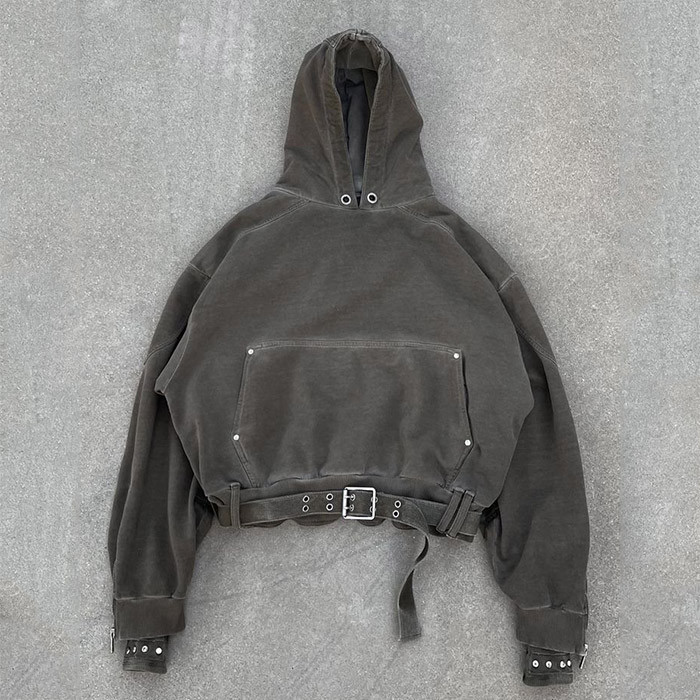
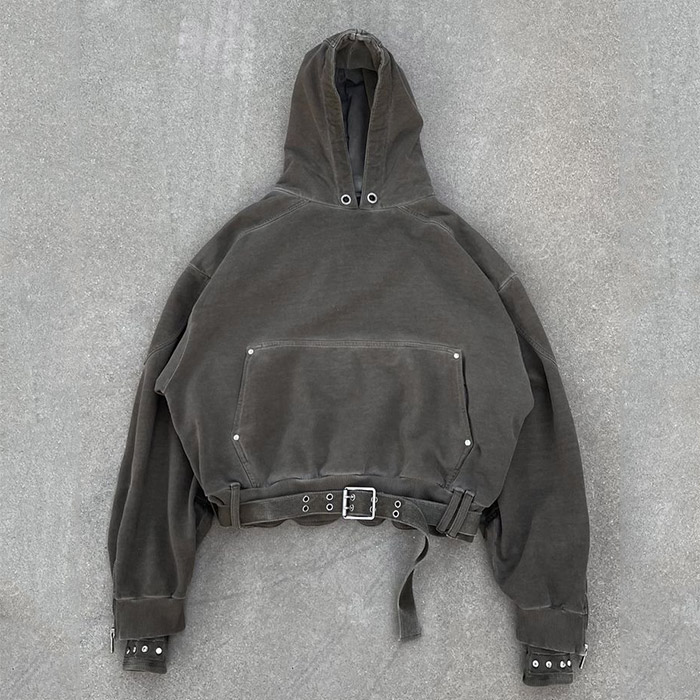
Europe still matters for premium hoodie sourcing, but not for the lazy reasons brands repeat in supplier decks. The real value is not a passport stamp; it is access to development-heavy jersey and fleece programs, easier factory visits for EU and UK teams, stronger regulatory visibility, and shorter logistics windows once production is complete. At the same time, a European address alone does not prove that a factory can handle oversized fits, heavyweight French terry, or the sample-to-bulk discipline luxury streetwear needs. That is why brands benchmarking European suppliers against a more technique-driven global reference such as Groovecolor usually end up asking better questions about fit control, wash execution, and real bulk readiness.
This shortlist is written for fashion teams that are already selling, already developing collections, and already feeling the pressure of getting heavyweight hoodies, matching sweatpants, and cut-and-sew tops right under commercial timelines. It is not a roundup of blank suppliers, no-tech-pack studios. Instead, it compares European factories through the lens that actually matters to established streetwear brands: product category depth, fabric range, pattern and fit capability, decoration options, MOQ logic, sampling structure, and the trade-offs that show up once orders move beyond beautiful first samples. Where the OEM model itself becomes part of the decision, the broader OEM garment manufacturer path comparison is a useful companion read because it clarifies why custom development and stock-based private label solve very different problems.
Key Takeaways for Streetwear Brands
- ▸Portugal remains the strongest European cluster for premium jersey, fleece, and hoodie development, especially when brands value fabric quality, sample communication, and short transit times inside Europe.
- ▸Factories worth shortlisting are the ones that can explain fabric behavior, fit engineering, wash or print implications, and bulk execution risk before production starts.
- ▸Some European suppliers are excellent at premium sampling but less convincing when programs expand into repeated seasonal production, coordinated sets, or technique-heavy drops.
- ▸Turkey can make more sense than Portugal when cotton-heavy programs, faster capacity access, or broader cost-pressure management matter more than “Made in Portugal” positioning alone.
- ▸The best benchmark is not “Europe versus China” in the abstract. It is whether a supplier can protect silhouette, surface treatment, and production discipline once a collection moves from development into repeatable bulk.
Why are luxury streetwear brands still shortlisting hoodie manufacturers in Europe?
Europe remains relevant because it offers a specific sourcing mix that many luxury streetwear programs still value: established textile clusters, relatively easy factory access for regional teams, and stronger visibility around environmental and due-diligence expectations. EURATEX reports that the EU textile and clothing industry still spans nearly 200,000 companies and around 1.3 million workers, which helps explain why deep specialization survives in Portugal, Italy, and other regional manufacturing pockets.[1] For brands whose calendars depend on frequent sampling, fit reviews, and close material conversations, that concentration still matters.
The caution is just as important. The European Commission's textiles strategy makes clear that the region is moving under tighter sustainability, circularity, and product responsibility expectations, while the OECD's garment guidance continues to push brands toward stronger supply-chain due diligence.[2][3] That is good for procurement teams who want better process visibility, but it also means brands should stop romanticizing “European production” as a magic shortcut. A European factory that cannot manage grading, sample approval, decoration tolerance, or bulk risk is still the wrong factory.
What should put a European hoodie factory on a serious OEM shortlist?
A serious shortlist starts with one question: can the factory build your product from a tech pack, not just decorate an existing blank? For luxury streetwear, that means pattern development, graded sizing, fabric sourcing, and the ability to discuss shrinkage, rib recovery, hood structure, surface treatment, and decoration method in one conversation. If a supplier treats those as separate departments that never meet, the brand usually pays for that fragmentation later.
The second filter is bulk reality. Ask how many sample revisions are typical, whether the factory reserves a line for development, what happens when embroidery density changes the hand feel, and how they handle a matching top-and-bottom program when color, wash, or shrinkage shifts. A useful internal benchmark here is the more technical discussion around preparing a tech pack for bulk streetwear manufacturing, because it frames the kind of front-end detail a real OEM partner should be able to read, challenge, and execute.
Quick shortlist summary
1) ASBX – Premium hoodie and fleece specialist in Portugal
ASBX is most relevant for brands that want Portugal-made jersey and fleece programs with a strong premium streetwear vocabulary. The company positions itself around high-quality hoodies, sweatshirts, French terry, and fleece production, and its own site repeatedly frames Portugal as a practical home for premium hoodie development rather than a generic low-cost sourcing destination.
For luxury streetwear teams, the appeal is clear: ASBX talks directly about high-quality hoodies, French terry, fleece, and tech-pack-led custom development, which aligns well with heavyweight pullover and zip-up programs. The trade-off is also visible on the same site.
Best for: Best when custom-made hoodies and premium jersey development are the core need, not just one-off graphic blanks.
Strengths: Hoodies, sweatshirts, jersey tops, fleece programs, premium casualwear, French terry and fleece development, embroidery, print, brand labeling, and Custom development, sampling, production, private label and blank options.
Watch-outs: Match the factory's public positioning against your actual need for heavyweight hoodie engineering, grading, and repeat seasonal bulk execution before moving from sample approval to production.
If your team is comparing European sourcing against a more technique-heavy OEM benchmark, keep both the factory visit experience and the production system in view.
Review the OEM decision framework2) RTG Textiles – Development-friendly apparel manufacturer in Portugal
RTG Textiles stands out for teams that need a development-heavy factory relationship rather than a simple order-taking vendor. On its site, RTG emphasizes sample capacity, continuous client communication, quality control, and the ability to handle everything from basic cuts to advanced fashion silhouettes in Barcelos.
That makes RTG interesting for luxury streetwear labels building coordinated drops across tees, sweatshirts, jackets, and hoodies rather than a single hero style. The company also explains that some elements such as prints, textile sourcing, and embroideries are handled by specialist subcontractors while other steps remain in-house. That is not automatically a weakness, but it does mean procurement teams should ask harder questions about process ownership, approvals, and who controls each critical finish point.
Best for: Best for brands that want a Portugal factory with a dedicated sample culture and broad casualwear range.
Strengths: T-shirts, sweatshirts, polos, dresses, jackets, casualwear, hoodies, Sample development, cutting and sewing, washing, quality control, and Pattern development support, sampling, production coordination, packaging.
Watch-outs: Match the factory's public positioning against your actual need for heavyweight hoodie engineering, grading, and repeat seasonal bulk execution before moving from sample approval to production.
If your team is comparing European sourcing against a more technique-heavy OEM benchmark, keep both the factory visit experience and the production system in view.
Review the OEM decision framework3) Lopes & Carvalho – Jersey and fleece manufacturer for premium basics and sweats
Lopes & Carvalho is one of the more useful Portugal names when a brand's brief revolves around jersey and fleece rather than complex woven tailoring. Public descriptions of the company consistently identify it as a specialist in jersey and fleece garments, which puts it directly in the conversation for premium hoodies, sweatshirts, and other knit-heavy streetwear categories.
The fit here is strongest for brands that want dependable knit and fleece capability without chasing the loudest marketing story. Because the public site is lighter on detailed hoodie-specific technical content than some competitors, a brand team should use the first meeting to test how deeply the factory can talk about rib tension, wash response, brushed versus loopback interiors, and grading discipline in oversized fits. If those answers are strong, it can be a very credible shortlist option.
Best for: Best for hoodie and sweatshirt programs that live or die on knit and fleece quality.
Strengths: Jersey garments, fleece garments, casual knit apparel, Knit and fleece production, broader apparel support through local network, and Manufacturing, sourcing, category support across knit-led garments.
Watch-outs: Match the factory's public positioning against your actual need for heavyweight hoodie engineering, grading, and repeat seasonal bulk execution before moving from sample approval to production.
If your team is comparing European sourcing against a more technique-heavy OEM benchmark, keep both the factory visit experience and the production system in view.
Review the OEM decision framework4) FashionTeam – Process-focused Portuguese factory for concept-to-delivery programs
FashionTeam is a more process-led option in Portugal. Its website outlines a clear concept-to-delivery flow: client requirement analysis, material selection, in-house sample development, production coordination, quality control, packaging, and logistics management. That is useful for labels that want one conversation to cover design intent, fabrics, samples, and delivery rather than stitching those pieces together across multiple contacts.
The trade-off is that FashionTeam's positioning is broader than pure streetwear. It serves casual, formal, and sportswear categories and as well as established brands. For a luxury streetwear label, that means the factory should be judged less by its homepage language and more by the evidence it can show in hoodies, sweats, oversized fits, and graphic-sensitive cut-and-sew work.
Best for: Best for teams that value structured project handling and a straightforward Portuguese production process.
Strengths: Casualwear, sportswear, premium apparel, hoodies, knit basics, Sampling, quality control, production coordination, logistics, and Concept support, materials, samples, production, delivery management.
Watch-outs: Match the factory's public positioning against your actual need for heavyweight hoodie engineering, grading, and repeat seasonal bulk execution before moving from sample approval to production.
If your team is comparing European sourcing against a more technique-heavy OEM benchmark, keep both the factory visit experience and the production system in view.
Review the OEM decision framework5) Valérius HUB – Responsible-fashion manufacturing ecosystem in Portugal
Valérius is relevant when sustainability and circularity are not just brand language but active sourcing criteria. Public information around the group centers on responsible fashion making, circular systems, and broader ecosystem thinking rather than a single narrow product category. That makes it especially interesting for brands whose investors, retailers, or internal sourcing teams need to see a stronger environmental framework alongside product development.
The practical watch-out is that Valérius is not pitched publicly as a hoodie-first streetwear specialist in the same way ASBX is. Teams should therefore verify how the group's circular or responsible-fashion strengths translate into the exact hoodie program they want to build: GSM range, fleece options, decoration methods, sample cadence, and bulk line discipline. If those answers fit, the sourcing value can be considerable.
Best for: Best for labels that need Portugal manufacturing plus a stronger sustainability story in the supplier mix.
Strengths: Fashion apparel, responsible and circular production programs, Circularity focus, responsible-fashion systems, broader product development, and Product development, manufacturing ecosystem support, sustainability-oriented sourcing.
Watch-outs: Match the factory's public positioning against your actual need for heavyweight hoodie engineering, grading, and repeat seasonal bulk execution before moving from sample approval to production.
If your team is comparing European sourcing against a more technique-heavy OEM benchmark, keep both the factory visit experience and the production system in view.
Review the OEM decision framework6) Create Fashion Brand – Mixed OEM and customizable-blanks operator in Portugal
Create Fashion Brand is a more complicated shortlist entry, which is exactly why it belongs in a serious comparison article. On one side, it clearly offers a true cut-and-sew route with custom development from scratch and a published MOQ starting at 150 units for that path. On the other, it also offers blanks customization and wholesale blanks, which means not every part of the business is speaking to the same type of client.
For established streetwear brands, the useful way to read CFB is not as a pure hoodie specialist, but as a Portugal option that can serve custom development if the brief is clearly structured and the team arrives with a real tech pack. The watch-out is obvious: if your brand wants a factory relationship built entirely around original OEM work, you need to stay firmly on the custom-development side of the conversation and avoid drifting into stock-based shortcuts that solve a different problem.
Best for: Best when a brand wants Portugal production and has a clear tech pack-led custom brief.
Strengths: Custom garments, hoodies, shirts, jackets, denim, blanks, Embroidery, screen print, DTG, labeling, sample development, and Cut-and-sew development, customizable blanks, private label options.
Watch-outs: Match the factory's public positioning against your actual need for heavyweight hoodie engineering, grading, and repeat seasonal bulk execution before moving from sample approval to production.
If your team is comparing European sourcing against a more technique-heavy OEM benchmark, keep both the factory visit experience and the production system in view.
Review the OEM decision framework7) Mert İpek – Natural-fibre Turkish manufacturer with weaving, knitting, garment, and printing
Mert İpek is one of the more distinctive Turkish options because its public presentation emphasizes natural fibres and a vertically broader production structure that includes weaving, knitting, garment, and printing. That profile makes it more interesting than a generic sourcing intermediary for brands that want Turkey in the conversation but still care about material character and development control.
It is not a streetwear-marketed hoodie specialist, so this is not the factory to choose just because the title of your project contains the word hoodie. It becomes relevant when your brand wants Turkey's practical advantages while working with more material-led briefs, natural-fibre programs, or cut-and-sew development that extends beyond conventional fleece basics. The right question is whether the factory's fibre-first strength aligns with your collection language.
Best for: Best for teams that want Turkey in the shortlist but need more than generic mass cotton basics.
Strengths: Natural-fibre garments, woven and knit apparel, technical ready-made clothing, Weaving, knitting, garment production, printing, natural-fibre development, and Material development, garment production, broader integrated textile support.
Watch-outs: Match the factory's public positioning against your actual need for heavyweight hoodie engineering, grading, and repeat seasonal bulk execution before moving from sample approval to production.
If your team is comparing European sourcing against a more technique-heavy OEM benchmark, keep both the factory visit experience and the production system in view.
Review the OEM decision framework8) Clothing Manufacturers UK – In-house London production with broad bespoke support
Clothing Manufacturers UK is one of the clearer UK-based in-house options because it explicitly states that garments are made in its London factory. It positions itself around bespoke clothing, full-process support, and ethical and sustainable manufacturing, which can be useful for brands that need domestic UK communication and closer oversight for sample-heavy work.
The limitation is fit. The company's site still speaks broadly to a wide spectrum of fashion customers rather than specifically to heavyweight luxury streetwear teams. It can therefore be useful for design-led development or proximity-based sampling, but it should be challenged hard on oversized fit language, fleece depth, set programs, and whether its line is tuned to premium hoodie architecture rather than general custom apparel.
Best for: Best for teams that value UK-based development access more than the deepest hoodie specialization.
Strengths: Bespoke garments, casualwear, cut-and-sew apparel, In-house London production, design support, ethical manufacturing positioning, and Development, production, bespoke garment manufacturing.
Watch-outs: Match the factory's public positioning against your actual need for heavyweight hoodie engineering, grading, and repeat seasonal bulk execution before moving from sample approval to production.
If your team is comparing European sourcing against a more technique-heavy OEM benchmark, keep both the factory visit experience and the production system in view.
Review the OEM decision framework9) CAMI – Italian cut-and-sew and outerwear maker for brands that need premium construction discipline
CAMI is the least hoodie-specific name in this list, and that is precisely why it is useful. The company is an actual Italian factory, not just a platform, and openly focuses on high-fashion garments, especially outerwear and trousers, with cutting, sewing, packaging, and defect-correction services in Sicily. For luxury streetwear teams expanding beyond hoodies into more structured outerwear or premium cut-and-sew capsules, that matters.
Brands should be clear-eyed about the fit. CAMI's own examples show modest monthly capacity in relatively complex outerwear, so this is not where you go for high-volume fleece programs. It is a shortlist entry for labels that want Italy in the comparison because they are balancing sweatshirt programs with more construction-driven outerwear or tailored casual pieces and need genuine factory craft, not an aggregator.
Best for: Best as an Italy benchmark when your streetwear program includes more structured outerwear or trousers.
Strengths: Outerwear, trousers, high-fashion garments, third-party manufacturing, Cutting and sewing, hand-finished outerwear, packaging, defect correction, and Third-party manufacturing, cutting, sewing, packaging.
Watch-outs: Match the factory's public positioning against your actual need for heavyweight hoodie engineering, grading, and repeat seasonal bulk execution before moving from sample approval to production.
If your team is comparing European sourcing against a more technique-heavy OEM benchmark, keep both the factory visit experience and the production system in view.
Review the OEM decision frameworkHow should brands evaluate these factories beyond the marketing language?
Start with proof, not storytelling. Request sample photos only after you ask what base fabric was used, how shrinkage was tested, whether the garment was washed before measurement approval, and which processes are outsourced. A supplier that cannot explain that chain in practical terms is giving you marketing, not production evidence.
Then test the factory's fit literacy. Ask how they build an oversized hoodie so the hood stands correctly, the shoulder drop does not collapse the body, and the rib does not lose recovery after wash and wear. The more technical product language lives inside the conversation around heavyweight streetwear hoodie manufacturing, where fabric weight, hood structure, panel layout, and surface treatment are treated as one system. Any European supplier claiming premium capability should be comfortable in that kind of discussion.
Finally, map the factory against the kind of release calendar your brand actually runs. A supplier may be perfectly good at one-off development, but poor at repeated seasonal replenishment, matching sets, or multi-style capsule execution. That is why streetwear teams should ask for line allocation logic, approval points before cutting, tolerance policies for graphics and embroidery, and the cadence for pre-production confirmation before bulk starts.
Which type of brand fits each type of European supplier best?
If your label is building premium hoodie programs with elevated jersey and fleece, Portugal should stay at the center of the conversation. ASBX, Lopes & Carvalho, and RTG all make sense, but for different reasons: ASBX is more hoodie-led in its public language, Lopes & Carvalho is stronger as a knit-and-fleece specialist, and RTG is especially useful when your collection is broader and sample development matters just as much as manufacturing itself.
If your team is balancing hoodies with outerwear, trousers, or more structured fashion pieces, the shortlist widens. CAMI becomes more relevant because the conversation is no longer only about French terry and fleece. In the same way, Valérius matters more when the sourcing discussion includes circularity, broader fashion-system partnerships, and stronger responsible-production positioning rather than only hero sweat styles.
If your brand is less concerned with “Made in Portugal” cachet and more concerned with practical production logic, Turkey should be in the room. It becomes a smart comparison point when natural fibres, integrated textile capability, and Turkish production geography matter. And if your product team wants local UK communication, faster studio access, or easier sampling for bespoke development, Clothing Manufacturers UK can be useful—provided you verify it against your actual streetwear requirements.
What do European hoodie manufacturers usually do well, and where should brands still be careful?
What Europe tends to do well is closeness of development. Brands can visit more easily, review fabrics in person, and work with suppliers that operate within a more visible regulatory environment. That has become more valuable, not less, as the EU pushes harder on circularity, waste, and product responsibility.[2][4] For luxury streetwear, that means Europe can still be the right answer when development visibility is part of the premium proposition.
Where brands should stay careful is the assumption that every European factory is naturally a streetwear OEM specialist. Some are broad apparel makers. Some are very good at premium fashion but not as strong in hoodie architecture. Some can sample beautifully but need more scrutiny when programs scale. Some also devote a large share of their marketing to customizable stock products, which is not automatically a deal-breaker but should change how you read their positioning.
What is the final verdict for luxury streetwear brands comparing hoodie manufacturers in Europe?
The strongest European options for luxury streetwear are not the factories with the loudest claims. They are the suppliers that can show real command of jersey and fleece, explain how fabric and decoration interact, and move from sample approval into organized bulk production without turning every order into a new experiment. Portugal remains the most compelling region for that mix, while Turkey stays important for brands that need a different balance of capacity, materials, and commercial practicality.
The most useful decision framework, however, is not geographic loyalty. It is structural fit. If a European factory can support your silhouette language, technical finish, sample cadence, compliance needs, and future repeat programs, it belongs on the shortlist. If not, the comparison should widen. That is where a supplier such as Groovecolor becomes valuable as a benchmark outside Europe: not because it is in China, but because its system combines heavyweight hoodie development, wash and embellishment depth, strategic 50–100 piece test quantities per color, and the ability to scale into larger OEM production once a style is validated. For teams comparing Europe with the broader market, the more useful next step may be to review set-based streetwear production programs and full-scale cut-and-sew capability rather than stopping at region alone.
FAQ About Choosing a Hoodie Manufacturer in Europe for Luxury Streetwear Brands
What is a normal MOQ for a premium hoodie factory in Europe?
There is no single European MOQ standard, because it changes by fabric, construction, and whether the factory is doing true cut-and-sew work or adapting an existing base. As a practical rule, brands should distrust any answer that sounds universal. The better question is how MOQ changes when you move from a standard fleece pullover into a custom heavyweight hoodie with special rib, embroidery, washing, or matching bottoms.
Is Portugal still the strongest option for premium hoodie development in Europe?
Portugal is still the strongest all-round option when a brand wants premium jersey and fleece know-how, close development communication, and relatively efficient logistics into the rest of Europe. It is not automatically the cheapest, and it is not automatically the best for every brief. But for many luxury streetwear hoodies, it remains the most balanced region.
How should a brand compare sample capability and bulk capability?
Ask to see what happens between the approved sample and the bulk order. The key questions are what fabric is locked, what measurements are approved after wash, who signs off on decoration tolerances, and what checkpoints happen before cutting. A beautiful first sample proves very little on its own.
What should brands ask before approving a heavyweight hoodie sample?
They should ask about the exact GSM, the interior construction, the rib specification, the wash result after measuring, and whether embroidery or print settings were tuned to that specific base fabric. They should also ask whether the hood shape, pocket balance, and shoulder drop are built from an original pattern or adapted from a pre-existing block.
How useful is Europe if a brand may eventually scale outside Europe?
It can be very useful as a development and early-production base, especially when brands want more direct oversight. But scaling decisions should stay open. Once the commercial goal becomes larger repeat production, the smarter move is often to compare the best European option against a strong global OEM benchmark rather than assuming Europe is the final destination.
About the Author

References
- EURATEX, Facts & Key Figures 2024
- European Commission, EU Strategy for Sustainable and Circular Textiles
- OECD, Responsible garment and footwear supply chains
- European Commission, Textiles Strategy overview
- ASBX official site
- RTG Textiles official site
- Lopes & Carvalho official site
- FashionTeam official site
- Valérius HUB official site
- Create Fashion Brand official site
- Mert İpek official site
- Clothing Manufacturers UK official site
- CAMI official site