When Orders Surge: How to Scale Streetwear with a US Manufacturer Without Losing Quality or Delivery Reliability
- Share
- publisher
- GROOVECOLOR
- Issue Time
- Oct 21,2025
Summary
When streetwear orders surge, brands need more than extra capacity. This guide shows how to scale with a U.S. manufacturer using approved-sample control, lot planning, QC checkpoints, staged delivery, and a hybrid model when domestic capacity starts to cap growth.
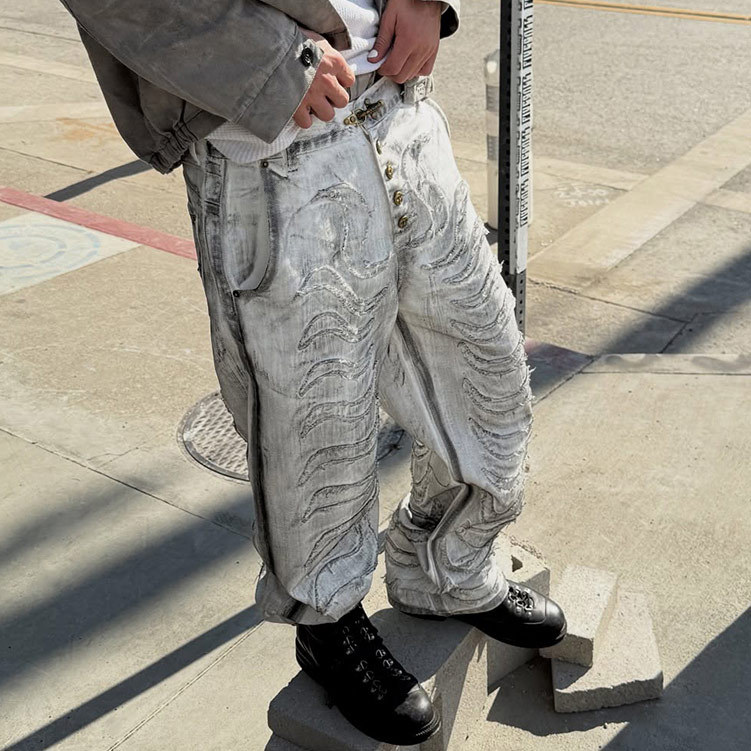
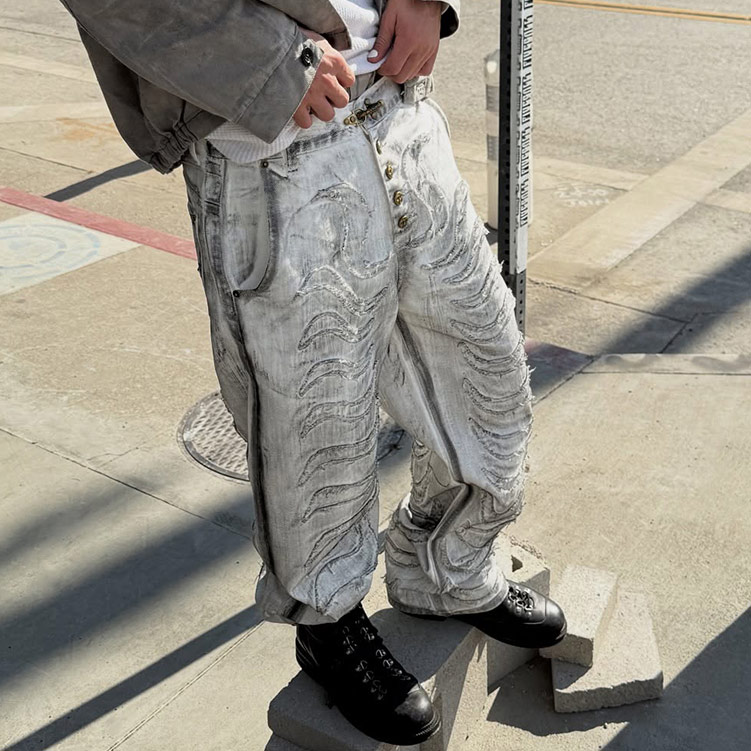
Quick Answer: How Streetwear Brands Scale with a US Manufacturer Without Losing Fit Control, Quality, or Delivery Reliability
When order volume jumps, the problem is rarely sewing speed alone. The brands that scale cleanly lock one approved sample, reserve fabric and trim capacity early, define measurement checkpoints before cutting, and stage deliveries instead of betting everything on one final ship date.
US manufacturing is strongest when you need faster development, tighter communication loops, and closer production visibility. But once finishing depth, replenishment speed, or line capacity becomes the bottleneck, a hybrid model usually protects delivery reliability better than forcing every SKU through one domestic workflow.
Quick Verdict for Streetwear Brand Teams Facing a Surge
Why Scaling Streetwear in the USA Can Be the Smart Play When Demand Explodes
US production can be a competitive advantage when your timeline is tight and your brand identity depends on precision. The most obvious win is iteration speed: sampling, fit tweaks, and color decisions move faster when teams can meet in-person and react without international transit.
The subtler win is control. When production is close, you can increase touchpoints—inline checks, wash tests, and pre-pack inspections—without turning everything into a weeks-long email thread. That proximity matters most when orders surge and you cannot afford silent drift.
The tradeoff is capacity reality. The US is not “unlimited supply.” For brands planning around reorder pressure or launch-critical timelines, production capacity planning matters just as much as sample approval, because scale usually fails first at material allocation, line scheduling, and finishing bandwidth.
Which Streetwear Manufacturer USA Partners Scale Without Quality Drift?
The best answer is not a name—it is a capability profile. If your team is still comparing factory options rather than solving an active surge, see our guide on how streetwear brands choose the right U.S. partner.
You are looking for three signals: documented measurement control, a predictable sourcing method for fabrics and trims, and a production planning rhythm that is transparent enough to forecast risk early.
The non-negotiables to verify before you scale
1) Pattern lock + grading discipline
2) Fabric lot control (the hidden source of “same style, different handfeel”)
3) Finishing and decoration repeatability
4) Ethical and quality frameworks (buyers will ask)
What “Made in USA” Really Means When You Are Scaling (and Why It Affects Your Timeline)
When brands scale, origin claims get louder—because customers ask, retailers ask, and press asks. If your marketing leans on domestic origin, align the claim with the rules, not the mood.
The FTC explains that for an unqualified “Made in USA” claim, a product must be “all or virtually all” made in the United States, and marketers must have a reasonable basis and competent evidence for the claim. Source: https://www.ftc.gov/business-guidance/resources/complying-made-usa-standard
Why this matters for scheduling: if your trims, fabrics, or specialty processes are imported, you may need a qualified claim (or different messaging), and you will also need to plan lead time around those non-domestic inputs. A clean origin story is not just compliance—it is supply chain planning.
If you want an additional reference point, the International Trade Administration also summarizes the “all or virtually all” guideline and common questions. Source: https://www.trade.gov/made-usa-faqs
How Do You Keep Quality and Delivery Stable When Orders Double?
Scale breaks brands in predictable ways: fit drift, color variation, decoration inconsistency, packaging defects, and missed ship windows. The fix is not “more pressure.” The fix is a repeatable system that creates clarity while the team is moving fast.
Below is a workable playbook for streetwear categories that are sensitive to perception: heavyweight hoodies, tees with large graphics, washed programs, and cut-and-sew silhouettes where millimeters matter.
How-to: a scale-up sequence that protects quality
Step 1: Freeze the product truth
Step 2: Convert risk into checkpoints
Step 3: Stage production (and stop chasing one “final ship date”)
Step 4: Align decisions with documentation
A Capacity Reality Check: What Changes at 2x Volume and What You Should Pre-Book
When your PO doubles, the problem is not only more units. It is also more pressure on lot control, decoration throughput, cutting accuracy, and packing workflow. That is why scale-up planning should reserve the right resources before the order becomes a fight for leftover capacity.
What Should a Brand Ask a US Cut-and-Sew Manufacturer Before a Big Reorder?
A big reorder is where many labels get surprised: “The sample was perfect, but bulk feels different.” That gap is usually not one issue—it is multiple small shifts across patterns, fabric lots, line settings, and finishing.
Ask questions that force operational answers. If the response is vague, you are buying uncertainty at the exact moment you cannot afford it.
Questions that reveal whether the system can scale
When a China Supply Chain Becomes the Fastest Reaction System
There is a moment in growth where US production is still the best home for development and fast iteration, but the volume curve starts to outrun local capacity—especially for complex finishes, large decoration programs, and rapid replenishment across multiple SKUs.
In that moment, the strongest strategy is not “USA or overseas.” It is a hybrid model: local development discipline paired with a global supply chain that can absorb scale without re-engineering the product. If your team is weighing domestic control against global expansion bandwidth, this breakdown of American-made vs hybrid production strategy will help frame the tradeoff more clearly.
This is where Groovecolor can be a practical scale partner for established streetwear brands: a China-based, streetwear-focused cut-and-sew manufacturer with mass-production capability (up to 300,000 pcs/month), a strategic MOQ of 50–100 pcs per color for controlled testing, advanced execution across washes, embroidery, and printing, and SMETA 4-Pillar certification for brands that require stronger compliance documentation. For brands that already have proof of demand, China’s specialist supply chain can turn urgency into repeatable replenishment—without sacrificing the product standards you built your name on.
Frequently Asked Questions
How do you scale with a streetwear manufacturer USA partner without losing fit control or missing delivery windows?
Freeze one approved sample, define critical points of measure before cutting, reserve fabric and trim capacity early, and stage deliveries in realistic waves. The fastest scale-up is usually the one that reduces rework, not the one that pushes the line harder.
Why do bulk hoodies often feel different from the approved sample when order volume jumps?
The most common causes are fabric-lot variation, finishing differences, untested shrinkage, and small measurement drift that compounds across sizes. Lot tracking, wash tests on the actual fabric, and inline checks are what keep the approved handfeel and silhouette from drifting in bulk.
What should brands verify before using Made in USA claims during a scale-up?
Verify whether the product still meets the FTC standard for an unqualified Made in USA claim when trims, fabrics, or specialty processes are involved. Origin messaging should match the actual supply chain, because claim accuracy and lead-time planning are linked.
When does a hybrid model become safer than forcing everything through one domestic factory?
A hybrid model becomes safer when local development speed is still valuable, but finishing depth, replenishment speed, or large-volume capacity starts to cap growth. That is usually the point where protecting delivery reliability matters more than keeping every SKU in one workflow.
About This Guide
This page was written from a streetwear manufacturing perspective focused on scale-up risk: approved-sample control, fabric-lot planning, wash stability, decoration repeatability, and staged delivery management.
It is intended for established streetwear brands evaluating how to protect fit, finish, and delivery reliability when order volume rises faster than the original production plan.