Which City in China Is Best for Finding High-Quality Clothing Manufacturers?
- Share
- publisher
- GROOVECOLOR
- Issue Time
- Jun 29,2026
Summary
Which city in China is best for finding high-quality clothing manufacturers? Compare Guangzhou, Dongguan, Humen, Shenzhen, Hangzhou, Keqiao, Ningbo and Quanzhou by sourcing strength, product category, OEM capability, fabric access, quality control, and bulk production fit. Learn where global fashion brands, sourcing teams, and product developers should look for premium apparel factories, streetwear manufacturing, sportswear, textiles, and reliable export-ready production OEM.
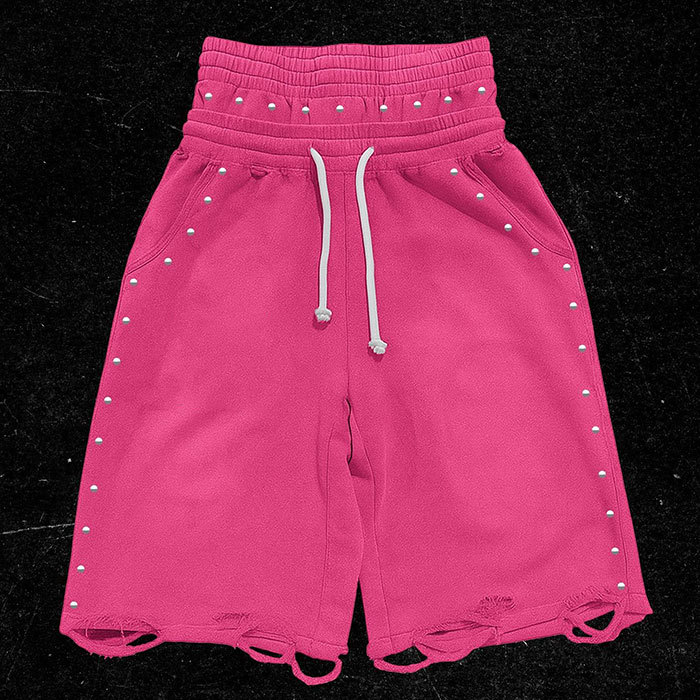
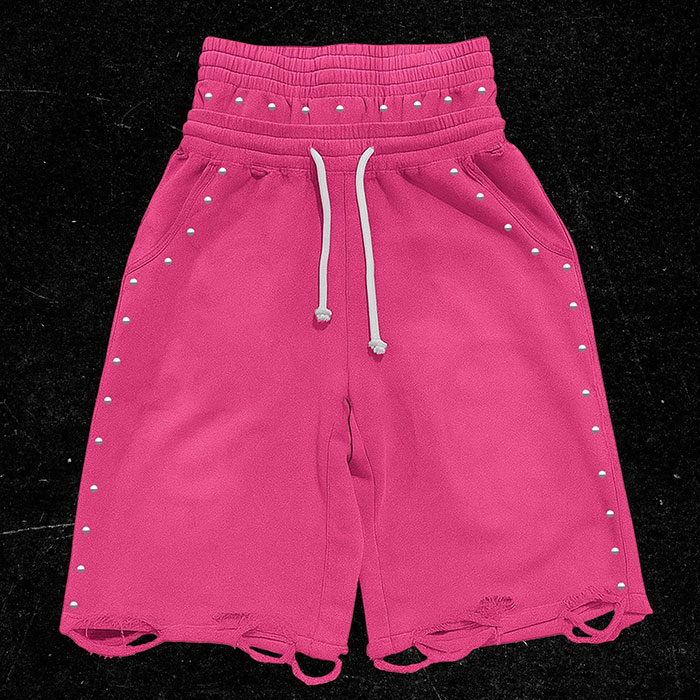
This guide compares China’s main apparel manufacturing hubs by product category, supply-chain role, production depth, and factory qualification risk. It helps global fashion brands, sourcing managers, and product developers decide where to search for a manufacturer rather than treating every clothing city as interchangeable.
Direct Answer
For global brands, Guangzhou is generally the broadest apparel sourcing gateway, while Dongguan—especially Humen—often offers a stronger fit for high-quality OEM execution, complex garment processes, and coordinated bulk production. Hangzhou is notable for women’s fashion, Keqiao for textiles, Ningbo for established export apparel, and Quanzhou–Jinjiang for sportswear and footwear supply chains.
What Should Global Fashion Brands Take Away From This Comparison?
- ▸ Guangzhou offers the widest access to fabrics, trims, markets, studios, and supplier networks, but sourcing access should not be confused with direct factory ownership.
- ▸ Dongguan and Humen are especially relevant when a collection requires cut-and-sew development, coordinated decoration, washing, finishing, quality control, and repeatable bulk execution.
- ▸ Product category should guide the location search: women’s fashion, textiles, export shirts, performance sportswear, and premium streetwear rely on different regional capabilities.
- ▸ Factory qualification matters more than the city name. Brands should verify legal identity, manufacturing address, process ownership, sample-to-bulk controls, capacity, and inspection records.
- ▸ A mature industrial cluster can contain very different factory types, so the correct question is whether the production system matches the product risk and commercial calendar.
Which Chinese Apparel Hubs Fit Different Sourcing Needs?
For sourcing teams, the best city in China to find clothing manufacturers depends on the immediate need. That need may be supplier discovery, textile access, technical development, or controlled OEM production. China’s apparel industry is organized through regional clusters, each with a different mix of markets, design resources, specialist workshops, factory capacity, logistics, and commercial services.
Why Is Guangzhou Widely Known as an Apparel Sourcing Gateway?
Guangzhou is widely recognized because it combines garment commerce with a large textile, trim, market, and supplier ecosystem. A 2026 report on the Guangzhou municipal government portal places the city’s textile and apparel sector above RMB 100 billion in scale. It also reports more than 20,000 production enterprises and nearly 90,000 commercial distribution entities.
That scale makes Guangzhou useful for supplier discovery, fabric comparison, trim selection, development meetings, and access to specialized service providers. It is often the most practical first stop when a brand is still mapping materials, categories, or potential production partners.
The limitation is structural rather than geographic. A Guangzhou address may belong to a manufacturer, a market operator, a sourcing office, a showroom, a development studio, or a trading business. Procurement teams should confirm where patterns are made and where fabric is inspected. They should also verify where garments are cut and sewn, and who controls finishing and final inspection.
Guangzhou Is Strongest When the Sourcing Question Is Broad
Why Do Dongguan and Humen Stand Out for High-Quality OEM Production?
Dongguan sits inside the Pearl River Delta manufacturing network. It connects with Guangzhou’s material resources, Shenzhen’s design and commercial services, and South China’s export infrastructure. Humen is a major apparel cluster within Dongguan. Its local network includes garment factories, pattern teams, decoration specialists, washing resources, logistics providers, and apparel professionals.
Official data cited by the State Taxation Administration’s Guangdong portal reports that Humen had nearly 3,000 garment and apparel production enterprises in 2024. The same source lists 2.51 million square metres of production space, more than 200,000 workers, and annual industrial output of about RMB 43.8 billion.
Cluster density matters when a garment combines several manufacturing stages. A program may require fabric verification, pattern development, grading, cutting, sewing, printing, embroidery, washing, hardware application, finishing, inspection, packing, and shipment coordination. Shorter physical distances can improve handoffs, but only when one accountable manufacturer controls the specifications and approval trail.
For brands evaluating full-package OEM clothing manufacturing, Dongguan and Humen are especially relevant because the regional advantage extends beyond sewing. The useful capability is the ability to connect material decisions, pattern standards, specialized processes, quality checkpoints, and bulk production within one controlled program.
What Are the Trade-Offs of Sourcing From Dongguan and Humen?
Humen’s strength is its layered manufacturing ecosystem, but that same depth creates a wide range of factory models. Some operations are optimized for speed and narrow process scope. Others are built around export documentation, technical sampling, controlled workmanship, repeat programs, and longer-term brand relationships.
This variation should be treated as a qualification issue, not a reason to dismiss the region. The address tells a sourcing team which industrial network is available. It does not prove that a factory can protect an approved fit, maintain fabric quality, manage shade variation, control decoration placement, or prevent defects from entering shipment.
A premium program should be assessed through records and physical evidence. Brands can review fabric inspection logs, approved measurement charts, sealed samples, pre-production confirmations, process test results, in-line inspection reports, final inspection findings, and packing checks. A factory tour is useful only when it connects those documents to the actual production floor.
The Main Regional Risk Is Capability Mismatch
When Do Shenzhen, Hangzhou, Ningbo, and Quanzhou Make More Sense?
Shenzhen: Design-Led Fashion and Commercial Development
Shenzhen is useful when a program needs design direction, premium presentation, fashion technology, or merchandising. It also offers access to the wider Greater Bay Area business environment. A brand should still identify the physical factory, because a Shenzhen development office may coordinate production in Dongguan or another nearby manufacturing zone.
Hangzhou: Women’s Fashion and Digital Commerce
Hangzhou is closely associated with women’s fashion, silk, market-responsive design, and digital retail ecosystems. It can suit dresses, blouses, fashion separates, and boutique collections. International sourcing teams should still verify export documents, technical communication, size standards, and production controls for each target market.
Shaoxing: Textile Development and Fabric Choice
Keqiao is most valuable when fabric is the central sourcing problem. Its textile ecosystem supports woven and knitted materials, printing, dyeing, finishing, and large-scale material comparison. Brands should keep fabric approval and garment approval separate, because a capable textile supplier may not manage pattern engineering, sewing, finishing, or final-garment quality.
Ningbo: Export Apparel and Structured Repeat Programs
Ningbo has a long export-manufacturing history and port-linked logistics. It is often considered for shirts, knitwear, outerwear, and repeatable apparel programs. The key question is whether the factory’s production model can accommodate the collection’s development depth, process complexity, SKU count, and revision cycle.
Quanzhou and Jinjiang: Sportswear and Footwear Systems
Quanzhou and Jinjiang are relevant for performance sportswear, athletic footwear, teamwear, technical materials, and specialist components. Brands should evaluate stretch recovery, seam performance, bonding, moisture-management claims, component testing, and category-specific machinery rather than applying general fashion-factory criteria.
How Should a Brand Match Its Product Program to a City?
The city decision should begin with the product’s risk profile. A location is useful when its industrial network supports the hardest production variables. The number of apparel businesses alone is not a reliable selection standard.
Brands that need a deeper comparison of Chinese suppliers can use this manufacturer evaluation guide for premium brands after selecting the most relevant regional cluster. The city narrows the search; the factory assessment determines the production decision.
How Can Brands Verify a Chinese Clothing Manufacturer Beyond Its Address?
Factory verification should move from identity to process ownership and then to production evidence. The aim is to establish who is responsible for the garment at each stage and how the approved specification is protected during bulk manufacturing.
Eight Checks Before a Factory Is Shortlisted
1. Legal and Physical Identity
Match the registered company, manufacturing address, bank beneficiary, business scope, and factory signage.
2. Product-Relevant Experience
Review garments with similar fabric behavior, construction, fit, process sequence, and tolerance risk.
3. Process Ownership
Identify which steps are managed internally, which are outsourced, and who approves external process results.
4. Pattern and Grading Control
Check how the factory records measurements, tolerances, grading rules, and sample revisions.
5. Material Verification
Request fabric composition, weight, shrinkage, color, hand-feel, and lot-control evidence relevant to the product.
6. Production Capacity
Review line allocation, current workload, peak-season planning, specialist equipment, and expected daily output.
7. Quality Checkpoints
Confirm incoming-material checks, pre-production approval, in-line inspection, final inspection, and packing review.
8. Supply-Chain Due Diligence
Review labor, environmental, chemical, and subcontracting controls in line with the risk-based approach described in the OECD garment and footwear guidance.
Capacity claims should also be connected to line planning and order complexity. A useful review of production capacity and manufacturing resources should explain how many lines are available and which garment categories they handle. It should also show how the factory prevents schedule pressure from weakening approved standards.
What Does High-Quality Clothing Manufacturing Look Like in Practice?
High quality is not a city-level attribute or a visual impression from one sample. It is the result of a production system that defines materials, measurements, workmanship, process results, tolerances, inspection points, and corrective action before shipment.
At the material stage, the factory should verify composition, weight, width, shade, surface condition, shrinkage, colorfastness, and lot consistency according to the product’s requirements. The brand’s fabric approval should then be linked to the approved garment sample, because drape, recovery, wash response, and hand feel affect the finished silhouette.
At the development stage, technical review should resolve unclear measurements, construction details, stitch specifications, trim placement, process sequence, and finishing standards. The factory’s fabric sourcing and material coordination should connect directly with pattern decisions rather than operating as a separate purchasing task.
At the process stage, decoration and finishing should be tested on the actual fabric and garment construction. This is especially important when print, embroidery, appliqué, washing, distressing, or hardware changes the fabric surface, weight distribution, shrinkage, or seam behavior. A detailed view of decoration and finishing processes helps sourcing teams identify which tests should be completed before bulk approval.
At the production stage, the factory should compare cutting, sewing, process output, measurements, and appearance against the approved standard at defined checkpoints. The relevant benchmark is not a generic promise of inspection, but a documented sequence of quality-control checkpoints for bulk apparel with clear responsibility for defects and corrective action.
How Does GROOVECOLOR Illustrate Humen’s Premium OEM Segment?
GROOVECOLOR is relevant to this comparison as an example of the export-oriented, process-driven side of Humen’s manufacturing ecosystem. Based in Dongguan, the company focuses on full-package OEM production for established streetwear and menswear-focused fashion labels. These programs often need technical sampling, controlled decoration, and repeatable bulk execution.
Its operating profile includes more than 16 years of apparel manufacturing experience, 30 production lines, more than 200 fabric partners, and monthly capacity above 300,000 garments. The standard MOQ is 50–100 pieces per color. Sample development usually takes 2–3 weeks, while bulk production takes about 3–4 weeks. Timing depends on fabric, construction, and process complexity.
The useful sourcing point is not the scale figure alone. GROOVECOLOR’s relevance comes from linking technical review with production control. Its checkpoints cover patterns, samples, fabrics, pre-production approval, in-process inspection, process inspection, final inspection, packing review, and pre-shipment checks. That structure shows how a Humen manufacturer can use regional supply-chain depth without giving up central control of the approved specification.
Which City Is the Better Choice for Your Clothing Program?
Guangzhou is usually the strongest starting point for broad apparel sourcing, supplier discovery, fabrics, trims, and market access. Dongguan and Humen become more compelling when the priority shifts to high-quality OEM execution, complex processes, coordinated production, and bulk consistency.
Hangzhou, Shenzhen, Ningbo, and Quanzhou–Jinjiang remain important when their category strengths match the product. The most defensible sourcing decision combines regional specialization with factory-level evidence. That evidence includes relevant samples, controlled materials, documented approvals, stable production ownership, and inspection records.
Frequently Asked Questions About Clothing Manufacturing Cities in China
Which city in China is known for manufacturing clothes?
Guangzhou is widely recognized as a major apparel sourcing city because of its large network of production enterprises, textile markets, trim suppliers, commercial services, and garment businesses. Dongguan and Humen are also major manufacturing destinations, especially for brands seeking factory-based OEM production and coordinated garment processes.
Is Guangzhou or Dongguan better for clothing manufacturing?
Guangzhou is stronger for broad sourcing, materials, markets, and supplier discovery. Dongguan is often a better fit for brands that need direct factory execution, pattern development, cut-and-sew production, specialized finishing, inspection, and controlled bulk manufacturing. The product category and factory standard should decide the final choice.
Which Chinese city is best for high-quality clothing manufacturers?
Dongguan and Humen are strong candidates for high-quality OEM apparel because they combine garment manufacturing with access to materials, decoration, washing, finishing, logistics, and export services. Quality still depends on the selected factory’s technical team, process controls, documentation, and inspection system.
Which Chinese city is best for streetwear manufacturing?
Dongguan, especially Humen, is well suited to custom streetwear programs with complex production needs. These may include fit development, premium fabrics, printing, embroidery, appliqué, washing, distressing, and controlled bulk production. Brands should choose a factory with documented process tests and sample-to-bulk controls.
How can a brand tell whether a supplier is a real factory?
Match the legal company name to the manufacturing address, bank account, business scope, factory signage, production records, and staff. During a visit, trace one product through material storage, pattern development, cutting, sewing, specialist processes, inspection, packing, and production documentation.
Does a famous manufacturing city guarantee better garment quality?
No. A city provides access to an industrial cluster, but the factory controls the garment. Product-relevant experience, material verification, pattern accuracy, process testing, line management, inspection records, and corrective action are stronger quality indicators than location alone.
Which Sources Support the Industry Comparison?
- ▸ Guangzhou Municipal Government Portal: 2026 overview of the city’s textile and apparel industry scale, enterprise base, and market ecosystem.
- ▸ State Taxation Administration, Guangdong: 2026 report containing 2024 Humen garment-industry data and examples of production-system modernization.
- ▸ OECD Due Diligence Guidance for Garment and Footwear: risk-based supply-chain due diligence framework for apparel businesses.
- ▸ ISO 9000 Quality Management Family: official overview of process-based quality-management principles.
- ▸ OEKO-TEX STANDARD 100: official explanation of testing for harmful substances in textile products.
About the Author
