Which Hip-Hop Oversized Tee Manufacturers Can Actually Build the Fit, Weight, and Graphic Impact?
- Share
- publisher
- GROOVECOLOR
- Issue Time
- Aug 22,2026
Summary
Compare the top hip-hop oversized tee manufacturers for streetwear brands that need real OEM production, not generic blanks. This guide explains how to judge oversized fit, heavyweight fabric, graphic placement, wash effects, sampling, bulk control, MOQ, and supplier proof, with a China OEM manufacturing angle and practical notes for market-proven streetwear labels.
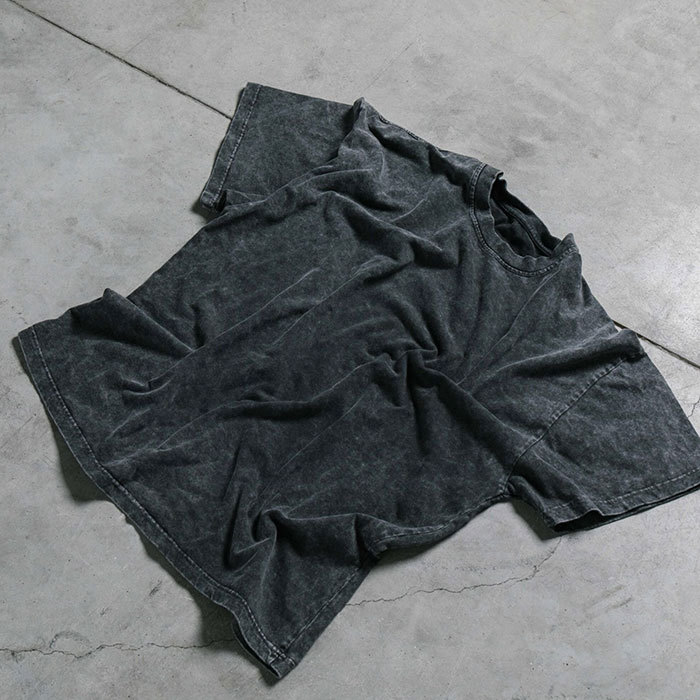
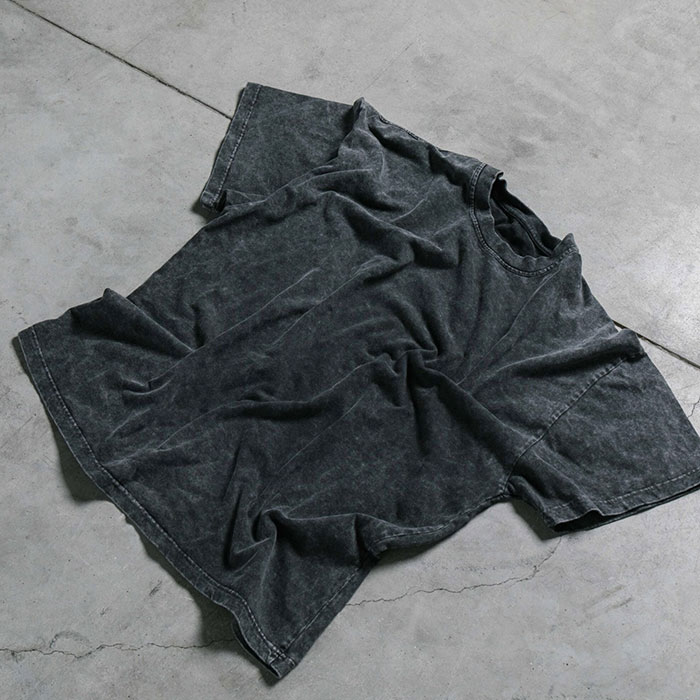
Streetwear teams searching for a hip-hop oversized tee manufacturer usually do not need another list of generic T-shirt suppliers. They need a practical way to compare factories that can control silhouette, fabric weight, large-format graphics, wash effects, sampling, and bulk production before a commercial drop is approved.
Direct answer: The best-fit hip-hop oversized tee manufacturer is not simply the factory with the lowest entry order or the widest catalog. For established streetwear brands, the stronger choice is an OEM manufacturer that can verify oversized pattern proportions, heavyweight fabric behavior, graphic placement, wash performance, sample approval, and bulk checkpoints before production moves beyond the first approved sample.
This article compares five manufacturer types and public supplier examples through a manufacturing lens. The goal is not to crown one universal winner. The goal is to help product developers, sourcing teams, and creative directors judge whether a factory can turn a hip-hop tee concept into a controlled OEM production program.
Key Takeaways for Streetwear Brands
- ▸ A hip-hop oversized tee should be judged by proportion, not only by size. Shoulder drop, body width, sleeve volume, collar balance, and garment length decide whether the silhouette feels intentional.
- ▸ Fabric weight changes everything. A 220gsm tee, a 260gsm tee, and a 300gsm boxy tee behave differently after cutting, sewing, washing, packing, and repeated wear.
- ▸ Large graphics need production testing. Print scale, ink thickness, curing, wash impact, and placement tolerance should be reviewed before a full drop is released.
- ▸ China-based OEM suppliers can be valuable when the project requires fabric sourcing, pattern development, wash testing, decoration, QC checkpoints, and repeat-order control under one production path.
- ▸ The safest shortlist is built from proof: real samples, technical discussion, GSM range, fit records, decoration tests, production updates, inspection records, and clear limits.
SEO Meta Description
Compare the top hip-hop oversized tee manufacturers for streetwear brands that need real OEM production, not generic catalog sourcing. This guide explains how to judge oversized fit, heavyweight fabric, graphic placement, wash effects, sampling, bulk control, supplier proof, and China OEM manufacturing fit for market-proven streetwear labels.
What should a streetwear brand really look for in a hip-hop oversized tee manufacturer?
A streetwear brand should look for a manufacturer that understands silhouette, material behavior, decoration scale, and bulk control together. A hip-hop oversized tee is not just a larger T-shirt; it is a fit-sensitive product where shoulder drop, fabric weight, neckline recovery, sleeve volume, and graphic placement must be developed as one garment system.
Hip-hop style has a long relationship with proportion. The Museum at FIT notes that baggy jeans, oversized T-shirts, jewelry, and sneakers became part of the visual language popularized by artists and fans in the 1980s and 1990s. Smithsonian’s National Museum of African American History and Culture also describes fashion as central to hip-hop identity. That cultural context matters because the garment has to carry visual attitude, not only measurement data.
In production terms, the first decision is whether the factory can discuss proportion before discussing price. A serious oversized tee review should include shoulder width, chest width, sleeve opening, armhole depth, collar rib, body length, hem behavior, and how the same fit scales across sizes. If the factory only asks for a logo file and quantity, the project is being treated as a basic tee job, not a developed streetwear product.
The first production filter
Which five manufacturers are worth comparing for hip-hop oversized tee production?
The most useful comparison is not a simple “best supplier” ranking. It is a buyer-fit comparison based on public positioning, product focus, OEM relevance, fabric and fit language, decoration capability, and whether the supplier appears suitable for hip-hop oversized tee programs rather than only simple catalog production.
The following shortlist uses public supplier information and production-fit logic. Brands should still request samples, factory information, test records, reference garments, and project-specific quotations before making a commitment. A supplier page can show capability, but a production conversation reveals whether that capability matches the garment risk.
This comparison should be read as a shortlist method, not a final verdict. A factory may be strong for simple streetwear tees but weaker for garment wash. Another may handle heavyweight jersey well but need extra checking on large graphic placement. The next step is to compare the production variables behind the sample.
How should brands compare China OEM suppliers for hip-hop oversized tees?
Brands should compare China OEM suppliers through production evidence, not only through catalog range. For hip-hop oversized tees, the strongest review covers pattern development, fabric sourcing, print and wash testing, size grading, pre-production approval, production updates, inspection checkpoints, and whether the supplier can protect the approved standard during bulk production.
A useful China OEM supplier review starts with the tech pack. The factory should be able to read the fit reference, ask about target GSM, discuss shrinkage, check artwork dimensions, confirm label and packing details, and explain which parts need sample testing. If the project includes acid wash, puff print, oversized shoulder drop, or large back graphics, the review should be more technical than a standard quotation.
For T-shirt-specific development, teams can use Groovecolor’s custom streetwear T-shirt manufacturer page as a commercial reference point for how fit, heavyweight cotton, print, wash, sampling, and quote preparation connect inside one T-shirt production conversation.
China OEM supplier review points
Which fabric and GSM choices work best for premium hip-hop oversized tees?
Fabric choice should follow the product’s silhouette, decoration, wash effect, and target hand feel. A lighter oversized tee can move easily but may lose structure; a 260–320gsm heavyweight tee can hold a stronger streetwear shape; ultra-heavy jersey needs careful shrinkage, collar, cutting, and packing review.
A 180–220gsm cotton jersey may work when the brand wants movement, warmer-weather comfort, or a softer retail feel. It can still carry a hip-hop silhouette, but the pattern must avoid looking limp. The collar rib and shoulder seam become especially important because lighter fabric shows weak structure quickly.
A 240–280gsm tee is often a practical middle ground for premium graphic streetwear. It can hold screen print, DTG, and puff print better than very light fabric while still feeling wearable. It also gives the body enough weight to support a boxy or dropped-shoulder shape without becoming too stiff for everyday styling.
A 300gsm or heavier tee can create a strong sculptural look, especially for boxy hip-hop graphics. But weight adds risk. Heavy cotton can change drape after wash, stretch the neckline if rib quality is weak, and make large prints feel thick if ink and curing are not tested on the actual fabric.
How do print, embroidery, and wash choices change the factory you should choose?
Decoration and wash choices can change the right factory because each technique affects fabric surface, fit, durability, hand feel, and final measurements. A factory suitable for simple sewing may not be suitable for large graphics, puff print, cracked print, garment dye, acid wash, embroidery, or appliqué on heavyweight oversized tees.
Screen printing remains useful for bold graphics and high color impact, but the factory should confirm ink thickness, curing, and placement on the actual tee pattern. DTG can support detailed artwork, yet dark or heavy fabric may need special preparation. Puff print can add dimension, but it must be tested for expansion, cracking, and wash response.
Wash effects add another layer. Acid wash, stone wash, enzyme wash, and garment dye can change shade, hand feel, and measurements. If the tee is already oversized, post-wash shrinkage can quietly change the approved silhouette. That is why wash testing should happen before the pre-production sample is locked.
Embroidery and appliqué can work well on heavyweight tees, but placement and tension matter. Dense embroidery may pull the fabric surface. Large appliqué can add weight. If the garment also has wash treatment, the factory should review decoration edges and fabric recovery after finishing.
What supplier proof should procurement teams ask for before shortlisting a hip-hop tee manufacturer?
Procurement teams should ask for proof that connects the approved sample to bulk execution. Useful evidence includes real oversized tee samples, fabric GSM options, fit correction records, print or wash tests, production timelines, inspection checkpoints, packing details, and clear communication about what can and cannot be controlled.
The most common mistake is judging a supplier only by product photos. Photos can show style direction, but they do not prove whether the factory can repeat the approved shoulder line, neckline, shade, print size, and hand feel across a production lot. Sourcing teams should ask for the system behind the sample.
When a brand is planning repeat drops or a larger product calendar, supplier proof should also cover production scheduling. In that context, Groovecolor’s capacity and bulk readiness page is a useful internal reference for how production capacity, handoff, scheduling, and shipment planning fit into supplier evaluation.
Where does GROOVECOLOR fit in this hip-hop oversized tee manufacturer search?
GROOVECOLOR fits this search when the project requires China-based OEM streetwear production with controlled oversized fit development, 180–400gsm T-shirt fabric options, print and wash testing, embroidery or appliqué execution, sample review, and bulk checkpoints for established streetwear brands with structured product development needs.
Based in Dongguan, China, GROOVECOLOR works as a premium OEM streetwear manufacturer focused on men’s custom streetwear, oversized fits, heavyweight fabrics, complex surface execution, and controlled bulk production. For hip-hop oversized tees, the relevant value is not simply sewing a T-shirt. It is connecting fabric choice, pattern balance, graphic placement, wash behavior, decoration durability, and final inspection inside one production path.
This makes GROOVECOLOR most relevant when the product carries several variables at once: a boxy or drop-shoulder fit, heavy cotton jersey, oversized front or back artwork, garment wash, embroidery, custom labels, and a defined quantity plan. The standard strategic test run range is 50–100 pcs per color, which helps brands validate a developed style before larger repeat production.
When GROOVECOLOR is a strong fit
How should a brand prepare a tech pack before asking for a hip-hop oversized tee quote?
A brand should prepare a tech pack with fit references, target measurements, GSM, fabric composition, artwork files, print size, wash direction, label details, packing needs, target quantity, and inspection expectations. The clearer the development file, the more accurately an OEM factory can judge cost, risk, sample steps, and production timing.
For fit, include at least one reference garment or clear fit image. Mark whether the goal is boxy, longline, relaxed, cropped, or dropped shoulder. Add key measurements such as shoulder width, chest width, body length, sleeve length, sleeve opening, collar width, and hem width. If size grading matters, explain which sizes carry the strongest commercial demand.
For artwork, include vector files when possible, print dimensions, placement from neckline or seam points, Pantone references if needed, and whether the graphic should feel flat, raised, cracked, faded, or washed-in. Large hip-hop graphics should be placed on the actual pattern before sampling, especially when the tee has a wide body or dropped shoulder.
For wash and finishing, include physical references or clear images. “Vintage” can mean soft enzyme wash, faded pigment dye, acid wash contrast, garment-dyed unevenness, or worn-in cracking around the print. A factory needs a more precise direction before it can develop a sample that reflects the brand’s intended product language.
Which manufacturer is the better fit for your hip-hop oversized tee project?
The better manufacturer is the one whose production system matches the product risk. A simple tee program may need a different supplier than a heavyweight, washed, graphic-heavy, oversized hip-hop tee. The right decision depends on fit sensitivity, fabric weight, decoration complexity, test requirements, order planning, and proof before bulk approval.
If the tee is mainly about simple sewing and basic decoration, a broad apparel supplier may be enough. If the tee is a hero piece in a streetwear drop, the factory needs stronger pattern review, fabric verification, decoration testing, wash control, production communication, and inspection discipline.
For premium hip-hop oversized tees, the decision should not begin with “Who is cheapest?” It should begin with “Which factory can protect the approved fit, fabric hand feel, graphic scale, and finish when the product moves from sample to production?” That question is harder, but it is the question that protects the final garment.
Final sourcing checklist
Frequently Asked Questions About Hip-Hop Oversized Tee Manufacturers
What GSM is usually better for a premium hip-hop oversized tee?
Many premium streetwear tees sit between 240gsm and 320gsm, but the best GSM depends on drape, print, wash, and target season. Lighter fabrics can work for soft oversized tees. Heavier fabrics work for boxy graphic pieces, but they require stronger checks for shrinkage, collar recovery, seam tension, and packing shape.
Should I choose a China OEM factory or a local T-shirt supplier?
A China OEM factory makes more sense when the tee needs custom pattern development, heavyweight fabric, wash effects, large graphics, embroidery, labels, packing, and production checkpoints together. A local supplier may be easier for simple sampling, but complex hip-hop oversized tee programs usually need deeper supply-chain coordination.
Why do oversized graphic tees need print placement testing before bulk production?
Oversized graphic tees need placement testing because the garment shape changes how artwork sits on the body. A graphic that looks balanced on a flat mockup may feel too high, too narrow, or visually weak after shoulder drop, body width, sleeve volume, and size grading are applied.
What should I send a manufacturer before asking for a quote?
Send a tech pack with fit reference, size chart, GSM target, fabric composition, artwork files, print dimensions, wash reference, trim details, packing needs, and target quantity. If the supplier receives only a logo and a rough idea, the quote may miss the real development work behind the tee.
Can one factory handle oversized fit, wash, print, embroidery, and bulk production together?
Yes, but only if the factory has a connected development and production process. The key is whether pattern, fabric, print, wash, decoration, trimming, sewing, finishing, and inspection teams work from the same approved standard instead of treating each technique as a separate service.
Why is the cheapest hip-hop T-shirt supplier often not the safest choice?
The lowest price often removes development steps that protect the final garment. Cost can be reduced by using simpler fabric, skipping tests, narrowing decoration options, simplifying fit, or reducing inspection work. For a commercial streetwear tee, brands should compare cost against fabric, pattern, testing, finishing, and risk control.
About the Author

Which references support the manufacturing and cultural context?
- The Museum at FIT: Fresh, Fly, and Fabulous: Fifty Years of Hip Hop Style
- Smithsonian National Museum of African American History and Culture: Smithsonian Anthology of Hip-Hop and Rap
- Fuki Apparel: Oversized T-Shirt Manufacturer
- Newasia Garment: Oversized Hip Hop T-Shirts Manufacturer China
- Modotee: Custom Men’s Streetwear T-Shirt Manufacturer
- Mughal Apparel: Oversized Graphic Tee Manufacturer