Who Can Manufacture Crop Top Tees for USA Streetwear Brands Without Losing the Fit?
- Share
- publisher
- GROOVECOLOR
- Issue Time
- Aug 22,2026
Summary
Find out how USA streetwear brands should choose a crop top tees manufacturer that can control cropped length, shoulder balance, fabric weight, shrinkage, print placement, labels, sampling, MOQ, and bulk production. This guide explains what to check before production, how crop tees differ from standard T-shirts, and how GROOVECOLOR supports structured OEM crop tee development for established apparel teams.
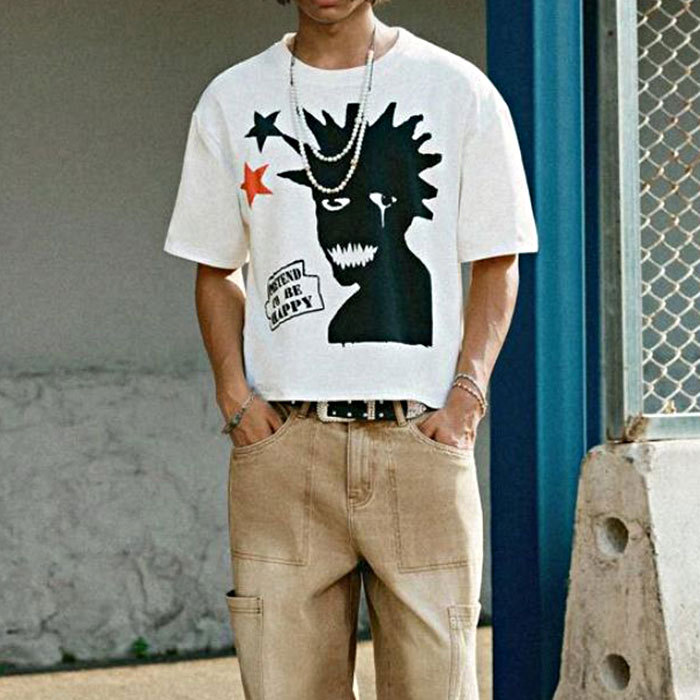
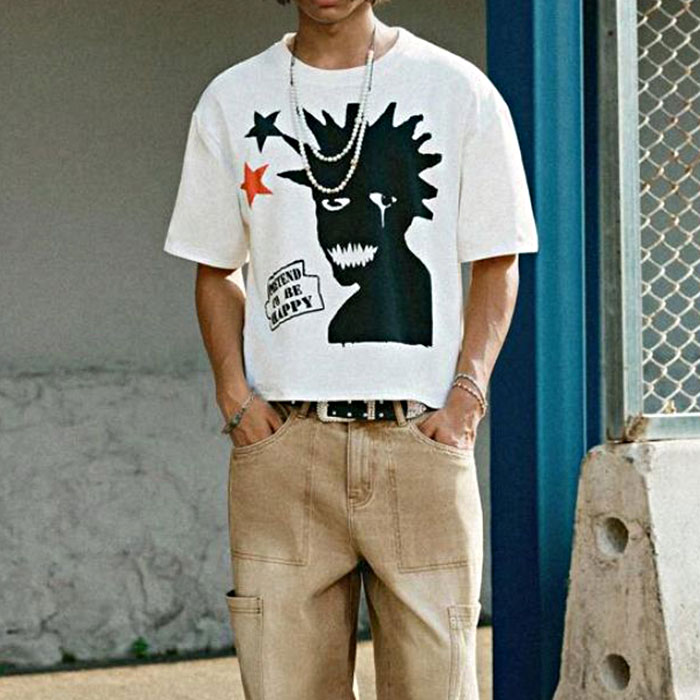
This article helps USA streetwear and fashion teams evaluate whether a crop top tees manufacturer can protect the approved fit, fabric behavior, graphic placement, label setup, sampling route, and bulk production standard. It is written for apparel teams with structured product development needs, not for catalog-based resale, one-piece personalization, or simple logo decoration.
Direct answer: A reliable crop top tees manufacturer for USA brands should control more than cropped length. The factory must understand body proportion, neckline shape, shoulder balance, fabric recovery, shrinkage, print placement, U.S. labeling expectations, sampling records, and bulk cutting. For established streetwear brands, the better partner is usually an OEM manufacturer with real pattern development and production checkpoints.
Key Takeaways for Streetwear Brands
- ▸ Crop top tees need their own pattern logic. Shortening a regular T-shirt block can distort length, shoulder balance, neckline position, sleeve proportion, and graphic scale.
- ▸ Fabric choice matters early. Rib knit, cotton-spandex jersey, and structured cotton jersey behave differently after wash, steam, decoration, and repeated wear.
- ▸ USA market preparation should include fiber content, country of origin, responsible business identity, care instructions, and product safety awareness before shipment.
- ▸ Strong samples are not enough. Brands should ask for measurement records, wash results, fabric behavior notes, print placement review, and pre-production approval.
- ▸ Groovecolor fits this topic when crop tees require China-based OEM development, controlled pattern work, fabric sourcing, decoration testing, and repeatable bulk execution.
Why do crop top tees create more production risk than regular T-shirts?
Crop top tees create more production risk because the shorter body leaves less margin for fit, shrinkage, and placement errors. A small change in length, shoulder width, neckline depth, sleeve opening, or hem behavior can change the garment from balanced to awkward. The risk is not only visual; it is a pattern and production-control issue.
A regular T-shirt can sometimes absorb small measurement shifts without looking wrong. A crop tee cannot. When the body is shorter, the relationship between chest width, shoulder line, sleeve length, neck drop, and graphic position becomes tighter.
For a USA streetwear label, this matters because online product photos, fit videos, customer reviews, and return rates often expose proportion issues quickly. A crop tee that looked sharp in a mockup can fail when the actual body length shrinks, the hem rolls, or the print sits too close to the bottom edge.
Early warning signs during sample review
The next decision is therefore not simply “which factory can sew tees.” It is whether the manufacturer treats crop top tees as a fit-sensitive product category with its own pattern, fabric, and approval logic.
How should USA brands define the right crop tee silhouette before sampling?
USA brands should define the crop tee silhouette before sampling because “crop top” can mean boxy cropped tee, relaxed crop tee, cropped long sleeve, or ribbed streetwear top. Each version needs a different pattern, fabric choice, sleeve width, neckline structure, and decoration position.
A tee usually depends on recovery and body contour. A boxy cropped tee depends on shoulder width, chest width, and a short but stable body. A relaxed crop tee depends on drape. A cropped long sleeve depends on sleeve length, cuff position, and body balance.
This is where brands should avoid vague instructions such as “cropped but not too short.” The manufacturer needs a target body length, chest width, shoulder width, sleeve opening, neckline depth, hem finish, fabric weight, and wash plan before the first sample begins.
Brands that are still mapping the product range can review Groovecolor’s cropped T-shirt range to see how cropped tees sit within broader streetwear tops, but the final production decision should still be based on the approved fit block and measurement records.
What fabric evidence should a manufacturer show before making crop top tees?
A crop top tees manufacturer should show fabric evidence before sampling, including composition, weight, stretch recovery, shrinkage behavior, hand feel, colorfastness expectation, and wash compatibility. The right fabric depends on the silhouette. A fitted crop tee and a boxy short tee should not be developed with the same assumptions.
Cotton-spandex jersey can work for fitted baby tees, but the stretch must recover after wear. Rib knit can give shape and texture, but neckline and hem behavior need attention. Cotton jersey can work well for boxy cropped tees, especially when the brand wants a cleaner streetwear body with enough structure.
AATCC TM135 is a recognized textile test method for dimensional changes of fabrics after home laundering, and AATCC also lists TM150 for dimensional changes of garments after home laundering. These references are useful because crop tee length is highly sensitive to shrinkage and torque after wash. AATCC TM135
For teams comparing fabric options across a wider T-shirt line, Groovecolor’s fabric decision support is the more relevant internal page than a generic product gallery, because the crop tee decision depends on weight, recovery, shrinkage, surface texture, and the relationship between fabric and fit.
How should crop tee measurements be locked before the first sample?
Crop tee measurements should be locked with clear body-length points, chest width, shoulder width, neck opening, sleeve opening, hem width, and post-wash measurement targets. The sample request should define how the garment is measured, not only what size chart number appears in the tech pack.
Measurement method matters. If one team measures body length from high shoulder point and another measures from center back, the same sample can appear correct to one side and wrong to the other. The measuring route should be written, photographed, and repeated.
For crop tees, the most important check is often not the largest measurement. It is the relationship between short body length and the upper body shape. A one-centimeter shift in shoulder width or neck drop can change how the hem sits on the wearer.
Crop tee measurement points to document
When crop tee measurements are treated as production evidence, the next question becomes how decoration, wash, and finishing affect those measurements after the garment leaves the cutting table.
How do print, wash, and finishing choices change cropped graphic tees?
Print, wash, and finishing choices can change cropped graphic tees by affecting artwork placement, fabric shrinkage, ink texture, surface hand feel, and hem behavior. A graphic designed for a regular T-shirt should be re-positioned for the shorter body before sampling, especially when wash or distressing is involved.
A cropped graphic tee has less visual space. A large chest print can look heavy. A small print can feel lost. A placement that works on a regular tee can sit too low once the body is cropped. Digital artwork should therefore be checked against the actual pattern, not only against a flat mockup.
Wash sequence also matters. If the garment is washed after printing, ink texture and color aging may shift. If the garment is printed after washing, placement must respect the finished garment shape. Acid wash, pigment wash, enzyme wash, raw edge finishing, and distressing each add a different risk.
For more complex decoration planning, Groovecolor’s craft feasibility page is a useful internal reference because crop tee decoration has to be judged through print placement, fabric-print compatibility, wash sequence, curing, embroidery tension, and finished garment shape.
Once decoration and finishing are part of the design, the supplier should not be judged only by a good-looking sample photo. The better question is what proof the factory can provide before bulk approval.
What proof should procurement teams request before approving bulk crop tee production?
Procurement teams should request proof that the crop tee can be repeated against the approved sample, including fabric records, measurement reports, wash results, print placement photos, size grading notes, pre-production approval, in-process checks, and final inspection criteria. Sample appearance alone is not enough for fit-sensitive crop tees.
Good proof is specific. It shows what was checked, when it was checked, and which approved standard was used. For crop top tees, this should include body length before and after wash, chest width, neckline recovery, print location, and the acceptable tolerance range.
The OECD notes that garment and footwear supply chains are large, dispersed, and complex, which can make labor, human rights, environmental, and integrity risks harder to manage. For apparel teams, this makes supplier documentation and production communication part of the sourcing decision, not an optional extra. OECD garment supply chain guidance
A supplier’s garment quality-control process becomes especially relevant when the approved crop length, neck shape, fabric hand feel, and graphic placement must be protected across multiple sizes and colors.
Which U.S. compliance details should be planned before crop tees ship?
U.S. crop tee orders should plan labeling and basic apparel safety details before production, not after packing. Brands should confirm fiber content, country of origin, responsible business identity, care instructions, and general clothing textile flammability awareness as part of tech pack and label development.
The FTC explains that most textile and wool products require labels listing fiber content, country of origin, and the identity of the manufacturer or another business responsible for marketing or handling the product. The FTC also states that manufacturers and importers must provide care instructions for clothing. FTC apparel labeling
The CPSC identifies 16 CFR Part 1610 as the Standard for the Flammability of Clothing Textiles for general wearing apparel. For adult crop tees, brands should understand the applicable apparel category and work with qualified compliance support when needed. CPSC clothing textile flammability
ISO 3758:2023 establishes a graphic symbol system for textile care labeling. ASTM D5489 provides a guide for care symbols on textile products. These standards do not replace U.S. legal advice, but they help product teams discuss care labeling and consumer handling expectations with more precision. ISO 3758:2023
Once labeling, fabric, wash, and safety considerations are included in the development file, the next decision is whether a domestic or overseas manufacturing route better fits the crop tee program.
When does a China-based OEM route make sense for USA crop top tee programs?
A China-based OEM route makes sense when a USA crop tee program needs custom pattern work, fabric sourcing, wash testing, decoration review, size grading, and organized bulk production rather than only local sampling speed. The decision should be based on product complexity, evidence quality, communication rhythm, and production-control needs.
A local factory may be useful when the product is simple, the team needs fast local fitting, or the quantity is tied to a short test window. That can be practical for basic sewing or simple decoration work.
An overseas OEM route becomes more relevant when the crop tee includes custom cotton jersey, rib development, pigment wash, acid wash, puff print, embroidery, raw-edge finishing, multi-size grading, and planned replenishment. In that situation, the factory system behind the sample matters more than location alone.
For broader tee programs, Groovecolor’s custom streetwear T-shirt manufacturer page is the right internal manufacturing service reference. It covers the T-shirt production context around fit, fabric weight, print, wash, sample approval, and bulk execution.
The key is not whether the supplier is local or overseas. The key is whether the supplier’s workflow matches the crop tee’s real risk: short-body fit, fabric movement, decoration position, label setup, and bulk production control.
How does Groovecolor fit this crop top tees manufacturing decision?
Groovecolor fits this decision when the crop top tee is not treated as a basic tee, but as a fit-sensitive OEM product that needs pattern development, fabric verification, sample review, decoration testing, wash planning, quality checkpoints, and controlled bulk production for established streetwear brands serving the USA market.
Groovecolor is a premium OEM streetwear manufacturer in Dongguan, China, focused on structured custom development for market-proven streetwear brands, menswear-focused fashion labels, and apparel teams with real product calendars. For crop tees, the relevant capability is not a long list of services. It is the ability to connect fit, fabric, decoration, wash, labels, and inspection into one production route.
For T-shirts, Groovecolor supports 180–400gsm cotton ranges, including heavyweight jersey for structured silhouettes, along with screen printing, DTG, crack print, puff print, garment dye, enzyme wash, acid wash, labeling, and finishing. For cropped tees, these capabilities become useful only when the approved pattern and measurement method are already clear.
Standard OEM streetwear orders are usually planned around 50–100 pcs per color as strategic test runs before larger production. This language matters: the purpose is not to attract unstructured orders, but to let validated product concepts move through sampling, approval, and controlled bulk execution.
If the crop tee is part of a wider tops collection, the custom streetwear T-shirt range can help brands connect cropped tees with oversized tees, heavyweight tees, vintage washed tees, and graphic tees without turning the article into a generic T-shirt page.
How should brands make the final supplier decision for crop top tees?
Brands should make the final supplier decision by matching the factory system to the crop tee’s risk level. If the style depends on precise crop length, fabric recovery, wash behavior, print placement, U.S. label readiness, and repeatable bulk execution, supplier proof should matter more than catalog photos or general sewing claims.
A simple crop tee may not need the same production system as a washed, printed, fitted, or heavyweight cropped program. But once the product depends on proportion and customer-facing visual precision, the supplier should provide evidence from sample development, measurement control, material handling, and final inspection.
OECD’s 2025 responsible garment spotlight notes that strategic partnerships represented 43% of apparel supplier relationships, up from 26% in 2019, reflecting a shift toward more structured buyer-supplier relationships in apparel sourcing. OECD responsible garment spotlight
That shift fits the crop tee decision well. The product may look simple, but the best sourcing decision is based on proof: pattern logic, fabric testing, decoration placement, sample records, compliance awareness, and production checkpoints.
What questions should procurement teams ask before approving crop tee production?
Why do crop top tees become too short after washing?
Crop tees become too short after washing when shrinkage is not tested before bulk cutting. Because the garment starts with less body length, even small shrinkage can visibly change the fit. Sample washing, revised specs, and post-wash measurement records should be reviewed before production.
Should a crop tee use stretch fabric or heavyweight cotton?
The fabric should match the intended silhouette, not the product name. Fitted baby tees usually need stretch recovery or rib structure. Boxy cropped streetwear tees often need cotton jersey with enough density to hold shape, especially when print or wash effects are planned.
What is the biggest mistake in cropped graphic tee production?
The biggest mistake is placing artwork as if the garment were a regular T-shirt. A shorter body changes visual balance. The print should be checked against the actual pattern, measured from both neckline and hem, and reviewed after wash if the garment is finished after decoration.
What should brands check before approving a crop tee sample?
About the Author

Which sources support the manufacturing and compliance checks in this article?
The references below support the article’s compliance, textile testing, and supply-chain judgment points. They are not used as decoration; they help anchor claims about labeling, flammability, care symbols, dimensional change testing, and responsible sourcing expectations for apparel teams selling into the U.S. market.
- ▸ FTC Apparel and Labeling for fiber content, country of origin, responsible business identity, and care instructions.
- ▸ CPSC Clothing Textile Flammability for 16 CFR Part 1610 general wearing apparel awareness.
- ▸ AATCC TM135 for dimensional changes of fabrics after home laundering.
- ▸ ISO 3758:2023 for textile care labeling symbols.
- ▸ ASTM D5489 for care symbols on textile products.
- ▸ OECD Responsible Garment and Footwear Supply Chains for supply-chain due diligence context.