Why Acid Wash, Vintage Fade, and Sun-Faded Streetwear Now Demand a Different Manufacturing Playbook?
- Share
- publisher
- GROOVECOLOR
- Issue Time
- May 29,2026
Summary
Acid wash, vintage fade, and sun-faded effects are no longer just denim trend details. They now shape how streetwear brands develop hoodies, cargo bottoms, and washed basics at scale. This article breaks down the sourcing questions behind faded finishes—from fabric choice and wash control to graphics, trims, fit movement, and lower-impact processes—so creative, product, and procurement teams can brief suppliers better and approve bulk production with fewer surprises.
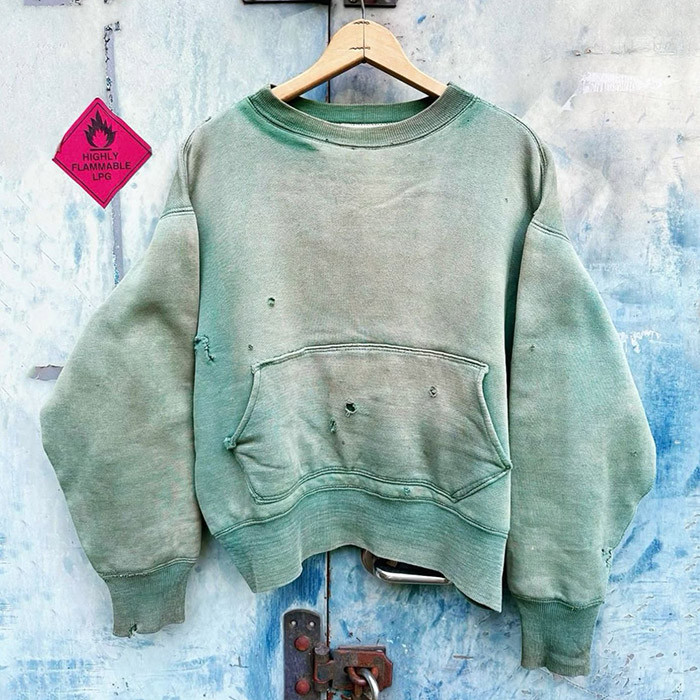
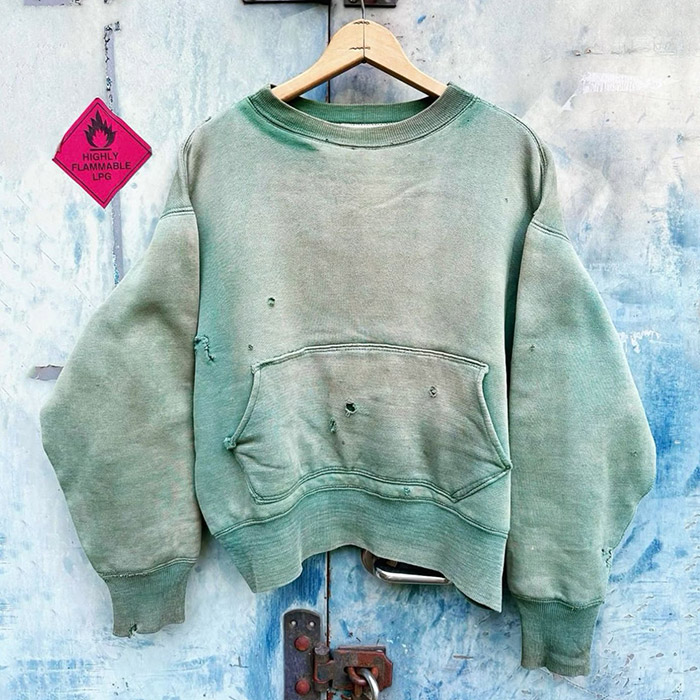
This is no longer a narrow acid-wash trend story. It is a broader shift toward engineered, lived-in surfaces across denim, hoodies, cargo bottoms, and washed jersey programs, and that shift changes how brands need to brief, sample, approve, and scale product.
Sourcing Journal framed acid wash as a revived relic from the 1980s as early as 2018, linking the look to nostalgia-driven search behavior and runway reappearance.[1] By 2025, Vogue was using broader language: "lived-in washes," "heavy tints," and "authentic vintage washes" had become part of mainstream denim direction, which suggests the market has expanded from a single effect into a wider finish vocabulary.[2]
That matters because once faded surfaces move from editorial styling into core assortment planning, brands stop asking only whether a sample looks good. They begin asking whether the base fabric can survive wet processing, whether graphics can tolerate abrasion, whether shade movement stays inside an acceptable approval window, and whether the finished garment still holds the intended silhouette after wash and drying.
From a manufacturing point of view, the real topic is this: how should established streetwear brands translate acid wash, vintage fade, and sun-faded aesthetics into product specs that can survive bulk production? Suppliers already showing washed hoodies, distressed fleece, vintage denim, and washed cargo bottoms—including manufacturers such as Groovecolor—reflect how tightly this finish direction is now tied to streetwear product development. The harder question is not whether one sales sample can look convincing, but whether the look can hold up when the order is real.
Key Takeaways for Streetwear Brands
▸ The market has widened from classic acid wash into a larger family of faded-surface finishes, which means design references now need sharper technical definitions before sampling begins.
▸ Denim, heavyweight fleece, and cargo bottoms do not react to garment washing in the same way, so silhouette, GSM, seam construction, and decoration plans must be locked against the intended finish route.
▸ The biggest failures usually appear after washing rather than before it: hand-feel drift, shrinkage movement, print damage, hardware discoloration, panel distortion, and shade spread between lots.
▸ Brands that approve faded programs successfully tend to ask for hard proof: wash recipe logic, test garments, post-wash measurements, trim trials, and batch-level approval standards—not just attractive photography.
▸ The strongest manufacturing partners are not the ones who promise every effect. They are the ones who can explain which effect is realistic on the chosen base, which trade-offs follow, and how the program will be controlled from sample room to shipment.
Why has the market moved beyond "acid wash" and into a broader faded-surface language?
The reason is simple: brands and consumers are no longer buying a single retro effect. They are buying a surface story—something that feels worn, handled, slightly aged, and emotionally familiar—across multiple categories and price levels.
The old acid-wash conversation was visually easy to recognize. It centered on high-contrast marbling, aggressive bleach patterns, and obvious 1980s nostalgia. That look still has a place, especially in louder Y2K or punk-inflected capsules. But the current market is broader and more commercially useful. Vogue's fall 2025 denim round-up describes washes as if they were color choices, pointing to "lived-in washes" and "authentic vintage washes" as fresh again rather than fringe ideas.[2] That language is important because it mirrors the way product teams now think. They do not just ask for blue, black, or grey. They ask for sun-faded black, dusty indigo, chalk-washed olive, or overdyed vintage brown.
Once that shift happens, the finish becomes part of the product architecture. Denim developers start planning whisker depth, tint strength, and abrasion placement earlier. Hoodie developers start choosing yarn count, brushing route, and garment-dye depth with more care. Cargo-bottom teams begin treating wash response as part of pocket engineering and seam strategy, not as a late aesthetic add-on. That is why the topic matters to procurement teams as much as it matters to creative directors.
Commercially, the timing makes sense. Cotton Incorporated's 2024 Global Denim Survey found that 85 percent of consumers enjoy wearing denim, 58 percent wear jeans largely because of comfort, and 62 percent prefer jeans made from cotton.[5] Its 2025 Global Lifestyle Monitor added that 75 percent of consumers prefer clothing made from cotton, cotton blends, or denim, while 59 percent are willing to pay more for natural fibers.[6] In other words, the faded-surface boom is not only about visuals. It is tied to comfort, tactility, and a material profile consumers still trust.
| Finish language | Visual signature | Typical categories | Why brands choose it |
|---|---|---|---|
| Acid wash | High-contrast, irregular bleaching and obvious vintage attitude | Denim jackets, jeans, fleece hoodies, statement sweatshirts | Strong visual identity, clear retro reference, faster rack impact |
| Vintage fade | Balanced wear-down, muted depth, archive-style aging | Denim, heavyweight tees, hoodies, cargo bottoms, washed caps | Feels premium, easier to build into full assortments, less novelty risk |
| Sun-faded effect | Soft top-surface exposure, dusty cast, atmospheric color loss | Hoodies, jersey, workwear-style pants, caps, washed outerwear | Looks subtle and expensive, works well for tonal collections and long-term basics |
When does a faded concept stop being mood-board styling and become a real production program?
A faded concept becomes a production program the moment the finish starts affecting fabric choice, shrinkage, decoration sequence, seam durability, or approval standards. At that point, the surface look is no longer a styling note; it is a manufacturing variable with cost and risk attached.
Many teams still brief washed streetwear too late. They approve a reference image, pick a base silhouette, and assume the supplier will "make it vintage" near the end. That approach works only when the requested look is shallow and the base garment is forgiving. It breaks down when the design relies on aggressive abrasion, tinted washdowns, distressed seams, cracked graphics, or sun-fade depth that must sit differently on ribs, body panels, pockets, and hoods.
The smartest product developers treat the finish as a development track from day one. They ask four early questions. First, does the target look depend on bleaching, abrasion, garment dyeing, enzyme work, tinting, or a mix? Second, what will that route do to the fabric's dimensions and surface? Third, should prints, embroidery, appliqué, or trims go on before or after washing? Fourth, what photographic reference actually defines approval: darkest point, lightest point, overall cast, hand feel, or damaged-edge character?
This is where established brands separate themselves from casual operators. They build wash comments directly into the tech pack, annotate stress zones, specify no-go areas for artwork, and set measurement checkpoints after finishing rather than before finishing. In practice, that means a hoodie program may need post-wash chest, body length, sleeve length, hood opening, and rib recovery data. A denim program may need pocket balance, inseam twist, leg-panel fall, and waistband recovery confirmation. A cargo program may need flap shape, bellows fullness, and knee-panel alignment checked after wet processing.
The point is not to make the development file heavier for its own sake. The point is to move the uncertainty forward. The more precisely a brand defines the faded effect during development, the fewer unpleasant surprises appear when the order reaches bulk wash approval and shipment booking.
How should brands separate acid wash, vintage fade, and sun-faded effects before approving a tech pack?
Brands should define the finish by process behavior, not by mood-board adjectives. If the tech pack says only "vintage" or "faded," the supplier is forced to guess. If it defines contrast level, surface depth, tint direction, damage tolerance, and decoration sequence, the supplier can build the right route.
This distinction is where many articles stay too vague, so it is worth being direct. Acid wash is usually the most contrast-heavy member of the family. It works when the brand wants visual aggression and obvious bleaching contrast. Vintage fade is broader and more useful for line building; it often aims for a believable archive feel rather than a loud treatment. Sun-faded effects usually ask for a softer, more atmospheric top-surface loss that feels naturally weathered instead of obviously processed.
Those three directions create different technical implications. High-contrast acid effects can expose seam edges, print cracking, and panel mismatch more quickly. Vintage fades often live or die on subtle tone balance and hand feel, which means base fabric and wash timing matter more than dramatic bleach strength. Sun-faded programs can look deceptively simple, yet they are among the easiest to miss, because a one-step overkill can turn expensive subtlety into flat, dead color.
A useful rule is this: if a creative team cannot point to the exact visual behavior they want in the shoulder, pocket edge, rib, or side seam area, the spec is not ready. Faded programs reward precision far more than enthusiasm.
| What the tech pack should specify | Why it matters | Typical failure if omitted |
|---|---|---|
| Target contrast range and overall cast | Defines whether the look should feel harsh, balanced, dusty, or lightly aged | Supplier gives a finish that is either too loud or too flat |
| No-go zones and highlight zones | Protects graphics, embroidery, pocket shapes, and branding | Artwork is abraded, pocket edges distort, branding disappears |
| Decoration sequence | Determines whether print, embroidery, patch, or distressing should happen pre- or post-wash | Decoration looks new against a vintage base or fails during wash |
| Post-wash measurement table | Anchors fit approval after the finish is complete | Sample fits, but bulk moves after washing |
| Reference garment or swatch with written tolerance | Creates a real approval benchmark for production teams | Everyone remembers the reference differently once bulk starts |
Which fabric-and-silhouette pairings actually hold faded treatments well across denim, hoodies, and cargo bottoms?
The best faded programs usually pair the finish with a base that can absorb visual aging without losing structure. In practice, medium-to-heavy denim, stable heavyweight fleece, and sturdy twill or canvas bottoms offer the safest platform for commercially serious washed streetwear.
That does not mean every heavy fabric is automatically better. Some dense fabrics resist the finish too hard and come out stiff or dead. Some softer fabrics receive color beautifully but collapse after processing. The goal is not maximum weight. The goal is a base that reaches the intended surface character while keeping shape, drape, and construction integrity.
Denim remains the clearest home for this conversation, partly because consumers still emotionally trust it. Cotton Incorporated's data shows that comfort, fit, and quality sit at the center of denim buying behavior, while CottonWorks notes that new finishing technologies can help achieve the look people want with reduced water, energy, chemical, and time demands compared with older routes.[3] [5] That matters because denim can carry obvious wash storytelling while still feeling familiar on the body.
Hoodies and cargo bottoms are different. On hoodies, the finish is working against softness, loft, and rib recovery; on cargo bottoms, it is working against pocket engineering, topstitch stress, and trim survival. Those categories can look excellent in faded programs, but they need more discipline in base selection and construction planning than brands sometimes expect.
| Category | Safer base choices | What the finish needs to protect | Main watch-outs |
|---|---|---|---|
| Denim jeans and jackets | Stable mid-to-heavy denim with predictable wash response | Leg fall, pocket balance, waistband recovery, hardware finish | Panel mismatch, seam exposure, hardware discoloration, twist |
| Heavyweight hoodies and sweatshirts | Well-knit fleece or French terry with strong rib support | Body volume, rib rebound, brushed hand feel, hood shape | Shrinkage movement, hand-feel drift, print cracking, rib distortion |
| Cargo bottoms and workwear-inspired pants | Sturdy twill, canvas, or garment-friendly denim blends | Pocket geometry, seam stress, knee shape, trim performance | Pocket collapse, flap curling, puckering, tonal imbalance at seams |
| Washed tees and jersey tops | Cotton jerseys with stable knitting and controlled shrink behavior | Neckline stability, print registration, soft surface touch | Neck spread, torque, grain skew, over-faded graphics |
Useful sourcing principle: if the silhouette depends on sharp structure, ask whether the fade should be softer than the reference image. If the silhouette depends on softness and slouch, ask whether the fade is strong enough to register after repeated wear and store handling. The best product is not the sample with the loudest finish; it is the sample whose finish and shape still make sense together.
Where do wash recipes create the biggest risks for graphics, trims, fit, and hand feel?
The highest-risk points sit where the finish touches another technical decision: artwork, embroidery, ribbing, seam engineering, and metal or coated trims. Most faded streetwear failures happen at those intersections, not in the wash formula by itself.
Start with graphics. Large prints often look good on an unwashed sample, then become fragile once abrasion and chemical exposure arrive. Some brands want that breakdown because it contributes to the vintage character. Others want a washed garment that still carries a sharp logo or complex artwork. Those are two different briefs and should be treated as such. If the supplier does not know whether the cracking is intentional, the result can land in an awkward middle ground where the print looks damaged but not convincingly aged.
Embroidery raises a different issue. Dense embroidery can resist the wash and remain visually new while the surrounding body fabric ages. Sometimes that contrast looks premium. Sometimes it makes the garment feel mismatched. Brands need to choose. A washed hoodie with hard, bright embroidery may need thread tone adjustment, stitch-density changes, or a revised sequence so the decoration does not feel detached from the vintage base.
Fit and hand feel are even more sensitive. CottonWorks notes that traditional bleach-based washdowns can weaken fabric and create appearance variation, while ozone and enzyme routes can protect fabric quality and elasticity more effectively.[3] That does not mean newer routes solve every problem, but it does show why the chosen route matters beyond aesthetics. If a fleece hoodie loses too much surface softness, or if a cargo twill dries into a harsh board feel, the product may look vintage but sell poorly because the wearing experience is wrong.
Then come trims and seam zones. Cargo bottoms suffer here because they carry more components: zippers, snaps, toggles, tapes, drawcord ends, bartacks, and pocket structures. Denim jackets carry heavy-duty buttons and rivets. Hoodies may include zipper teeth, eyelets, cord hardware, patch appliqué, and rib joins. Every one of those elements reacts differently under abrasion and wet processing. A brand that approves the body fabric without running trim trials is not actually approving the garment; it is approving only one piece of the system.
Finally, there is shade movement between lots. This is especially important for black, charcoal, washed olive, dusty navy, and brown programs, where slight movement can read as a different mood rather than a minor variation. The safest approach is to build a written approval window around the reference garment and to insist on pre-bulk and inline checks that compare the developing lot against that window, not just against memory.
What proof should procurement teams request before approving bulk production on a faded style?
Procurement teams should ask for evidence that the finish works after washing, not just before washing. The proof should combine visual approval, measurement data, trim behavior, and a clear account of how the lot will be monitored once scale begins.
The first layer of proof is visual. That sounds obvious, but brands still approve faded programs from flat photography too often. For washed streetwear, photography alone can hide a great deal: seam torque, rib warping, hand-feel loss, trim issues, and shade imbalance between panels. Physical approval garments or, at minimum, highly controlled comparison shots with written comments are safer.
The second layer is dimensional. If a supplier cannot show post-wash measurement results tied to the approved sample, the brand is flying blind. This matters most in heavyweight hoodies and bottoms, where shrink behavior can quietly move the fit away from the block that was actually sold to buyers or committed to e-commerce photography.
The third layer is operational. A good partner should be able to explain what gets checked during production. Which garments are pulled for wash approval? When are they checked? How are darkest and lightest points judged? What happens if the lot begins drifting? Established brands do not need every internal factory document, but they do need enough visibility to know the program is being controlled in reality rather than in sales language.
This is also the right moment to ask for evidence that the supplier understands category crossover. A washed denim specialist may not automatically be strong in washed fleece. A hoodie supplier with good graphics may not automatically be reliable in utility bottoms with multi-pocket structures. Faded streetwear is one market direction, but it still breaks into multiple technical families on the factory floor.
| Approval proof | What it tells the brand | Why it matters for faded programs |
|---|---|---|
| Approved post-wash sample or sealed reference garment | The look has a real benchmark | Stops interpretation drift once bulk starts |
| Post-wash measurement report | The fit is being approved in finished form | Protects silhouette after shrink and drying |
| Trim and artwork trial results | Decorations and hardware survive the route | Prevents expensive surprises late in production |
| Inline wash-check method | The supplier has a real monitoring habit | Helps keep batch-level appearance inside the approval window |
| Final inspection logic for faded garments | The team understands what defects matter most | Prevents weak garments from passing because the finish is "supposed to look irregular" |
How should brands weigh lower-impact finishing options against look, lead time, and cost?
Brands should treat lower-impact finishing as a technical option, not a moral slogan. The right question is whether a lower-impact route can still deliver the desired surface language, hand feel, and delivery discipline without creating a new set of commercial problems.
CottonWorks offers a practical frame here. It contrasts traditional bleach and manual sanding methods with ozone, enzyme, and laser-based alternatives, noting that the newer routes can reduce labor pressure, rinsing demand, machine damage, and appearance variation while giving factories more programmable control.[3] The peer-reviewed ACS Omega review pushes the evidence further: Jeanologia's G2 Ozone system is reported to reduce water use by 65 percent, energy by 20 percent, and chemicals by 80 percent, while e-flow technology can cut water use by 95 percent, chemicals by 90 percent, and energy by 40 percent. The same review notes laser fading can reduce process time from roughly 45–60 minutes to about 3 minutes in some applications.[4]
These numbers are useful, but only if brands interpret them correctly. They do not mean every supplier using the words "laser" or "ozone" will deliver the same result. They mean the process route matters, and it can materially affect environmental load, process time, and bulk risk. For product teams, that creates a more grounded sourcing question: which lower-impact route can actually achieve the finish brief on this fabric without flattening the look or pushing the lead time somewhere unrealistic?
The answer often depends on the exact aesthetic target. If the brief wants hard abrasion scars, manual-looking randomness, or deep vintage character, some lower-impact methods may need combination work rather than single-step execution. If the brief wants controlled whiskers, subtle top-surface weathering, or well-placed local fading, programmable routes may actually outperform older methods both visually and operationally.
Cost conversations should also be handled honestly. A supposedly cheaper method that drives more rework, more rejected garments, or more wash adjustments can easily become the expensive option in real life. Likewise, a slightly higher-cost route that protects fit, cuts labor friction, and keeps the lot stable may be the financially smarter choice once bulk pressure enters the picture.
For brands working across multiple categories, the strongest long-term strategy is usually not one heroic finish technique. It is a finish library: one or two dependable routes for denim, one or two for heavyweight fleece, and one or two for utility bottoms, each tied to known visual outcomes, known lead-time implications, and known approval habits.
Which streetwear manufacturing partner profile is better equipped to support faded streetwear programs at scale?
The better partner is usually one with cross-category wash literacy, strong pattern and measurement discipline, and enough internal process visibility to explain how the finish will be protected from sample stage to shipment. Faded streetwear is a systems problem, not a mood-board problem.
In practice, brands should look for a streetwear clothing manufacturer that can speak fluently about fabric behavior, decoration order, shrink windows, trim testing, and final inspection criteria in the same conversation. That matters more than grand claims about being able to make "any wash" requested. If the team cannot explain where the risk sits, it probably has not mapped the route deeply enough.
This is where internal manufacturing architecture becomes relevant. A streetwear clothing factory with real fabric selection for streetwear manufacturing, a visible streetwear manufacturing craft framework, and a separate cutting and pattern making logic is generally easier to audit than one selling washed product only through mood images. The reason is not branding. The reason is that faded programs cross those departments every time: the fabric must receive the finish, the construction must survive it, and the pattern must land correctly after it.
For example, brands comparing potential partners may find it useful to review how a streetwear garment factory already thinks about adjacent categories such as vintage-washed cargo pants or washed hoodie development rather than judging from one eye-catching acid-wash sample. That wider evidence shows whether the streetwear manufacturer understands wash-driven fit movement, pocket distortion risk, or artwork sequencing across more than one category.
Applied to a streetwear manufacturer such as Groovecolor, the threshold test is not whether the company can market faded aesthetics; the site already shows that direction through washed hoodies, vintage denim, and bottoms. The more useful question is whether the factory's broader operating signals—16+ years in streetwear production, multi-step quality checks, senior patternmaking support, and category-level manufacturing structure—suggest enough depth to protect wash-sensitive programs when they move beyond a single approved sample. That is the kind of reasoning established brands should use with any candidate factory.
How can brands use this shift to build stronger collections rather than just chase another wash trend?
The most useful takeaway is strategic: treat faded surfaces as a product language you can build, not as a one-season gimmick. When the finish logic is clear, brands can translate it across denim, hoodies, tees, and bottoms without flattening their identity.
That means deciding which finishes are signatures, which are seasonal amplifiers, and which should remain limited because they are visually strong but technically volatile. It also means deciding where to invest the development budget. A brand may gain more by perfecting three dependable faded routes across core categories than by sampling fifteen dramatic washes that cannot survive commercial pressure.
For established streetwear brands, this is the real opportunity. Acid wash, vintage fade, and sun-faded effects are not only about making garments look older. They are a way to add depth, hand-feel appeal, and emotional familiarity to products that still need to perform inside real delivery calendars and real margin structures. The winners will be the brands that understand both sides of that equation.
If your next drop depends on a washed or faded surface, the smartest move is to test the finish like a system.
Review the base fabric, decoration order, trim behavior, post-wash measurements, and approval window together—before the bulk calendar gets tight. That is where strong samples become reliable production plans.
Review Washed Streetwear Product DirectionsFrequently Asked Questions About Faded Streetwear Manufacturing?
Is acid wash still commercially relevant, or has the market moved on?
Acid wash is still relevant, but it now sits inside a wider family of faded finishes rather than leading the conversation alone. Brands usually get better results when they place acid wash strategically and use softer vintage or sun-faded routes to support the rest of the assortment.
The market has not rejected acid wash; it has absorbed it into a more mature finish vocabulary. Loud contrast still works in some capsules, especially where Y2K, punk, or festival energy is part of the brand story. But many established labels now need faded options that can live across multiple drops without looking costume-like. That is why softer vintage and sun-faded treatments have become so important.
Are sun-faded hoodies easier to produce than acid-washed hoodies?
Not necessarily. Sun-faded hoodies often look simpler, but subtle effects are easier to miss in bulk because they rely on controlled top-surface aging rather than obvious contrast. A small shift can make the garment feel flat, overworked, or visually uneven.
Acid-washed hoodies announce themselves quickly, so teams can judge success or failure faster. Sun-faded hoodies ask for more restraint and more precise approval comments, especially on black, charcoal, brown, and washed olive bases. They also place pressure on hand feel, rib recovery, and overall surface softness because the effect depends on atmosphere as much as on color loss.
What is the biggest mistake brands make when sampling vintage-fade products?
The biggest mistake is approving the look without approving the finished garment system around it. Brands often focus on the shade and forget to lock post-wash measurements, artwork behavior, trim survival, and touch on the hand.
That mistake appears in both premium and mid-market programs. A sample can photograph beautifully and still be commercially weak if the fit shifts after washing or the graphics age in the wrong way. Vintage-fade development works best when the brand approves finished reality, not only visual mood.
Can one supplier realistically handle faded denim, hoodies, and cargo bottoms well?
Yes, but only if the supplier has real cross-category process depth. The factory needs to understand wash-sensitive denim behavior, fleece shrink movement, utility-bottom construction, and decoration sequencing rather than treating all faded garments as the same type of job.
Brands should not assume category crossover automatically. A supplier may excel in denim but struggle with heavyweight fleece, or it may be strong in washed hoodies yet weak in multi-pocket pants. The safest way to judge is to ask how the team handles risk in each category, what gets measured after wash, and which failure points are watched during production.
Should brands prioritize lower-impact finishing if the washed look is central to the collection?
They should prioritize the route that can achieve the design brief with the best balance of surface quality, bulk control, and resource use. Lower-impact methods are worth serious consideration, but they still have to earn their place through real product performance.
Some lower-impact routes improve control and reduce rework, which makes them commercially attractive as well as environmentally smarter. Others may need combination work to reach the desired effect. The decision should be evidence-led: what does the route do to appearance, hand feel, lead time, and approval risk on the chosen base?
References
- Angela Velasquez, "Runway Alert: Acid Wash," Sourcing Journal / WWD, December 20, 2018.
- Kristina Rutkowski, "The Denim Cheat Sheet: Experts Weigh In on Fall 2025's Biggest Jeans Trends," Vogue, August 18, 2025.
- CottonWorks™, "Denim Sustainability."
- Aravin Prince Periyasamy and Saravanan Periyasami, "Critical Review on Sustainability in Denim: A Step toward Sustainable Production and Consumption of Denim," ACS Omega / PMC, 2023.
- Angela Velasquez, "Cotton Incorporated: Global Consumers Turn to Jeans for Comfort," Sourcing Journal / WWD, July 7, 2025.
- Cotton Incorporated and COTTON USA™, "New Global Lifestyle Monitor™ Survey Confirms Cotton is the Fiber of Choice," October 7, 2025.
About the Author
