Why Football Jerseys Are Rising in 2026 | The New Difference Between Sportswear, Streetwear Jerseys, and Fashion Product Development
- Share
- publisher
- GROOVECOLOR
- Issue Time
- Apr 16,2026
Summary
Football jerseys have moved far beyond match-day fanwear into a permanent streetwear category driven by the 2026 World Cup, 1990s archive aesthetics, and blokecore styling. This guide breaks down why the football jersey is now a real product development opportunity for streetwear brands, how it differs from sports T-shirts, what fabric and graphic choices separate fashion-led jerseys from cheap teamwear, and what procurement teams should expect from China-based manufacturers.
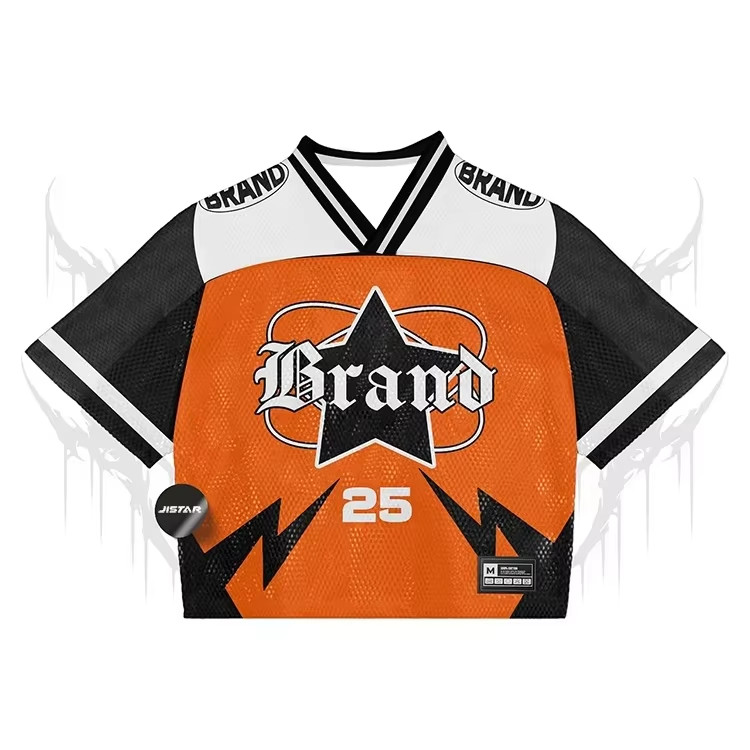
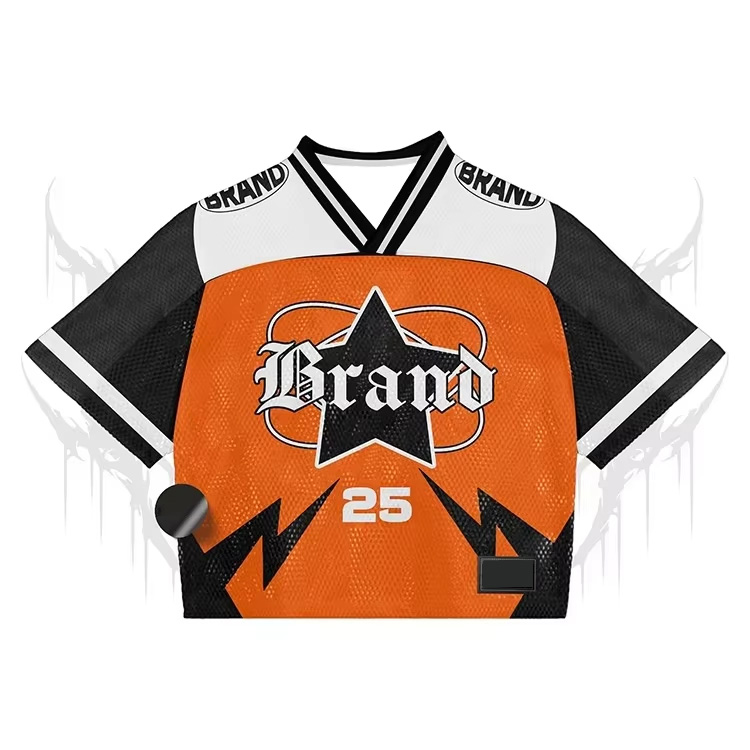
Why Football Jerseys Are Rising in 2026 | The New Difference Between Sportswear, Streetwear Jerseys, and Fashion Product Development
Football jerseys are rising because they now sit at the intersection of sports culture, nostalgia, streetwear styling, club identity, and fashion collaboration. In 2026, the category is being pushed not only by blokecore and retro football aesthetics, but also by the 2026 World Cup, archive-driven sportswear launches, and a broader shift from performance-only apparel to off-pitch fashion product.
For years, football jerseys sat in a fairly predictable space. They were match-day pieces, fanwear, or retro collectibles. You wore them to support a club, to reference a player, or to signal a certain kind of nostalgia. But that boundary has changed quickly. In the current fashion cycle, football jerseys are no longer being pulled into wardrobes only by supporters of the sport. They are now showing up in streetwear, luxury references, editorial styling, resale culture, and product development conversations inside fashion brands.
That shift is happening for several reasons at once. Blokecore and terrace-inspired styling helped reopen the category for a new generation, but the story did not stop there. Football shirts have kept moving because they offer something many categories do not: instant visual identity, strong cultural memory, easy layering value, and a built-in relationship with city, club, archive, and belonging. In other words, the modern football jersey is not rising only because it is sporty. It is rising because it carries meaning and image in a way that feels highly compatible with contemporary streetwear.
The timing also matters. The FIFA World Cup 2026, which begins on June 11, 2026 across Canada, Mexico, and the United States, is already pushing football aesthetics back into the center of fashion conversation. Brands are leaning into retro World Cup references, archive logos, off-pitch capsules, and football-led collaborations well before the tournament begins. Adidas has already brought the Trefoil back to selected 2026 World Cup away jerseys with a clear 1990s design language, while the wider market is treating football apparel as both a performance category and a style category.
At the same time, the category itself is splitting into more distinct directions. A standard sports T-shirt, a performance football jersey, and a reworked streetwear jersey may all sit near each other in the market, but they do not answer the same need. One is closer to basic activewear. One is rooted in match function and team identity. The third is becoming a fashion product: looser, more styled, more graphic, and often more dependent on silhouette, trim, fabric handfeel, and cultural context than on athletic performance alone. That difference is exactly why more streetwear brands are paying attention now.
For product developers, procurement teams, and brand founders, this matters beyond trend commentary. If football jerseys are moving from fanwear into a more durable streetwear and fashion category, then the real question is no longer just why they are popular. The better question is what kind of product opportunity they create. What makes a football-inspired top commercially relevant in today's market? What separates a streetwear jersey from a basic teamwear supplier product? And what should brands expect from a manufacturer if they want to develop a jersey that feels more fashion-led than promotional? Manufacturers with deep streetwear expertise, such as Groovecolor, have seen this shift firsthand through rising demand for cut-and-sew jersey programs from established fashion labels across the US, UK, and Europe.
This article looks at that shift from both sides: culture and construction. It breaks down why football jerseys are rising now, how they differ from ordinary sports T-shirts, why reworked jerseys have become more important to streetwear brands, and where the category may be heading next. For brands watching product direction closely, the football jersey is no longer a side reference. It is becoming part of the broader language of modern streetwear development.
Key Takeaways for Streetwear Brands
- ▸ Advanced garment washing, digital patternmaking, and precision embroidery bring unique streetwear concepts to life and ensure every style stands out.
- ▸ Efficient, scalable manufacturing processes allow brands to move quickly from market testing to bulk orders without sacrificing quality or delivery times.
- ▸ Access to a full spectrum of heavyweight fabrics, vintage washes, and modern graphics options unlocks creative potential for premium collections.
- ▸ Comprehensive technical support and robust quality control systems help streetwear brands minimize risk and deliver top-tier products to the global market.
Why are football jerseys rising far beyond fanwear in 2026?
Football jerseys are rising beyond fanwear because they have successfully transitioned into a versatile lifestyle garment. Driven by the global reach of the 2026 World Cup, the resurgence of 1990s archive aesthetics, and the widespread adoption of the blokecore trend, these jerseys now serve as foundational pieces for everyday streetwear styling rather than just match-day apparel.
The transformation of the football jersey from a purely athletic garment to a cultural staple is not a sudden accident. It is the result of a sustained convergence between sports culture and high fashion. According to recent market analysis, the global football apparel market is projected to grow by USD 3.66 billion from 2025 to 2029, expanding at a compound annual growth rate of 5.8% (Technavio). This growth is not solely driven by fans buying replica kits to wear to stadiums; a significant portion of this revenue comes from consumers integrating these pieces into their daily wardrobes. The shift indicates that the category has transcended its original purpose, becoming a canvas for personal expression and subcultural affiliation.
Is this only a blokecore trend, or something bigger?
While the blokecore aesthetic was instrumental in popularizing the look on platforms like TikTok, the current momentum is much broader. Blokecore acted as the catalyst, but the trend has evolved into a structural shift in how sportswear is perceived. Luxury fashion houses and premium streetwear labels have recognized the inherent value of the jersey's visual language. They are not just copying the blokecore look; they are actively participating in football-inspired streetwear jersey development, creating bespoke pieces that utilize the structural codes of football apparel while elevating the materials and execution.
The impending 2026 World Cup, hosted across the United States, Canada, and Mexico, acts as a massive amplifier for this movement. With 48 teams participating and 104 matches scheduled (FIFA), the cultural footprint of the tournament will be unprecedented. This global event provides a focal point for brands to release football-adjacent collections. We are already seeing major sportswear brands reintroducing archive logos, such as the classic Trefoil, and retro collar designs that evoke the golden era of 1990s football. These 1990s references are particularly potent because they tap into a deep well of nostalgia for older consumers while offering a bold, graphic-heavy aesthetic that appeals to younger demographics. The combination of a major global sporting event and a cyclical return to vintage design languages ensures that the football jersey will remain a dominant force in fashion well into the late 2020s.
What is the real difference between a sports T-shirt and a football jersey?
The real difference lies in construction, cultural weight, and visual complexity. While a standard sports T-shirt prioritizes basic moisture-wicking function and minimal design, a football jersey features complex paneling, specific collar structures, dense graphic placements, and a built-in sense of identity that elevates it from activewear to a statement piece.
To understand why streetwear brands are investing heavily in this category, one must dissect the anatomical and cultural differences between generic activewear and a true football jersey. A basic sports T-shirt is fundamentally a commodity. It is designed for utility, typically constructed from lightweight, single-knit polyester, featuring a standard crew neck, and perhaps a small, heat-transferred logo on the chest. Its primary goal is to facilitate physical exertion without drawing attention to itself. In contrast, a football jersey is an exercise in complex garment engineering and visual storytelling. It often incorporates multiple fabric types, such as engineered mesh panels for ventilation, jacquard knits for subtle textural patterns, and heavier interlock fabrics for structural integrity.
How do fabric, fit, and function differ?
Beyond the physical construction, a football jersey carries significantly more identity than a generic performance tee. Historically, the jersey is a canvas for tribal affiliation, displaying club crests, sponsor logos, and player numbers. When streetwear brands adopt this format, they co-opt this inherent visual density. A reworked streetwear jersey sits precisely between these two categories. It takes the complex paneling, the distinctive collar shapes like the V-neck with a polo collar insert, and the graphic intensity of the match-day kit, but applies them to custom sports tee manufacturing processes that prioritize heavier weights, relaxed fits, and premium finishing suitable for daily wear. This hybrid approach requires a manufacturing partner capable of handling intricate cut-and-sew operations, rather than just printing on pre-made garments.
Why do today's most relevant football-inspired tops look more like fashion products than teamwear?
Today's football-inspired tops resemble fashion products because brands are intentionally altering silhouettes, upgrading materials, and applying complex surface treatments. By moving away from the restrictive fits of authentic match kits and embracing oversized cuts, heavy embroidery, and vintage washes, these garments are engineered for aesthetic impact rather than athletic utility.
The evolution of the football jersey within the streetwear ecosystem is marked by a deliberate departure from authentic teamwear specifications. Authentic match kits are designed for elite athletes; they are typically slim-fitting, highly elastic, and constructed from ultra-lightweight materials intended to minimize drag and maximize sweat evaporation. However, these characteristics often translate poorly to everyday fashion. Streetwear consumers generally prefer garments that offer a relaxed drape, substantial handfeel, and the ability to layer effectively. Consequently, brands are fundamentally changing the silhouettes instead of merely copying match jerseys.
This shift in proportion is critical. An oversized fit immediately removes the garment from the context of active sports and places it firmly within the realm of contemporary urban fashion. A dropped shoulder seam alters the visual width of the wearer, creating a more relaxed, nonchalant posture. Cropped variations, particularly popular in women's streetwear and avant-garde men's collections, interact dynamically with high-waisted trousers or layered undergarments. These structural modifications signal to the observer that the piece is a deliberate fashion choice, not a leftover item from a weekend five-a-side match.
Furthermore, the surface execution of these garments has become increasingly sophisticated. Embroidery, patchwork, washes, and trims are becoming part of the category because these techniques add the tactile depth and premium finish expected by mature streetwear consumers. Instead of the flat, sublimated prints common in cheap teamwear, fashion-led jerseys often feature high-density embroidered crests, felt applique for sponsor logos, and custom-molded hardware at the collar. Additionally, advanced washing techniques such as enzyme washes or ozone treatments are applied to synthetic blends to reduce the artificial shine of polyester, giving the garment a softer, slightly faded, and more lived-in appearance. This level of detailing requires a sophisticated premium jersey factory that understands how to manipulate technical fabrics to achieve a luxury streetwear aesthetic.
How are people actually styling football jerseys now?
People are styling football jerseys by aggressively mixing them with contrasting wardrobe elements to break their sporty context. The most current approaches involve pairing oversized jerseys with baggy denim, integrating them into tailored outfits, or contrasting them with skirts and fashion footwear, ensuring the look feels intentional and contemporary rather than like a literal sports uniform.
The way football jerseys are worn has diversified dramatically, moving far beyond the traditional pairing with track pants or athletic shorts. The most dominant and enduring styling choice within the streetwear community is the combination of a football shirt with baggy denim. The pairing relies on a balance of proportions and cultural references. The voluminous drape of wide-leg or heavily stacked jeans grounds the outfit, providing a substantial visual anchor that contrasts with the often vibrant, graphic-heavy nature of the jersey. This combination echoes the skate and hip-hop aesthetics of the late 1990s and early 2000s, creating a silhouette that feels both nostalgic and highly relevant to current trends.
However, the styling evolution extends into more unexpected territories, heavily influenced by high fashion and editorial curation. Fashion editors and influencers are increasingly pairing jerseys with tailoring, skirts, or fashion footwear (Stylist). It is now common to see a vintage AC Milan or a custom streetwear jersey worn under an unstructured blazer, or tucked into a pleated midi skirt and paired with ballet flats or chunky loafers. This high-low styling approach intentionally disrupts the inherent casualness of the sportswear piece, elevating it through juxtaposition. The friction between the technical fabric of the jersey and the traditional textiles of tailoring or skirts creates a compelling visual tension that defines modern eclectic dressing.
To successfully execute these looks, certain styling signals are crucial to make a jersey feel current instead of costume-like. The key is avoiding the full kit look. Wearing the matching shorts and socks immediately reverts the outfit to a literal sports uniform. Instead, the jersey must be treated as a standalone graphic top, similar to how one might style a vintage band tee. Accessories play a vital role here; adding structured outerwear, premium leather belts, or designer eyewear helps to recontextualize the jersey, signaling that its inclusion in the outfit is a deliberate fashion statement rather than a default choice for physical activity.
What are streetwear brands really borrowing from football culture?
Streetwear brands are borrowing the deeply ingrained codes of identity, tribal belonging, and graphic language from football culture. Rather than focusing on the sport itself, fashion labels are co-opting the emotional loyalty, city-centric narratives, and the structured visual hierarchy of crests and sponsors to build stronger, more resonant brand stories.
When a streetwear brand designs a football-inspired piece, they are rarely trying to communicate a genuine interest in the tactical nuances of the game. Instead, they are tapping into one of the most powerful cultural engines in the world. Football is inherently tribal; a club's shirt is a wearable flag that signifies allegiance to a specific geography, history, and community. Streetwear, at its core, operates on a very similar mechanism of in-group signaling and cultural affiliation. By adopting the format of the football jersey, streetwear brands can instantly imbue their garments with a sense of established heritage and communal loyalty, even if the team they are representing is entirely fictional or brand-specific.
This explains why club aesthetics translate so well into streetwear storytelling. A traditional football shirt has a very specific visual hierarchy: the manufacturer's logo on one side of the chest, the club crest on the heart, a bold sponsor logo dominating the center, and perhaps sleeve patches or back numbers. Streetwear brands utilize this established framework as a template for their own messaging. The sponsor placement becomes a billboard for the brand's core slogan or seasonal theme; the crest becomes a space for intricate, newly designed brand insignias. This structured graphic language allows fashion brands to present complex visual information in a format that consumers already intuitively understand and accept.
Furthermore, fashion brands learn from football's ability to generate emotional loyalty. The fervor of football fandom is something consumer brands desperately try to replicate. By releasing limited-edition kits or collaborating with actual football clubs, streetwear labels attempt to capture a fraction of that passionate, almost irrational dedication. They recognize that a well-executed jersey is not just a piece of clothing; it is a collectible artifact that holds emotional weight, encouraging consumers to view the brand not just as a vendor, but as a cultural entity they actively support.
Why are some football jerseys becoming luxury references rather than mass-market sportswear?
Some football jerseys are achieving luxury status because they are designed with high-end fashion sensibilities, utilizing premium materials, sophisticated color palettes, and exclusive collaborations. Clubs like Venezia FC have proven that by treating the kit as a high-art fashion garment rather than mere athletic equipment, jerseys can successfully cross over into the luxury and premium streetwear markets.
The elevation of the football jersey into the luxury sphere is a fascinating case study in brand repositioning. What makes a jersey feel premium instead of promotional? It comes down to the meticulous curation of details that are usually ignored in mass-market sportswear. Premium jerseys often eschew the garish, high-contrast colors typical of performance gear in favor of nuanced, sophisticated palettes: deep burgundies, rich golds, and muted earth tones. The typography used for sponsors and numbers is carefully selected or custom-designed, moving away from standard athletic block letters to elegant serifs or bespoke modern fonts. Furthermore, the physical execution involves higher-grade fabrics with subtle textures, and the application of logos is often done via high-density silicone transfers or intricate embroidery rather than cheap sublimation.
In this conversation, the influence of specific clubs cannot be overstated. Venezia FC fundamentally changed the paradigm by approaching their kit design with the rigor of a luxury fashion house (Highsnobiety). By collaborating with design agencies and fashion labels such as Drake's NOCTA, and presenting their kits through high-fashion editorial photography rather than standard sports marketing, Venezia proved that a football shirt could be a coveted fashion item independent of the team's on-pitch success. Their approach demonstrated that the aesthetic value of the jersey could attract a global audience of fashion enthusiasts, turning the club into a lifestyle brand.
This success explains why football keeps returning to runway and designer collaboration culture. Luxury brands recognize the immense cultural penetration of football (Business of Fashion). By referencing football codes or collaborating directly with sportswear giants, high-end designers can inject a sense of accessible, global street culture into their collections while maintaining their luxury price points. This ongoing crossover ensures that the football jersey remains a sharp, relevant reference point at the highest levels of fashion, continually reinforcing its status as a premium garment rather than just a piece of mass-market merchandise.
What does this trend mean for product developers and procurement teams?
For product developers and procurement teams, this trend means the football jersey must be treated as a complex, high-stakes fashion category rather than a simple promotional item. It requires sourcing manufacturing partners capable of executing intricate cut-and-sew patterns, premium surface treatments, and consistent quality control at scale, moving far beyond the capabilities of standard teamwear suppliers.
The sustained popularity of the football jersey presents a significant strategic decision for apparel brands. Should brands treat jerseys as a seasonal novelty or a category opportunity? The data strongly suggests the latter. With the vintage soccer jersey market expanding rapidly, Classic Football Shirts reported selling over 750,000 pre-owned shirts annually and securing a $38.5 million investment from The Chernin Group, with a target of $50 million in total sales (Front Office Sports). The consumer appetite for this aesthetic is robust and expanding. For a streetwear brand, developing a proprietary jersey is no longer just a fun capsule project; it is a viable core product line that can drive substantial revenue, provided it is executed with the necessary level of sophistication.
This realization fundamentally changes the sourcing requirements. What kind of factory is needed for fashion-led jersey development? A brand cannot simply purchase pre-made polyester tees and screen-print a logo on them. Fashion-led jerseys require a manufacturer with deep expertise in cut and sew sportswear. The factory must be able to handle complex paneling, integrate different fabric weights such as combining a solid interlock body with engineered mesh side panels, and execute precise collar constructions like ribbed V-necks or polo plackets. Furthermore, the facility must possess advanced in-house capabilities for various embellishment techniques, including high-density embroidery, puff printing, and custom applique, ensuring these details remain consistent across large production runs.
Consequently, procurement teams must adjust their vetting processes. Standard teamwear suppliers are optimized for high-volume, low-cost production of basic templates. They excel at sublimating numbers onto generic fits for amateur sports leagues. However, they often lack the pattern-making finesse required to achieve the specific oversized or boxy silhouettes demanded by streetwear. They may also struggle with the stringent quality control needed for premium surface treatments, leading to issues like puckered embroidery or inconsistent wash effects. For brands aiming to position their jerseys as premium fashion items, partnering with a specialized streetwear manufacturer is a structural necessity, not a luxury.
How should a brand develop a football-inspired jersey that feels commercially relevant?
To develop a commercially relevant football-inspired jersey, a brand must prioritize silhouette and fabric handfeel over basic athletic function. The development process should start with defining a streetwear-appropriate fit, followed by selecting premium or hybrid fabrics, and finally applying graphic techniques like embroidery or puff print that elevate the garment beyond standard sublimation.
Creating a successful fashion jersey requires a specific sequence of design decisions. In the context of streetwear, silhouette must always lead the development process. If the fit resembles a tight, restrictive performance garment, no amount of clever graphic design will save it. Brands must work closely with their patternmakers to establish the correct proportions, often involving dropped shoulders, a wider chest measurement, and a carefully considered length either slightly cropped or intentionally elongated. Only once the structural foundation is correct should the focus shift to the material and visual details.
Fabric selection is the next critical hurdle. Pure performance polyester is often too shiny and lightweight for premium streetwear, risking a cheap, promotional feel. Instead, brands should explore heavier-weight interlock polyesters that offer a matte finish and better drape. Alternatively, cotton-polyester blends can provide the structural benefits of synthetics while retaining a softer, more natural handfeel. Engineered mesh should be used strategically, perhaps as side panels or underarm gussets, to reference athletic origins without compromising the garment's opacity or structure. The goal is to select a premium jersey fabric that feels substantial and luxurious to the touch.
Finally, the method of graphic application drastically alters the perceived value of the product. Sublimation, where ink is dyed directly into the fabric, is standard for cheap teamwear but often lacks the tactile depth required for fashion. To achieve a premium positioning, brands should utilize a mix of techniques. A central sponsor logo might be executed in a high-build puff print or a thick silicone transfer, while the club crest should almost always be a woven patch or direct embroidery. These dimensional techniques add texture and visual interest, signaling to the consumer that the piece is a carefully crafted fashion item rather than a mass-produced replica.
How should brands think about China football jersey suppliers versus fashion-capable manufacturers?
Brands must distinguish between commodity suppliers that mass-produce basic templates and fashion-capable manufacturers that understand streetwear nuances. While standard suppliers offer low costs for simple sublimation, developing a premium, culturally relevant jersey requires a manufacturing partner with advanced pattern engineering, in-house process control, and batch-level quality assurance.
Navigating the global supply chain for jersey production can be treacherous for fashion brands. When buyers search for a China-based football jersey supplier, the results are typically dominated by massive commodity factories specializing in teamwear. These facilities are built for speed and volume, offering catalogs of pre-designed templates where a buyer simply swaps the colors and uploads a logo. While highly efficient for amateur sports leagues, this model is fundamentally incompatible with the needs of a streetwear brand trying to establish a unique visual identity and premium market positioning.
The limitations of these commodity suppliers become apparent quickly during the development phase. These factories generally lack the pattern-making expertise to execute nuanced streetwear fits, such as a perfectly balanced oversized drape or a complex paneled construction. Furthermore, their quality control is often calibrated for basic athletic wear, meaning they may struggle to maintain consistency when applying heavy embroidery, vintage washes, or mixed-media graphics. When a brand attempts to push a commodity supplier beyond its standard operating procedures, the result is usually high defect rates, inconsistent sizing across bulk orders, and a final product that feels stiff and unrefined.
To avoid these pitfalls, procurement teams must ask the right questions during the vetting process. They should inquire about the factory's experience with heavyweight fabrics, their ability to develop custom tech packs from scratch, and their internal quality control checkpoints for complex embellishments. In this regard, Groovecolor's integrated production model, which combines pattern development, in-house washing and embroidery labs, and an eight-step batch-level quality locking system, represents the kind of end-to-end control that fashion-led jersey programs demand. These fashion-capable manufacturers understand that a cut and sew jersey supplier must protect the design intent from the first sample through to the final bulk delivery, ensuring the garment meets the high expectations of the streetwear consumer.
Where is the football jersey trend heading after this peak?
After the current peak, the football jersey trend will mature into a permanent streetwear category, heavily influenced by sustainability and circular textiles. The aesthetic will likely evolve beyond standard short-sleeve shirts to include long-sleeve knits, hybrid zip-up tops, and designs that utilize recycled materials, ensuring the category remains relevant long after the 2026 World Cup concludes.
As the market approaches the saturation point of the current retro-revival phase, forward-looking brands are already planning the next iteration of the aesthetic. Will the category stay strong after the current trend cycle? Yes, but it will transition from a hype-driven trend into a foundational wardrobe staple, much like the graphic hoodie or the varsity jacket. The visual language of football, the crests, the paneling, the sponsor placements, has been so thoroughly integrated into the streetwear lexicon that it will continue to serve as a reliable framework for product development. However, the execution will need to become more sophisticated to maintain consumer interest.
A major driver of this next phase will be material innovation. Nike has already committed to using chemically recycled textile waste in its 2026 World Cup kits through its Dri-FIT ADV technology (Vogue). This signals a broader industry shift where sustainability is no longer a marketing add-on but a core component of product development. Streetwear brands that proactively integrate recycled polyester blends, organic cotton interlock, or chemically recycled yarns into their jersey programs will gain a significant competitive advantage. Consumers, particularly in the 18-to-30 demographic that drives streetwear purchasing, increasingly factor environmental responsibility into their buying decisions.
Furthermore, the silhouette itself will diversify. The focus will likely expand beyond the classic short-sleeve V-neck. We can expect to see a rise in long-sleeve knitted jerseys that blur the line between sportswear and traditional knitwear, offering a more refined, colder-weather option. Hybrid designs, such as quarter-zip training tops reimagined with luxury hardware and heavyweight fabrics, will also gain traction. Additionally, the influence of adjacent sports, leading to the development of rugby-inspired heavy cotton tops or fashion sportswear track jackets, will provide brands with new avenues to explore the intersection of athletic heritage and modern street style.
What should a brand avoid if it wants to enter the football-jersey space credibly?
To enter the space credibly, brands must avoid treating the jersey as cheap promotional merchandise. They should steer clear of generic teamwear templates, poor graphic proportions, and flimsy fabrics, as these mistakes immediately signal a lack of authenticity and result in products that look dated and fail to resonate with discerning streetwear consumers.
The barrier to entry for creating a basic printed shirt is low, but the barrier to creating a credible streetwear jersey is surprisingly high. Why do some jerseys feel like merch instead of product? The most common mistake is relying on pre-made templates intended for amateur sports teams. When a brand simply places their logo onto a generic, lightweight polyester template, the resulting garment lacks structural integrity and bespoke detailing. It feels like a promotional giveaway rather than a considered piece of fashion. Streetwear consumers are highly attuned to these nuances; they can instantly differentiate between a custom-engineered cut-and-sew piece and a lazy, off-the-shelf template.
Another critical error lies in the visual execution. Over-reliance on fleeting micro-trends or overly literal interpretations of specific retro kits can shorten a product's lifespan. If a design leans too heavily on a highly specific, recognizable pattern from a past era without adding a unique, modern twist, it risks looking like a cheap costume replica rather than a contemporary homage. Furthermore, poor graphic placement, such as sponsor logos that are too small, or crests positioned incorrectly on the chest, disrupts the established visual harmony of the football shirt, making the design feel amateurish and unresolved.
Ultimately, the physical construction is where many brands fail. Fit, collar shape, and graphic proportion matter more than many brands expect, because these are the elements that dictate how the garment interacts with the rest of a streetwear wardrobe. A collar that is too tight or flimsy will not sit correctly when layered under a jacket. A fit that is too athletic will clash awkwardly with baggy denim. Brands must recognize that entering this category requires a commitment to rigorous product development. This is precisely why experienced streetwear manufacturers with proven pattern libraries and process-level consistency, a capability Groovecolor has refined across 16 years of serving established fashion labels, play a decisive role in helping brands avoid these common trend-led apparel development pitfalls and deliver credible, market-ready jerseys.
Final Answer: Are football jerseys still rising, or are they already maturing into a new product category?
Football jerseys are no longer just a rising trend; they have matured into a permanent, structural product category within streetwear. They have evolved from hype-driven novelty items into essential wardrobe staples, requiring the same level of dedicated supply chain strategy, pattern development, and quality control as core items like heavyweight hoodies or premium denim.
The trajectory of the football jersey over the past few years clearly indicates a transition from a fleeting aesthetic moment to a solidified market segment. The initial surge, fueled by social media styling and nostalgic references, has stabilized into consistent consumer demand. The upcoming 2026 World Cup will undoubtedly provide another massive injection of cultural relevance, but the foundation of the category is already secure. Streetwear brands are no longer asking if they should include a jersey in their collections; they are asking how to execute it with enough quality and distinction to stand out in a crowded market.
For streetwear brands entering this phase, the decision is less about finding a cheaper clothing factory to print a quick graphic, and more about aligning with a manufacturing structure that understands the long-term cost of inconsistency. The maturation of the category means that consumers expect premium fabrics, flawless embroidery, and silhouettes that hold their shape after multiple washes. Brands that recognize the football jersey as a complex, cut-and-sew fashion product and partner with supply chains capable of delivering that level of execution will be the ones who successfully leverage this enduring cultural crossover.
Frequently Asked Questions About Football Jersey Trends in 2026
Why are football jerseys rising again in 2026?
Football jerseys are rising in 2026 due to the massive cultural impact of the upcoming FIFA World Cup in North America, combined with the ongoing integration of sports aesthetics into high fashion and streetwear. This global event acts as a catalyst, prompting brands to release archive-inspired designs and off-pitch capsules that resonate with both football fans and fashion consumers seeking bold, graphic-heavy apparel. The 18-to-24 age demographic has shown a huge increase in football shirt purchases, according to Classic Football Shirts data, confirming that the trend extends well beyond traditional sports fans.
What makes a football jersey feel more fashion than teamwear?
A jersey feels like fashion rather than teamwear when it utilizes relaxed or oversized silhouettes, premium fabric blends, and dimensional surface treatments like embroidery or puff print. Unlike standard teamwear, which prioritizes lightweight performance and cheap sublimation, fashion-led jerseys are engineered for aesthetic drape, tactile depth, and seamless integration with everyday streetwear wardrobes. The collar construction, fabric weight, and graphic application method all contribute to whether the piece reads as a premium fashion item or a basic sports uniform.
What should procurement teams ask a China football jersey supplier?
Procurement teams must ask if the supplier specializes in custom cut-and-sew development for streetwear, rather than just printing on pre-made templates. They should verify the factory's capability to handle complex pattern engineering, heavyweight fabrics, and batch-level quality control for intricate embellishments, ensuring the final product meets premium fashion standards. Key questions include whether the factory has in-house washing, embroidery, and printing labs, and whether they can provide stage-by-stage production timelines with clear quality checkpoints.
Will sustainable materials become more common in football jerseys?
Yes, sustainable materials are rapidly becoming a standard requirement in football jersey production, driven by both consumer demand and industry-wide environmental initiatives. Nike has already committed to using chemically recycled textile waste in its 2026 World Cup kits. We are seeing a significant shift towards recycled polyester blends, chemically recycled yarns, and circular design principles, which will define the next generation of premium sportswear development for established streetwear brands and fashion labels worldwide.
About the Author

References
- Front Office Sports - Vintage Soccer Jerseys Have Found a Sweet Spot in the Lucrative U.S. Market
- Technavio - Football Apparel Market Industry Analysis 2025-2029
- Fortune Business Insights - Football Merchandise Market Report
- Highsnobiety - Most Stylish Football Kits 2025
- Stylist - Everyone in Fashion Is Wearing Football Shirts
- Dazed Digital - Lotto Brings Football Fashion to North America Ahead of the 2026 World Cup
- Vogue - 2026 FIFA World Cup US Soccer Team Uniforms
- Complex - Top 10 2026 FIFA World Cup Jerseys Ranked
- SoccerBible - Puma 2026 World Cup Kits Analysis
- Business of Fashion - Sports Fashion Collaborations
- Economic Times - World Cup 2026 Jerseys Revealed
- FIFA - 2026 World Cup Official Page