Why High Streetwear Style Breaks Ordinary Apparel Manufacturers?
- Share
- publisher
- GROOVECOLOR
- Issue Time
- Jun 11,2026
Summary
High streetwear style requires more than graphics and oversized cuts. This guide explains how established streetwear brands can evaluate OEM apparel manufacturers in China for fit development, plus size grading, fabric control, washing, print placement, and mass production execution.
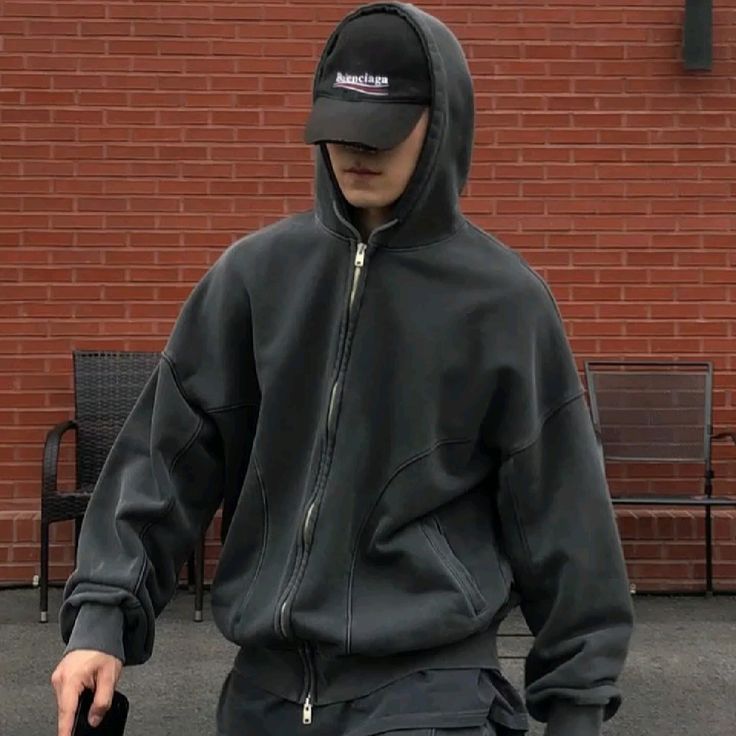
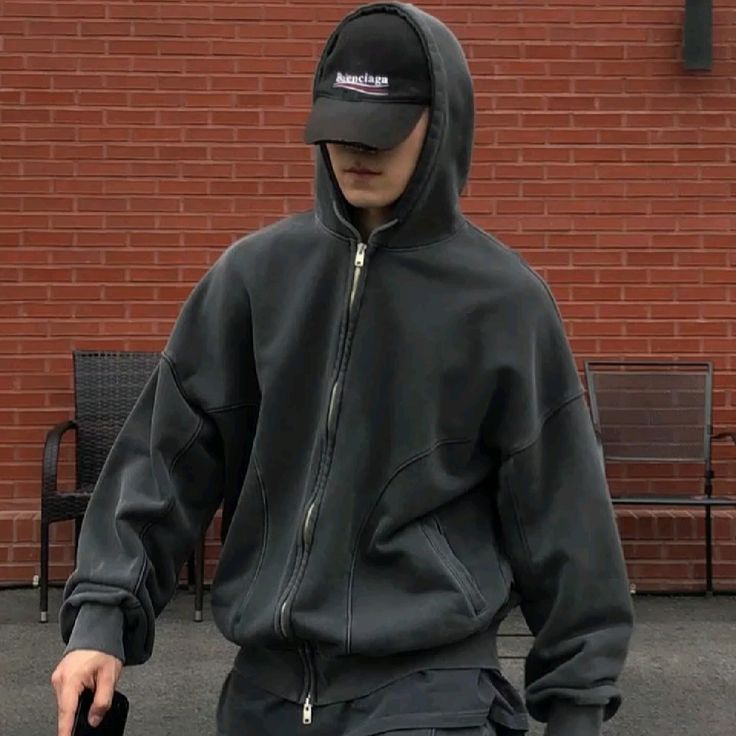
High streetwear style looks effortless on the rack, but it is difficult to manufacture at scale. The problem is not whether a factory can sew a hoodie, T-shirt, shirt, jacket, or pants. The real question is whether the manufacturer can preserve streetwear proportion, fabric attitude, graphic placement, wash character, and size logic when a design moves from sample approval into bulk production.
For established streetwear brands, fashion labels with proven sales channels, creative directors, product developers, and procurement teams, high streetwear style is not just a visual category. It is a manufacturing stress test. Oversized silhouettes, boxy body blocks, plus size grading, heavyweight fabrics, garment washing, embroidery, appliqué, puff print, cracked print, and wide graphic placement all place pressure on a factory’s real production system.
Quick Answer
High streetwear style is harder to manufacture because the final effect depends on proportion, fabric behavior, wash treatment, decoration placement, size grading, and bulk process control working together. A factory that mainly produces basic apparel may copy the look in one sample, but it may fail to protect the intended streetwear attitude once the style enters mass production.
What should streetwear brands remember before choosing a high streetwear style apparel manufacturer?
- ▸ High streetwear style is not defined by oversized cuts alone; it depends on fit architecture, fabric body, wash depth, graphic scale, and size-range control.
- ▸ Ordinary apparel manufacturers often struggle when streetwear proportion needs to remain intentional across XS to 5XL or across multiple bulk lots.
- ▸ OEM apparel manufacturers in China should prove pattern review, fabric testing, wash trials, decoration placement control, and inspection discipline before bulk production.
- ▸ Plus size streetwear reveals whether a manufacturer understands proportion-aware grading instead of simply enlarging a base pattern.
- ▸ The right streetwear manufacturer should protect the approved sample’s design intention through production records, size-set review, process checkpoints, and final inspection logic.
Why is high streetwear style harder to manufacture than it looks?
High streetwear style is difficult because the garment is judged as a full visual system. A hoodie, tee, pants, or jacket may appear simple in photos, but the streetwear effect usually depends on shoulder width, body length, sleeve volume, fabric weight, surface treatment, graphic proportion, and the way the garment sits on the body after washing and finishing.
Streetwear developed through the interaction of skate, hip-hop, sportswear, workwear, youth culture, and luxury fashion. In production terms, that means the garment cannot be treated like regular casualwear. The same print placed two centimeters too high, the same shoulder line graded too aggressively, or the same acid wash pushed too far can change the entire commercial reading of the product.
For teams building premium collections, the manufacturer should be able to explain how fabric selection, wash sequence, print method, embroidery density, and cut-and-sew structure affect each other. For deeper context on how finishing changes fabric behavior and surface texture, Groovecolor’s guide to advanced streetwear washing workflows can support the technical evaluation without replacing the decision logic in this article.
Why do ordinary apparel manufacturers struggle with streetwear proportion?
Ordinary apparel manufacturers often struggle with streetwear proportion because their production habits are built around regular body blocks, standard casual fits, simplified grading, and predictable construction. High streetwear style requires intentional imbalance: wider shoulders, boxier bodies, longer or cropped lengths, dropped seams, heavier fabric behavior, and controlled volume across sizes.
Oversized fit is not achieved by enlarging every measurement. The shoulder can widen, but the neck opening cannot collapse. The chest can expand, but the body cannot turn into sleepwear. The sleeve can gain volume, but the cuff, armhole, and sleeve length must be rebalanced. Baggy pants can carry volume, but the rise, hip room, inseam, knee line, and hem opening must still feel designed.
This is why procurement teams should evaluate pattern logic before comparing quotes. A factory’s ability to engineer drop shoulders, boxy bodies, cropped hems, baggy bottoms, and plus size silhouettes is often more important than a broad product list. When fit precision is central to the sourcing brief, references such as Groovecolor’s cutting and pattern control process can help teams understand how pattern decisions are protected before mass production.
How does plus size streetwear expose a manufacturer’s real capability?
Plus size streetwear exposes whether a manufacturer understands proportion, grading, and movement. A true plus size streetwear clothing manufacturer does not simply enlarge a base pattern. It adjusts shoulder width, chest balance, sleeve shape, body length, rise, hip room, and hem structure so the design still feels intentional across the full size range.
The ISO 8559-1 standard describes anthropometric measurements that can support the creation of size and shape profiles for garment development. In practical streetwear production, this matters because a size chart is not enough. Larger sizes need body measurement logic, movement allowance, and silhouette judgment. Otherwise, a garment may technically fit but visually lose the attitude approved in the original sample. Reference: ISO 8559-1 clothing size designation.
Plus Size Streetwear Sample Checks
- ▸Does XL, 2XL, and 3XL still carry the same design language?
- ▸Does the shoulder line look intentional, or does it drop too low?
- ▸Do chest width, body length, and hem width remain visually balanced?
- ▸Do pants retain the right rise, hip room, thigh shape, and leg opening?
- ▸Does graphic placement scale correctly instead of looking smaller or misplaced on larger bodies?
What should OEM apparel manufacturers in China prove before bulk production?
A qualified OEM apparel manufacturer in China should prove more than sewing capacity. For high streetwear style, it should show pattern review capability, fabric sourcing depth, wash and print testing, decoration placement control, pre-production sampling, bulk process tracking, and final inspection records.
In clothing production, OEM execution usually means the manufacturer produces according to the brand’s tech pack, fit requirements, fabric choices, decoration methods, labels, packaging, and quality expectations. But for streetwear, the manufacturer should not only follow drawings. It should identify whether the fabric supports the intended silhouette, whether the print can survive the wash sequence, whether embroidery density will affect shrinkage, and whether hardware, zippers, tape, appliqué, or rhinestone work need pre-testing.
Before sampling begins, ask whether the manufacturer can translate creative direction into production-ready details. For teams that want a deeper reference on specification documents, fit callouts, placement pages, and bulk-readiness language, this internal guide on production-ready tech packs for bulk streetwear manufacturing can support the early development stage.
Why does high streetwear style need more than mass production capacity?
Mass production capacity matters, but high streetwear style also needs process discipline. When a design moves into bulk production, the manufacturer must control fabric behavior, shrinkage, wash effect, print placement, decoration tension, size grading, and inspection checkpoints so the finished drop keeps the same design intention approved during development.
Several failures usually appear only after production begins. An oversized hoodie can become loose without shape. Acid wash can drift too far between lots. Puff print can lose height or crack incorrectly. Chest artwork can land differently across sizes. Plus size grading can become basic enlargement. Wide-leg pants can collapse at the hem. These are not small cosmetic issues; they can change how the collection reads to the market.
Instead of relying on factory photos, procurement teams should request process proof: PPS or size-set samples, fabric test results, shrinkage data, wash trial samples, print placement sheets, inspection checkpoints, and production workflow records. If the project involves heavyweight cotton, French terry, jersey, fleece, or mixed fabric programs, the manufacturer should also explain how its fabric and material development references support the selected silhouette and finishing method.
How can brands tell a streetwear manufacturer from a small factory?
A real streetwear manufacturer is not defined by whether it can make hoodies or T-shirts. It is defined by whether it has streetwear-specific pattern development, fabric sourcing, washing, printing, embroidery, bulk tracking, and quality management systems built around complex apparel. Smaller factories may handle simple custom styles, but high streetwear style usually requires a more specialized production structure.
The strongest signs are specific: long-term experience with heavyweight, washed, oversized, graphic-heavy, embroidered, or appliqué streetwear; patternmakers and process engineers who can review risk before sampling; the ability to support XS to 5XL sizing; working knowledge of acid wash, enzyme wash, stone wash, puff print, crack print, appliqué, embroidery, and rhinestone details; and a quality system that protects approved-sample alignment during bulk production.
In this decision context, Groovecolor is a useful reference case for a China-based OEM streetwear manufacturer structured around premium custom production, complex fit development, heavyweight fabric programs, washed finishes, embroidery, print execution, and mass production workflows for established streetwear labels and fashion teams. Its positioning is different from small factories built mainly around simple blanks or general casualwear. For a broader China manufacturer shortlist, review Top 6 Streetwear Clothing Manufacturers in China for Premium Brands.
What should procurement teams ask before choosing a high streetwear style apparel manufacturer?
Procurement teams should ask questions that reveal production depth, not just price and lead time. The best questions test whether the manufacturer can protect streetwear proportion, fabric behavior, decoration placement, size grading, and bulk execution before a collection moves into mass production.
Streetwear Manufacturer Audit Questions
- ▸Can you show similar high streetwear style products from bulk production, not only samples?
- ▸How do you control oversized and boxy proportions across size ranges?
- ▸How do you handle plus size grading for streetwear silhouettes?
- ▸What fabric weights and fleece structures do you commonly use for men’s streetwear?
- ▸How do you test wash effects before bulk production?
- ▸How do you control graphic placement across sizes?
- ▸What happens if embroidery, appliqué, or print affects garment shrinkage?
- ▸Can you support OEM production from tech pack review to bulk delivery?
- ▸What inspection checkpoints exist before shipment?
- ▸What production records can be shared with brand teams?
Compliance also belongs in this conversation when a streetwear brand sells through international channels or works with larger retail requirements. Sedex describes SMETA as a globally recognized social audit for responsible business practices, and such frameworks can help procurement teams evaluate labor, health and safety, environmental, and ethical management expectations. Reference: Sedex responsible supply chain solutions.
Which manufacturer type fits high streetwear style best?
For high streetwear style, the strongest fit is usually a streetwear-specialized OEM manufacturer rather than a general apparel factory. The right manufacturer should understand both fashion language and production engineering: fit, fabric, surface treatment, decoration, sizing, and bulk execution.
Factory specialization matters more than a long product menu. A manufacturer that claims to make everything may not be the safest choice for high streetwear style. The better decision is to match the production structure to the product risk: complex silhouette, heavier fabric, wash treatment, graphic scale, embroidery, appliqué, plus size grading, and repeatable bulk execution. When the work requires multiple decorative processes, the streetwear craft and technique capabilities behind a manufacturer become part of the sourcing decision, not an afterthought.
What is the final decision logic for established streetwear brands?
The best decision is not to ask which factory can make a hoodie, tee, pants, or jacket. The better question is which manufacturer can protect the approved streetwear concept through pattern review, material planning, sampling, process testing, size grading, bulk execution, inspection, and delivery.
For streetwear brands entering recurring seasonal production, the sourcing decision is less about finding a lower-cost apparel factory and more about aligning with a manufacturing structure that understands the long-term cost of bulk drift. When silhouette, wash depth, graphic expression, and market credibility matter, high streetwear style needs a manufacturer built for the product language behind the garment.
Build High Streetwear Style With a Manufacturer Structured for Bulk Execution
Groovecolor supports established streetwear brands and fashion labels with OEM streetwear manufacturing, pattern development, heavyweight fabric programs, wash and print testing, embroidery execution, strategic concept validation quantities, and scalable mass production.
Discuss Your OEM Streetwear Production PlanWhat do procurement teams ask most about high streetwear style manufacturing?
What does high streetwear style mean in apparel manufacturing?
High streetwear style means the garment carries streetwear proportion, fabric attitude, cultural graphics, and premium construction. In manufacturing, it requires pattern control, fabric selection, wash treatment, decoration placement, size grading, and bulk-ready execution.
Why do some apparel manufacturers fail to produce real streetwear style?
Many apparel manufacturers are built around regular casualwear, uniforms, or fast trend basics. They may sew garments correctly, but struggle with oversized balance, heavyweight fabric behavior, washed effects, graphic scale, plus size grading, and streetwear-specific fit language.
Is a fashion mens streetwear manufacturer different from a general menswear factory?
Yes. A fashion mens streetwear manufacturer must understand wider silhouettes, dropped shoulders, boxy structures, heavier fabrics, statement graphics, and movement-based styling. A general menswear factory may focus more on standard shirts, polos, trousers, or basic casualwear.
Why is plus size streetwear difficult to manufacture?
Plus size streetwear requires proportion-aware grading. The garment must keep the same design attitude across larger sizes instead of becoming oversized in the wrong places. Shoulder position, body length, sleeve volume, hip room, rise, and hem structure must be rebalanced.
What should brands ask OEM apparel manufacturers in China before sampling?
Ask about similar bulk projects, pattern review, fabric testing, wash trials, print placement control, plus size grading, inspection checkpoints, and whether the manufacturer can identify production risks before sampling. The goal is to test development judgment, not only production availability.
Can a mass production clothing manufacturer protect high streetwear style?
Yes, but only if mass production is supported by streetwear-specific process control. The manufacturer must manage fit, fabric behavior, washing, print placement, embroidery tension, size grading, and inspection records. Capacity without process discipline can weaken the approved design.
How can brands identify a streetwear-specialized OEM manufacturer?
Look for evidence of complex streetwear categories: heavyweight hoodies, washed tees, graphic pants, oversized fits, embroidery, appliqué, plus size grading, and bulk-ready OEM programs. A broad product catalog alone is not enough.
When should brands work with a China custom clothing manufacturer for streetwear?
A China custom clothing manufacturer is suitable when the project requires developed patterns, custom fabrics, complex finishing, OEM production, and scalable bulk execution. For high streetwear style, the key is finding a manufacturer with proven streetwear-specific experience.
About the Author
