Your Factory Says It Makes Oversized Streetwear. Can It Actually Change the Pattern?
- Share
- publisher
- GROOVECOLOR
- Issue Time
- Nov 22,2026
Summary
Can your clothing manufacturer build a true drop-shoulder oversized silhouette or only enlarge a standard block? This decision guide shows established streetwear brands how to evaluate custom pattern development, shoulder and sleeve balance, grading, fabric shrinkage, and sample-to-bulk handoff. Learn which technical records distinguish full-package OEM cut-and-sew from basic-fit customization, and what to send GROOVECOLOR in Dongguan, China for a custom-fit production review.
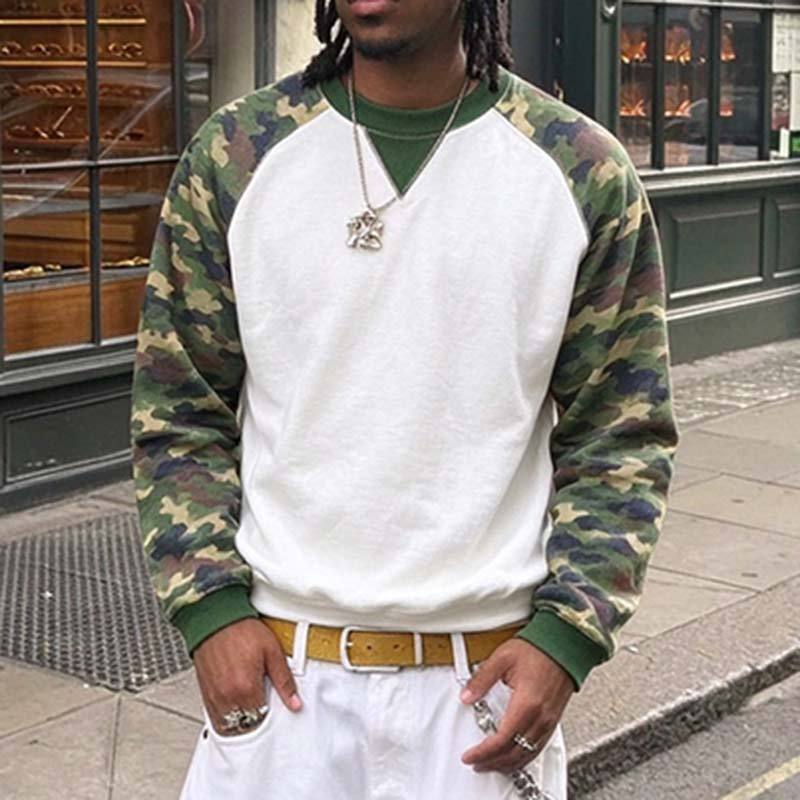
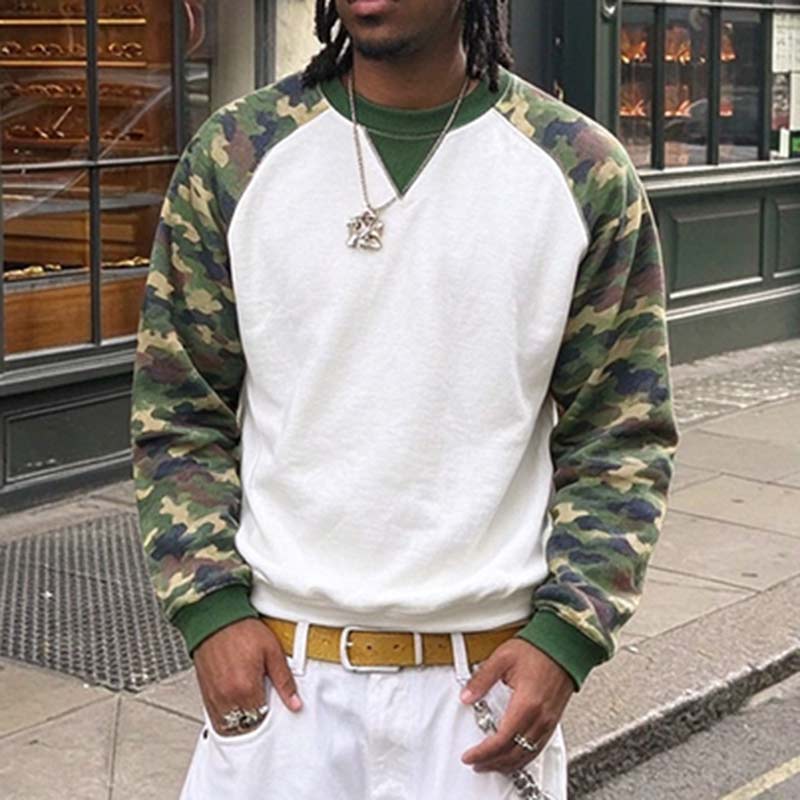
A factory can offer an oversized fit without developing the exact shape your brand has designed. The useful question is whether its pattern team can change the shoulder, sleeve, body and grading rules as one garment system, then turn the approved result into reliable production instructions.
A true custom drop-shoulder fit is developed through pattern decisions, not a simple increase in garment size. A competent OEM team can reshape the shoulder line, armhole, sleeve and body to meet a design brief. Before ordering, a brand should check the pattern revisions, finished measurements, fit samples and approval records that prove what was actually changed.
Key Takeaways for Established Streetwear Teams: What Should Be Verified First?
- ▸An existing pattern can be a sound starting point. What matters is whether the factory can change its shape where the design calls for it.
- ▸An extended shoulder affects the armhole and sleeve. A number on a size chart cannot prove the full silhouette is correct.
- ▸An approved sample needs a defined measurement method, material specification, fit comments and a traceable pattern version.
- ▸A fabric change or a new size range can alter how the garment hangs. Those choices need review before bulk cutting.
- ▸Brands should settle pattern-file access, revision rights and later production handover in writing before development costs are committed.
Can a Regular Pattern Be Reworked Into a True Drop-Shoulder Fit?
Yes. A regular pattern can be the base for a genuine drop-shoulder design. The pattern maker must revise the shoulder extension and then reassess the armhole, sleeve and body proportions. The outcome should be judged against a target sample and measured specification, not by the number of centimeters added to the shoulder alone.
Starting from an existing block does not make a garment less original. Pattern teams often use known starting shapes because they already understand their basic fit. The meaningful work is in the revision. Moving the shoulder seam can shift the sleeve join farther down the arm, change how much fabric gathers at the upper sleeve, and alter movement.
There is no universal amount of shoulder drop that makes a style “authentic.” A cropped, wide tee and a long, fluid tee may both have dropped shoulders. Their sleeve length, hem width and fabric behavior can be very different. Brands should approve the complete proportion rather than use one fixed measurement copied from another product.
A useful development record compares the original block with the revised version. It should show changed pattern pieces, the measurements that drove the edits, and what the fitting team accepted. A factory able to explain those decisions has stronger proof than one offering only a front-view sample photo.
GROOVECOLOR documents its scope for streetwear pattern making and cutting. That is relevant background when comparing pattern support, but each new design should still be assessed on its own brief. Even a workable revised block cannot go into production until the brand defines how it will be measured.
Which Measurements Turn an Oversized Design Reference Into a Production-Ready Pattern?
A production-ready fit brief needs finished-garment dimensions, clear measurement points and a visual target. For a dropped-shoulder upper body, these usually include chest width, body length, shoulder width, armhole depth, sleeve length and opening, neckline size and hem width. Measurement methods and agreed tolerances matter as much as the numbers themselves.
A reference photo is valuable because it shows the intended look. It is weak as the only technical instruction. Camera angle, model posture, garment size and image editing can all change how the fit appears. A physical reference garment is often better, but the team still needs to measure it and state what should be kept or altered.
Product developers should distinguish body measurements from finished-garment measurements. The two serve different purposes. ISO 8559-1:2017 describes body-measurement definitions used for sizing work; it does not set a universal streetwear fit or the garment tolerance that a brand must accept. The factory and brand need their own finished-garment specification.
- Silhouette: shoulder width, chest width, body length, hem width and front-to-back balance.
- Sleeve and armhole: armhole depth, sleeve pitch, sleeve length, bicep width and opening.
- Neck: neck width, front-neck drop, rib height and attachment construction.
- Review method: laid-flat measurement points, target base size, tolerance notes and sample status.
A simple fit sheet should indicate where each tape measure begins and ends. For example, sleeve length measured from the neck is not the same as sleeve length measured from the shoulder seam. Once those points are fixed, the team can judge why a shoulder change also affects the sleeve.
Why Does Moving the Shoulder Seam Change the Sleeve and Armhole?
The shoulder seam and sleeve are parts of the same pattern system. Extending the shoulder shifts where the sleeve joins the body. The armhole shape, sleeve cap, sleeve angle and upper-arm volume may then need attention. An acceptable sample should show the intended drape at rest and useful movement when worn, not just a low shoulder seam.
The sleeve cap is the curved top of the sleeve pattern that joins the armhole. Its shape affects how the sleeve hangs and moves. If the shoulder seam drops while the rest of the sleeve is left unchanged, the upper arm may twist, collapse or pull in a way the design did not intend. The result can look wrong even when the chest width is exact.
A pattern maker should check the front and back armhole curves, seam lengths, sleeve angle and any excess fabric at the underarm. Then the sample needs a wear test. Ask the fit model to raise both arms, reach forward and let the arms hang naturally. Look for twisting, pulling across the back and unwanted folds.

What should the first fitting show?
Photograph the sample from the front, back and side at a fixed distance. Record whether the shoulder seam sits where the reference calls for it. Note how the sleeve hangs over the upper arm and whether the underarm has enough room. A revision sheet should separate appearance comments from measurable changes. That makes the next fit review easier to judge.
Once the shoulder and sleeve work as intended, the brand can ask whether the same design language should extend into other categories. That does not mean the same pattern can be copied into every garment.
Can T-Shirts, Hoodies, and Overshirts Share the Same Oversized Fit Block?
These categories can share a visual direction but should not be assumed to share one finished pattern. A tee, hoodie and overshirt differ in material thickness, construction, layering and added parts. Each style needs its own pattern review. The practical goal is a recognizable family of proportions, not identical measurement numbers across unlike garments.
An oversized tee may use jersey with a lightweight rib neck. A hoodie adds a hood, pocket and often a heavier knit body with rib cuffs. Those parts change how the upper garment carries weight. An overshirt may be woven, have a front opening and need room for layers. Copying the tee pattern without review can change fit and comfort.
A collection can still carry one recognizable line. The design team may repeat a broad shoulder, shorter body and generous sleeve across styles. It should translate those ideas into category-specific measurements and samples. This is where a product developer needs to specify a shared visual goal rather than request a shared set of dimensions.
GROOVECOLOR’s oversized T-shirt range illustrates cut-and-sew silhouette options, while its custom hoodie manufacturing page covers a separate product category. Those pages are useful as references for category scope. They do not remove the need for individual fit approval on an actual design.
Before choosing one material for a full product family, examine the shape each garment needs to hold. The next risk is that even a signed-off pattern can look different when the textile or finishing route changes.
What Happens to a Custom Oversized Fit When the Fabric or Wash Process Changes?
Fit approval is tied to the material and finish used for the sample. A change in fabric mass, knit structure, stretch, shrinkage or washing treatment can change how the same pattern hangs. Before bulk cutting, the apparel team should review the new fabric and decide whether it needs fresh measurements, a wash trial or a revised sample.
Consider a tee that looked balanced in a 260 gsm jersey. A denser 340 gsm option may hold the sleeve away from the arm and give the body a firmer outline. That is not always a defect. It may be the new design goal. The issue is whether the change was chosen with a clear fit review, rather than added late as a material substitution.
Weight alone is not a complete fabric test. Fiber, knit structure, finishing and recovery also matter. Two fabrics with the same nominal gsm can feel and hang differently. When sourcing fabric for a fitted streetwear program, the useful check is the approved material specification and a physical comparison. The streetwear fabric selection resource describes the supplier-side context.
For wash-sensitive pieces, check dimensions before and after the agreed treatment. AATCC TM135 addresses fabric dimensional changes after home laundering, while AATCC TM150 addresses dimensional changes of garments. They are distinct methods. Neither should be presented as proof that a particular style passed testing without an actual report.
- Keep a fabric reference that includes composition, weight, construction, color and supplier identification.
- Record the specified wash or finishing route, the test conditions and measurements before and after treatment.
- If the material change shifts the target shape, require a fit decision before release for bulk cutting.
Once the material and finish are agreed, the next issue is evidence. A brand needs more than an appealing fit photograph to know exactly what the factory will manufacture.
What Evidence Should a Brand Request Before Approving a Custom Oversized Sample?
A custom-fit sample should be supported by an approved measurement sheet, clear fit comments, a known fabric specification and an identifiable pattern revision. Photographs help explain the result, but they do not replace measured records. A practical approval file states what was reviewed, what was changed, and which version the factory may use for production.
A strong fit review begins with a specific question. Does the sleeve hang in the intended position? Is the hem balanced? Does the garment remain wearable when the arms move? Each comment should tell the pattern team what to adjust. “Make it more premium” is not a usable instruction; “reduce excess fabric at the back underarm” gives the team a place to investigate.
The approved sample should be identifiable by a date and version. The brand should keep its physical reference and a current measurement sheet. On the factory side, the release package may include updated pattern files, seam notes, sample comments and a fabric record. The exact file access and format depend on the development agreement.
Treat this as a decision gate, not paperwork for its own sake. If the fit is approved but the records are missing, the next team must guess which parts of the prototype were intentional. The streetwear design support page provides background on how design inputs can be prepared for manufacturing. The size range now needs its own check.
Will the Drop-Shoulder Silhouette Work Across the Full Size Range?
One approved base-size sample does not prove that every selling size will have the intended drop-shoulder shape. Grading rules control how chest width, shoulder length, sleeve volume and body length change from size to size. A product team should review the graded measurement sheet and fit representative sizes before authorizing the final size range.
An oversized style is built around proportion. If the shoulder extends by the same amount for every size while chest and sleeve volume change differently, the design may feel less deliberate in some sizes. Yet there is no universal grading rule for all oversized products. The appropriate steps depend on the target market, intended fit and the base size.
Compare the smallest, base and largest planned sizes. A physical sample of every size may not be needed for each project, but the size set should receive an appropriate review. Check where the seam lands, whether sleeve openings remain useful, and whether garment length follows the brand’s visual direction. Document any exceptions.
A sound grading plan protects the intended fit but does not settle material or cost questions. The brand still needs to decide whether its custom design needs special textile development or can move ahead with a suitable available fabric.
Does Custom Pattern Development Always Require New Fabric, Higher Minimums, or More Sampling?
No. A brand can develop its own pattern with suitable fabric sourced through an established supplier. Pattern work and textile manufacturing are separate decisions. Costs and minimums depend on the amount of pattern revision, sample rounds, material availability, finishing and the planned order. The factory should quote those items against an agreed specification.
A distinctive shoulder line does not require a new fabric mill order by default. If a suitable jersey or French terry is already available through a fabric partner, the pattern team can often start with that material. New weaving, knitting, color development or special finishing can create separate fabric commitments. These must be checked before promising the garment quantity.
Likewise, a factory should not treat every pattern edit as a complete redesign. Some changes can be made from a proven block. A new sleeve shape, complex panel geometry or several fit revisions will need more work. A transparent discussion separates the first sample, approved revision scope, additional development work and eventual bulk unit costs.
For mature labels with a defined sales plan, a strategic test run can be useful before a larger order. GROOVECOLOR reports a standard starting point of 50–100 pieces per style and color for typical OEM projects. That figure is not a promise for special fabric development, unusual finishing or every complex construction. Those cases require a project-specific feasibility review.
- Pattern scope: how many pieces require change, and what fit revisions are included?
- Material route: available supplier fabric, special color, or custom-developed textile?
- Approval plan: which samples and tests are needed before production?
- Order basis: units per style and color, size range, delivery destination and schedule?
The commercial discussion is stronger when those points are written down. It also raises a less visible issue: who can access and use the pattern files after the fit work is paid for?
Who Controls the Custom Pattern, Size Set, and Revision Files After Sampling?
Pattern access and usage rights should be agreed in writing before development begins. Paying a sampling fee does not automatically answer every ownership question. A practical agreement can address file delivery, approved uses, confidentiality, revisions and later production handover. Legal protection differs by location and by the type of design or technical material involved.
A pattern can be a key working asset for a mature brand. It carries decisions about fit, construction and the size range. If the brand changes factories or restarts a style, missing files can create delay and extra development costs. Yet a manufacturer may also use its own pre-existing blocks and know-how. The agreement should distinguish those materials from work created for the specific project.
Do not assume every clothing pattern is protected in the same way. In the United States, the U.S. Copyright Office’s guidance on useful articles explains limits on copyright protection for the functional design of clothing. Other rights and contract terms may still be relevant. For cross-border manufacturing, seek qualified advice on the agreement rather than treating a blog article as a legal opinion.
Which terms are worth agreeing before sampling?
- Identify any brand-supplied tech packs, reference garments, drawings and graded files.
- State which revised files will be provided, in what format and at what project stage.
- Define how the manufacturer may use the approved pattern for the named brand and later orders.
- Agree how revision history, confidentiality and handover requests will be handled.
Good file control helps the brand protect its development work while allowing the factory to execute the agreed order. The next step is to connect those signed-off records to cutting and sewing so the approved silhouette becomes a repeatable production instruction.
How Does an Approved Custom Fit Move Into Bulk Cutting Without Losing Its Intended Shape?
Bulk production should begin from one authorized pattern version, an approved sample and a matching material and measurement record. Cutting, sewing and inspection teams need to work from those same approved specifications. Any later change affecting shoulder position, sleeve balance or body length should return to technical review instead of being introduced informally during production.
Pattern approval and cutting approval are related but not identical. Before cutting, the factory needs graded pattern pieces, seam allowances, markers, fabric details and clear construction notes. A marker is a layout of pattern pieces on fabric. It helps plan cutting, but its quality still depends on the correct approved pattern and material width.
The first assembled garments should be measured at the points most likely to shift: shoulder placement, chest width, sleeve opening and body length. If one dimension is outside the agreed range, the team should investigate the cause before assuming that final inspection will solve it. Fabric relaxation, cutting placement and sewing conditions may each contribute.
GROOVECOLOR publishes an overview of its garment quality-control process, including fabric, size and final checks. Those are appropriate checkpoints to discuss in a production plan. A brand should still ask for records relevant to its own approved fit rather than rely on a general process description.
Once the technical handover is clear, factory choice becomes more precise. The issue is no longer whether a sample looks oversized. It is whether the manufacturing system matches this particular pattern and order.
What Should a Manufacturer Evaluation Reveal About Custom-Fit Capability?
A supplier review should test fit-development depth, not only the appearance of one sample. Ask how the factory handles pattern revisions, measurements, grading, material changes and the handoff to production. A suitable manufacturer should be able to describe its limits as well as its strengths. The right fit depends on project complexity and required scale.
For a limited edit to a proven block, an efficient pattern service may be enough. A collection with unusual sleeve shapes, mixed materials or several linked silhouettes may need deeper technical support. This is a trade-off, not a ranking of every factory from good to bad. Different production setups can be appropriate for different product risks.
A useful review should include one sample revision record, a current specification sheet and a clear explanation of how the approved pattern reaches the cutting floor. Ask who signs off a material substitution. Ask whether a second sample is needed after changes to the shoulder or sleeve. Listen for specific answers about the garment rather than broad claims of perfect production.
- Fit: can the team explain which pattern pieces it changed and why?
- Evidence: does the sample have measured, approved and dated records?
- Scale: can the factory show how graded sizes are checked before cutting?
- Trade-off: can it explain when a special fabric or further sampling is necessary?
The appropriate question for a shortlist is whether each factory’s way of working fits the garment’s risk. For an OEM program developed in China, this is also the point where a real manufacturing example becomes relevant.
What Custom-Fit Manufacturing Capabilities Can GROOVECOLOR Support?
GROOVECOLOR is a premium OEM streetwear manufacturer in Dongguan, China, serving market-proven streetwear brands and menswear-focused labels with planned custom development. Its stated scope includes pattern work, fabric sourcing, sampling, cutting, sewing, decoration and production checks. The development route for any given silhouette should be confirmed against the brand’s measurements, material and construction requirements.
The company reports more than 16 years of apparel manufacturing experience and a monthly capacity above 300,000 garments across its production operations. Those figures describe general manufacturing scale; they do not establish capacity for a particular pattern, color or delivery date. A meaningful enquiry must still include the style complexity and production calendar.
For this topic, the relevant capabilities are pattern interpretation, fit development, material selection, graded cutting and sample approval. The company’s production capacity overview explains its broader factory setup. Its published information about SMETA four-pillar auditing adds context for responsible business review, but an apparel team should request the current report if audit evidence is part of its qualification process.
One project may be suitable for a simple modification of a proven tee shape. Another may need a revised sleeve, a shorter body, different rib construction and a full size-set review. GROOVECOLOR should be assessed against those actual tasks, not treated as the automatic answer to every oversized design brief.
This distinction also protects the brand’s schedule. A productive first discussion is not a demand for an immediate price based on a mood board. It is a clear exchange about what must be developed before a cost and timing commitment can be meaningful.
What Should an Apparel Team Send to Start a Custom Oversized Fit Review?
A useful enquiry includes the product category, design views, a target fit, base-size measurements, fabric preference, expected quantity by style and color, and delivery needs. A reference sample or tech pack can make the assessment more precise. The factory can then identify the likely pattern work, sampling route and questions that still need approval.
Send the intended front, back and side view, not just one styled photograph. If the fit has already been approved elsewhere, include a measured reference garment and note any changes required. State whether the body should be cropped, straight or long, and whether the sleeve should be wide, angled or softly draped. Show the detail that matters most to the brand.
The team should also disclose the material route. A request for 280 gsm cotton jersey gives a different starting point from a special knit developed for a unique surface. A clear schedule should distinguish sample evaluation from the target release date. These details let the manufacturer estimate work rather than guess from a product image.
For established streetwear teams, the most useful output of the first review is a written scope: which pattern elements can be revised, which materials are available, what evidence will be supplied, and what the brand must approve next. That record gives both sides a practical basis for development and pricing.
A well-built oversized fit is not defined by a dramatic shoulder line alone. It is defined by a documented set of choices that can be checked on the garment and carried into production. The brand should choose a factory based on that evidence, not on a promise that every design is easy.
FAQ: Which Custom-Fit Questions Should Be Settled Before Production?
If a factory starts with its own block, is the result still a custom fit?
Yes, it can be. A known starting block may be reshaped to a brand’s approved measurements and design. The useful proof is the revised pattern and fit record. Ask what was changed, what remained from the original, and whether the approved result matches the intended silhouette.
Can a factory lower the shoulder seam without widening the whole shirt?
Often, yes. Shoulder extension and body width can be adjusted separately, but they still interact with the armhole and sleeve. A sample should be reviewed from several angles. A narrow chest with a large shoulder drop may create a different drape than the brand expects.
Why does the tee still look regular when the shoulder measurement is correct?
The shoulder figure is only one part of the shape. Sleeve angle, chest width, armhole depth, body length and fabric drape may be working against the target. Compare the sample with the approved reference and list each visible problem alongside a measurable pattern change.
Why can two factories follow one size chart and produce different-looking garments?
A size chart gives finished dimensions, not the full geometry of each pattern piece. Sleeve cap shape, seam position, neck construction and material behavior can change the result. Ask for construction and fit records, then compare the sample at the same size under similar fitting conditions.
Should shoulder drop increase by the same amount in every size?
Not necessarily. Grading must reflect the intended proportion and size range. A fixed increase may work for one design but distort another. Review representative sizes and the complete measurement sheet, then agree on any size-specific exceptions before approving the graded patterns.
Can heavier cotton be introduced after the first sample is approved?
It can, but the change should trigger a material and fit review. Heavier cotton can alter how the sleeve and body hang, while shrinkage depends on more than weight alone. Test the chosen material and confirm whether the pattern or finished measurements need updating.
Does a custom oversized pattern need fabric made exclusively for the brand?
No. Custom cut-and-sew patterns can use suitable fabrics from established suppliers. A new fabric development project is a separate decision and may have its own minimums and timing. The correct material depends on the approved drape, performance, color and finishing requirements.
Can the brand ask for graded pattern files after paying for sampling?
Yes, it can request them, but delivery and usage rights should be agreed in writing. Fees alone may not define those rights. State the required formats, whether the factory owns pre-existing blocks, and what the brand may use in future production or with another manufacturer.
Is one medium-size sample enough for a full size release?
It is a starting point, not proof for every planned size. Graded measurements should be reviewed across the size range. Representative physical samples may be appropriate where shoulder position and sleeve volume are central to the design. Agree on the review plan before the size set is released.
How can a brand tell whether a factory actually developed its silhouette?
Ask for the approved fit brief, dated measurements, pattern revision notes and the final sample reference. The factory should be able to explain which parts were changed and why. A catalog photo or broad claim about custom production is less informative than traceable technical records.
Technical references and further reading
The standards and public technical guides below explain measurement terminology, fabric and garment dimensional testing, digital grading and legal limits. They are references for the decision method, not proof that a specific factory or garment has passed a test.
- ISO 8559-1:2017 — Body measurement definitions.
- ISO 8559-2:2017 — Primary and secondary clothing size indicators.
- AATCC TM135-2025 — Dimensional changes of fabrics after home laundering.
- AATCC TM150-2025 — Dimensional changes of garments after home laundering.
- Lectra Gerber AccuMark — Pattern development and grading documentation.
- U.S. Copyright Office — Useful articles and limits of protection.
About the Author
